

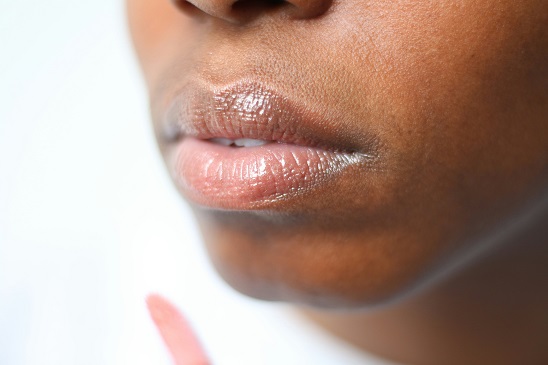
The lips are not only a prominent facial feature but also play a vital role in various functions such as speaking, eating, and forming facial expressions. Their unique structure is characterized by a thin layer of skin that is distinct from that of other parts of the body. Unlike the skin on the rest of the body, the lips lack oil glands, which contributes to their susceptibility to dryness and chapping. This skin composition makes the lips particularly delicate. The absence of these oil glands means that they do not have the natural moisturizing properties that other skin areas possess. Additionally, the skin on the lips is the thinnest on the body, which is why it is more prone to environmental damage, such as sunburn and cold weather. Furthermore, the vascular tissue beneath the thin skin gives the lips their characteristic color and sensitivity, making them an erogenous zone in many species, including humans.
Considering the unique characteristics of lip anatomy, it is clear why specific lip care is essential. Since they do not produce moisture on their own, the lips require external hydration to maintain softness and health. This knowledge can guide effective lip care practices, which include the use of lip balms and moisturizers that provide hydration and protection from environmental elements. Ingredients like beeswax, shea butter, and natural oils are particularly beneficial as they not only moisturize but also create a protective barrier against moisture loss.
Understanding the anatomical features and functions of the lips highlights the need for an informed approach to lip care. Prioritizing the health of the lips can enhance their appearance and functionality, ultimately contributing to overall facial aesthetics and individual comfort.
Common Causes of Dry and Chapped Lips
Dry and chapped lips are a common concern that affects individuals of all ages. Several factors contribute to this condition, including environmental conditions, lifestyle choices, and underlying health issues. Understanding these causes is crucial to maintaining soft and healthy lips.
Environmental conditions play a significant role in lip health. Exposure to harsh weather, particularly cold winds and low humidity, can strip the lips of their natural moisture. Additionally, prolonged sun exposure can lead to sunburned lips, which exacerbates dryness and can result in peeling. It is vital to protect the lips from extreme temperatures and UV rays to prevent damage.
Lifestyle choices can also significantly impact the hydration of the lips. Dehydration, which is often caused by not consuming enough water, can lead to dry, flaky lips. When the body lacks adequate hydration, it prioritizes moisture retention for vital organs, leaving less moisture for the lips. Moreover, habits such as lip licking can worsen the condition by providing a temporary sensation of relief but ultimately leading to increased dryness as saliva evaporates.
Dietary choices are equally important to consider. A diet that lacks essential nutrients, particularly vitamins B and C, can contribute to lip issues. These vitamins are crucial for maintaining healthy skin, including the delicate skin of the lips. Furthermore, excessive consumption of salty or spicy foods can irritate the lips, leading to dryness and discomfort.
Lastly, certain health issues, such as allergies, eczema, and thyroid disorders, can also manifest as dry and chapped lips. Identifying and addressing the root causes of these health problems is essential in achieving better lip health.
Daily Lip Care Routine
Maintaining soft and healthy lips requires a consistent daily lip care routine. Incorporating simple yet effective steps can significantly enhance the overall condition of your lips. The first step is gentle exfoliation, which helps remove dead skin cells that can accumulate and lead to chapped lips. Using a lip scrub or a soft toothbrush, gently massage the lips in circular motions once or twice a week. This process aids in promoting blood circulation and encourages cell renewal, resulting in a smoother surface.
After exfoliating, moisturizing is crucial for preserving the softness and hydration of your lips. Opt for high-quality lip balms or natural oils that contain ingredients such as shea butter, cocoa butter, or coconut oil. These moisturizers not only hydrate but also create a protective barrier against environmental factors. Apply a generous amount of lip balm throughout the day, especially before and after meals, to maintain moisture levels even in dry conditions.
Furthermore, protection from elements such as harsh weather, sun exposure, or air conditioning is vital in your lip care regimen. Select a lip balm with SPF to shield your lips from harmful UV rays during outdoor activities. Additionally, wearing a scarf over your lips during the winter months can offer extra protection against cold wind and dryness.
Consistency is the cornerstone of an effective lip care routine. By incorporating gentle exfoliation, diligent moisturization, and protective measures into your daily life, you can significantly improve the softness and healthiness of your lips. Make these practices a habit, and your lips will show remarkable improvement over time, remaining supple and smooth even in challenging conditions.
Choosing the Right Lip Products
When it comes to maintaining soft and healthy lips, selecting the appropriate lip products is crucial. There is a wide range of lip care products available, including balms, scrubs, and treatments. Each type serves a purpose, and understanding what to look for can ensure you achieve optimal lip health.
First and foremost, it is important to choose lip balms that contain beneficial ingredients. Look for natural oils, such as jojoba oil or coconut oil, which provide hydration and nourishment. Additionally, beeswax is a popular ingredient in lip balms as it forms a protective barrier against environmental elements while also locking in moisture. When selecting a lip balm, consider one that includes SPF to protect against the damaging effects of the sun. Sun protection is vital for preventing dryness and premature aging of the lips.
On the other hand, it is equally essential to be aware of ingredients to avoid in lip products. Artificial fragrances can lead to irritation and allergic reactions, which may exacerbate lip dryness. Furthermore, many conventional lip products contain synthetic preservatives that could be harmful over time. Instead, seek products that boast clean, natural formulations. Reading the ingredient list carefully can render valuable insights into the product’s quality.
For those interested in scrubs, opt for gentle exfoliants that utilize natural ingredients like sugar or coffee grounds to buffer away dead skin cells. This can greatly improve the overall texture and appearance of your lips. Additionally, some lip treatments provide restorative properties, often featuring ingredients like shea butter and vitamin E, which are beneficial for enhancing lip softness.
In summary, carefully choosing lip products with the right ingredients while being mindful of potentially harmful additives will ensure that your lips remain soft, healthy, and well-protected. Taking these considerations into account can make a significant difference in your overall lip care regimen.
DIY Lip Care Solutions
Taking care of your lips can be both enjoyable and rewarding with the use of do-it-yourself (DIY) solutions. Homemade lip scrubs, balms, and masks not only cater to typical lip care needs but also allow for customization according to individual preferences and skin types.
1. Brown Sugar Lip Scrub
Ingredients:
– 1 tablespoon brown sugar
– 1 tablespoon honey
– 1 tablespoon olive oil
Instructions:
1. In a bowl, mix the brown sugar, honey, and olive oil until you achieve a smooth consistency.
2. Apply the mixture to your lips using a gentle circular motion for about 1-2 minutes.
3. Rinse off with warm water and follow with a lip balm. This scrub effectively exfoliates and moisturizes the lips.
2. Coconut Oil Lip Balm
Ingredients:
– 2 tablespoons coconut oil
– 1 tablespoon beeswax (optional for a firmer balm)
– 5-10 drops of essential oil (like peppermint or vanilla)
Instructions:
1. In a small saucepan, melt the coconut oil and beeswax over low heat. Stir until fully combined.
2. Remove from heat and let it cool slightly. Add essential oil if desired.
3. Pour the mixture into a small container and let it solidify at room temperature. This lip balm not only hydrates but also provides a protective barrier.
3. Avocado Lip Mask
Ingredients:
– 1 ripe avocado
– 1 teaspoon honey
Instructions:
1. Mash the avocado in a bowl until smooth.
2. Mix in the honey until you achieve a consistent texture.
3. Apply the mixture onto your lips and leave it on for 10-15 minutes before rinsing with warm water. This mask helps in deeply moisturizing dry, chapped lips.
Each of these DIY treatments can be customized by adjusting the quantity or by adding various natural ingredients, such as shea butter or vitamin E oil, according to personal preferences. Regular use of these solutions can help enhance lip health significantly.
Protecting Lips in Different Seasons
Adapting your lip care routine according to seasonal changes is crucial for maintaining healthy and soft lips throughout the year. Each season presents unique challenges that can affect the condition of your lips, necessitating different care strategies.
In winter, the cold air and low humidity can lead to severe dryness and chapping. To combat this, it is essential to use a thicker, more emollient lip balm that contains nourishing ingredients such as shea butter, coconut oil, or beeswax. Additionally, consider using a humidifier indoors to help maintain moisture levels in the air, which will assist in keeping lips hydrated. Regularly applying lip balm, especially before venturing outdoors, can create a protective barrier against the harsh elements.
As seasons change to spring, this transitional period may bring fluctuations in humidity and temperature. This variability can still cause dryness or irritation. Opt for a lightweight lip balm with antioxidant properties, such as vitamin E or aloe vera, to soothe and protect your lips from unpredictable weather. Stay hydrated by drinking plenty of water, which is essential for overall skin health, including lip care.
During the summer months, sun exposure can lead to sunburn and dryness, making it vital to incorporate sun protection into your lip care. Choose a tinted lip balm or sunscreen specifically formulated for the lips, providing SPF protection. Reapplication is key, especially after swimming or sweating. Additionally, it is wise to maintain hydration and use products with natural oils to ensure your lips do not dry out.
In the fall, as temperatures drop and wind picks up, adjusting your lip care routine to include thicker creams again will help shield your lips. Regular exfoliation using a gentle lip scrub can remove dead skin cells and enable better absorption of moisturizing products.
Food and Hydration for Lip Health
Maintaining soft and healthy lips is significantly influenced by one’s diet and level of hydration. A well-balanced diet not only contributes to overall well-being but also enhances the health of the lips. Foods rich in vitamins and antioxidants play a crucial role in ensuring that lips remain supple and hydrated.
Incorporating fruits and vegetables that are high in water content can provide a natural source of hydration. Watermelon, cucumber, and oranges are excellent choices as they help to keep the body hydrated, which in turn supports the moisture levels of the lips. Further, these hydrating foods are often rich in vitamins A and C, both of which are essential for maintaining healthy skin.
Nuts and seeds also provide valuable nutrients that contribute to lip health. Almonds, walnuts, and flaxseeds, for example, contain essential fatty acids that help maintain skin moisture and elasticity. Furthermore, foods that are high in omega-3 fatty acids, such as salmon and chia seeds, can promote skin repair and regeneration, thereby protecting the lips from becoming dry or chapped.
For those needing an additional hydration boost, incorporating herbal teas can be beneficial. Herbal teas not only provide hydration but often come with additional benefits, such as antioxidants that support skin health. Staying adequately hydrated by drinking enough water throughout the day is also critical; dehydration is a common cause of chapped and dry lips.
Incorporating these nutrient-rich and hydrating foods into one’s diet can significantly improve the condition of the lips. By focusing on a balanced diet and ensuring sufficient hydration, individuals can take proactive steps toward achieving and maintaining soft, healthy lips.
Common Lip Problems and Solutions
Lips, being one of the most sensitive areas of the skin, can suffer from a variety of issues that impact their appearance and comfort. Common concerns include cold sores, allergic reactions, and dryness, among other dermatological issues. Understanding these conditions and their remedies can promote healthier, more resilient lips.
Cold sores, caused by the herpes simplex virus, typically appear as blisters on the lips. They can be painful and are often triggered by stress or illness. To manage cold sores, antiviral creams can be applied at the first sign of tingling or itching, which may help shorten the duration of the outbreak. Additionally, over-the-counter oral medications can assist in reducing the severity of symptoms. If outbreaks are frequent, consulting a healthcare provider for a prescription antiviral medication is advisable.
Another prevalent issue is lip dryness, which can result from environmental factors such as cold weather, sun exposure, or dehydration. To combat this, it is vital to maintain proper hydration by drinking sufficient water. In addition, using a high-quality lip balm containing humectants, occlusives, and emollients can help seal moisture in. For severe chapping, look for products with soothing ingredients like shea butter or lanolin.
Allergic reactions can also manifest on the lips, presenting as swelling, redness, or itching. Such reactions may be triggered by certain lip cosmetics, food, or dental products. It is essential to identify and avoid the allergen to prevent recurrence. When allergies persist or worsen, professional help from a dermatologist is recommended to derive a suitable treatment plan.
In conclusion, being attentive to the signs of lip issues and responding promptly can prevent complications. By recognizing the symptoms and applying the appropriate solutions, individuals can maintain soft and healthy lips.
Final Thoughts and Encouragement
Maintaining soft and healthy lips is an often-overlooked aspect of personal care that plays a significant role in our overall wellness. Just as we prioritize skincare and haircare, lip care deserves equal attention as it can impact our confidence and comfort. The delicate skin of the lips is prone to dryness and damage due to environmental factors, such as weather conditions and pollution, making the implementation of proper lip care habits essential.
By incorporating simple yet effective tips into your daily routine, you can significantly improve the condition of your lips. Regular hydration, along with the use of quality lip balms and scrubs, can help to prevent chapping and maintain a youthful appearance. It is also crucial to protect your lips from sun damage by using lip products containing SPF, as prolonged exposure to UV rays can lead to serious issues, including premature aging or skin cancer. This underscores the importance of being proactive rather than reactive when it comes to lip health.
Moreover, considering the emotional benefits of nurturing your lips cannot be overstated. Healthy lips can enhance your smile, contributing to positive interactions and self-esteem. We encourage you to make lip care a priority as part of your comprehensive self-care routine, dedicating just a few minutes each day to this practice. By following the guidance offered in this blog post, you can cultivate soft and healthy lips that not only look good but also reflect the attention and care you invest in your overall well-being.