

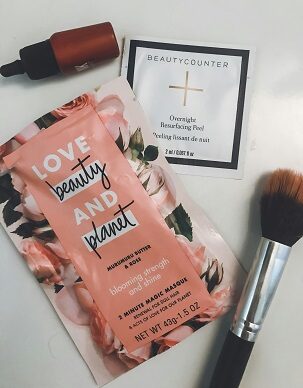
Skincare ingredients are the various components that make up cosmetic formulations, serving diverse functions to enhance skin health and appearance. These active ingredients can be categorized into two primary types: active and inactive ingredients. Active ingredients are those that have a direct effect on the skin, often providing therapeutic benefits such as hydration, exfoliation, or anti-aging properties. Common examples include retinoids, hyaluronic acid, and peptides. In contrast, inactive ingredients primarily serve as vehicle components that maintain the stability and texture of the product, such as emulsifiers, preservatives, and fragrance. While inactive ingredients are essential for product consistency and shelf life, it is the active ingredients that typically capture consumer interest due to their efficacy.
An understanding of skincare ingredients is crucial for selecting appropriate products tailored to individual needs. Each skin type—whether oily, dry, sensitive, or combination—may react differently to specific ingredients. For example, individuals with oily skin might benefit from products containing salicylic acid, known for its ability to reduce excess oil, while those with dry skin could prioritize formulations rich in moisturizers like glycerin and ceramides.
Moreover, ingredient transparency has become increasingly important in the skincare industry, as consumers are more informed and discerning than ever. Many individuals now scrutinize product labels to ensure they choose formulations that align with their personal values, whether that involves avoiding harmful chemicals, seeking cruelty-free products, or exploring vegan options. As such, product knowledge empowers consumers to make informed decisions, promoting healthier skin overall. By recognizing the role of both active and inactive ingredients in skincare products, consumers can navigate the vast market more effectively, leading to better skincare outcomes.
Key Ingredients for Different Skin Concerns
Addressing specific skin concerns requires a thoughtful approach to choosing the right skincare ingredients. Understanding what specific components can enhance skin health can significantly improve your overall skincare routine. Below, we examine several key ingredients that target common skin issues such as acne, dryness, aging, and hyperpigmentation.
For acne, Salicylic Acid stands out as a potent treatment. This beta hydroxy acid (BHA) penetrates deep into the pores, effectively exfoliating and preventing clogging, which can lead to breakouts. Best suited for oily and acne-prone skin, incorporating Salicylic Acid into your routine involves starting with a lower concentration, ideally in a cleanser or toner, to allow the skin to acclimate gradually.
In combating dryness, Hyaluronic Acid serves as an excellent hydrator. This ingredient can hold up to 1,000 times its weight in water, providing intense moisture, making it a staple for those with dry or dehydrated skin types. It can be effectively integrated into your skincare regimen by applying a serum containing Hyaluronic Acid after cleansing, ensuring the skin is still slightly damp to lock in moisture.
When it comes to aging, Retinol (Vitamin A) is a well-researched ingredient known for its effectiveness in stimulating collagen production and reducing fine lines. Suitable for most skin types, particularly those showing signs of aging, Retinol should be introduced gradually into your routine—typically at night and in conjunction with a moisturizer to minimize irritation.
Finally, for hyperpigmentation, Vitamin C is a powerful antioxidant that brightens the skin and evens out skin tone. Ideal for all skin types, it can be applied in the morning as part of your skincare routine, helping to protect against environmental stressors while promoting radiance.
By carefully selecting these key ingredients and incorporating them into your skincare regime, you can effectively manage your specific skin concerns and promote overall skin health.
How to Read Ingredient Labels
Understanding skincare ingredient labels is crucial for selecting products that are both safe and effective. The first step in this process is to become familiar with the order in which ingredients are listed, which is usually determined by concentration. Ingredients are listed in descending order, meaning that what appears at the beginning of the list constitutes the most significant portion of the formulation. This helps consumers identify the primary components of a product and enables them to make informed decisions based on their individual skin needs.
Another vital aspect to consider is the presence of potentially harmful additives. Common irritants such as parabens, sulfates, and artificial fragrances are often included in many skincare products. By recognizing these substances on ingredient labels, consumers can avoid products that may aggravate sensitive skin, trigger allergic reactions, or lead to other undesirable effects. Seeking out products labeled as hypoallergenic or free from these harsh chemicals can be beneficial, especially for those with sensitive skin.
Moreover, it is essential to understand the significance of effective concentrations of active ingredients. Some ingredients, such as retinoids or vitamin C, need to be present in higher concentrations to deliver their desired effects. For example, look for formulas that contain retinol at 0.5 to 2% for optimal results. On the contrary, if an active ingredient is listed towards the end of the ingredient list, it may be present in a less effective amount. Researching the optimal ranges for these ingredients can empower consumers to choose products that are more likely to provide the results they seek.
Creating a Balanced Skincare Routine with the Right Ingredients
Establishing a balanced skincare routine requires an understanding of your skin type, specific concerns, and the ingredients that work best for you. By incorporating essential skincare ingredients thoughtfully, you can optimize your routine for maximum efficacy. Begin by identifying your primary skincare goals, such as hydration, anti-aging, or acne control. This will guide you in selecting the right products.
When layering skincare products, it is vital to follow a proper order to enhance absorption and effectiveness. A common rule of thumb is to apply products from thinnest to thickest, starting with serums, followed by creams or oils. For example, hyaluronic acid serums should be applied before thicker moisturizers to prevent moisture loss. Additionally, always ensure that active ingredients are compatible to avoid irritation; for instance, pairing retinol with vitamin C could lead to increased sensitivity.
An important aspect of a balanced skincare routine is its adaptability. As skin changes due to various factors including weather, age, and hormonal fluctuations, it is essential to modify your regimen accordingly. Regularly assess your skin’s response to products and be open to experimenting with new formulations that may address emerging concerns. Incorporate seasonal adjustments, like using lighter textures in the summer and richer creams during colder months, to achieve the desired results.
Finally, be patient and consistent; changes to your skin can take time to manifest. Monitor any new products you introduce, giving your skin a few weeks to acclimate and respond. With a thoughtful approach to selecting and layering the right skincare ingredients, you can cultivate a routine that keeps your skin looking healthy and radiant.