
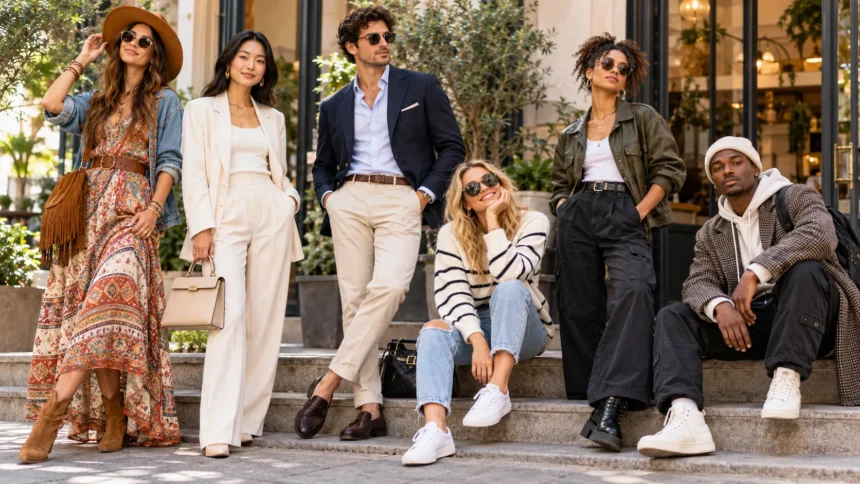
Fashion is more than simply choosing clothes to wear every day. It is a creative way to express personality, explore different trends, and develop a personal sense of style. From comfortable casual outfits to elegant formal clothing, fashion offers countless possibilities for experimenting with colors, fabrics, and accessories. Understanding different clothing styles can make getting dressed easier and more enjoyable.
Exploring different fashion style types helps you discover outfit combinations that match your preferences, lifestyle, and everyday activities. Some people enjoy classic and timeless clothing, while others prefer bold streetwear, relaxed bohemian outfits, or modern minimalist designs. There is no single correct approach to fashion because individual style develops through experimentation and personal choice.
Whether you want to refresh your wardrobe or simply learn about popular fashion aesthetics, understanding clothing styles is a useful starting point. This guide explores common fashion styles, their defining characteristics, outfit inspiration, and easy styling tips. You will also discover practical ways to combine clothing pieces, choose accessories, and create comfortable outfits without constantly following changing trends.
What Are Fashion Style Types?
Fashion style types are categories used to describe different approaches to clothing, accessories, and personal presentation. Each style has recognizable features, such as particular colors, fabrics, silhouettes, or outfit combinations. These categories help people understand fashion trends and identify clothing that reflects their individual preferences.
For example, minimalist fashion often features simple designs and neutral colors, while bohemian fashion includes relaxed fabrics and artistic patterns. Streetwear commonly incorporates sneakers, graphic shirts, and casual layering. Although these styles have distinctive characteristics, they frequently overlap because fashion is constantly evolving.
Understanding clothing styles does not mean following strict rules or limiting yourself to one category. Many people combine elements from several fashion aesthetics to create outfits that feel comfortable and personal. Learning about different styles simply provides inspiration and makes experimenting with clothing combinations more enjoyable.
1. Casual Fashion Style
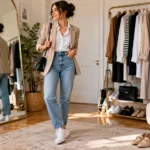
Casual fashion is one of the most familiar clothing styles because it focuses on comfort and practicality. It includes everyday wardrobe essentials such as jeans, T-shirts, sweaters, sneakers, and relaxed trousers. This style works well for shopping, meeting friends, attending informal gatherings, and completing daily activities.
A simple casual outfit might combine straight-leg jeans with a comfortable cotton T-shirt and everyday sneakers. During cooler weather, you can add a denim jacket, cardigan, or lightweight sweater. Neutral colors create easy combinations, while brighter shades allow you to introduce more personality into the outfit.
The key to casual styling is choosing clothes that suit your activities and feel comfortable throughout the day. Experiment with layering, different fabrics, and accessories to keep outfits interesting. A practical collection of casual clothing can provide numerous combinations without requiring a large wardrobe.
2. Classic Fashion Style
Classic fashion focuses on timeless clothing pieces that remain useful beyond short-lived trends. Common examples include tailored trousers, button-down shirts, simple dresses, blazers, and structured coats. This style often uses balanced color combinations and straightforward designs that work across different occasions.
A classic outfit could include tailored trousers, a plain shirt, and comfortable loafers. Another option is combining a simple dress with a cardigan or structured jacket. Colors such as navy, beige, black, white, and gray are commonly associated with classic clothing because they are easy to coordinate.
Classic fashion is particularly useful for people who prefer versatile wardrobe pieces. Investing in well-made clothing and caring for it properly can help extend its useful life. However, classic style does not require expensive brands, and affordable clothing can work just as effectively.
3. Minimalist Fashion Style
Minimalist fashion emphasizes simplicity, practical design, and thoughtful clothing combinations. It often features clean lines, limited patterns, and a relatively small range of colors. People interested in minimalist outfits may prefer versatile pieces that can be mixed and matched for different activities.
A minimalist outfit might combine plain trousers with a solid-colored shirt and simple sneakers. Neutral combinations are popular, but minimalist fashion can also include selected brighter colors. The main idea is reducing unnecessary details while choosing pieces that work comfortably together.
You can explore minimalist fashion by identifying clothing items you frequently wear and building combinations around them. Accessories such as simple watches, bags, or scarves can complete an outfit without making it feel complicated. This approach can also make wardrobe organization and daily outfit planning more manageable.
4. Streetwear Fashion Style
Streetwear developed through influences from urban culture, skateboarding, music, and youth fashion communities. It commonly includes hoodies, graphic T-shirts, sneakers, cargo trousers, and relaxed outerwear. The style is known for combining everyday comfort with distinctive designs and creative clothing combinations.
A typical streetwear outfit might feature loose-fitting trousers, a graphic shirt, and a comfortable hoodie. Sneakers, caps, and casual bags can provide additional styling options. Layering different clothing pieces is also popular, especially when seasonal weather requires a jacket or overshirt.
Streetwear encourages experimentation rather than following one fixed formula. You can combine simple basics with one visually interesting item, such as a patterned jacket or colorful sneakers. Choosing clothing that reflects your interests is often more meaningful than purchasing products solely because they are associated with popular brands.
5. Bohemian Fashion Style
Bohemian fashion, often called boho style, is associated with artistic expression, relaxed clothing, and influences from different cultural and historical traditions. It commonly features flowing fabrics, decorative patterns, embroidery, and layered accessories. The style is especially popular for outdoor gatherings, vacations, and comfortable everyday outfits.
A bohemian-inspired outfit might include a patterned maxi skirt, a loose cotton blouse, and comfortable sandals. Lightweight cardigans, woven bags, and scarves can add texture and visual interest. Earth-inspired colors are common, although brighter combinations also work well within this fashion aesthetic.
Bohemian clothing can be adapted to different climates and personal preferences. Breathable fabrics are useful in warm weather, while layered pieces provide options during cooler seasons. When exploring culturally inspired designs, appreciate their origins and avoid treating meaningful traditional clothing as interchangeable decorative trends.
6. Vintage Fashion Style
Vintage fashion draws inspiration from clothing designs associated with previous decades. Different periods introduced recognizable styles, including structured jackets, wide-leg trousers, printed dresses, and distinctive accessories. Exploring vintage clothing can be an enjoyable way to learn about fashion history and discover interesting design details.
A vintage-inspired outfit might combine high-waisted trousers with a tucked-in shirt and simple accessories. Another option is pairing a retro-patterned dress with a cardigan or classic shoes. Vintage styling does not require recreating an entire historical outfit, and individual pieces can work well with contemporary clothing.
Secondhand shops and family wardrobes may provide opportunities to discover older clothing with distinctive features. Check fabric condition, sizing, and care requirements before purchasing or wearing vintage pieces. Mixing vintage and modern items can create versatile outfits while giving existing garments another opportunity to be used.
7. Preppy Fashion Style
Preppy fashion is associated with clothing inspired by traditional school uniforms and collegiate styles. Common pieces include polo shirts, cardigans, pleated skirts, chinos, sweaters, and loafers. The aesthetic often features coordinated colors, simple patterns, and a neat overall appearance.
A preppy outfit might combine a polo shirt with chinos and comfortable loafers. For cooler weather, a sweater layered over a collared shirt creates another recognizable combination. Stripes, checks, and solid colors can provide variety while maintaining the style’s characteristic simplicity.
Preppy fashion works well for everyday activities and occasions where slightly more structured clothing feels appropriate. You can adjust the style by replacing formal shoes with sneakers or choosing relaxed knitwear. The goal is to create an outfit that reflects your preferences rather than following a strict clothing formula.
8. Sporty and Athleisure Fashion Style
Sporty fashion incorporates clothing inspired by exercise, athletics, and active lifestyles. Athleisure combines elements of sportswear with everyday outfits, making certain athletic pieces suitable for casual activities. Common items include joggers, sweatshirts, leggings, track jackets, and comfortable sneakers.
An athleisure outfit might feature joggers with a simple T-shirt and lightweight zip-up jacket. Matching sportswear sets are another practical option, although mixing separate pieces can create equally useful combinations. Breathable materials and comfortable construction are important when choosing clothes for movement.
Sporty fashion can be convenient for travel, walking, and relaxed daily routines. However, clothing designed for specific athletic activities may have different performance features from ordinary casual wear. Choose items based on comfort, intended use, and personal preference rather than assuming every sports-inspired outfit must be worn for exercise.
9. Chic Fashion Style
Chic fashion is a broad term often used to describe coordinated clothing with a simple, intentional appearance. It frequently combines classic pieces with selected modern details. Blazers, trousers, knitwear, dresses, and versatile accessories commonly appear in outfits described as chic.
A chic outfit might combine straight-leg trousers, a comfortable blouse, and a structured jacket. Another option is pairing dark jeans with a plain top and a lightweight coat. Accessories such as a scarf or everyday bag can introduce color and texture without requiring complicated styling.
Chic fashion can be adapted to different budgets, climates, and activities. Instead of focusing on designer labels, consider how individual clothing pieces work together. Comfortable fabrics, practical footwear, and thoughtfully selected colors can help create coordinated outfits for a variety of occasions.
10. Edgy Fashion Style
Edgy fashion is associated with unconventional combinations, strong contrasts, and influences from alternative music and fashion cultures. Common elements include dark clothing, denim jackets, graphic designs, boots, and distinctive accessories. The style often encourages experimentation with pieces that differ from conventional everyday outfits.
A simple edgy outfit might combine black jeans, a graphic T-shirt, and a denim jacket. Boots or sneakers can complete the outfit depending on the occasion. Accessories, contrasting fabrics, and layered clothing provide additional opportunities for creating an individual look.
You do not need to wear an entirely dark wardrobe to explore edgy fashion. A single statement jacket or unusual accessory can introduce elements of the style into a casual outfit. The most useful approach is selecting pieces you genuinely enjoy rather than trying to match a particular stereotype.
11. Romantic Fashion Style
Romantic fashion draws inspiration from soft fabrics, decorative details, and flowing clothing designs. Common features include lace, floral patterns, ribbons, gentle colors, and lightweight materials. This aesthetic is often associated with dresses and skirts, although it can also be adapted to trousers and casual outfits.
A romantic-inspired outfit might combine a floral blouse with a comfortable skirt or relaxed trousers. Soft knitwear and lightweight cardigans can provide additional layering options. Pastel colors are popular, but deeper shades and contrasting accessories can also work within this style.
Romantic fashion is suitable for everyday wear, celebrations, and other occasions depending on the chosen pieces. You can introduce the aesthetic gradually through patterns, fabrics, or accessories rather than changing your entire wardrobe. Comfort and individual preference should guide your decisions when experimenting with decorative clothing.
12. Grunge Fashion Style
Grunge fashion developed through influences from alternative rock music and youth culture, particularly during the late twentieth century. It commonly features flannel shirts, distressed denim, graphic T-shirts, and layered clothing. The style is associated with relaxed combinations and a preference for informal fashion choices.
A grunge-inspired outfit might include straight-leg jeans, a plain or graphic shirt, and an oversized flannel. Sneakers or boots can provide practical footwear options. Layering a casual jacket over the outfit can make the combination suitable for cooler weather.
Modern grunge styling often mixes vintage-inspired pieces with contemporary basics. Secondhand shopping can be useful for finding flannel shirts, denim jackets, and other clothing associated with the aesthetic. Rather than following strict trends, you can adapt grunge elements to match your everyday activities and personal interests.
13. Business Casual Fashion Style
Business casual combines professional clothing with more relaxed wardrobe pieces. It is commonly used in workplaces that do not require traditional formal suits every day. Typical items include chinos, tailored trousers, button-down shirts, knitwear, blouses, and simple shoes.
An easy business casual outfit might combine dark trousers with a collared shirt and cardigan. Another option is pairing chinos with a plain knit sweater and loafers. The appropriate level of formality depends on workplace expectations, industry practices, and the nature of the occasion.
Before choosing business casual clothing, review any dress guidelines provided by your workplace or organization. Some environments allow clean sneakers and jeans, while others expect more structured outfits. Selecting comfortable, practical pieces makes it easier to maintain a consistent wardrobe without sacrificing personal style.
14. Cottagecore Fashion Style
Cottagecore fashion is inspired by romanticized rural life, traditional crafts, gardens, and nature-focused aesthetics. Its clothing often features floral prints, gingham patterns, puff sleeves, cotton fabrics, and relaxed dresses. The style has become popular among people interested in vintage-inspired clothing and peaceful countryside themes.
A cottagecore outfit might include a floral dress with a lightweight cardigan and comfortable flats. Another combination could feature a simple blouse, a midi skirt, and a woven bag. Soft colors and nature-inspired patterns are frequently associated with this aesthetic.
Cottagecore fashion can be adapted for everyday wear by combining one decorative piece with familiar wardrobe basics. For example, a patterned blouse can work with plain trousers or jeans. Selecting easy-care fabrics and practical footwear helps make the style suitable for ordinary activities rather than only themed photographs.
15. Eclectic Fashion Style
Eclectic fashion involves combining clothing elements from different styles, periods, and design traditions. People who enjoy this approach may mix patterns, bright colors, modern pieces, and vintage accessories. The result is a highly personal style that does not fit neatly into one established category.
An eclectic outfit might combine a patterned shirt with simple trousers and colorful sneakers. Another possibility is pairing a vintage jacket with contemporary clothing and an unusual accessory. The combinations can be as subtle or visually expressive as the wearer prefers.
The key to eclectic styling is experimentation and discovering which combinations feel enjoyable. Starting with familiar clothing and adding one unexpected element can make the process easier. Over time, this approach may help you develop an individual wardrobe that reflects several different fashion influences.
How to Find Your Personal Fashion Style
Finding your personal fashion style begins with understanding which clothes you enjoy wearing and which activities fill your everyday life. Consider your preferred fabrics, colors, and clothing combinations. You may notice that certain outfits feel more comfortable or practical for your routines than others.
Looking at different fashion aesthetics can provide inspiration, but it is not necessary to copy complete outfits. Save ideas you find interesting and identify elements that work with clothing you already own. You might prefer casual trousers while enjoying accessories commonly associated with vintage or preppy fashion.
Personal style can change over time as interests, responsibilities, and preferences evolve. Experimenting with different combinations helps you discover what works without committing to one permanent category. A useful wardrobe should support your lifestyle while giving you opportunities to express yourself creatively.
Easy Styling Tips for Every Fashion Style
One of the simplest styling methods is combining familiar basics with one distinctive clothing piece. Plain shirts, comfortable trousers, and versatile outerwear can work with many different aesthetics. Adding a patterned scarf, colorful jacket, or interesting pair of shoes can create variety without requiring an entirely new outfit.
Color coordination can also make everyday outfit planning easier. Neutral pieces often pair well with brighter garments, while related shades can create a more coordinated appearance. However, experimenting with unexpected combinations can be equally enjoyable, especially for people who prefer creative or eclectic fashion.
Accessories and layering provide additional ways to adjust an outfit for different occasions. Bags, scarves, hats, and jewelry can complement clothing without becoming necessary requirements. Choose practical combinations that match the weather, activity, and your personal comfort rather than following fashion rules that feel restrictive.
How to Build a Versatile Wardrobe on a Budget
Building a versatile wardrobe does not require purchasing large amounts of clothing. Begin by reviewing the items you already own and identifying pieces that work well together. This approach helps you understand which garments are useful and which additional items might fill practical gaps.
Consider choosing clothing that can be worn in several different combinations. A simple jacket, comfortable trousers, and plain shirts may work across casual, minimalist, and business casual outfits. Buying versatile items can make outfit planning easier while helping reduce unnecessary purchases.
Secondhand shopping, clothing swaps, and basic garment repairs can also provide affordable ways to explore fashion. Taking care of clothing through appropriate washing and storage helps extend its useful life. The goal is to create a practical wardrobe that reflects your interests rather than constantly purchasing new trends.
Common Fashion Styling Mistakes to Avoid
One common styling mistake is choosing clothing based entirely on popularity without considering personal preferences. An outfit may look interesting in a photograph but feel uncomfortable or impractical during everyday activities. Fashion becomes more enjoyable when clothing suits your needs rather than meeting outside expectations.
Another mistake is believing that different fashion styles cannot be combined. Casual clothing can work with classic accessories, while vintage pieces can complement modern outfits. Limiting yourself to one strict category may prevent you from discovering combinations that feel more individual and creative.
Ignoring garment care and practical requirements can also create unnecessary problems. Certain fabrics need special washing methods, while some shoes may be unsuitable for long periods of walking. Considering comfort, durability, and maintenance helps you choose outfits that remain useful beyond a single occasion.
Conclusion
Exploring different fashion style types is a useful way to discover clothing combinations and develop your personal sense of style. Casual, classic, minimalist, streetwear, bohemian, vintage, and other fashion aesthetics each offer distinctive ideas. Understanding their characteristics makes it easier to experiment with different outfits and accessories.
Fashion does not require following one category or purchasing expensive clothing. Many attractive combinations begin with practical wardrobe basics and a few creative details. Choosing clothes that suit your activities, preferences, and comfort can make everyday styling more enjoyable and manageable.
Whether you prefer simple outfits or creative combinations, personal style can continue developing over time. Experiment with different fabrics, colors, and accessories while making use of clothing you already own. The most meaningful approach to fashion is one that supports self-expression, comfort, and individual choice.
Frequently Asked Questions (FAQs)
What are the most popular fashion style types?
Popular fashion style types include casual, classic, minimalist, streetwear, bohemian, vintage, preppy, sporty, chic, and grunge. Each style has different clothing characteristics and can be adapted to individual preferences.
How do I find my personal fashion style?
Start by identifying clothes you enjoy wearing and exploring different outfit ideas. Consider your lifestyle, comfort, preferred colors, and existing wardrobe before experimenting with additional styles.
Can I combine different fashion styles?
Yes, combining fashion styles is a common way to create individual outfits. For example, casual clothing can work with vintage accessories, while minimalist basics can complement selected streetwear pieces.
What is the easiest fashion style for beginners?
Casual and minimalist styles are often easy starting points because they use familiar clothing pieces and straightforward combinations. However, the best choice depends on personal interests and everyday activities.
How can I look stylish without spending much money?
Use versatile clothing you already own, experiment with different combinations, and explore affordable secondhand options. Proper garment care and thoughtful accessories can also help create varied outfits on a budget.