

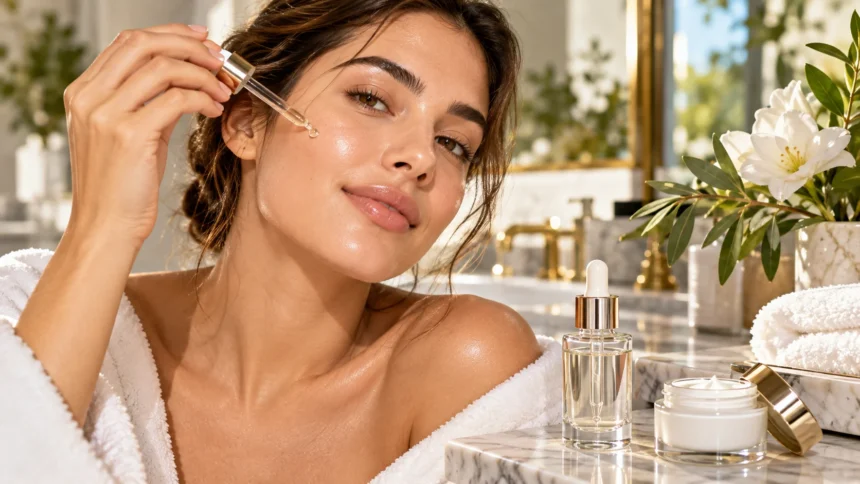
Squalane has become a popular ingredient in modern skincare because of its lightweight texture and ability to help skin feel soft, smooth, and hydrated. It appears in facial oils, moisturizers, serums, and other skincare products designed for different skin types. Unlike heavier oils, squalane usually spreads easily and leaves a comfortable finish without feeling excessively greasy.
Understanding squalane benefits can help you decide whether this ingredient belongs in your daily skincare routine. From supporting the skin barrier to reducing moisture loss, squalane offers several practical advantages. This guide explains how squalane works, which skin types may benefit, and how to use it effectively for healthy-looking skin.
What Is Squalane in Skincare?
Squalane is a stable, lightweight hydrocarbon commonly used as an emollient in skincare products. It is produced by hydrogenating squalene, a compound naturally found in human sebum and certain plant sources. This process improves stability and makes squalane suitable for cosmetic formulations. Its smooth texture helps soften skin and reduce the uncomfortable feeling of dryness.
Squalane is commonly derived from plant sources such as sugarcane and olives, although its origins can vary between manufacturers. Modern cosmetic production often favors plant-derived squalane because it provides an alternative to historical animal-derived sources. Once properly processed, squalane has the same basic chemical structure regardless of its source. Product labeling may indicate whether an ingredient is plant-derived.
One reason squalane is popular is its ability to work well in different skincare formulas. Manufacturers include it in facial oils, creams, lotions, and products intended for delicate skin areas. It helps create a smooth application experience while improving the skin’s surface feel. Because it is generally lightweight, many people find it comfortable for everyday use.
How Does Squalane Work on Your Skin?
Squalane primarily works as an emollient that helps smooth and soften the outermost layers of the skin. It spreads across the surface and contributes to a protective layer that limits moisture loss. This can make dry skin feel more comfortable and improve its overall texture. Unlike ingredients that directly attract substantial amounts of water, squalane mainly helps retain existing moisture.
The outer skin barrier contains lipids that help prevent excessive water loss and protect against environmental irritants. When this barrier becomes disrupted, the skin may feel rough, tight, or uncomfortable. Squalane can complement natural skin lipids by providing additional surface conditioning. However, it does not replace every component needed for normal barrier function.
Squalane also improves the way certain skincare products feel during application. Its lightweight consistency helps creams and serums spread smoothly without excessive tugging. When included in a moisturizer, it can work alongside ingredients that attract water and strengthen moisture retention. This combination makes squalane useful in formulas designed for comfortable, hydrated-looking skin.
Squalane Benefits for Skin
One of the main benefits of squalane is its ability to soften dry and rough skin. Its emollient properties help improve surface smoothness and make the skin feel more comfortable. Regular use may reduce the appearance of flaky areas associated with everyday dryness. This makes it a useful ingredient for people seeking a simple way to improve skin texture.
Another important advantage is that squalane helps limit moisture loss from the skin’s surface. By supporting the skin’s protective lipid layer, it can contribute to better moisture retention. This is especially useful during colder weather or in environments with low humidity. Maintaining moisture helps the skin appear smoother and feel less tight throughout the day.
Squalane is also valued for its lightweight texture and generally good tolerability. It can be incorporated into skincare routines without the heavy sensation associated with some richer oils. Many products containing squalane are suitable for different skin types, depending on their complete formulations. These qualities make it a versatile ingredient in everyday moisturizers and facial oils.
Squalane for Dry and Dehydrated Skin
Dry skin often produces or retains insufficient surface lipids, leaving it vulnerable to roughness and discomfort. Dehydrated skin, by comparison, describes skin that lacks adequate water and can occur with different skin types. Squalane can help soften dry areas and reduce moisture loss. However, it does not directly replace the water needed to address dehydration.
People with dry skin may benefit from using squalane alongside a moisturizer containing humectants. Ingredients such as glycerin and hyaluronic acid attract water to the outer skin layers. Squalane helps complement these ingredients by providing emollient conditioning and supporting moisture retention. Together, they may improve the skin’s comfort and reduce the appearance of dryness.
During winter, dry indoor air and cold outdoor temperatures can contribute to uncomfortable skin. A moisturizer containing squalane may help protect against excessive moisture loss in these conditions. Applying it consistently as part of a gentle routine can support a softer skin surface. For persistent dryness, a richer moisturizer may provide additional benefits beyond squalane alone.
Is Squalane Good for Oily Skin?
Squalane can be suitable for oily skin because it has a relatively lightweight and smooth texture. Unlike some heavier cosmetic oils, it generally spreads easily without leaving an overly thick surface layer. However, the way a product feels depends on the complete formula and the amount applied. Individual preferences and skin reactions can differ considerably.
People with oily skin still need adequate moisturizing because oil production and hydration are separate concerns. Harsh cleansing and unsuitable products can sometimes leave the skin feeling uncomfortable or dehydrated. A lightweight squalane moisturizer may provide conditioning without the heavy texture of richer creams. Choosing a non-greasy formulation can make daily use more comfortable.
Squalane is often described as non-comedogenic, meaning it is considered less likely to contribute to clogged pores. However, no ingredient can guarantee that every product will suit acne-prone skin. Other ingredients in a formula may affect its overall compatibility. People who experience breakouts should assess how their skin responds rather than relying exclusively on marketing labels.
Squalane Benefits for Sensitive Skin
Sensitive skin may react to fragrances, strong active ingredients, or environmental changes with discomfort and redness. Squalane is generally considered a well-tolerated emollient in cosmetic formulations. Its primary function is to provide surface conditioning without requiring aggressive exfoliation or other intensive effects. This makes it a practical ingredient to consider for gentle skincare routines.
A simple moisturizer containing squalane may help reduce the uncomfortable sensation associated with dry, tight skin. Formulas that also contain glycerin, ceramides, or other barrier-supporting ingredients can provide additional moisturizing benefits. Fragrance-free products may be preferable for people who frequently experience irritation. The complete ingredient list remains important because squalane alone does not determine product tolerability.
Although squalane is usually gentle, individual reactions are still possible. A small-area patch test may help identify sensitivity before regular application to the face. Anyone experiencing persistent redness, burning, or itching should stop using the product and seek appropriate advice. For existing skin conditions, a dermatologist can recommend products suited to individual needs.
Does Squalane Help Repair the Skin Barrier?
The skin barrier plays an essential role in retaining moisture and protecting against environmental irritants. It consists of outer skin cells surrounded by a carefully organized mixture of lipids. When this system becomes disrupted, water can escape more easily and the skin may feel uncomfortable. Supporting the barrier is an important part of maintaining normal skin function.
Squalane contributes to surface conditioning and can help reduce moisture loss from the outer skin layers. Its emollient properties make the skin feel smoother and support a more comfortable protective surface. However, it is not identical to the natural mixture of ceramides, cholesterol, and fatty acids that forms the skin barrier. Barrier restoration may therefore require additional moisturizing ingredients.
Combining squalane with ceramides and established humectants can provide broader moisturizing support. These ingredients address different aspects of skin hydration and surface protection. Gentle cleansing and avoiding unnecessary irritation are also important when caring for a compromised barrier. While squalane can be helpful, persistent barrier problems may require professional assessment rather than cosmetic products alone.
Squalane for Fine Lines and Wrinkles
Fine lines and wrinkles develop through several processes, including natural aging, repeated facial movements, and environmental exposure. Dryness can make some lines appear more noticeable by affecting the skin’s surface texture. Squalane helps soften and condition the skin, which may temporarily improve the appearance of dryness-related lines. However, it does not reverse the underlying biological processes of aging.
Well-moisturized skin often looks smoother because its outer layers retain adequate water and flexibility. Squalane can contribute to this effect when used in a suitable skincare formula. Facial oils containing squalane may also create a subtle surface sheen that changes how fine lines appear. These cosmetic improvements should not be confused with permanent wrinkle reduction.
People interested in managing visible signs of skin aging should maintain realistic expectations about squalane. It is primarily a moisturizing and conditioning ingredient rather than a proven treatment for deep wrinkles. Broad-spectrum sunscreen has stronger evidence for preventing premature signs of sun-related aging. Squalane can complement these established practices by improving everyday skin comfort.
Squalane vs Squalene: What’s the Difference?
Squalane and squalene have similar names because they are closely related chemical compounds. Squalene is naturally present in human sebum and contributes to the skin’s lipid composition. It is also found in various plant and animal sources. However, squalene contains chemical bonds that make it more susceptible to oxidation under certain conditions.
Squalane is produced by hydrogenating squalene, creating a more chemically stable ingredient. This stability makes it useful in skincare products that require a longer shelf life. It is less prone to oxidation than squalene and can be incorporated into numerous cosmetic formulations. These properties explain why squalane is commonly used in modern facial oils and moisturizers.
Both compounds have emollient properties, but they are not interchangeable in every formulation. Squalane is generally preferred for its stability and predictable cosmetic performance. Squalene still has important biological functions as part of the body’s natural lipid systems. Understanding the distinction helps consumers recognize why ingredient labels frequently feature squalane instead of squalene.
Squalane vs Hyaluronic Acid: Which Is Better?
Squalane and hyaluronic acid provide different moisturizing benefits, so neither ingredient is universally better. Hyaluronic acid is a humectant that attracts and binds water in the skin’s outer layers. Squalane functions mainly as an emollient that smooths the surface and helps reduce moisture loss. Their different roles make them useful complementary ingredients.
Hyaluronic acid is frequently included in hydrating serums because of its ability to bind water. It can help temporarily improve the appearance of skin affected by dehydration. Squalane contributes a soft, conditioned feel and supports moisture retention. Using both ingredients may provide more balanced moisturizing benefits than relying on either one alone.
For a simple routine, apply a hyaluronic acid product according to its instructions and follow with a suitable moisturizer. A squalane-containing cream or facial oil can provide additional emollient conditioning when needed. However, layering multiple products is not essential if one moisturizer already works well. The best choice depends on skin comfort, environmental conditions, and personal preferences.
Squalane vs Jojoba Oil: Key Differences
Squalane and jojoba oil are both popular emollients used in skincare products. However, they have different chemical compositions and surface characteristics. Squalane is a stable hydrocarbon, while jojoba oil consists primarily of liquid wax esters. Both can help improve skin softness and reduce the feeling of dryness when used appropriately.
Jojoba oil is often valued for its conditioning properties and compatibility with different cosmetic formulations. Its texture may feel slightly richer than some lightweight squalane products, although this varies by product. Squalane generally offers a smooth, lightweight finish that appeals to people who dislike heavier oils. Personal preference is an important factor when comparing these ingredients.
Neither ingredient is automatically superior for every skin type. Some people prefer squalane for facial moisturizing, while others enjoy jojoba oil in body care or hair products. Both can cause unwanted reactions in individuals sensitive to particular formulations. Choosing a well-made product that feels comfortable is more useful than assuming one oil is universally better.
Can Squalane Help Acne-Prone Skin?
People with acne-prone skin sometimes avoid facial oils because they worry about clogged pores and breakouts. However, facial oils differ in their chemical structures, textures, and effects on the skin. Squalane is commonly used in lightweight products intended for various skin types. Its emollient properties may help maintain skin comfort without requiring a heavy cream.
Squalane does not directly treat acne or replace established acne medications. It may, however, provide moisturizing support for people experiencing dryness from certain skincare products. Maintaining hydration can make a routine more comfortable and potentially improve tolerance of other products. The overall formula should be selected carefully because individual breakout responses vary.
Anyone with acne-prone skin should introduce unfamiliar products gradually and observe changes over time. A lightweight, fragrance-free moisturizer may be preferable to layering several rich facial oils. Persistent or severe acne may benefit from evaluation by a dermatologist. Squalane can be a moisturizing option, but it should not be promoted as an acne treatment.
How to Use Squalane in Your Skincare Routine
Squalane is available as a standalone facial oil and as an ingredient in moisturizers, lotions, and serums. The correct application method depends on the type of product being used. Pure squalane oil is commonly applied in small amounts to clean skin or after a water-based hydrating product. Always follow the instructions provided by the manufacturer.
In a morning skincare routine, squalane can be incorporated after cleansing and alongside a suitable moisturizer. People who prefer lightweight products may find that a moisturizer already containing squalane provides enough conditioning. Broad-spectrum sunscreen should remain the final protective step before daytime sun exposure. Squalane itself does not provide reliable ultraviolet protection.
An evening routine can also include squalane to improve skin comfort after daily cleansing. A small amount may be sufficient for facial application, especially when other moisturizing products are already used. Applying excessive oil does not necessarily improve hydration and may create an uncomfortable finish. Adjusting product amounts according to skin needs can help maintain a practical routine.
Can You Use Squalane With Retinol and Vitamin C?
Squalane is often used in formulations containing other skincare ingredients because of its stability and emollient properties. It can be included in routines that also feature retinol, vitamin C, or niacinamide. These ingredients serve different cosmetic functions and do not automatically interfere with squalane. Product compatibility still depends on the complete formulations involved.
Retinol can sometimes cause dryness and irritation, particularly when introduced into a skincare routine. A moisturizer containing squalane may help improve comfort by providing additional emollient conditioning. However, squalane cannot guarantee that retinol-related irritation will be prevented. People using retinoids should follow product directions and seek professional advice when necessary.
Vitamin C and niacinamide are also commonly combined with moisturizing ingredients in facial skincare. Squalane can help provide a smoother texture in formulas containing these compounds. There is generally no reason to avoid squalane simply because another active ingredient is present. Keeping the routine simple and watching for irritation remain sensible practices.
Is Plant-Derived Squalane Better for Skin?
Plant-derived squalane is commonly produced using raw materials obtained from sugarcane, olives, and other botanical sources. It has become popular partly because it offers alternatives to historical animal-derived production methods. When properly purified, squalane has the same essential chemical identity regardless of its origin. Its skincare properties are therefore not determined solely by the plant used.
Sugarcane-derived squalane is frequently promoted for its lightweight texture and cosmetic stability. Olive-derived squalane is another widely recognized option used in moisturizers and facial oils. However, claims that one source is always superior for hydration are not well established. Purity, formulation quality, and supporting ingredients are more relevant to product performance.
People who prefer plant-based skincare may look for manufacturers that clearly explain ingredient sourcing. Responsible production practices and transparent labeling can help consumers make purchasing decisions that reflect their preferences. However, source descriptions should not replace evidence about product quality and tolerability. A well-formulated squalane product can be effective without relying on exaggerated botanical marketing claims.
How Often Should You Use Squalane?
Squalane is commonly suitable for regular use when incorporated into an appropriate skincare product. Many moisturizers and facial oils containing squalane are designed for daily application. However, the ideal frequency depends on individual skin needs and the complete formula. People experiencing dryness may prefer regular use, while others may apply it only when additional conditioning is needed.
Morning and evening application are both possible because squalane is not inherently a sun-sensitive active ingredient. It can fit into a simple routine without requiring complicated timing or multiple additional products. Nevertheless, using more products than necessary may increase expense without improving results. Maintaining a consistent routine is often more valuable than applying numerous layers.
People with sensitive or acne-prone skin may prefer introducing a new squalane product gradually. This makes it easier to recognize whether the formula causes discomfort or breakouts. If a product works comfortably, continued use can help maintain the desired moisturizing effect. Skincare frequency should be guided by individual experience and product instructions rather than rigid rules.
How to Choose the Best Squalane Skincare Product
Choosing the best squalane skincare product starts with understanding your skin’s moisturizing needs. People with dry skin may prefer rich creams containing squalane, glycerin, and other barrier-supporting ingredients. Those with oily skin might choose lightweight lotions or facial oils with simple formulations. Product texture can strongly influence how comfortable a moisturizer feels during daily use.
Check ingredient labels to understand whether a product contains squalane alone or combines it with other moisturizing compounds. Pure squalane oils offer a straightforward option for people who prefer minimal formulas. Moisturizers containing multiple ingredients may provide more complete hydration by combining humectants and emollients. Neither format is automatically superior for every individual.
Packaging, ingredient transparency, and product quality are also worth considering before purchasing. A reputable manufacturer should provide clear instructions and accurate information about the product’s intended use. Fragrance-free options may be preferable for people with easily irritated skin. Comparing overall formulation and comfort is more useful than choosing products solely because of high prices or marketing promises.
Common Myths About Squalane in Skincare
One common misconception is that squalane hydrates the skin in exactly the same way as hyaluronic acid. In reality, these ingredients serve different moisturizing functions. Hyaluronic acid primarily helps bind water, while squalane acts as an emollient and supports moisture retention. Understanding this distinction helps explain why both may appear in the same skincare product.
Another myth is that facial oils are automatically unsuitable for oily or acne-prone skin. Some people with these skin types can comfortably use lightweight squalane formulations. However, suitability depends on the complete product and individual response. No facial oil can be guaranteed to prevent breakouts or work equally well for everyone.
Some advertising also suggests that squalane can permanently eliminate wrinkles or completely repair damaged skin. These claims go beyond its established cosmetic role as an emollient. Squalane can improve softness and the appearance of dryness-related lines, but it is not a substitute for medical treatments. Realistic expectations help consumers appreciate its genuine moisturizing benefits.
Conclusion
Squalane is a versatile skincare ingredient known for its lightweight texture and ability to soften the skin. Its emollient properties help reduce moisture loss and improve the feeling of dryness. Because it works well in different cosmetic formulations, squalane can be incorporated into moisturizers, facial oils, and serums designed for various skin types.
The main squalane benefits involve surface conditioning, moisture retention, and improved skin comfort. It can complement ingredients such as hyaluronic acid, glycerin, and ceramides to support a balanced moisturizing routine. However, squalane does not directly treat acne, reverse aging, or replace established skin treatments. Its effectiveness should be understood within its practical cosmetic role.
Choosing a suitable squalane product depends on individual skin needs, formulation quality, and personal comfort. A simple routine built around gentle cleansing, moisturizing, and sun protection remains a reliable foundation for healthy skin. With consistent and appropriate use, squalane can be a useful addition for maintaining a soft, smooth, and hydrated-looking complexion.
Frequently Asked Questions
What does squalane do for your skin?
Squalane acts as an emollient that softens the skin and helps reduce moisture loss. It can improve the appearance of dryness and support a smoother, more comfortable skin surface.
Can I use squalane on my face every day?
Yes, many squalane products are suitable for daily facial use when applied according to their instructions. The appropriate amount and frequency depend on your skin type, preferences, and product formulation.
Is squalane good for oily and acne-prone skin?
Squalane may suit oily and acne-prone skin because of its lightweight texture. However, no product is guaranteed to prevent clogged pores, and individual responses depend on the complete formulation.
Does squalane help with wrinkles?
Squalane may temporarily reduce the appearance of dryness-related fine lines by improving skin softness and moisture retention. However, it does not permanently remove wrinkles or reverse the underlying aging process.
Should I apply squalane before or after moisturizer?
Pure squalane oil is commonly applied after water-based skincare products and may be used alongside or after moisturizer. The best order depends on the product instructions and your preferred routine.