

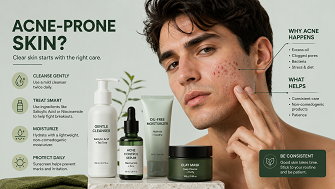
Acne-prone skin is characterized by a tendency to develop acne lesions, which can manifest in various forms, including whiteheads, blackheads, pustules, and more severe types like cystic acne and hormonal acne. Cystic acne, often found deep beneath the skin, is notably painful and can lead to significant scarring if not managed appropriately. Hormonal acne, on the other hand, typically correlates with fluctuations in hormone levels, often observed during menstrual cycles or significant life events such as pregnancy. The causes of acne-prone skin are multifaceted, with genetics playing a crucial role. Individuals with a family history of acne may be predisposed to similar skin concerns. Hormonal changes, commonly experienced during puberty, menstruation, or conditions such as polycystic ovary syndrome (PCOS), can exacerbate the production of sebum, the oil that can clog pores and lead to breakouts.
Diet is another significant factor in the development of acne-prone skin. Certain foods, particularly those high in sugars and dairy, can trigger inflammatory responses in some individuals, potentially worsening their skin condition. Stress also plays a vital role, as it can lead to an increase in cortisol levels, which may further contribute to excess sebum production.
Furthermore, the choice of skincare products is critical for individuals with acne-prone skin. Using comedogenic or excessively heavy products can clog pores and result in breakouts, underscoring the necessity for tailored skincare routines. It is advisable for individuals to select non-comedogenic products formulated to address their specific concerns, thus minimizing the potential for irritation and breakouts. Customization of skincare routines based on individual need and the type of acne is essential for achieving optimal skin health.
The Basics of a Skincare Routine
A comprehensive skincare routine is essential for maintaining healthy skin, particularly for individuals who are susceptible to acne. Understanding the essential components can help in developing a regimen that promotes skin clarity and comfort.
The first step in any skincare routine is cleansing. A gentle cleanser removes dirt, oil, and impurities that accumulate on the skin throughout the day. For acne-prone skin, it is crucial to choose a cleanser with non-comedogenic properties, ensuring it does not block pores. Cleansing should be performed twice daily—morning and night—to prevent the buildup of excess oil that can contribute to breakouts.
Next is exfoliation, a vital step that helps remove dead skin cells and promotes cell turnover. For those with acne-prone skin, chemical exfoliators containing ingredients such as salicylic acid or glycolic acid are often recommended. These acids not only slough away dead skin but also penetrate the pores, helping to prevent acne by reducing clogged pores. However, it is important to exfoliate only 1-2 times per week to prevent irritation.
Toning follows exfoliation and serves to restore the skin’s pH balance while preparing it for moisture absorption. Toners designed for acne-prone skin often feature astringent ingredients such as witch hazel or tea tree oil, which can help tighten pores and reduce inflammation.
Moisturizing is a critical component, even for those with oily skin. A lightweight, oil-free moisturizer can hydrate without adding excess oil, keeping the skin barrier intact and preventing overproduction of sebum, which can lead to acne flare-ups.
Finally, sunscreen is indispensable. Daily application of a broad-spectrum SPF of at least 30 protects the skin from harmful UV rays, which can exacerbate acne and lead to scarring. Sunscreen should be reapplied throughout the day, especially if spending prolonged periods outdoors. Together, these steps create a basic structure for effective skincare aimed at controlling acne-prone skin.
Key Ingredients to Look For
When developing a skincare routine for acne-prone skin, incorporating products with specific active ingredients can significantly enhance your skin’s health and clarity. Among the most effective ingredients are salicylic acid, benzoyl peroxide, retinoids, and alpha-hydroxy acids (AHAs). These components work synergistically to combat acne, reduce inflammation, and facilitate skin healing.
Salicylic acid, a beta-hydroxy acid, penetrates deep into the pores. It exfoliates the skin, helping to remove dead skin cells and excess oil, which can clog pores and lead to breakouts. Its anti-inflammatory properties also help reduce the redness and swelling associated with acne. Popular products that contain salicylic acid include cleansers, spot treatments, and toners.
Benzoyl peroxide is another widely recognized ingredient effective against acne. It works by killing the bacteria that cause acne and by drying up excess sebum, thus preventing future acne formation. It is important to start with lower concentrations to minimize potential irritation. Products with benzoyl peroxide are often available in creams, gels, and foams.
Retinoids, derivatives of vitamin A, are invaluable for those with acne-prone skin. They promote cell turnover, which helps to unclog pores, while minimizing the appearance of fine lines and hyperpigmentation. Although retinoids can be potent, leading to initial dryness or irritation, their long-term benefits for acne treatment and overall skin texture are widely recognized. Look for retinoid creams and serums available over-the-counter or through prescription.
Alpha-hydroxy acids (AHAs), like glycolic acid, serve as effective exfoliants that not only brighten skin but also help to diminish the appearance of acne scars. By promoting surface skin cell turnover, AHAs assist in revealing fresher skin underneath. They can be found in many formulations, including peels, cleansers, and moisturizers.
Incorporating these ingredients into your skincare regimen can yield positive results for acne management and skin health. Carefully consider the formulations you choose and monitor your skin’s response to adapt your routine for optimal benefits.
The Importance of Gentle Cleansing
For individuals with acne-prone skin, establishing an appropriate skincare routine is essential, and gentle cleansing is a crucial first step. The primary goal of a cleanser should be to remove dirt, excess oil, and impurities without stripping the skin of its natural moisture. Harsh cleansers can exacerbate existing acne conditions by irritating the skin, leading to increased oil production and further breakouts. Therefore, choosing the right type of cleanser is vital for maintaining skin health.
Various cleansers are specially formulated for acne-prone skin, including foaming, gel-based, and cream cleansers. Foaming cleansers can be effective for those with oily skin as they provide a deep clean while helping to remove excess sebum. However, they should be used sparingly, as overuse can lead to dryness. Gel-based cleansers are another suitable option, particularly for those who prefer a lightweight texture. These formulas cleanse effectively without feeling heavy, making them ideal for daily use.
Cream cleansers are particularly beneficial for those with sensitive or dry acne-prone skin. They tend to be more nourishing and are less likely to irritate sensitive areas, making them an excellent choice for maintaining hydration levels throughout the cleansing process. When incorporating a cleanser into your routine, it is recommended to cleanse twice daily: once in the morning and once before bed. Use lukewarm water, as hot water can strip the skin of natural oils and exacerbate dryness.
Moreover, employing the right technique is equally important. Use gentle circular motions to apply the cleanser, allowing it to break down impurities, and rinse thoroughly to ensure no residue is left behind. This simple yet effective approach helps create a strong foundation for further skincare treatments, promoting clear, healthy skin.
Exfoliation: Finding the Right Balance
Exfoliation is a crucial step in a skincare routine for individuals with acne-prone skin, as it aids in the removal of dead skin cells, unclogs pores, and enhances overall skin texture. However, it is essential to find the right balance to ensure that the skin is not over-exfoliated, which can exacerbate acne and lead to irritation.
There are two main types of exfoliants: physical and chemical. Physical exfoliants involve the use of granules or scrubs that manually slough off dead skin. These products can be effective, but they may also cause microtears in the skin if used too aggressively. On the other hand, chemical exfoliants include ingredients like alpha hydroxy acids (AHAs) and beta hydroxy acids (BHAs), which dissolve dead skin cells and debris more gently than their physical counterparts. BHAs, such as salicylic acid, are particularly beneficial for those with acne-prone skin because they penetrate into the pores, helping to dissolve sebum and prevent breakouts.
For optimal results, it is recommended to exfoliate one to three times a week, depending on the skin’s sensitivity and the type of exfoliant chosen. Over-exfoliating can strip the skin of its natural oils, triggering an increase in oil production and potentially leading to more blemishes. Therefore, observing how the skin reacts to exfoliation is key. If irritation occurs—such as redness, peeling, or increased breakouts—reducing the frequency of exfoliation is advisable.
When selecting exfoliating products, look for gentle formulations that are non-comedogenic and free from harsh additives. For physical exfoliants, choose those with fine granules that do not feel scratchy on the skin. For chemical exfoliation, starting with a lower concentration and gradually building up can help minimize irritation while still benefiting from improved skin clarity and texture.
Moisturizing for Acne-Prone Skin
Many individuals who experience acne-prone skin are under the impression that moisturizing should be avoided, particularly if the skin is oily. This notion stems from a misunderstanding about the role of hydration and the misconception that moisturizers may exacerbate breakouts. In reality, all skin types, including oily and acne-prone skin, require adequate moisture. The key lies in selecting the right type of moisturizer that complements the skin’s needs without clogging pores.
When choosing a moisturizer for acne-prone skin, it is essential to opt for products labeled as non-comedogenic. These formulations are designed to hydrate the skin without blocking pores, reducing the risk of acne flare-ups. Lightweight and gel-based moisturizers are particularly effective, as they provide sufficient hydration while feeling light on the skin. Such products typically contain ingredients like hyaluronic acid, glycerin, or aloe vera, which draw moisture without adding excess oil.
Oily moisturizers, which contain heavy cream or oil components, may exacerbate acne issues by encouraging additional oil production. Instead, individuals with acne-prone skin should seek out oil-free options. These formulations deliver necessary hydration without the greasy feel that may contribute to breakouts. Moreover, using moisturizers consistently can help maintain the skin’s barrier, preventing excessive dryness which can lead to increased oiliness as the skin compensates for lack of moisture.
In summary, moisturizing is an important step in a skincare routine designed for acne-prone skin. The focus should be on selecting non-comedogenic, lightweight, and oil-free moisturizers that promote hydration without aggravating breakouts. This balance is crucial for supporting skin health and managing acne effectively.
Sunscreen: Essential Protection
Daily sunscreen application is crucial for everyone, but it holds particular significance for individuals with acne-prone skin. Many acne treatments, such as retinoids and certain topical medications, can heighten skin sensitivity to sunlight. This increased sensitivity can lead to conditions such as sunburn or hyperpigmentation, which may exacerbate existing skin issues and hinder the healing process of acne lesions. Therefore, integrating a reliable sunscreen into a skincare routine is non-negotiable for these individuals.
When selecting a sunscreen suitable for acne-prone skin, the focus should be on non-comedogenic products. Non-comedogenic sunblocks are formulated to prevent pore clogging, which can trigger acne flare-ups. Look for options that are oil-free and contain ingredients like zinc oxide or titanium dioxide, as these not only offer effective UV protection but are also gentle on acne-prone skin. Mineral sunscreens are often recommended due to their physical barrier properties, providing immediate protection against UV radiation without irritating the skin.
Incorporating sunscreen into a skincare routine can be seamlessly achieved by adopting a few practical tips. It is advisable to apply sunscreen as the last step of your morning skincare regimen after moisturizing. A broad-spectrum sunscreen with an SPF of at least 30 is recommended, and it should be reapplied every two hours, especially if you are engaging in outdoor activities. Additionally, using makeup products that contain SPF can enhance sun protection while allowing for a more polished look.
In conclusion, safeguarding acne-prone skin from harmful UV rays through diligent sunscreen application is a vital component for maintaining skin health and supporting overall treatment efforts. By selecting the right sunscreen and applying it consistently, individuals can protect their skin while actively addressing acne concerns.
Lifestyle Changes for Clearer Skin
When addressing acne-prone skin, the importance of lifestyle changes cannot be overstated. A holistic approach that encompasses diet, hydration, stress management, and sleep hygiene can significantly improve skin health. Firstly, the role of diet in maintaining clear skin is profound. A nutrition-rich diet, rich in antioxidants, vitamins, and minerals, can aid in skin health. Foods high in omega-3 fatty acids, such as fish, nuts, and seeds, have anti-inflammatory properties that can reduce acne. Additionally, limiting refined sugars and dairy products may help prevent acne flare-ups, as these can promote excess oil production and inflammation.
Hydration is another crucial factor. Drinking ample water throughout the day helps to flush out toxins and keep skin hydrated. Skin that is adequately hydrated tends to be less oily and more balanced. Aim for at least eight glasses of water daily to help maintain skin elasticity and overall health.
Stress management is equally important in the fight against acne. High-stress levels can trigger hormonal imbalances, leading to increased oil production and breakouts. Incorporating stress reduction techniques such as meditation, yoga, or simple breathing exercises can create a calmer mind and, subsequently, clearer skin.
Lastly, sleep hygiene plays a critical role in skin health. Quality sleep allows for the body’s regenerative processes to take place, which includes repairing and replenishing skin cells. Adopt a regular sleep schedule and create a relaxing bedtime routine to ensure adequate rest and skin renewal.
Incorporating these lifestyle changes can complement an effective skincare routine, providing a comprehensive approach to achieving clearer skin for those with acne-prone conditions.
When to Seek Professional Help
Acne is a common skin condition that can significantly impact an individual’s self-esteem and overall quality of life. While numerous over-the-counter treatments and home remedies exist for managing acne, there are specific instances where seeking professional help becomes essential. If you experience persistent and severe acne that fails to respond to conventional treatments, it is advisable to consult a professional.
One of the main signs that professional intervention is necessary is the presence of nodular or cystic acne, which typically results in painful, inflamed lumps under the skin. Additionally, if acne lesions are causing scarring or hyperpigmentation, seeking help is important to prevent long-term skin damage. Moreover, if the emotional toll of acne begins to affect daily activities and mental health, this is another crucial indicator that professional assessment might be necessary.
When it comes to addressing such concerns, dermatologists are highly qualified to evaluate and treat acne. They can provide customized treatment plans that may involve prescription medications, including topical retinoids, antibiotics, or hormonal therapies, depending on the underlying causes and severity of the condition. Furthermore, advanced therapies such as chemical peels, laser treatments, or light therapy may also be recommended, particularly for individuals who have not found relief through traditional methods.
In addition to dermatologists, estheticians are professionals who can offer valuable support in managing acne-prone skin. They often provide deep cleansing facials and skin assessments that focus on the specific needs of acne-prone individuals. Collaboratively, these professionals can facilitate a more effective management strategy, leading to clearer skin and improved overall health.