

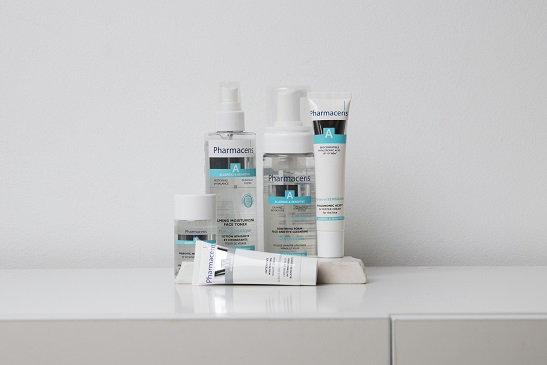
Sensitive skin care is a common condition that can significantly affect daily life and skincare choices. This skin type is characterized by its tendency to react adversely to various stimuli, which can include environmental factors, skincare products, and even emotional stress. Unlike normal skin, sensitive skin often exhibits heightened reactivity, which may manifest as redness, itching, burning, or dryness. Individuals with sensitive skin might also notice that their skin feels more fragile and is prone to irritations. These characteristics distinguish sensitive skin from other skin types, such as oily or combination skin, which may not experience the same level of sensitivity. The factors contributing to sensitive skin can vary widely. For some, genetic predisposition plays a significant role, meaning they are more likely to inherit this sensitivity from their family.
Environmental triggers can also lead to the exacerbation of sensitive skin, including temperature fluctuations, pollution, and sun exposure. For those dealing with specific skin conditions, such as eczema or rosacea, sensitivity can be even more pronounced. These conditions can trigger inflammation and discomfort, further complicating the skincare routine.
Understanding the nuances of sensitive skin is vital for beginners looking to establish an effective skincare regimen. By recognizing their skin type and its characteristics, individuals can create a tailored approach that minimizes reactions and promotes overall skin health. This foundational knowledge empowers users to make informed decisions about the products they choose and the practices they implement in their daily skincare routine.
Identifying Your Skin Type
Determining your skin type is a pivotal step in establishing an effective skincare routine, particularly for individuals with sensitive skin. Sensitive skin can manifest in various ways, including redness, irritation, dryness, or burning sensations. Understanding the signs and characteristics of this skin type is essential for providing the appropriate care it demands.
A simple way to assess your skin type at home is through the “bare-skinned” test. Begin by thoroughly cleansing your face to remove any makeup, dirt, or product residues. Allow your skin to rest without applying any products for at least an hour. After this period, observe how your skin behaves. If you notice tightness, flakiness, or visible redness, you are likely dealing with sensitive skin.
Additionally, be attentive to your skin’s reactions to different products. If you find that a moisturizer, cleanser, or treatment leads to irritation or discomfort, this may signal that your skin is sensitive. It is crucial to track these reactions over time, as they can vary depending on seasons, environmental factors, and hormonal changes.
Moreover, it is important to differentiate between temporary sensitivity and chronic sensitive skin. Temporary sensitivity could arise from exposure to harsh weather, new products, or stress, while chronic sensitive skin is often a more enduring condition that requires a tailored and gentle skincare approach. By recognizing these differences, individuals can adopt a strategy that best suits their skin’s needs.
In conclusion, identifying your skin type, particularly if you suspect sensitivity, involves observing your skin’s behavior and reactions. This awareness empowers individuals to select products that align with their unique sensitivities and promotes the overall health of their skin.
Essential Ingredients for Sensitive Skin
When it comes to caring for sensitive skin, understanding the right ingredients to look for is crucial. Sensitive skin often reacts to irritants, so selecting products that contain gentle and soothing components is essential. One of the top recommended ingredients is aloe vera. Known for its healing properties, aloe vera provides moisture and relief from irritation while calming redness and inflammation. This makes it an ideal choice for those with sensitive skin.
Calendula is another beneficial ingredient, renowned for its anti-inflammatory and skin-soothing properties. Extracted from marigold flowers, calendula helps reduce puffiness and supports the skin’s natural healing process, making it a favorite in formulations designed for sensitive skin types.
This soothing approach extends to chamomile, which has been utilized in skincare for its calming effects. Chamomile is known to ease irritation and provide a soothing sensation, making it suitable for various skin conditions, including eczema and rosacea. Furthermore, the incorporation of hyaluronic acid can be tremendously beneficial. This ingredient is a powerhouse for hydration, capable of holding moisture in the skin, thereby enhancing skin texture without causing irritation.
While including beneficial ingredients is essential, it is equally important to be aware of components to avoid. Products that contain strong fragrances or harsh alcohols can worsen sensitivity and lead to adverse reactions. Similarly, certain preservatives may trigger skin sensitivity issues. Therefore, always opt for fragrance-free and alcohol-free options whenever possible.
Building a Basic Skincare Routine
Creating a suitable skincare routine for sensitive skin requires careful selection of products and a focus on gentleness. A basic regimen typically comprises four essential steps: cleansing, toning, moisturizing, and sun protection. In this section, we will outline each step to help beginners establish an effective skincare routine.
Step 1: Cleansing
Cleansing is crucial for removing impurities, makeup, and excess oil from the skin. Individuals with sensitive skin should opt for mild, fragrance-free cleansers that do not strip the skin of its natural oils. Look for products containing soothing ingredients such as aloe vera or chamomile to help calm irritation. It is advisable to cleanse twice a day—once in the morning and once in the evening.
Step 2: Toning
After cleansing, applying a toner can help restore the skin’s pH balance. For sensitive skin, choose alcohol-free toners that contain hydrating ingredients like hyaluronic acid or rose water. These ingredients can provide an extra layer of moisture and enhance the effectiveness of subsequent products.
Step 3: Moisturizing
Moisturization is vital for maintaining skin barrier function, especially for those with sensitive skin. Select a gentle, hypoallergenic moisturizer free from potential irritants. Creams with ingredients like ceramides, shea butter, and glycerin can help retain moisture and soothe discomfort, leading to a comfortable feel throughout the day.
Step 4: Sun Protection
Daily sun protection is crucial in any skincare routine, regardless of skin sensitivity. For sensitive skin, broad-spectrum sunscreens with mineral-based active ingredients like zinc oxide or titanium dioxide are recommended. These formulas tend to be less irritating than chemical sunscreens. Apply sunscreen every morning, and reapply as necessary, especially if spending prolonged time outdoors.
Before incorporating new products into the routine, it is essential to conduct patch testing. Apply a small amount of product to a discreet skin area to check for adverse reactions. This practice, along with layering products wisely, can significantly reduce the risk of irritation and ensure a positive skincare experience.
Choosing the Right Products
Selecting appropriate skincare products is crucial for individuals with sensitive skin, as their skin often reacts adversely to various ingredients. To begin with, reading the labels of skin care products is fundamental. Look for formulations that are specifically marked as ‘hypoallergenic’ or ‘dermatologist-tested’, as these labels indicate that the products have been designed with more sensitive skin types in mind. Ingredients that are known to cause irritation should be avoided; these include fragrances, alcohols, and certain preservatives.
When selecting cleansers, opt for those that are gentle and non-foaming, as they tend to be less irritating. Cream-based cleansers or micellar waters are excellent choices, as they cleanse without stripping the skin of natural oils. Moisturizers should also be carefully chosen; look for creams that contain soothing ingredients such as aloe vera, chamomile, or hyaluronic acid, which can help to calm the skin while also providing hydration.
Sunscreen is undeniably important, but it is equally vital to choose one that caters to sensitive skin. Look for mineral-based formulas containing zinc oxide or titanium dioxide, as these are physical blockers that are less likely to irritate the skin compared to chemical sunscreens. Moreover, ensure that the sunscreen is labeled as ‘fragrance-free’ and non-comedogenic to avoid any potential flare-ups.
Several brands have established a strong reputation for producing products suitable for sensitive skin. Notable names include Cetaphil, La Roche-Posay, and Aveeno, all of which offer a range of effective skin care options designed to minimize irritation and provide soothing benefits. By being mindful and selective about the products you choose, you can establish a skincare routine that maintains skin health and comfort.
Lifestyle Tips for Managing Sensitive Skin
Managing sensitive skin effectively extends beyond the application of skincare products; it encompasses a holistic approach that includes adopting beneficial lifestyle habits. Proper dietary choices can significantly influence the skin’s resilience. Incorporating fresh fruits, vegetables, and whole grains into your meals provides essential vitamins and minerals that promote healthy skin. Foods rich in omega-3 fatty acids, such as fish, walnuts, and flaxseeds, can contribute to reducing inflammation, a key issue for individuals with sensitive skin.
Hydration plays a crucial role in maintaining skin health. Drinking sufficient water helps keep the skin moisturized and supports its barrier function. Aim for at least eight glasses of water daily, and consider herbal teas that can also be soothing. Additionally, reducing the intake of caffeine and alcohol can be beneficial, as these substances may lead to dehydration and exacerbate skin sensitivity.
Environmental factors significantly influence sensitive skin. Protecting your skin from ultraviolet (UV) rays by using sunscreen every day is essential, even on overcast days. Opt for broad-spectrum sunscreens that are gentle on the skin. Furthermore, shielding the skin from pollution—whether by using protective clothing or topical antioxidants—can help mitigate potential irritants that contribute to sensitivity.
Stress management cannot be overlooked when discussing sensitive skin care. Chronic stress has a direct impact on the body’s ability to function optimally, including skin health. Techniques such as mindfulness, yoga, and regular physical activity can be beneficial in reducing stress levels. Allocating time for relaxation and self-care routines should be prioritized, as a balanced lifestyle is integral to fostering healthy skin.
Common Mistakes to Avoid
When establishing a skincare routine, individuals with sensitive skin often encounter numerous pitfalls that can exacerbate their condition. One of the most prevalent mistakes is over-exfoliating. Sensitive skin typically has a weakened barrier function, making it more susceptible to irritation. Exfoliating too frequently or using harsh exfoliants can strip away necessary oils from the skin, leading to increased redness and sensitivity. It is crucial for beginners to limit exfoliation to once or twice a week and to choose gentle products specifically formulated for sensitive skin.
Another common misconception is that using multiple products at once can yield faster results. While it may seem beneficial to layer various serums and treatments, this approach can overwhelm sensitive skin. The cumulative effects of multiple active ingredients can lead to irritation, breakouts, and an unbalanced skin barrier. It is advisable to introduce one product at a time, allowing the skin to acclimate to each new addition before trying another.
Moreover, the haste in trying new products without testing their compatibility with sensitive skin can lead to adverse reactions. Beginners should always conduct a patch test before incorporating new skincare items into their routine. This simple step can help identify potential irritants before they negatively affect the entire face. Additionally, it is important to be mindful of the ingredient lists, avoiding known allergens and irritants like fragrances and alcohol.
Finally, neglecting the protection and hydration of sensitive skin can result in complications. Skipping moisturizers or sunscreens can leave the skin vulnerable to external stressors that can aggravate sensitivity. To avoid these common mistakes, beginners must develop a well-thought-out skincare routine, focusing on gentle and hydrating products designed specifically for addressing the needs of sensitive skin.
When to Seek Professional Help
Understanding when to consult a dermatologist or skincare professional is crucial, particularly for those with sensitive skin who may experience a variety of reactions and concerns. The primary reason for seeking professional help is the presence of persistent or severe symptoms that do not improve with over-the-counter treatments or at-home care. If you notice persistent redness, itching, or burning sensations that last for more than a few days, it is advisable to seek expert advice.
Furthermore, individuals should be alert to any sudden changes in their skin’s condition. If you observe unusual rashes, scaling, or new growths, it is essential to consult a healthcare professional for a thorough examination. Such changes can sometimes indicate underlying conditions such as eczema, psoriasis, or even skin infections, which require specific treatments. Likewise, if your skin reacts adversely, such as severe irritation or swelling, after using a new product, discontinuing use and consulting a dermatologist is advisable.
Another important factor to consider is the presence of symptoms associated with allergies or sensitivities. If you find that certain products consistently lead to adverse reactions or if you have difficulty identifying what triggers your skin issues, a professional can assist in diagnosing potential allergies or sensitivities through patch testing.
In summary, proactive steps towards your skin health may involve recognizing when self-care strategies are insufficient. Schedule an appointment with a skincare professional if you encounter any troubling symptoms, allowing for an accurate diagnosis and appropriate treatment options tailored to your specific needs.
Conclusion and Encouragement
In navigating the complexities of sensitive skin care, it is essential for beginners to recognize that patience and perseverance play vital roles. Throughout this guide, we have emphasized the importance of understanding your unique skin type and identifying the triggers that can exacerbate sensitivities. The skincare journey is one of self-discovery, where experimentation with various products and routines may lead to finding the perfect balance for your skin.
The key takeaways from this guide include: the significance of selecting gentle, hypoallergenic formulations, the need for a consistent and simple skincare routine, and the value of patch testing new products to avoid adverse reactions. Sensitive skin is inherently reactive, which makes being mindful of ingredient lists and product formulations paramount. As you experiment with different options, document your products and how your skin reacts over time. This practice can aid you in pinpointing what works best for you.
Importantly, cultivate a positive mindset throughout this journey. It is natural to encounter setbacks, particularly when introducing new products or adjusting your skincare regimen. Remember that healthy skin is often a result of consistent care and attention, rather than a one-size-fits-all solution. You are not alone in this endeavor; many others with sensitive skin have traversed similar paths and have emerged with a personalized routine that works for them.
Ultimately, feel empowered as you embark on this quest for healthy, radiant skin. Each step forward brings you closer to understanding your skin’s needs, and the journey itself can be as rewarding as the end result. Your commitment to caring for your sensitive skin will surely yield the benefits you seek in due time.