

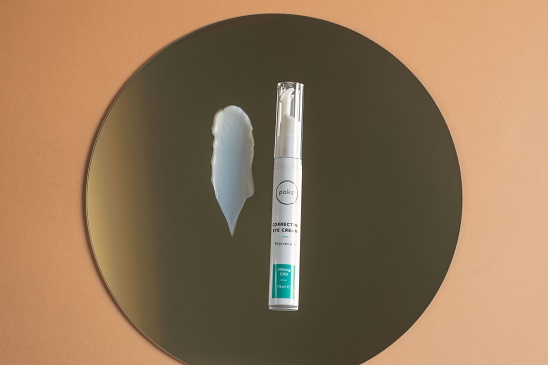
Eye creams are specialized skincare products designed to address the unique needs of the delicate skin around the eyes. This area, often referred to as the periorbital region, is significantly thinner and more sensitive compared to the skin on the rest of the face. Due to its structure, this region is particularly prone to early signs of aging, such as fine lines, dark circles, and puffiness. Consequently, effective eye creams are formulated to target these specific concerns, offering tailored solutions that general facial moisturizers may not provide. The primary purpose of an eye cream is to deliver intense hydration and essential nutrients directly to the skin around the eyes. These products often contain a blend of active ingredients, such as peptides, antioxidants, and hyaluronic acid, all geared towards improving skin elasticity, reducing inflammation, and promoting a brighter appearance. Unlike regular facial moisturizers, which are designed to hydrate and protect a larger area, eye creams focus on addressing the particular vulnerabilities and requirements of the skin surrounding the eyes.
Regular facial moisturizers may contain heavier oils and occlusive agents that can potentially irritate the sensitive eye area. In contrast, eye creams are generally formulated with lighter textures and are free from certain harsh additives, making them more suitable for use around the eyes. This distinction is crucial, as using an inappropriate product in this sensitive area can lead to undesirable effects such as irritation, milia (small white bumps), or allergic reactions. Therefore, for individuals seeking solutions for puffiness, dark circles, or fine lines, incorporating a dedicated eye cream into their skincare regimen is often recommended.
The Anatomy of the Skin Around the Eyes
The skin surrounding the eyes, often referred to as periorbital skin, exhibits distinct anatomical characteristics that set it apart from the rest of the facial skin. Primarily, this area is noted for its remarkable thinness; the epidermis can measure as little as 0.5 millimeters in thickness, which is approximately four to five times thinner than that of other facial regions. This thinness makes the periorbital area particularly susceptible to various external and internal stress factors.
In addition to its delicate structure, the skin around the eyes is characterized by a higher density of blood vessels and a lower concentration of oil glands. This unique combination contributes to its enhanced sensitivity and susceptibility to dryness. As the skin lacks sufficient oil production, it can easily become dehydrated, leading to the appearance of fine lines and wrinkles. Such characteristics underline the importance of targeted skincare solutions, and this is where eye creams come into play.
The periorbital area is also prone to common concerns such as dark circles, puffiness, and crow’s feet, all of which can be exacerbated by factors like aging, lack of sleep, and environmental stressors. The delicate nature of this skin means that it requires a tailored approach to care, making eye creams valuable additions to skincare routines. These products often contain specific ingredients designed to tackle issues inherent to this sensitive area, such as peptides for firmness, hyaluronic acid for hydration, and caffeine to reduce puffiness.
Understanding the anatomy of the skin around the eyes not only highlights its vulnerabilities but also provides insight into why many individuals include eye creams in their skincare regimen to promote healthier, more youthful-looking skin.
Common Eye Concerns Addressed by Eye Creams
The delicate skin around the eyes is susceptible to various concerns, notably dark circles, puffiness, crow’s feet, and dehydration. These issues can arise from a multitude of factors, including genetics, sleep deprivation, environmental stressors, and the natural aging process. As such, eye creams are specifically formulated to target these concerns effectively.
Dark circles under the eyes can create an impression of fatigue and age. Eye creams often include brightening agents like vitamin C or niacinamide that help to reduce the appearance of pigmentation and improve skin luminosity. These ingredients work by inhibiting melanin production and enhancing skin radiance, thereby minimizing the darkness characteristic of this condition.
Puffiness is another common issue associated with the eye area, primarily caused by fluid retention or inflammation. Ingredients such as caffeine are frequently utilized in eye creams due to their vasoconstrictive properties, which help to tighten blood vessels and reduce swelling. Other compounds like peptides and herbal extracts can also support skin elasticity and help in reducing the appearance of puffiness.
Crow’s feet, which are fine lines that appear at the outer corners of the eyes, are a concern for many as they contribute to the overall signs of aging. Eye creams addressing these lines often contain retinol or hyaluronic acid. Retinol promotes skin cell turnover while hyaluronic acid provides necessary moisture, plumping up the skin and minimizing the visibility of lines.
Finally, dehydration around the eye area can lead to a dull and tired appearance. Eye creams rich in moisturizing agents such as glycerin and botanical oils can restore hydration levels, ensuring that the skin remains supple and elastic. By focusing on these active ingredients, eye creams help tackle diverse concerns related to the eyes and maintain a youthful look.
Ingredients in Eye Creams: What to Look For
When choosing an eye cream, it is imperative to consider the ingredients that contribute to its effectiveness. Various key components are known for their beneficial properties tailored specifically for the delicate skin around the eyes. Among these, peptides are vital, as they play an essential role in stimulating collagen production, which can help to decrease the appearance of fine lines and wrinkles. Peptides are renowned for their ability to enhance skin firmness and elasticity, making them a fundamental ingredient in many effective eye creams.
Another prominent ingredient is hyaluronic acid, a powerful humectant that draws moisture into the skin. This ingredient helps combat dryness and provides a plumper appearance, thus reducing the visibility of dark circles and puffiness. The hydrating effects of hyaluronic acid make it particularly valuable for individuals seeking to revitalize the eye area.
Caffeine is another noteworthy ingredient that many eye creams incorporate. Known for its vasoconstrictive properties, caffeine can help diminish puffiness and inflammation by improving circulation in the area. Its ability to reduce swelling makes it a popular choice for those facing morning under-eye bags or signs of fatigue.
Retinol, a derivative of vitamin A, is crucial for promoting cell turnover and increasing collagen production. Although it can be potent, it is essential to use it judiciously in eye creams to avoid irritation, especially given the sensitivity of the skin around the eyes.
Lastly, antioxidants such as vitamin C and E are vital in combating free radicals and reducing oxidative stress on the skin. Their inclusion in eye creams aids in protecting the skin from environmental damage while promoting a brighter complexion. By focusing on these key ingredients, consumers can effectively address various eye-related skin issues and enhance their overall skincare routine.
Myth or Fact: Do You Really Need Eye Cream?
The necessity of eye cream within skincare routines remains a topic of considerable debate among skincare enthusiasts and professionals alike. Proponents of eye creams advocate for their targeted formulations, which are designed to address issues specific to the delicate skin surrounding the eyes. These issues include fine lines, dark circles, puffiness, and hydration deficits. According to many dermatologists, the skin around the eyes is thinner and more sensitive than the rest of the face, making it particularly vulnerable to aging and environmental stressors. This distinction suggests that specialized products might be beneficial.
On the other hand, some experts argue that a good moisturizer can suffice for most individuals, asserting that the ingredients in eye creams do not dramatically differ from those found in standard facial moisturizers. User experiences vary widely; while some report noticeable improvements in the appearance of their under-eye area when using eye cream, others claim not to see any significant difference. This discrepancy in outcomes can often be attributed to individual skin types, lifestyle factors, and specific concerns.
Scientific studies on the effectiveness of eye cream are limited, which adds another layer of complexity to this debate. A review of available literature suggests that while some key ingredients, such as caffeine and hyaluronic acid, may provide temporary benefits by reducing puffiness and boosting hydration, the long-term efficacy of dedicated eye creams remains inconclusive.
Ultimately, the decision to include an eye cream in one’s skincare regimen may come down to personal preference and skin needs. Users seeking specific solutions for eye-related concerns may find value in eye creams, while those with less pronounced issues might achieve satisfactory results with a well-formulated moisturizer. Thus, whether eye cream is essential or not is a nuanced question, influenced by various factors such as skin type, budget, and personal skincare goals.
How to Choose the Right Eye Cream for Your Needs
Selecting the right eye cream is a vital step in your skincare routine, especially considering the delicate nature of the skin around the eyes. The first step in this process involves understanding your specific skin concerns. Eye creams are formulated to address a variety of issues, such as dark circles, puffiness, dryness, and fine lines. By pinpointing your particular concern, you can focus on products that effectively target those needs.
Next, it is essential to read labels carefully. The ingredient list should be your primary guide in assessing whether an eye cream is suitable for you. Look for ingredients like hyaluronic acid for hydration, caffeine for reducing puffiness, and retinol for minimizing fine lines. Additionally, ingredients such as Vitamin C can brighten the under-eye area, while peptides can promote collagen production. Be vigilant about filling agents and avoid products with excessive fragrances or preservatives if you have sensitive skin.
Skin sensitivity is another critical factor to consider when choosing an eye cream. Everyone’s skin differs, and what works for one person may not work for another. For those prone to irritation or allergic reactions, consider selecting hypoallergenic options or those specifically labeled as suitable for sensitive skin. Patch testing the product on a small area can be an effective way to determine its compatibility with your skin.
Furthermore, consistency in application is key; however, the chosen eye cream must also fit your routine seamlessly. If you prefer more lightweight formulations, gel-based products might be ideal, whereas cream formulas are suitable for those seeking deeper hydration. Ultimately, understanding your skin type and concerns will empower you to make an informed decision when selecting the most appropriate eye cream.
Application Tips for Eye Creams
Applying eye cream correctly is essential to maximize its effectiveness and to achieve desired results. For best results, follow these steps when applying your eye cream.
First, start with clean skin. Remove any makeup and cleanse your face thoroughly. It is advisable to use a gentle facial cleanser to prevent irritation around the delicate eye area. After cleansing, pat the skin dry with a soft towel.
Next, dispense a small amount of eye cream onto your ring finger, as this finger applies the least amount of pressure. It is crucial to use only a pea-sized amount; the product should be sufficient for both eyes. This helps in ensuring that the eye cream lasts longer and minimizes potential waste.
Once you have the product, gently tap the eye cream around the orbital bone, which is the area surrounding the eye socket. Begin from the inner corner of the eye and move outward, tapping lightly. Avoid applying the cream too close to the lash line; doing so can lead to irritation, as eye cream can travel to the lower eyelid during application.
It is also advisable to follow a routine. Consistency is key—using eye cream twice a day, in the morning and evening, can enhance results. However, check the specific product instructions, as some formulations may be more effective when used just once daily.
Additionally, storing eye cream in the refrigerator can provide a cooling sensation that reduces puffiness and enhances its effectiveness. Finally, don’t forget to complement your eye cream with a suitable skincare regimen, which includes hydration and sun protection, for optimal results.
Alternatives to Eye Creams
While eye creams are widely used for their targeted benefits, there are several effective alternatives that can be considered for eye care. These alternatives include gels, patches, and natural remedies, which each offer unique properties to address common concerns such as puffiness, dark circles, and fine lines.
Eye gels, for instance, have become increasingly popular due to their lightweight and cooling properties. They are often formulated with ingredients like hyaluronic acid and caffeine, which help to hydrate the skin and temporarily reduce puffiness. The gel texture allows it to be easily absorbed, providing immediate relief for tired eyes. Many users appreciate the refreshing sensation that gels provide compared to traditional creams.
Another alternative is the use of eye patches, which have gained traction in recent years. These patches are often infused with concentrated serums and are designed to deliver intensive treatment to the under-eye area. They can effectively minimize the appearance of fine lines and dark circles, thanks to their potent ingredients such as peptides and collagen. Eye patches are particularly beneficial for a more targeted approach to eye care, and they can be a delightful part of a pampering routine.
Additionally, natural remedies can be an excellent option for those looking to avoid chemical formulations. Ingredients like aloe vera, cucumber extracts, and green tea bags are renowned for their soothing and anti-inflammatory properties. Applying cold cucumber slices, for example, can reduce swelling and provide a cooling effect. Likewise, green tea bags, when placed on the eyes, can harness antioxidants that benefit the skin and aid in reducing dark circles.
Ultimately, the choice between these alternatives to eye creams depends on individual skin types and preferences. With the variety of options available, individuals can explore these alternatives to determine which methods best suit their skincare routine and address their specific concerns.
Conclusion: Are Eye Creams Worth the Investment?
As we have explored the various benefits that eye creams can offer, it is evident that they are specially formulated to address the unique characteristics of the delicate skin surrounding the eyes. The primary advantages of using eye creams include reducing fine lines, minimizing puffiness, and diminishing dark circles. Many formulations are rich in ingredients like hyaluronic acid, peptides, and antioxidants, which aid in hydration and skin rejuvenation.
However, whether or not an individual should invest in a dedicated eye cream boils down to personal skincare needs and goals. For those who experience specific concerns targeting the under-eye area, such as pronounced dark circles or puffiness, a specialized product may yield more immediate and noticeable results compared to regular facial moisturizers. These products are designed to be lighter and more easily absorbed in comparison to other moisturizers, making them better suited for this sensitive area.
It is also worth noting that while eye creams can be beneficial, they are not a mandatory component of every skincare routine. Many individuals achieve satisfactory results through a basic skincare regimen that includes a good quality moisturizer applied delicately around the eyes. Those without particular concerns related to aging or fatigue may choose to forgo an eye cream entirely.
Ultimately, the decision to invest in an eye cream should consider factors like skin type, age, and desired outcome. A tailored approach to skincare will ensure that each individual’s routine aligns strategically with their own expectations. In conclusion, for those seeking targeted treatment for the sensitive eye area, eye creams can indeed be worth the investment if they fit comfortably within one’s broader skincare strategy.