

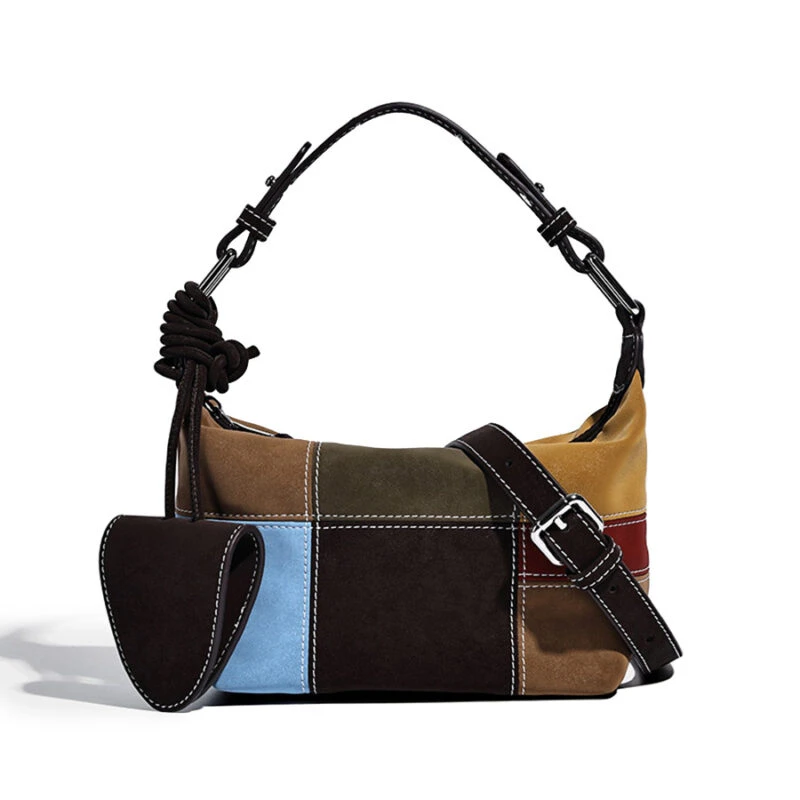
A polished outfit does not require perfectly matching accessories. The easier approach is to treat your shoes and bag as two visual anchor points. They should support the same mood, feel balanced in size and work with the colors already present in your clothes.
This method is useful because shoes and bags sit at opposite ends of an outfit. When they have something in common—color, texture, shape or level of formality—the entire look feels more intentional.
Choose which accessory will lead the outfit
Before deciding whether your shoes and bag “match,” choose which one deserves more attention.
If you are carrying a bright shoulder bag, an embellished clutch or an unusually shaped top-handle bag, let it lead. Your shoes can stay simple. Black pumps, clean loafers, understated boots or neutral sandals will support the bag without competing with it.
The same rule works in reverse. Statement heels, tall boots or bold platform shoes already create a strong focal point near the floor. Pair them with a simpler bag that has clean lines and limited hardware.
This small decision prevents a common styling problem: every accessory trying to become the main feature at once.
Match the mood instead of the exact color
Matching a black bag with black shoes is reliable, but it is not the only way to create a coordinated outfit. In many cases, matching the mood looks more modern than matching the exact shade.
A soft suede bag works naturally with relaxed loafers, ankle boots or low block heels because the pieces share an easy, tactile quality. A structured leather bag feels more at home with polished pumps, pointed flats or sleek boots. A playful mini bag can work with colorful heels even when the two pieces are different colors.
When shopping for a bag that can help define the direction of an outfit, the selection at DOKIBAGS is a practical starting point. Focus first on the bag’s shape, size and texture, then consider which shoes in your wardrobe have a similar personality.
The goal is not to create a perfect set. It is to make the accessories look as though they belong at the same event.
Use color families to create an easy connection
Instead of searching for identical colors, work within a color family.
A chocolate-brown bag can be paired with tan boots, burgundy loafers or cream heels. A cool gray bag may work with black, silver, navy or soft blue shoes. Warm white, camel and gold also sit comfortably together without looking overly coordinated.
You can also use your clothing to connect two different accessories. Imagine an outfit with dark red shoes and a black bag. A scarf, belt or printed blouse containing both colors can make the combination feel deliberate.
Metallics can function as neutrals too. Silver shoes do not require a silver bag, and gold sandals do not need a gold clutch. A black, white, navy or jewel-toned bag can give metallic footwear enough room to stand out.
Pay attention to visual weight
Color receives most of the attention when people match accessories, but visual weight often matters more.
Chunky platform loafers have a strong presence. They usually look balanced with a medium or large shoulder bag, a substantial tote or a structured crossbody. Pairing them with an extremely delicate micro bag can work, but the contrast will be noticeable.
Slim sandals, pointed pumps and light ballet flats have less visual weight. They tend to work well with smaller shoulder bags, neat top-handle bags and clutches. If you carry an oversized tote with very delicate shoes, keep the rest of the outfit relaxed so the difference feels natural.
Heel height also changes the balance. High heels lengthen the silhouette and make a small bag feel more elegant, while flat shoes often suit bags designed for everyday movement.
Let texture add interest
A good shoe-and-bag combination does not always depend on color. Texture can create the connection.
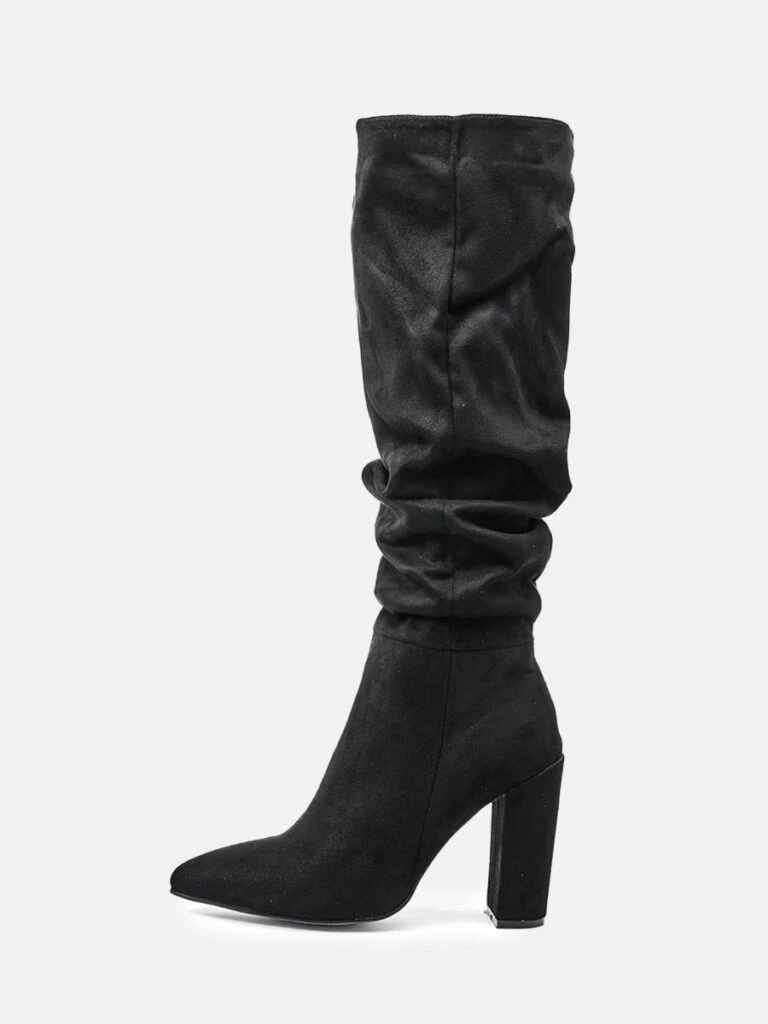
Smooth leather shoes with a smooth structured bag look clean and formal. Suede boots with a slouchy bag feel softer and more casual. Woven bags work nicely with espadrilles, sandals and other warm-weather footwear. Quilted bags can add dimension to plain pumps, loafers or boots.
Mixing textures is also effective. Patent shoes can sharpen the look of a matte leather bag, while a soft suede bag can reduce the formality of polished heels.
If both accessories have a strong texture, keep the clothing quieter. Denim, simple tailoring, solid knitwear and uncomplicated dresses give detailed accessories space to breathe.
Adjust the pairing to the occasion
The same bag-and-shoe combination will not work for every setting. Practicality still matters.
For a work outfit, start with shoes that can handle your commute and the amount of time you spend standing. Loafers, block heels, ankle boots and pointed flats can all look polished. Add a bag with enough structure to keep work essentials organized.
For a casual weekend, comfort can lead. Sneakers, flat sandals or relaxed boots work with crossbody bags, hobo bags and backpacks. The accessories do not need to look formal, but they should share a similar level of ease.
For dinner, a party or a celebration, the proportions can become smaller and sharper. This is where slim heels, decorative sandals, compact shoulder bags and clutches make sense. Anyone building the shoe side of an occasion outfit can explore ROSATINA for inspiration before choosing a bag with a compatible shape and mood.
Try these three simple outfit formulas
For an everyday look, wear straight-leg jeans with a simple knit, loafers and a medium shoulder bag. The shoes and bag can be different shades of brown, black or cream. Their practical shapes will hold the outfit together.
For work, pair tailored trousers with a tucked-in shirt, pointed flats or low heels, and a structured tote. Repeating one small detail—such as silver hardware or a deep neutral color—is enough to create a connection.
For an evening outfit, combine a simple dress with statement heels and a compact bag. If the shoes are embellished, choose a quieter bag. If the clutch is the decorative piece, keep the footwear sleek.
These formulas are flexible because they focus on proportion and mood rather than rigid matching rules.
Check the outfit from a distance
Before leaving home, look at the complete outfit rather than examining each accessory separately.
Ask whether the shoes and bag suit the same occasion. Check whether one piece is much heavier, brighter or more decorative than everything else. Make sure the colors connect to at least one part of the outfit, even if they do not match each other.
Most importantly, consider whether the accessories work for the day you actually have planned. A beautiful combination stops feeling polished when the bag cannot hold what you need or the shoes become painful after twenty minutes.
The best pairings feel connected without looking forced. Once the shoes and bag agree on the general mood, the rest of the outfit has much more freedom.