

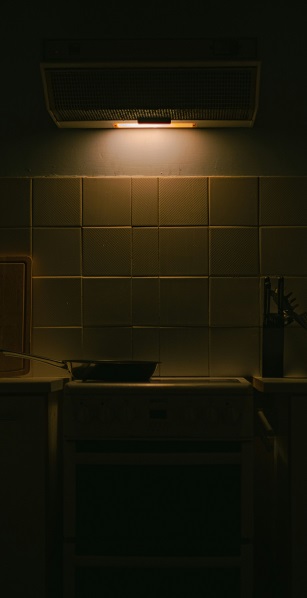
Proper kitchen lighting is vital for enhancing both the functionality and ambiance of this essential space in our homes. A well-lit kitchen not only makes cooking and meal preparations more efficient, but also creates an inviting atmosphere for dining and family gatherings. The right lighting can significantly improve visibility and safety, ensuring that every ingredient and utensil is easily seen. This is crucial in a space where precision is often required, such as when chopping vegetables or following intricate recipes.
The concept of layering light is key to achieving an ideal kitchen environment. This involves integrating three types of lighting: ambient, task, and accent. Ambient lighting serves as the primary source of light, providing overall illumination. Common examples include ceiling fixtures, pendant lights, and recessed lighting. Task lighting is employed to illuminate specific work areas where precision is necessary, such as countertops or stove tops. This can be achieved through under-cabinet lights, focused pendants, or even directional track lights. Accent lighting adds a decorative touch, illuminating architectural features, artwork, or open shelving, typically through the use of spotlights or LED strips.
Furthermore, the choice of color temperature can also influence the mood and functionality of the kitchen. Warmer lights create a cozy atmosphere, while cooler lights can enhance focus and clarity. When planning kitchen lighting, it is essential to consider not only the layout and functionality but also how various light sources can harmoniously blend to enhance the overall aesthetic. In the sections that follow, we will delve into specific kitchen lighting ideas that will inspire and inform your design choices, ensuring that your kitchen is both beautifully lit and highly functional.
Ambient Lighting: The Foundation of Kitchen Illumination
Ambient lighting serves as the primary source of illumination in a kitchen, providing overall brightness and setting the mood for the space. This type of lighting is critical, as it enhances both functionality and aesthetics, making it easier to perform tasks and creating a welcoming atmosphere. Various ambient lighting options can complement your kitchen design while ensuring optimal visibility.
Ceiling fixtures are among the most common forms of ambient lighting. These lights can range from traditional chandeliers to modern flush-mounts, making them versatile choices for any kitchen style. A well-placed ceiling fixture can distribute light evenly throughout the room, eliminating shadows and dark corners. For larger kitchens, multiple fixtures may be necessary to achieve adequate brightness.
Pendant lights are another effective ambient lighting option, particularly in spaces such as kitchen islands or breakfast bars. These fixtures add both illumination and a decorative element to the kitchen. When installed at the right height, pendant lights can create focused lighting while still contributing to the overall ambiance. Opting for dimmable pendants can further enhance flexibility in mood and functionality.
Recessed lighting, or can lights, offers a sleek and unobtrusive method for providing kitchen illumination. Typically installed in the ceiling, these lights can be strategically placed to highlight key areas, such as countertops or cooking stations. They provide a clean look, enhancing the kitchen’s architecture without overwhelming the visual space.
In conclusion, selecting the right ambient lighting is crucial for crafting a warm and functional kitchen environment. By combining ceiling fixtures, pendant lights, and recessed lighting, homeowners can create an inviting ambiance while ensuring sufficient illumination for everyday tasks. These elements work together to form a cohesive lighting plan that enhances the overall cooking experience.
Task Lighting: Illuminating Work Areas Effectively
Task lighting is a crucial aspect of kitchen design that enhances functionality by providing adequate illumination for specific activities, such as chopping, cooking, and cleaning. Proper task lighting helps to minimize shadows and improve visibility, thereby promoting safety and efficiency in meal preparation. It is essential to choose the right lighting solutions that directly illuminate work areas without creating glare or distractions.
One effective approach to task lighting is the use of under-cabinet lights. These fixtures are installed beneath upper cabinets, casting light directly onto countertops where food preparation takes place. Under-cabinet lighting not only brightens your work area but also creates a warm ambiance that makes the kitchen feel welcoming. Moreover, LED strip lights or puck lights can be customized to fit various cabinet sizes, providing versatile options to match your aesthetic preferences.
Track lighting is another excellent solution for enhancing task areas in the kitchen. This adaptable lighting system allows multiple light fixtures to be positioned along a track, directing focused beams onto different work zones. By strategically placing the fixtures, homeowners can ensure that they have sufficient light over stovetops, islands, or sinks, where clarity is paramount. Track lighting is especially advantageous as it can be adjusted easily, allowing you to change the angle of illumination based on your needs.
Additionally, focused pendant lights serve as stylish yet functional fixtures that can adorn kitchen islands or dining areas. Utilizing pendants with adjustable heights can lead to greater flexibility in achieving optimal brightness for detailed cooking tasks. The placement of these fixtures should be carefully considered, ensuring they hang at appropriate distances to avoid obstructing views while providing the necessary illumination.
In summary, integrating effective task lighting in a kitchen not only enhances visibility but also contributes to the overall aesthetic. By utilizing under-cabinet lighting, track lighting, and focused pendant fixtures, homeowners can significantly improve their cooking experience and create a well-lit, inviting space for culinary activities.
Accent Lighting: Adding Style and Drama
Accent lighting plays a critical role in transforming a kitchen’s ambiance while enhancing its overall aesthetics. This type of lighting goes beyond functionality to create a visually appealing environment. By strategically positioning accent lights, homeowners can highlight unique architectural features, display artwork, or draw attention to decorative elements within the kitchen space.
One effective method of incorporating accent lighting is through the use of LED strips. These flexible strips can be installed under cabinets, along shelves, or even around architectural elements. Not only do they provide a contemporary touch, but they also create a warm glow that highlights surfaces or objects below. For instance, LED strips can illuminate a backsplash or enhance the contours of a kitchen island, thereby adding drama and depth to the space.
Furthermore, selecting stylish light fixtures can dramatically alter the aesthetic of the kitchen. Pendant lights, wall sconces, and chandeliers can all serve as focal points that reflect personal style. Choosing fixtures that complement cabinetry or counter materials will ensure a harmonious look. For modern kitchens, sleek metallic designs or geometric shapes can introduce a chic element, while vintage fixtures can create a nostalgic feel.
Accent lighting not only defines different areas within the kitchen but also sets the mood for various activities, from casual breakfast nooks to elegant dinner settings. Ultimately, the right consideration of accent lighting can create an inviting atmosphere, making the kitchen a true centerpiece of the home. Integrating such lighting techniques greatly enhances both functionality and style, making it easier to enjoy cooking and entertaining in a well-lit environment.
Choosing the Right Light Bulbs: Brightness and Color Temperature
When it comes to selecting the right light bulbs for your kitchen, two critical factors come to the forefront: brightness and color temperature. Understanding these elements can enhance your cooking experience and increase the functionality of your kitchen. There are primarily three types of light bulbs available: LED, incandescent, and fluorescent, each with unique characteristics that cater to specific requirements.
LED bulbs are increasingly popular for their longevity and energy efficiency. They emit bright light while consuming significantly less power compared to incandescent and fluorescent options. Typically, the brightness of bulbs is measured in lumens; thus, a higher lumen count indicates greater brightness. For kitchen tasks that require precision, such as chopping vegetables or reading recipes, consider using bulbs that provide around 800 to 1,600 lumens. This lumens range ensures adequate illumination without overwhelming the eyes.
Incandescent bulbs, while known for their warm light, are less energy-efficient and have a shorter lifespan compared to LEDs. However, they can create a cozy and inviting atmosphere in the kitchen, making them suitable for ambient lighting. Fluorescent bulbs are another alternative that has been commonly used in kitchens, particularly in commercial settings due to their bright light output and energy-saving potential. Their light can sometimes appear harsh, which may not be ideal for all kitchen settings.
Additionally, the color temperature measured in Kelvins plays an essential role in the ambiance of a kitchen. Lower Kelvins (around 2700K to 3000K) produce a warm, yellow light, reminiscent of incandescent bulbs, which may foster a relaxed mood. In contrast, bulbs with higher Kelvins (3500K to 4100K) project a cooler, bluish light that is more akin to daylight, perfect for detailed cooking tasks. It is advisable to choose a balance of different temperatures to accommodate various kitchen activities, creating not just a functional space but also a welcoming environment.
Dimming Options: Customizing Your Kitchen Lighting Experience
In modern kitchen design, adjustable lighting plays a crucial role for both functionality and aesthetic appeal. Dimming options, particularly through the installation of dimmer switches, allow homeowners to adapt their kitchen lighting according to different activities and times of the day. These versatile controls enable users to create the right ambiance for cooking, dining, or even social gatherings.
One of the primary benefits of incorporating dimmable lighting in the kitchen is the ability to easily adjust brightness levels. During the day, you may prefer bright lighting for detailed tasks such as meal preparation, reading recipes, or cleaning. However, as the evening approaches, a softer glow can enhance the mood for family gatherings or intimate dinners. Dimmers provide a seamless transition between these states, promoting a comfortable atmosphere.
When considering your kitchen lighting design, there are several options for installing dimmer switches. Traditional wall-mounted dimmers are widely available and can be easily integrated into existing lighting circuits. For those looking for a more advanced solution, smart dimmer switches offer remote control capabilities and can be programmed for specific lighting scenarios. These technologies not only enhance convenience but also allow homeowners to take even greater control over their kitchen environment.
Additionally, dimming options are not limited to overhead lighting. Under-cabinet lights, pendant fixtures, and even recessed lighting can be fitted with dimmable controls, providing comprehensive customization throughout the kitchen space. It can be beneficial to work with a lighting specialist to determine which fixtures and systems best suit your needs, ensuring an optimal blend of practicality and style.
In conclusion, the integration of dimming options in kitchen lighting design is an effective way to enhance both functionality and ambiance. These adjustable solutions allow homeowners to create a tailored cooking experience suitable for various scenarios, ensuring that the kitchen remains a welcoming hub of activity at all times.
Smart Lighting Solutions: Modernizing Your Kitchen
The kitchen is often considered the heart of the home, and modernizing it with smart lighting solutions can significantly enhance its functionality and ambiance. The rise of smart lighting technology offers homeowners innovative ways to improve their cooking experience through better visibility and convenience. One of the primary advancements in this area is the introduction of smart bulbs, which allow users to control the brightness and color of their kitchen lights with just a few taps on their smartphones.
Smart bulbs can easily be integrated into existing fixtures and come with the added benefit of energy efficiency. By using LED technology, these bulbs consume less electricity compared to traditional incandescent bulbs, leading to reduced energy bills. Additionally, they can be programmed to automatically adjust their brightness based on the time of day, ensuring that your kitchen is well-lit during those early morning rush hours or late-night meal prep sessions.
Moreover, app-controlled lighting systems enable homeowners to customize their kitchen’s illumination according to their preferences. Whether it’s setting a warm, cozy glow for family dinners or bright task lighting for intricate cooking, the flexibility offered by smart lighting is unparalleled. Many smart lighting solutions can also be seamlessly integrated with home automation systems, allowing for voice control through devices like Amazon Alexa or Google Assistant. This not only enhances convenience but also optimizes kitchen usability, as users can manage their lights without having to physically reach for switches.
The customization possibilities are virtually limitless, making it possible to create different moods and atmospheres in the kitchen. With the integration of smart technology, kitchens can now reflect personal style while ensuring safety and efficiency. Investing in smart lighting solutions is not just a trend; it is a practical upgrade that transforms how we interact with one of the most utilized spaces in our homes.
Unconventional Kitchen Lighting Ideas for a Unique Look
When it comes to kitchen lighting, the traditional options often dominate the conversation. However, embracing unconventional lighting ideas can elevate the aesthetic of the space while adding a personal touch. One popular trend involves the use of vintage fixtures. Incorporating these pieces can infuse character and charm into the kitchen. Whether it’s an antique chandelier or a retro pendant light, vintage lighting can serve as a focal point while fitting seamlessly with both modern and traditional decor.
Colorful pendant lights also offer an exciting avenue for creativity in kitchen lighting. Opting for bold hues can transform an ordinary kitchen into a vibrant cooking haven. For instance, hanging a row of brightly colored pendants over an island can create visual interest while providing essential task lighting. These fixtures not only illuminate your workspace but also make a striking statement, contributing to a lively atmosphere.
Moreover, repurposed items can serve as innovative lighting sources in the kitchen. Creative individuals have turned old kitchen utensils, such as colanders or whisks, into unique light fixtures. This not only allows for a functional lighting solution but also a conversation starter that integrates personal history and creativity into the kitchen environment. Using these unconventional materials can provide a sense of authenticity and individuality, essential in creating a welcoming and inspiring cooking space.
In conclusion, exploring unconventional kitchen lighting ideas like vintage fixtures, colorful pendants, and repurposed materials can significantly influence the overall ambiance of the kitchen. Such creative choices not only enhance functionality but also allow for self-expression, transforming the kitchen into a unique blend of style and personality.
Conclusion: Bringing It All Together for Better Cooking
As we explore the numerous kitchen lighting ideas, it becomes evident that the right illumination can significantly enhance the cooking experience. From task lighting that highlights workspaces to ambient options that create a warm and inviting atmosphere, the importance of thoughtful lighting cannot be underestimated. A well-lit kitchen not only makes food preparation safer but also encourages creativity and efficiency while cooking.
Throughout this discussion, we examined various lighting solutions, including pendant lights, under-cabinet fixtures, and dimmable options, all of which can contribute to a more functional and aesthetically pleasing kitchen. The integration of these lighting types allows for flexible usage, adapting to the needs of each culinary task. Moreover, the placement and intensity of light play crucial roles in reducing shadows and ensuring a clear view of your ingredients.
We encourage readers to evaluate their current kitchen lighting setup critically. Consider whether your spaces are adequately illuminated to foster an enjoyable cooking experience. Are there areas that feel too dark or unwelcoming? By experimenting with different combinations and placements of lighting fixtures, you can not only improve visibility but make your kitchen a more welcoming place for family and friends to gather.
Simplifying kitchen tasks through effective lighting allows for a better focus on cooking, ultimately leading to improved dishes and delightful culinary adventures. Embrace the transformative power of light in your kitchen and see how it enhances not just the functionality but the joy of creating meals at home.