

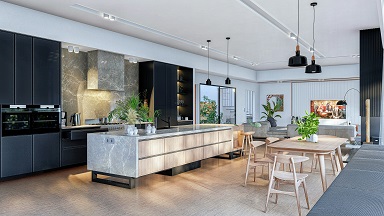
The kitchen, often referred to as the heart of the home, plays a crucial role in family life and social interaction. As we look ahead to 2026 kitchen trends, the significance of kitchen design continues to evolve, underscored by the changing ways in which we use this multifunctional space. Modern kitchen design trends reflect not only aesthetic preferences but also advancements in technology, sustainability, and functionality. Throughout the years, kitchen design has undergone significant transformations, shifting from traditional layouts to sleek, open-concept spaces that prioritize both style and efficiency. Trends are driven by various factors including lifestyle changes, technological innovations, environmental considerations, and the growing emphasis on health and wellness. As we approach 2026, it is essential to note that these trends will likely blend traditional elements with contemporary innovations, paving the way for kitchens that cater to both aesthetics and practical use.
The integration of smart technology facilitates a high level of convenience and efficiency in modern kitchens. Smart appliances, automated lighting, and sustainable materials are emerging as key components in contemporary designs, enhancing functionality while reducing environmental impact. Additionally, the focus on versatile spaces allows for a seamless transition from cooking and dining to entertaining, underlining the kitchen’s role as a central hub in the home.
As we delve into the specifics of the latest innovations, styles, and functions that define kitchen design in 2026, it is crucial to recognize the ongoing dialogue between personal preferences and the broader trends that shape our environments. Understanding these evolving dynamics will provide valuable insights for anyone looking to create a modern kitchen that resonates with both current trends and future possibilities.
Sustainable Materials and Eco-Friendly Designs
The emphasis on sustainability in modern kitchen design has steadily increased, reflecting a growing awareness of environmental issues and consumer demand for eco-friendly living. In 2026, this trend becomes more pronounced, as homeowners and designers prioritize sustainable materials and energy-efficient appliances.</p>
One of the core elements of eco-friendly kitchen design is the use of sustainable materials. Bamboo, for instance, has gained popularity for its rapid renewability and durability. It can be utilized in various applications, including cabinetry, flooring, and countertops, making it an attractive option for conscious consumers. Reclaimed wood is also a preferred choice, offering a rustic charm while preventing deforestation by repurposing existing materials.</p>
When discussing countertops, recycled materials, such as glass and quartz, are becoming increasingly common. These materials not only showcase creativity but also significantly reduce waste. Moreover, manufacturers are now offering surfaces that are free from harmful chemicals and VOCs (volatile organic compounds), ensuring healthier indoor air quality in the kitchen environment.</p>
Energy-efficient appliances stand at the forefront of sustainable kitchen design. In 2026, advancements in technology are expected to yield appliances that consume less energy while providing superior performance. Look for ENERGY STAR-rated products, as these items save both energy and water, ultimately contributing to lower utility bills. In addition, smart appliances that can be programmed to operate during off-peak hours further contribute to energy conservation.</p>
Sustainable practices also influence the design of kitchen layouts. Open-plan designs that promote natural light can reduce the need for artificial lighting during the day, thereby saving energy. Additionally, opting for water-efficient fixtures, such as low-flow faucets and dishwashers that minimize water usage, plays an integral role in creating an eco-friendly kitchen.</p>
Smart Kitchens and Technology Integration
The concept of smart kitchens has increasingly gained traction among modern home designs, particularly as we approach 2026. This integration of technology into kitchen design enhances convenience, efficiency, and safety for users. The kitchen, which serves as a central hub in many households, is now evolving into an advanced space equipped with Internet of Things (IoT) devices that seamlessly communicate with each other.
Innovative appliances are at the forefront of this revolution. Smart refrigerators, for instance, can analyze contents, recommend recipes based on available ingredients, and even create shopping lists. These advanced devices not only streamline meal planning but also minimize food waste, which is a significant consideration in sustainable kitchen design.
Another critical aspect of smart kitchens is the incorporation of automation systems. These systems allow for the control of various kitchen functions through smartphones or voice-activated assistants. For example, lighting, temperature, and even cooking settings can be adjusted remotely, providing users with unmatched control over their kitchen environment. As a result, busy households can prepare meals more effectively, saving both time and energy.
Additionally, safety has become an essential focus in smart kitchen design. Many modern appliances come with built-in monitoring systems that alert users to potential hazards, such as carbon monoxide levels or gas leaks. Furthermore, smart cooking devices can offer assistance with cooking times and temperatures, significantly reducing the risk of accidents. The integration of technology enhances not only the convenience of modern cooking but also addresses critical safety concerns in the kitchen.
In summary, the integration of smart technology into kitchen design reflects a significant shift toward enhanced functionality in modern households. As we look forward to 2026, the influence of IoT devices, smart appliances, and automated systems will undoubtedly shape the future of kitchen environments.
Open Concept and Multi-Functional Spaces
The trend of open concept kitchen design has become increasingly popular, reflecting a shift in how we perceive the functionality of our living spaces. Gone are the days of segregated rooms that stifle communication and social interaction among family members and guests. In modern kitchen layouts, the emphasis is placed on creating a seamless flow between the cooking, dining, and living areas, effectively merging these functions into a cohesive environment.
Multi-functional spaces are at the forefront of modern kitchen design, playing a crucial role in fostering an atmosphere conducive to both cooking and entertainment. The inclusion of an open layout allows homeowners to engage with friends and family while preparing meals, thereby elevating the culinary experience into a shared event. Central islands, for instance, serve as not only practical cooking surfaces but also as informal dining spots and gathering areas, enhancing the overall utility of the kitchen.
Moreover, the modernization of kitchens calls for the integration of smart technology and versatile furnishings, further enriching the multi-functionality of the space. Features such as adjustable lighting, built-in appliances, and accessible storage are designed to accommodate various activities and preferences, from meal preparation to socializing. Additionally, the use of movable furniture allows for easy reconfiguration of the space to suit different occasions, making it a versatile hub for dining and entertaining.
As we look toward 2026, the trend of open concept kitchen designs will likely continue to evolve, emphasizing the need for multifunctional spaces that cater to the dynamic lifestyle of today’s homeowners. The integration of design elements that facilitate interaction and adaptability will be paramount, ensuring that kitchens remain at the heart of home life.
Color Palettes and Aesthetic Choices
The kitchen design for 2026 is significantly influenced by the psychology of color and its ability to shape both mood and spatial perception. Homeowners are turning to a diverse spectrum of color palettes this year, ranging from bold, deep hues to soft, neutral tones. Each choice reflects an evolving lifestyle that seeks balance between vibrancy and tranquility.
Bold colors like deep greens, navy blues, and rich terracottas are being utilized to create focal points within the kitchen space. These vibrant choices can energize the environment, making them popular among those who enjoy a lively cooking atmosphere or intend to impress guests. Integrating such colors through accent walls, cabinetry, or decorative elements can serve as a statement of personal style. However, it is essential to strike the right balance; too much intensity might overwhelm, drawing attention away from functionality and comfort.
Conversely, softer pastel shades and earthy tones continue to gain traction, offering a calming effect that promotes relaxation and creativity. Colors such as soft whites, muted beiges, and light blues can visually expand smaller kitchen spaces, making them feel more open and inviting. These muted palettes can serve as a perfect backdrop to highlight more vivid accessories or artwork, allowing for a dynamic yet harmonious aesthetic.
In 2026, the integration of dual color schemes is also becoming commonplace. The juxtaposition of bold and neutral tones can create an inviting yet stimulating atmosphere suitable for personal and social gatherings. Homeowners are encouraged to explore the synergy between contrasting colors to cultivate a kitchen that is both functional and visually striking. By thoughtfully selecting an array of colors and finishes, one can curate a modern kitchen that not only meets aesthetic aspirations but also enhances the culinary experience.
Innovative Storage Solutions
The modern kitchen continues to evolve, emphasizing efficiency and organization through innovative storage solutions. As the heart of the home, the kitchen must balance functionality with aesthetics, and clever storage designs are at the forefront of this trend. One notable approach is vertical storage, which utilizes walls and height to free up valuable counter space. This method not only maximizes the storage capacity but also provides a visually appealing aspect by showcasing culinary tools and ingredients. Floating shelves or tall cabinetry allows homeowners to harness unused vertical space effectively.
Another significant trend is the incorporation of hidden compartments. These cleverly disguised spaces can range from pull-out drawers located behind cabinetry to secret nooks for appliances. This design strategy assists in decluttering the kitchen while maintaining a sleek and clean appearance. The use of hidden compartments enhances functionality, enabling easy access to items while ensuring they remain out of sight when not in use.
Modular shelving has also gained considerable popularity, allowing homeowners to customize their storage systems according to their needs. This flexibility enables individuals to adjust their kitchen layout over time, accommodating changes in lifestyle or preferences. Modular units can be mixed and matched to fit any kitchen size or style, making them a versatile choice for modern homeowners. Furthermore, these shelving solutions can assist in creating designated zones within the kitchen, such as cooking, prep, and storage areas, enhancing overall efficiency.
As we look towards 2026, innovative storage solutions will continue to play a pivotal role in kitchen design. Homeowners increasingly demand organization and functionality, and designers are responding with tailored storage options that fulfill contemporary needs. A thoughtful integration of vertical storage, hidden compartments, and modular shelving not only improves usability but elevates the overall kitchen experience.
The Rise of Personalization in Kitchen Designs
In recent years, personalization has emerged as a prominent trend in kitchen design, reflecting a shift towards creating spaces that are tailored not only to aesthetic preferences but also to the unique lifestyles of individual homeowners. This increasing demand for customized kitchen solutions emphasizes the importance of adapting culinary spaces to meet the varying needs of different families and individuals.
A personalized kitchen allows homeowners to thoughtfully consider their cooking habits, entertaining styles, and storage requirements. For instance, a family that enjoys cooking together may opt for a larger island for meal preparation and seating, whereas a single professional may prioritize high-tech appliances and streamlined storage solutions to enhance efficiency. By integrating functional elements that resonate with one’s daily routines, a more harmonious and enjoyable cooking experience can be achieved.
The integration of personalized features goes beyond mere functionality; it extends to the aesthetic aspects of kitchen design as well. Homeowners are now more inclined to choose materials, colors, and layouts that reflect their individual tastes and preferences. This can include everything from custom cabinetry to unique backsplash tiles that showcase personal style. Furthermore, technology plays a pivotal role in personalization, as smart home devices allow the user to customize lighting, temperature, and even appliance settings to suit specific cooking endeavors.
The rise of personalization in kitchen designs ultimately fosters a deeper connection between the homeowner and their culinary space. By emphasizing individual preferences, the kitchen becomes not just a place to prepare meals but a unique environment that embodies the homeowner’s identity and craftsmanship. As we move further into 2026, this trend is likely to continue, evolving with innovations in design and technology to create kitchens that are truly reflective of their occupants.
Emphasis on Natural Light and Ventilation
The design of modern kitchens for 2026 increasingly prioritizes the incorporation of natural light and ventilation, transforming kitchen spaces into bright and airy environments. This trend reflects a broader movement in architecture that advocates for healthier and more inviting living spaces. Innovations in design and technology now enable the creation of kitchens that not only appear more spacious but also enhance the overall cooking and dining experience.
One of the primary architectural elements driving this trend is the use of large windows. By strategically placing expansive windows, designers are able to flood kitchens with abundant natural light. This not only contributes to energy efficiency by reducing the need for artificial lighting but also enhances the aesthetic appeal of the space. Moreover, large windows can create visual connections with the outdoors, fostering a sense of tranquility and enhancing the ambiance within the kitchen.
Skylights are another significant feature in modern kitchen designs, offering an innovative solution for maximizing natural light. Positioned on the roof, skylights allow sunlight to penetrate deeper into the kitchen area, illuminating corners that might otherwise remain dark. This design element is particularly beneficial in urban environments where adjacent buildings may obstruct natural light from traditional windows.
Open layouts further augment these light-enhancing strategies. By eliminating unnecessary walls, designers create fluid spaces that encourage both air circulation and visibility throughout the kitchen. This openness not only facilitates better ventilation—crucial for maintaining air quality during cooking—but also fosters a sense of community, allowing families and friends to interact seamlessly within the home.
Ultimately, the combination of large windows, skylights, and open designs contributes to a vibrant atmosphere, underscoring the importance of natural light and ventilation in modern kitchen architecture. As homeowners continue to seek healthier living options, these features are likely to become even more prominent in future kitchen designs.
Conclusion and Future Outlook for Kitchen Designs
In reviewing the modern kitchen design trends for 2026 kitchen trends, it is evident that several key themes are shaping the future of this essential space. These trends emphasize a blend of functionality and aesthetics, focusing on sustainable materials, open-concept layouts, and technology integration. Homeowners are increasingly favoring eco-friendly solutions, which promote energy efficiency and the use of recyclable materials. The shift towards multi-functional kitchen islands and seamless transitions to dining or living areas signifies a desire for versatile spaces that accommodate both cooking and socializing.
As we look ahead beyond 2026, these trends are likely to evolve further in response to technological advancements and shifting consumer preferences. Smart kitchen technology is expected to gain even more prominence, with innovations such as voice-activated appliances, advanced cooking systems, and enhanced food preservation techniques becoming commonplace. This shift signifies not only a move towards convenience but also a growing focus on improving the overall culinary experience.
Moreover, the increasing influence of remote work may lead to kitchens being designed as multifunctional hubs where cooking, working, and socializing seamlessly intersect. In this context, the design of kitchens will likely reflect a need for more personalized spaces that cater to individual lifestyle demands. Overall, by adopting a forward-thinking approach, the modern kitchen will continue to evolve, embodying the intersection of design, functionality, and sustainability, ensuring it remains a vital heart of the home.