

Every individual has a unique hair type, which can greatly affect how it behaves, how it reacts to products, and how styling should be approached. Hair types can generally be categorized into four primary categories: straight, wavy, curly, and coily. Each type exhibits distinct characteristics that influence the most effective hair care techniques. Straight hair typically lies flat against the scalp, reflecting light to give it a natural sheen. This type can be oily due to sebum traveling easily down the hair shaft, which may require specialized shampoos to prevent greasiness. Wavy hair, on the other hand, possesses a slight curl and can range from loose bends to more defined waves. This hair type thrives on moisture to prevent frizz, and enhancing products can define the waves beautifully.
Curly hair consists of tighter curls and often appears voluminous and full. This hair type can be more prone to dryness as the natural oils struggle to reach the ends. Therefore, it benefits significantly from hydrating masks and leave-in conditioners to maintain moisture. Coily hair features even tighter curls resembling a zig-zag pattern. While coily hair is wonderfully textured, it also presents its own challenges such as shrinkage and increased fragility, making it vital to utilize products that offer nourishment and definition.
To determine your specific hair type, you can conduct a simple test by examining your dry hair structure or analyzing how your hair responds to moisture. Understanding your hair type is essential for tailoring your hair care and styling routine, ensuring that you select shampoos, conditioners, and styling products that effectively cater to its unique needs.
Essential Hair Care Products
To achieve salon-like hair at home, selecting the right hair care products tailored to your specific hair type and concerns is crucial. The first step in this process is to identify the essential products that will form the foundation of your hair care routine. These products can be categorized into several key types: shampoos, conditioners, hair masks, serums, and heat protectants.
Shampoos should be chosen based on your hair type—whether it is oily, dry, curly, or straight. For example, sulfate-free options are ideal for those with color-treated hair, as they help maintain vibrancy without stripping essential oils. On the other hand, volumizing shampoos work well for fine or limp hair, providing the necessary lift and bounce.
Conditioners complement shampoos by providing moisture and detangling benefits. A lightweight conditioner is suitable for finer hair types, while richer, creamier options benefit thicker or coarser hair types. Always apply conditioner mainly to the ends to avoid weighing down the roots.
Hair masks should be incorporated into your routine at least once a week. These intensive treatments deliver concentrated hydration and repair, making them essential for maintaining healthy locks. Look for masks containing natural oils or proteins that cater specifically to your hair’s needs.
Serums play a vital role in adding shine and controlling frizz. When applied correctly, they can leave your hair appearing sleek and polished while preventing moisture loss. It is important to choose a serum that matches your hair concerns, such as hydrating serums for dry hair or lightweight options for finer textures.
Lastly, heat protectants are indispensable for anyone using styling tools. These products create a barrier against high temperatures, thus minimizing damage. Look for sprays or creams designed for your hair type to ensure optimal protection.
In conclusion, by selecting the appropriate hair care products tailored to your individual needs, you can effectively recreate the salon experience in the comfort of your home. From shampoos to heat protectants, understanding their functions and variances will empower you to make informed decisions, ultimately leading to healthier, more beautiful hair.
DIY Styling Techniques
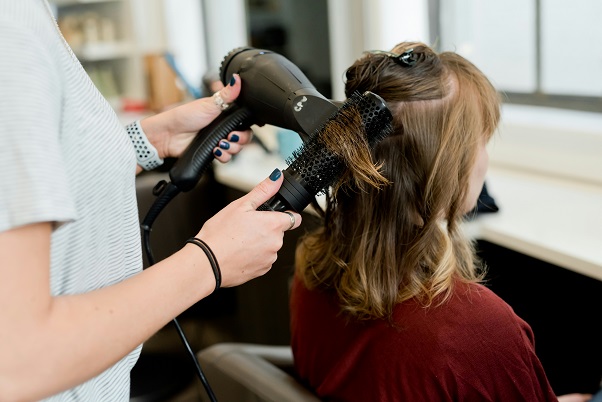
Achieving salon-like hair at home is possible through a range of DIY styling techniques that mirror professional results. One of the essential methods is blow-drying, which, when done correctly, can create volume, shine, and smoothness. Begin by applying a heat protectant spray to your damp hair. Use a round brush to lift sections at the roots while directing the blow dryer nozzle downward, sealing the cuticle for a sleek finish. For extra volume, flip your head upside down while drying.
Curling is another technique that can yield impressive results. There are various tools available, such as curling irons, wands, or even flat irons. For a classic curl, use a barrel curling iron: take a section of hair, wrap it around the barrel, hold for a few seconds, and then gently release. Consider using a hairspray to secure the curls without making them stiff. On the other hand, if you prefer softer waves, a flat iron or a tapered wand can provide a more relaxed look. Remember to alternate the direction of the curls for a more natural effect.
Straightening is equally vital for achieving that polished appearance. A quality flat iron is crucial here. To avoid damage, start with a heat protectant and ensure that your hair is completely dry. Divide your hair into manageable sections, and glide the flat iron from roots to ends slowly. For an ultimate sleek finish, consider using a serum or smoothing cream afterward.
For everyday hairstyles that offer the polished look you desire, options include a sleek ponytail secured with a soft elastic, or a messy bun with face-framing strands. Incorporating accessories like hair clips or headbands can elevate these styles effortlessly. By understanding the right techniques and tools suitable for your hair type, you can achieve salon-quality results right in the comfort of your home.
Maintenance and Care Tips for Longevity
A fundamental aspect of achieving and maintaining salon-like hair at home is effective maintenance and care. To ensure that your hair retains its shine and health, consider establishing a consistent routine tailored to your hair type. It is generally recommended to wash your hair two to three times a week. Over-washing can strip hair of its natural oils, leading to dryness and brittleness. Utilize sulfate-free shampoos and moisturizing conditioners to help preserve the hair’s natural moisture balance.
Trimming is another crucial practice, and it is advisable to get your hair trimmed every six to eight weeks. Regular trims not only help eliminate split ends but also promote healthier hair growth. When it comes to treatments, incorporating deep conditioning masks or oil treatments approximately once a week can significantly enhance moisture retention and overall hair vitality.
Moreover, reducing exposure to heat is essential for long-lasting hair health. Limit the use of hair dryers, flat irons, and curling wands, and when necessary, always apply a heat protectant. Additionally, protect your hair from environmental damage by wearing hats when exposed to harsh sunlight or pollution.
A holistic approach to hair care extends beyond external treatments and routines; diet and hydration play a vital role as well. Consuming a balanced diet rich in vitamins and minerals, such as vitamins A, C, D, and E, along with omega-3 fatty acids, can promote healthy hair. Staying well-hydrated by drinking ample water daily is equally important in maintaining your hair’s moisture levels.
In conclusion, achieving and preserving salon-like hair at home is a comprehensive process that requires dedication to maintenance and care. By implementing a consistent hair care routine, being mindful of heat exposure, and maintaining a balanced diet, you can enjoy beautiful, healthy hair all year round.