

Introduction to Summer Sun Damage
As summer fades and autumn approaches, many of us are left with a reminder of those sun-soaked days. Those long afternoons at the beach or lazy weekends by the pool can take a toll on our skin. Sun damage presents itself in various forms—dark spots, uneven texture, and fine lines—that can leave you feeling less than confident about your complexion.
The good news? You don’t have to let summer’s remnants linger any longer. Skin resurfacing treatments offer an effective way to rejuvenate your skin and restore its natural glow. Whether you’re looking to erase sunspots or smooth out rough patches, these innovative procedures can help lift away that unwanted damage and reveal healthier skin underneath.
Let’s explore what skin resurfacing is all about and how it could be the key to achieving radiant skin this fall!
What is Skin Resurfacing Treatment?
Skin resurfacing treatment is a cosmetic procedure designed to improve the texture and appearance of your skin. It works by removing damaged outer layers, revealing healthier skin beneath.
This type of treatment can be performed using various methods, including laser technology, chemical peels, and microdermabrasion. Each technique offers unique benefits tailored to specific skin concerns.
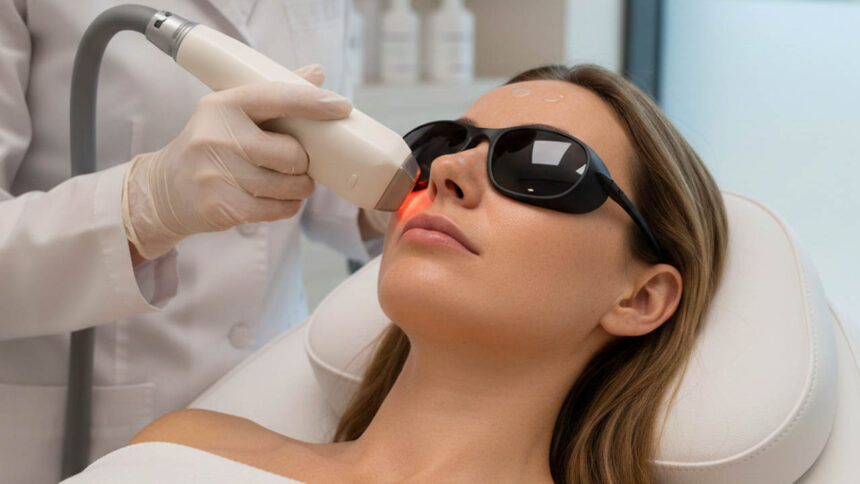
Laser resurfacing utilizes focused light beams to target deep wrinkles and sunspots. Chemical peels involve applying a solution that causes the top layer of skin to peel away gradually. Microdermabrasion uses tiny crystals to exfoliate the surface gently.
Patients often seek these treatments for issues like uneven tone, fine lines, or blemishes caused by summer sun exposure. The result? Smoother, more radiant skin ready for any season’s challenges ahead.
Different Types of Skin Resurfacing Treatments
Skin resurfacing treatments come in various forms, each tailored to specific needs and skin types. Laser resurfacing is a popular choice, utilizing focused light beams to eradicate damaged skin layers. This method can significantly improve texture and tone.
Chemical peels offer another effective option. They involve applying a solution that exfoliates the outer layers of skin, revealing fresher, healthier skin beneath. The depth of the peel varies based on treatment goals.
Microdermabrasion stands out for its non-invasive nature. This technique uses tiny crystals to gently buff away dead skin cells, promoting cell turnover without significant downtime.
For those seeking something less aggressive, dermaplaning may be ideal. It involves manually removing dead cells and peach fuzz with a specialized blade, leaving the complexion smooth and radiant.
Each option presents unique advantages depending on your individual concerns and desired results.
Benefits of Skin Resurfacing for Sun Damage
Skin resurfacing treatments offer a powerful solution for those battling the effects of summer sun damage. These procedures effectively target issues like hyperpigmentation, fine lines, and uneven skin texture.
One significant benefit is the promotion of collagen production. Enhanced collagen levels lead to firmer, more youthful-looking skin over time.
Additionally, these treatments can unveil a brighter complexion by removing dead skin cells that dull your appearance. Patients often report visible improvements after just one session.
Another advantage is the customizable nature of these treatments. Whether you need a light peel or deeper laser therapy, options are available to suit individual needs.
Moreover, enhanced product absorption follows skin resurfacing sessions. With clearer pathways created on your skin’s surface, serums and moisturizers penetrate deeply for maximum effectiveness.
Preparing for and Recovering from Skin Resurfacing Treatment
Preparing for skin resurfacing treatment involves a few essential steps to ensure the best results. Start by consulting with your dermatologist. They can assess your skin type and recommend the most suitable option.
Avoid sun exposure in the weeks leading up to your treatment. This helps minimize risks and enhances healing afterward. Skipping blood thinners, like aspirin or certain supplements, is also wise since they may increase bruising.
Post-treatment care is just as crucial. Expect some redness and peeling, similar to a mild sunburn, but that’s normal. Hydration plays a key role here; keep your skin moisturized with gentle products recommended by your dermatologist.
Sun protection becomes even more important during recovery. Use broad-spectrum sunscreen daily to shield newly treated areas from UV damage while they heal.
Listen closely to aftercare instructions for optimal recovery and stunning results on the other side of summer’s effects on your skin.
Alternative Sun Damage Treatments
For those looking to address summer sun damage without resorting to skin resurfacing, several alternative treatments can help restore your skin’s health.
Topical antioxidants like vitamin C serums can brighten the complexion and combat oxidative stress. Daily use may boost collagen production and improve overall texture.
Chemical peels offer another option. These treatments exfoliate dead skin cells while promoting cell turnover, revealing fresher layers underneath. Different strengths cater to varying levels of sun damage.
Microdermabrasion is a non-invasive procedure that gently buffs away the outer layer of dull skin. This method enhances radiance and reduces fine lines without significant downtime.
Laser therapy provides targeted treatment for specific areas of concern. Various lasers are available for different types of pigmentation or redness caused by UV exposure.
Exploring these options allows you to find what best suits your individual needs in achieving a radiant glow.
Conclusion: Achieving Healthy and Radiant Skin All Year Round
Achieving healthy and radiant skin all year round is a journey that requires care, attention, and the right treatments. Embracing skin resurfacing can significantly help in lifting away summer sun damage. By opting for the appropriate procedure tailored to your needs, you can restore your complexion and boost your confidence.
It’s important to remember that while professional treatments are effective, maintaining good skincare habits at home is equally essential. Regular use of sunscreen, moisturizing products, and gentle exfoliation will keep your skin looking fresh long after the summer fades.
Staying informed about alternative options gives you more tools to combat sun damage as well. Whether it’s through chemical peels or laser therapy, there are many avenues available for rejuvenation.
With dedication to both treatment and ongoing skincare routines, you can enjoy brightened skin that remains resilient against seasonal changes. The goal is not just recovery from past damages but nurturing a vibrant glow throughout every month of the year. Your skin deserves this commitment—embrace it!