

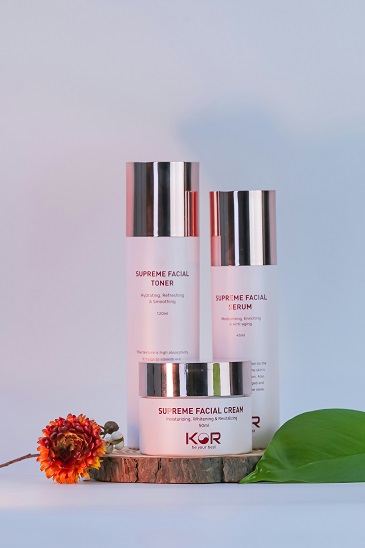
Identifying your skin type is an essential step in establishing an effective skincare routine. Understanding whether you have oily, dry, combination, or sensitive skin can significantly influence the methods you choose for layering your skincare products. Each skin type has distinct characteristics and requires specific formulations to ensure the best results. Oily skin, commonly characterized by excess sebum production, may benefit from lightweight, oil-free products that offer hydration without causing clogging of pores. It is advisable to use gel-based serums and lightweight moisturizers during product layering to maintain a balanced complexion. On the other hand, dry skin typically lacks moisture and can appear flaky or tight. Individuals with this skin type should consider layering thicker creams and oils to trap moisture and restore skin elasticity.
Combination skin presents its own unique challenges, as it exhibits characteristics of both oily and dry skin. Those with a combination skin type may choose to apply specific products to targeted areas, ensuring that all regions of the face receive adequate care. Sensitive skin, prone to irritations and reactions, requires gentle formulations that do not aggravate its delicate nature. Hypoallergenic products should be prioritized, and layering should be approached cautiously to avoid potential discomfort.
To determine your skin type, you can conduct simple tests. One effective method is the “bare-faced” test, where you cleanse your face and wait a few hours without applying any products. Afterward, observe how your skin feels: if it is shiny and slick, you may have oily skin; if it feels tight or appears dull, you likely have dry skin. Combination skin will exhibit different characteristics in different areas, while sensitive skin may feel reactive after the same period. Understanding your skin type is integral to choosing the right products and methods for layering, ultimately promoting healthier skin.
The Importance of Proper Skincare Layering
Proper skincare layering is an essential aspect of an effective skincare routine that can significantly influence the health and appearance of the skin. The order in which products are applied is crucial because it affects how well each product is absorbed and utilized by the skin. Skincare products are formulated differently, with varying textures and active ingredients that work optimally in a specific sequence. Understanding this can help you maximize the benefits of your regimen while minimizing potential irritation or ineffectiveness.
Applying products in the wrong order can lead to subpar results and even compromise the skin barrier. For instance, thick creams or oils can create a barrier that prevents lighter, more fluid products such as serums or toners from penetrating the skin effectively. Conversely, if active ingredients are applied too early in the layering process, they may not perform as intended, leading to reduced efficacy. This can result in wasted products and delayed results, which can be disheartening for those seeking significant improvements in their skin’s condition.
The importance of proper layering extends beyond just maximizing efficacy. Correct application technique can also improve the overall texture of the skin by ensuring that each product is allowed to absorb fully before the next is introduced. Moreover, correct layering can also help prevent issues such as clogged pores or irritation, which can arise from layering incompatible ingredients. For example, products containing retinol can be potent but may cause irritation if combined too closely with exfoliating acids.
In conclusion, understanding the significance of proper skincare layering is vital for anyone looking to enhance their skincare routine. By applying products in the correct order, individuals can enjoy better absorption, enhanced efficacy, and an overall healthier complexion.
Basic Skincare Product Categories
Understanding the basic categories of skincare products is essential for establishing an effective skincare routine. Each category serves a specific purpose and typically contains unique active ingredients that target various skin concerns.
Cleansers are the first step in any skincare regimen. Their primary purpose is to remove dirt, oil, and impurities from the skin. Different types of cleansers include foaming, gel, cream, and oil-based formulations, each catering to various skin types. Common ingredients found in cleansers include surfactants, which help to lift dirt, and moisturizing agents such as glycerin to maintain skin hydration.
Toners follow cleansing and help to restore the skin’s pH balance post-wash. They often have hydrating properties and can deliver a targeted treatment, such as soothing inflammation or tightening pores. Typical ingredients in toners include witch hazel, rose water, and various botanical extracts.
Serums are concentrated formulations designed to deliver potent active ingredients deep into the skin. They are highly versatile, targeting issues like fine lines, uneven skin tone, and hydration. Common ingredients include hyaluronic acid for moisture, vitamin C for brightening, and retinoids for anti-aging.
Moisturizers play a crucial role in locking in hydration and creating a barrier against environmental stressors. A good moisturizer should cater to your specific skin type, providing the right level of moisture. Ingredients commonly found in moisturizers are emollients and occlusives, such as shea butter, ceramides, and plant oils.
Lastly, sunscreens are indispensable in any skincare routine, protecting the skin from harmful UV rays that can cause premature aging and increase the risk of skin cancer. Formulated with either chemical or physical blockers, effective ingredients in sunscreens include zinc oxide, titanium dioxide, and avobenzone.
The Correct Order for Layering Skincare Products
The order in which skincare products are applied is crucial for maximizing their efficacy and achieving optimal skin health. Understanding the correct sequence can help in ensuring that each product performs its intended function without interfering with others. Typically, the process starts with cleansing the skin to remove impurities, dirt, and makeup. This initial step lays a clean foundation for subsequent products to penetrate the skin effectively.
Following cleansing, toning comes next. Toners are designed to balance the skin’s pH, tighten pores, and eliminate any residual traces of makeup or cleanser. The use of a toner prepares the skin to absorb the following products more effectively. It is essential to select a toner that suits your skin type and addresses your specific skincare concerns.
After toning, serums are applied. These concentrated treatments target various skin issues such as hyperpigmentation, fine lines, and dehydration. They contain potent active ingredients that penetrate deeper into the skin. It’s advisable to apply serums from the thinnest to the thickest consistency to optimize absorption—starting with water-based serums and moving towards those that are oil-based.
Next, moisturizers should be used to hydrate and lock in the benefits of the previous products. A suitable moisturizer creates a barrier on the skin that helps to retain moisture and shield the skin from environmental aggressors. Finally, it is critical to finish the skincare routine with a sunscreen during the day. Sunscreen acts as a protective layer, safeguarding the skin against harmful UV rays and preventing premature aging.
By adhering to this structured order—cleansing, toning, applying serums, moisturizing, and adding sunscreen—you will facilitate effective layering, ensuring that each product serves its purpose without hindrance and that your skincare routine proves beneficial to your overall skin health.
Tips for Applying Each Product Type
The application of skincare products can significantly impact their effectiveness, making it crucial to understand the proper techniques for each type. Begin with a gentle cleanser to remove impurities and prepare your skin for subsequent products. Use lukewarm water to avoid stripping natural oils and gently massage the cleanser into your skin in circular motions for about 30 seconds before rinsing thoroughly.
After cleansing, it is time to incorporate serums, which are often packed with active ingredients that target specific skin concerns. To apply serum effectively, use a few drops and gently buff it into your skin using your fingertips. This technique ensures that the serum penetrates deeply, maximizing its benefits. Focus on areas where you have concerns, such as dryness or fine lines, and allow the serum to absorb completely before moving on to the next step.
When it comes to moisturizers, the goal is to lock in hydration while allowing your skin to breathe. Use a small amount, often the size of a pea, and warm it in your hands before applying. This method makes it easier to spread the moisturizer evenly across your face and neck. Apply it using upward strokes, which may help in promoting circulation and giving a lifting effect. To ensure that the moisturizer seals in hydration effectively, wait a few minutes before applying any additional products or makeup.
It is vital to avoid over-application, as using excessive amounts can lead to product buildup, which may clog pores and cause skin issues. A simple rule of thumb is to start with smaller amounts of each product, gradually increasing only if necessary. Remember, quality often trumps quantity when it comes to skincare, and proper application techniques can enhance the overall efficacy of your routine.
Common Mistakes in Skincare Layering
Layering skincare products is an essential aspect of maintaining a healthy complexion; however, improper application can lead to ineffective results or even adverse reactions. One common mistake is the mixing of incompatible ingredients. For example, combining acids with retinoids can cause irritation and diminish the efficacy of the formulations. These two potent ingredients often work against each other, disrupting your skin’s natural barrier and leading to heightened sensitivity.
Another frequent error occurs during the application sequence. A proper skincare routine typically follows the principle of applying products from thinnest to thickest. Initiating with lighter formulations, such as serums or essences, allows the skin to absorb theseproducts effectively. Neglecting this order can create a barrier, thereby preventing subsequent products from penetrating the skin adequately. Additionally, applying heavier products first can lead to clogged pores and impede the absorption of beneficial ingredients.
Moreover, overlayering can also be counterproductive. Users may feel compelled to apply numerous products to target various skin concerns, straying from a simplified routine. This can lead to overwhelmed skin, manifested as breakouts or irritation. It’s essential to focus on quality over quantity, selecting effective products tailored to one’s skin type and needs.
Recognizing these mistakes is the first step toward rectifying them. To achieve optimal results, consider maintaining a minimalist approach. Carefully assess each product’s compatibility and ensure that you adhere to the correct layering order. By being mindful of these common pitfalls, you can create an effective skincare regimen that enhances your skin’s overall health and appearance.
Adjusting Your Routine for Different Seasons
The needs of our skin can fluctuate significantly based on seasonal changes, calling for adjustments to our skincare routines. During the dry, cold months of winter, the skin often experiences increased dryness and irritation, necessitating a more intensive approach to hydration and moisture retention. In response to these needs, it is advisable to incorporate a thicker moisturizer or an oil-based serum that will form a protective barrier against moisture loss. Products containing ingredients like hyaluronic acid, glycerin, or shea butter can provide the necessary hydration to combat winter dryness.
In contrast, the summer months tend to introduce higher humidity levels, which can overwhelm the skin’s natural oil production. During this season, a lighter, gel-based moisturizer may be more appropriate. Opting for non-comedogenic products can help prevent clogged pores caused by excess sebum. Furthermore, incorporating a vitamin C serum in your routine can shield the skin from UV damage while also enhancing overall brightness.
Transitioning between seasons may also warrant changes to the way products are layered. For instance, while in winter the application of a rich cream may be beneficial last, in summer, a lighter texture should be applied prior to heavier serums to maintain a breathable skin barrier. Ensuring the usage of sunscreen remains constant, regardless of the season, is crucial for protecting the skin from harmful UV rays. Addressing these seasonal skincare needs not only maintains skin health but also supports the skin barrier, allowing for effective hydration throughout the year.
Integrating Treatment Products into Your Routine
Incorporating treatment products such as retinoids, exfoliants, and acne treatments into your skincare routine requires careful consideration of both timing and layering. These products are essential for targeting specific skin concerns, but their effectiveness can be undermined if not applied correctly. The key to a successful skincare regimen is understanding how to integrate these treatments without compromising the benefits of other products in your routine.
The first step is to establish your skincare routine’s structure. Begin with a gentle cleanser to prepare your skin. After cleansing, products should be applied in order of their consistency, from thinnest to thickest. This typically means applying treatment products after your toners or essences but before creams and oils. For instance, retinoids, which are known for their anti-aging and acne-fighting properties, should be applied on clean, dry skin. Allowing your skin to fully absorb these active ingredients is crucial; wait at least 20 minutes before moving on to the next steps.
When utilizing exfoliants, particularly chemical ones, it is prudent to limit their use to 1-2 times per week, depending on your skin type and the concentration of the product. Over-exfoliation can lead to redness and irritation. Moreover, acne treatments—whether they are topical or spot treatments—can be featured in your regimen following the exfoliation step. Should you experience sensitivity, consider applying these treatments on alternating nights to minimize potential irritation.
Finally, it is essential to complement your treatment products with a good moisturizer and daily sunscreen during the day. These products not only provide hydration but also shield your skin from UV damage that can exacerbate issues targeted by your treatment products.
Conclusion and Best Practices
In conclusion, understanding the proper layering of skincare products is essential for achieving desired results and maintaining healthy skin. The order in which products are applied can greatly influence their efficacy, with lighter formulations typically being applied before heavier ones. By adhering to this principle, one can ensure that each product penetrates the skin effectively and serves its intended purpose.
As discussed, it is important to consider individual skin types and specific needs, as not all products suit every skin condition. Customizing a skincare routine should be based on factors such as skin type—be it oily, dry, sensitive, or combination—and specific concerns like acne, aging, or pigmentation. Being aware of these factors can enhance the overall effectiveness of the skincare regimen.
To further assist in mastering the art of skincare layering, here is a checklist of best practices to keep in mind:
- Start with a clean face, utilizing an appropriate cleanser to remove impurities without stripping natural oils.
- Apply products in order of consistency, beginning with the thinnest liquids, such as toners and serums, followed by thicker creams and oils.
- Allow adequate time for each layer to absorb into the skin before applying the next product, which can enhance performance.
- Pay attention to ingredient compatibility; combine products that complement each other to avoid adverse reactions.
- Customize the routine according to seasonal changes; skin may require different products depending on climatic conditions.
- Stay consistent with your routine, as regular application leads to better results over time.
By following these guidelines and being attentive to one’s unique skincare needs, anyone can navigate the art of layering skincare products effectively. This practice not only improves skin health but also contributes to overall satisfaction with one’s skincare journey.