
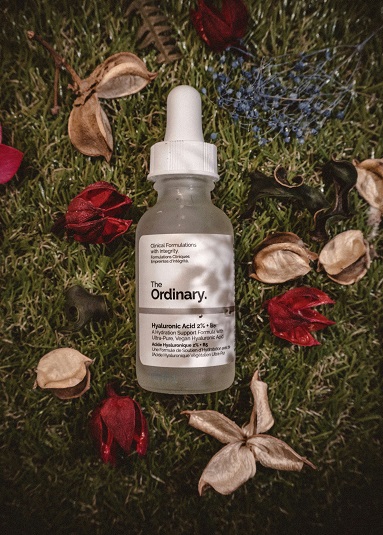
Hyaluronic acid benefits is a naturally occurring substance in the human body, primarily found in connective tissues, skin, and joint fluids. It plays a crucial role in maintaining moisture and elasticity within the skin, acting as a powerful humectant that binds water molecules. Due to its unique ability to retain up to 1000 times its weight in water, hyaluronic acid has gained significant popularity in skincare and dermatology, particularly for its hydrating properties. As we age, the levels of hyaluronic acid in our body decrease, contributing to skin dryness, loss of firmness, and the appearance of fine lines and wrinkles. This is where the relevance of hyaluronic acid in skincare becomes evident. By replenishing the skin’s natural hyaluronic acid levels, topical applications can significantly enhance hydration, barrier function, and overall skin health.
The benefits of hyaluronic acid extend beyond simple hydration. It also supports skin elasticity and flexibility, promoting a youthful appearance, while reducing the visibility of aging signs. Furthermore, hyaluronic acid is suitable for all skin types, including sensitive, oily, and acne-prone skin. Its lightweight texture allows it to be easily absorbed without clogging pores, making it an ideal ingredient in various formulations, from serums to moisturizers.
In recent years, hyaluronic acid has become a staple ingredient in numerous beauty products, underscoring its versatility and effectiveness. Understanding its function and benefits can empower individuals to make informed choices about their skincare routines. By incorporating hyaluronic acid into daily practices, one can address various skin concerns while enhancing the skin’s overall appearance and health.
Understanding Different Skin Types
Understanding the various skin types is essential for effective skincare, especially when considering the benefits of ingredients like hyaluronic acid. Skin can typically be categorized into five main types: oily, dry, combination, sensitive, and normal. Each skin type has distinct characteristics and respective challenges related to hydration and overall health.
Oily skin is marked by an excess production of sebum, which can lead to a shiny appearance and enlarged pores. People with oily skin often experience frequent breakouts, as the excess oil can trap impurities and lead to acne. While individuals with oily skin may assume they do not require hydration, it is crucial to use lightweight, hydrating products that can provide moisture without exacerbating oiliness.
Conversely, dry skin is characterized by a lack of sebum, resulting in a tight, rough texture. This skin type often experiences flakiness and irritation, making it vital to incorporate hydrating products into skincare routines. Hyaluronic acid, known for its ability to hold water, can significantly benefit those with dry skin by attracting moisture to the skin’s surface.
Combination skin exhibits characteristics of both oily and dry skin, often presenting an oily T-zone while the cheeks remain dry. Such individuals face unique challenges in balancing hydration across different areas of the face, necessitating a tailored approach to their skincare regimen.
Sensitive skin tends to react adversely to products and environmental factors, manifesting symptoms such as redness and irritation. People with sensitive skin must opt for gentle formulations that are hydrating but free from irritants. Lastly, normal skin, while generally balanced and healthy, still benefits from regular hydration to maintain its smooth and elastic nature.
Recognizing one’s skin type is crucial for choosing suitable products, especially those enriched with hyaluronic acid, to effectively address individual hydration needs.
How Hyaluronic Acid Works
Hyaluronic acid (HA) is a naturally occurring polysaccharide found in connective tissues throughout the body, including the skin. Its primary function is to retain moisture, making it an essential component for maintaining skin hydration. Remarkably, hyaluronic acid can hold up to 1,000 times its weight in water, which is crucial for skin elasticity and volume. This ability to attract and retain water contributes significantly to overall skin health and appearance.
The mechanisms through which hyaluronic acid functions are complex and multifaceted. When applied topically, HA forms a thin film on the skin surface, enhancing its barrier function. This barrier minimizes trans-epidermal water loss (TEWL), allowing the skin to maintain its hydration levels more effectively. By doing so, hyaluronic acid not only keeps the skin moist but also helps to plump up the skin, reducing the appearance of fine lines and wrinkles.
Moreover, hyaluronic acid interacts with specific receptors on skin cells, which play a vital role in promoting skin repair and regeneration. This interaction stimulates the synthesis of collagen and elastin, two proteins critical for maintaining skin structure and firmness. By enhancing these elements within the dermis, hyaluronic acid contributes to firmer, smoother skin over time.
It is also noteworthy that the compatibility of hyaluronic acid with all skin types makes it a versatile ingredient in skincare. Whether one has dry, oily, or sensitive skin, hyaluronic acid can be incorporated into various products without inducing irritation. This quality underscores its importance as a staple in many skincare regimens, promoting not only hydration but also overall skin vitality.
Benefits for Oily Skin
Oily skin can present unique challenges, often leading to an imbalance that can result in breakouts and discomfort. Fortunately, hyaluronic acid emerges as a potent ally in the skincare regimen for individuals with oily skin types. This naturally occurring substance is renowned for its remarkable ability to retain moisture without contributing to excess oiliness.
One of the primary benefits of incorporating hyaluronic acid into a skincare routine is its lightweight texture. Unlike heavier oils or emollients that may exacerbate an oily complexion, hyaluronic acid hydrates the skin effectively while allowing it to maintain its natural balance. It functions by attracting moisture from the environment and delivering it deep into the skin’s layers. By providing adequate hydration, it helps to signal the skin to reduce its oil production, minimizing the likelihood of clogged pores and subsequent breakouts.
Furthermore, hyaluronic acid aids in soothing the skin and reducing inflammation, which is particularly beneficial for those prone to acne. Its calming properties can help alleviate irritation and redness associated with oily skin, providing a refreshing feel. Additionally, using products formulated with this ingredient can lead to a more refined, clearer, and healthier complexion over time.
Incorporating hyaluronic acid into your daily routine does not complicate the layering of products; it seamlessly integrates into various formulations, including serums and moisturizers. As such, it serves as an ideal component for individuals seeking hydration and balance without the weight of heavier creams. By adopting hyaluronic acid, you can embrace the hydration necessary for maintaining optimal skin health while managing the complexities of oily skin.
Benefits of Hyaluronic Acid for Dry Skin
Hyaluronic acid is renowned for its exceptional ability to retain water and provide hydration, making it an invaluable ingredient for individuals with dry skin. One of the primary benefits of hyaluronic acid is its capacity to attract moisture from the environment and hold it within the skin. This unique property enables the skin to replenish and maintain hydration levels, which is critical for those suffering from dryness.
Dry skin often presents with flakiness and an uneven texture, which can affect one’s overall complexion. When applied, hyaluronic acid helps to reduce this flakiness by infusing the skin with moisture, which in turn smooths rough patches and improves overall texture. By enhancing the skin’s hydration, hyaluronic acid contributes to a more even and refined skin surface, making it appear healthier and youthful.
Furthermore, the lightweight nature of hyaluronic acid allows it to be absorbed quickly by the skin. This rapid absorption ensures that moisture is delivered to deeper layers, providing long-lasting hydration without a heavy, greasy feeling. For individuals with dry skin, this characteristic is particularly beneficial, as it helps avoid clogged pores while still nourishing the skin effectively.
Additionally, hyaluronic acid can bolster the skin’s natural barrier function, which is often weakened in those with dry skin. By reinforcing the skin’s barrier, hyaluronic acid reduces transepidermal water loss, which is a common issue for individuals with dry or dehydrated skin. This not only aids in preventing further dryness but also enhances the skin’s resilience against environmental aggressors.
Benefits for Combination Skin
Combination skin presents a unique challenge that requires a tailored approach to skincare, especially when seeking to achieve balanced hydration and improved texture. Hyaluronic acid emerges as an invaluable ingredient in addressing these diverse needs. Known for its powerful hydrating properties, hyaluronic acid holds the ability to attract and retain moisture in the skin, which is vital for those with combination skin, where different areas can exhibit varying hydration levels.
On one hand, individuals with combination skin often struggle with oily zones, particularly in the T-zone, which consists of the forehead, nose, and chin. By implementing hyaluronic acid in their skincare regimen, these individuals can enjoy the hydrating benefits without the risk of exacerbating oiliness. Instead of adding heavy, greasy products that could clog pores, hyaluronic acid provides lightweight moisture, maintaining the skin’s balance without contributing to shine.
Conversely, dry patches can be prevalent on the cheeks and around the eyes, requiring special attention. Hyaluronic acid’s ability to absorb moisture means that it can effectively target these parched areas, drawing water to the surface of the skin and enhancing overall hydration. This dual-action property is particularly beneficial in combining the needs of different zones, creating a more harmonious skin texture.
Incorporating hyaluronic acid into a skincare routine can also improve elasticity and plumpness for combination skin types. As this ingredient enriches the skin, it promotes a youthful appearance, providing a soft and supple feel across all areas. In doing so, it not only addresses the immediate concerns of oily and dry patches but also contributes to long-term skin health.
Benefits for Sensitive Skin
Sensitive skin often reacts adversely to various environmental factors and harsh ingredients, leading to irritation and discomfort. The inclusion of hyaluronic acid in skincare routines can be particularly advantageous for individuals with this skin type. Notably, hyaluronic acid is renowned for its gentle nature, which makes it suitable for even the most delicate skin.
One of the primary benefits of hyaluronic acid is its exceptional ability to retain moisture. This powerful humectant draws water into the skin, ensuring that sensitive skin is well-hydrated. Adequate hydration is essential in mitigating feelings of tightness or discomfort commonly experienced by those with sensitive skin. By maintaining optimal moisture levels, hyaluronic acid not only supports the skin’s natural barrier but also promotes a healthier, more resilient appearance.
Additionally, hyaluronic acid possesses soothing properties that can help alleviate inflammation and redness. These characteristics make it an ideal ingredient for sensitive skin that may be prone to certain irritations or flare-ups. When applied topically, hyaluronic acid can create a calming effect, reducing the visibility of irritation and enhancing overall skin comfort.
Furthermore, the use of hyaluronic acid can bolster the skin’s resilience against external stressors, ultimately leading to improved skin health. By restoring moisture and soothing irritations, it empowers sensitive skin to better withstand the effects of environmental aggressors, such as pollution and varying weather conditions.
In conclusion, hyaluronic acid demonstrates a multitude of benefits specifically tailored for sensitive skin types. Its gentle, hydrating, and soothing properties encourage a more balanced and protected skin environment, thus fostering a healthier and more resilient appearance.
Incorporating Hyaluronic Acid into Your Skincare Routine
Integrating hyaluronic acid into your daily skincare regimen is a straightforward process that can yield remarkable results for all skin types. This powerful ingredient efficiently retains moisture, making it an ideal addition for those seeking hydrated, plump skin. Understanding the various product types, the best application techniques, and optimal timing can enhance the effectiveness of hyaluronic acid in your routine.
First, consider product types. Hyaluronic acid is commonly found in serums and moisturizers. Serums typically contain a higher concentration of hyaluronic acid, allowing for intense hydration upon application. They are usually used after cleansing and toning the skin. On the other hand, moisturizers that contain hyaluronic acid provide hydration and help lock in moisture, making them essential for maintaining skin humidity throughout the day. For best results, you may use a hyaluronic acid serum followed by a hydrating moisturizer to seal in the moisture.
Next, explore the application techniques. To incorporate hyaluronic acid effectively, apply it on slightly damp skin. This technique allows the hyaluronic acid to attract and retain moisture from the environment, thereby enhancing its hydrating properties. After applying the serum, gently press it into your skin for better absorption. Once the serum has settled, follow with a moisturizer to ensure that the moisture is locked in. If you are using products with hyaluronic acid in both the serum and moisturizer, be mindful to avoid excessive layering, which may lead to a heavy feeling on the skin.
Lastly, consider the timing of your application. Hyaluronic acid can be incorporated into both your morning and evening routines. In the morning, it can provide a fresh and dewy base for makeup, while applying it at night can help rejuvenate and hydrate the skin during the restorative sleep process. By thoughtfully choosing product types, employing proper techniques, and optimizing application timing, you can fully leverage the benefits of hyaluronic acid for your skin.
Conclusion and Final Thoughts
In reviewing the remarkable benefits of hyaluronic acid, it is evident that this versatile ingredient serves as a powerful ally for all skin types. Its ability to retain moisture, enhance skin elasticity, and support overall hydration highlights its significant role in any skincare routine. For individuals with dry or mature skin, hyaluronic acid can effectively combat moisture loss and promote a plumper appearance, while those with oily or acne-prone skin may find that it helps maintain balance without clogging pores.
Moreover, the compatibility of hyaluronic acid with various other ingredients amplifies its effectiveness, making it a welcome addition to a plethora of formulations ranging from serums to moisturizers. This adaptability ensures that individuals can select products that meet their unique skin needs while harnessing the benefits of this powerful component.
As consumers become more aware of their skin’s specific requirements, it is crucial to consider hyaluronic acid-infused products as a fundamental part of skincare regimens. Whether you are looking to hydrate, repair, or maintain the vitality of your skin, the inclusion of this ingredient can enrich your approach to skincare. By choosing products formulated with hyaluronic acid tailored to your individual skin type, you can unlock the potential for healthier, more radiant skin.
Ultimately, understanding the diverse applications and benefits of hyaluronic acid empowers individuals to make informed decisions about their skincare. With consistent use, it is undoubtedly a valuable investment for anyone seeking to improve their skin’s condition and overall appearance.