

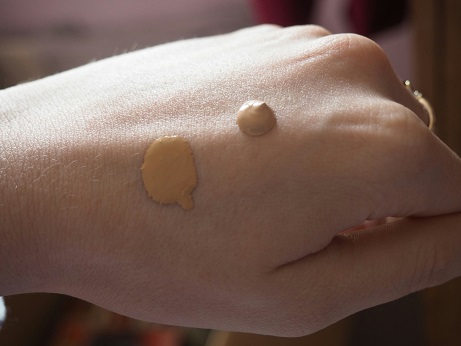
Foundation serves as the cornerstone of any makeup routine, acting as a base that enhances one’s natural beauty. Choosing the right foundation is critical for achieving a fresh and undetectable appearance, allowing your skin to radiate its inherent glow while providing a uniform complexion. The importance of selecting an appropriate foundation cannot be overstated, especially when the goal is to create a natural look that feels comfortable and effortless.
In recent years, there has been a notable shift towards favoring lighter, more breathable formulations over traditional thick and heavy foundations. This evolution in makeup trends underscores the desire for a product that provides coverage without compromising the skin’s texture. Modern foundations have been engineered with skin-luminous properties, effectively blurring imperfections and providing a sheer finish that appears almost skin-like. This natural aesthetic empowers individuals to feel confident without the burden of overly made-up appearances.
The quest for the best foundations tailored for a natural look encompasses a diverse range of options, from tinted moisturizers to lightweight liquid foundations. Additionally, the rise of mineral foundations has brought forth an alternative that not only delivers coverage but also nourishes the skin with beneficial ingredients. Each type offers unique advantages suited to different skin types and preferences, allowing consumers to select a product that aligns with their desired outcome.
Throughout this blog post, we will dive deeper into some of the most effective foundation options available in today’s market, discussing their specific qualities and how they contribute to achieving an enviable natural makeup look. By the end of this exploration, one should feel more informed and ready to make an educated choice in creating the ideal base for their beauty routine.
Understanding Foundation Types
Foundation is a key element in makeup that sets the tone for the overall look. Various types of foundations cater to different skin types, preferences, and desired finishes. The primary types of foundation available in the market include liquid, powder, cream, stick, and mousse formulations.
Liquid foundations are perhaps the most popular choice, offering a range of finishes from matte to dewy. They typically provide buildable coverage, making them suitable for both natural looks and more glam appearances. This type of foundation is versatile, providing options for oily, dry, and combination skin types, though it may require setting powder for longevity on oilier skin.
Powder foundations deliver an effortless application and an ultra-lightweight feel. They are particularly advantageous for individuals with oily skin, as they help absorb excess oil and reduce shine. Additionally, powder foundations can offer varying levels of coverage, depending on how they are applied—either as sheer coverage for a natural look or layered for a more polished finish.
Cream foundations are ideal for those seeking a more hydrating option. They generally provide full coverage and are suitable for dry or mature skin types due to their moisturizing properties. Cream formulations often have a thicker consistency, making them effective for covering imperfections and creating a flawless appearance.
For those on the go, stick foundations offer convenient portability and application. They typically provide more coverage and a semi-matte finish, making them great for combination to oily skin. Stick foundations can also double as a concealer, catering to individuals who prefer multifunctional products.
Mousse foundations are a lighter alternative that applies smoothly and gives a soft-focus finish. They can be suitable for various skin types but are particularly appealing to those who wish for a light, airy application that still provides coverage. Each type of foundation offers unique benefits, so selecting the right one is essential for achieving that natural look.
Choosing the Right Shade
Selecting the appropriate foundation shade is crucial for achieving a natural look. One of the key factors to consider when choosing a foundation is the undertone of your skin. The three primary undertones are warm, cool, and neutral. Warm undertones typically have a golden or yellowish hue, cool undertones often exhibit a pink or blue tint, while neutral undertones are a balance of both. Identifying your skin’s undertone can guide you to the right foundation shade that seamlessly merges with your skin.
To determine your undertone, you can use a few simple methods. The wrist test is popular—look at the veins on the inside of your wrist. If they appear greenish, you likely have warm undertones; if they look bluish, your undertones may be cool. A neutral undertone often shows a mix of both. Additionally, consider how certain colors complement your skin. If gold jewelry looks best, you may lean toward warm tones, whereas silver jewelry often compliments cool tones better.
When testing foundation shades, it is essential to do so in natural lighting, as artificial lighting can distort color perception. Apply a small amount of several shades on your jawline and blend them into your skin. This technique allows you to see how each shade interacts with your natural skin tone. Allow the foundation to settle for a few minutes before making a judgment—this helps in observing how the shade oxidizes and adapts to your skin.
Selecting a foundation that matches your skin tone and undertone is essential for achieving that coveted, natural finish. By understanding undertones and testing properly, you can find the foundation that enhances, rather than masks, your beauty.
Top Foundations for a Natural Look
Finding the right foundation for a natural look can significantly enhance one’s overall appearance, allowing for a radiant, fresh-faced aesthetic. Here, we explore several top-rated foundations renowned for their ability to deliver a flawless finish while maintaining a lightweight feel.
The Estee Lauder Double Wear Light Stay-in-Place Makeup is a fantastic choice for those seeking a long-lasting foundation that feels nearly weightless. This formula offers medium coverage while effectively blurring imperfections, making it ideal for everyday wear. Additionally, its oil-free composition ensures compatibility with various skin types, especially combination and oily skin, providing a natural matte finish without a heavy feel.
For individuals who prefer a more hydrating finish, the Fenty Beauty Pro Filt’r Hydrating Longwear Foundation stands out as an excellent option. This foundation is celebrated for its rich, creamy texture, which glides effortlessly onto the skin. With a wide range of shades available, it guarantees a match for diverse skin tones. The hydrating properties ensure that skin looks dewy and fresh, making it perfect for normal to dry skin types.
Another stellar choice comes from Maybelline Fit Me Matte + Poreless Foundation, a budget-friendly option that does not compromise on quality. This foundation is particularly effective for those with oily skin, offering a matte finish that minimizes the appearance of pores. Additionally, it provides buildable coverage, allowing users to customize their look—from a light veil to fuller coverage—making it versatile for various occasions.
Lastly, the NARS Natural Radiant Longwear Foundation deserves mention for its luxurious feel and excellent longevity. With its radiant finish, it creates a beautiful, lit-from-within look that is both flattering and natural. Suitable for all skin types, the foundation’s formula is lightweight and breathable, offering a second-skin effect that enhances the natural beauty of the wearer.
Each of these foundations caters to different budgets and skin types, ensuring everyone can find their perfect match for a flawless, natural look.
Application Techniques for a Seamless Finish
Applying foundation effectively is fundamental in achieving a natural look. The first step towards a flawless finish is ensuring that the skin is well-prepared. This involves moisturizing to hydrate the skin and applying a primer to create a smooth base. Moisturizer can help prevent dryness and flakiness, while a good primer allows for better adherence and longevity of the foundation, ensuring it doesn’t settle into fine lines or pores.
For the actual application of foundation, there are several methods available; each offers distinct benefits. Using a makeup brush is a popular technique, especially for those who prefer a more airbrushed effect. A foundation brush can provide medium to full coverage, and it is essential to use soft, circular motions for blending. This method allows for precise application around areas such as the nose and eyes.
Alternatively, a damp makeup sponge can impart a more sheer, natural finish. This technique is particularly useful for those who prefer a lightweight feel. The damp sponge helps to absorb excess product and seamlessly blend the foundation into the skin. When using a sponge, it is advisable to use a bouncing motion while applying, which helps to create a skin-like texture without streaks.
Lastly, applying foundation with fingers can be the quickest method, allowing for warm product application, which better melds with the skin. This technique can easily provide a natural, dewy finish, especially when blending over areas that require more attention.
For those seeking a specific coverage level, layering is advised. Start with a small amount of foundation and gradually build up coverage in areas where it is needed, ensuring to blend after each layer. No matter the method chosen, the most crucial element remains proper skin preparation. A combination of moisturizing, priming, and the right application technique can lead to a beautifully natural foundation finish.
Setting and Maintaining a Natural Look
Achieving a natural look with foundation is only half the battle; maintaining that look throughout the day is equally important. Setting powders and sprays play a crucial role in ensuring that your makeup not only lasts but also remains fresh and flawless. These products help to lock in moisture and create a barrier that prevents makeup from settling into fine lines or fading away, which can detract from the natural appearance that is desired.
When selecting a setting powder, it is advisable to choose one that offers a light finish to avoid a cakey appearance. Translucent powders are an excellent option for this purpose, as they provide a sheer layer that sets the foundation without altering its color. Brands like Laura Mercier and RCMA are well-known for their high-quality translucent powders that ensure a matte finish while allowing a radiant glow to shine through.
Additionally, mineral powders can be beneficial for those who prefer a very lightweight feel. Products such as bareMinerals Original Foundation can work double-duty by providing coverage while also setting existing makeup.
Similarly, setting sprays can enhance the longevity of your foundation and maintain a natural finish. Look for sprays that are specifically labeled as lightweight or designed to give a dewy finish. Urban Decay’s All Nighter Setting Spray is a highly recommended product that provides long-lasting hold without compromising on a natural look.
For application, gently dust on setting powder with a fluffy brush to avoid disturbing the foundation beneath. Focus on areas that are prone to shine, like the T-zone, while keeping a light hand. When using a setting spray, hold the bottle at least eight inches away from the face and mist in an ‘X’ and ‘T’ formation, which can effectively cover the entire face without over-saturating any one area. By incorporating these setting techniques and products, you can ensure your makeup stays looking fresh and natural throughout the day.
Foundation for Different Skin Types
Selecting the right foundation is crucial for achieving a natural look, and it largely depends on individual skin types. Understanding whether one’s skin is oily, dry, combination, or sensitive helps in choosing a foundation that complements the skin’s unique needs.
For oily skin, it is essential to opt for foundations that are oil-free or matte-finish. These formulations often contain ingredients like silica or kaolin clay to absorb excess oil and reduce shine. Look for lightweight, long-wearing formulas that won’t clog pores, as this can exacerbate oiliness and lead to breakouts. Foundations labeled as ‘matte’ or ‘oil-controlling’ typically work well for this skin type.
In contrast, individuals with dry skin should seek out foundations that offer hydrating properties. Cream-based or liquid foundations enriched with moisturizing ingredients such as hyaluronic acid or glycerin can help maintain moisture levels. Avoid matte and powder formulations, as they may enhance dryness and highlight flakiness. A dewy finish can provide a more radiant appearance, making it suitable for those with dry skin.
For combination skin, a foundation that balances both oily and dry areas is ideal. A lightweight, satin finish can provide a harmonious look, while formulations containing water-based ingredients can help hydrate without adding excess oil. Look for foundations that specify they are suitable for combination skin, ensuring that both the dry and oily areas are effectively addressed.
Sensitive skin types require special attention due to their tendency to react to various ingredients. Choosing foundations that are free from fragrances, parabens, and alcohol can minimize irritation. Hypoallergenic formulations that include soothing ingredients, such as aloe vera or chamomile, are advisable to provide comfort and hydration.
Ultimately, awareness of one’s skin type is sophisticated in discovering the perfect foundation that enhances a natural look while meeting specific skin conditions.
Common Mistakes to Avoid
Choosing and applying foundation correctly is essential for achieving a natural look. However, many individuals encounter common mistakes that can detract from their desired appearance. One prominent pitfall is selecting a foundation color that does not match the skin tone. A mismatched color can result in an artificial appearance, drawing attention to the makeup rather than enhancing natural beauty. To avoid this mistake, it is advisable to test foundation shades in natural light and consider purchasing from retailers that offer sample sizes or return policies.
Another frequent error is over-application of foundation. Applying too much product can lead to a cakey finish, which is especially noticeable in bright lighting. It is essential to apply thinner layers of foundation and build coverage gradually, using a damp makeup sponge or brush to blend the product seamlessly into the skin. Additionally, the technique used for application can contribute significantly to the overall finish, making the foundation look more natural.
Neglecting proper skin preparation is another common oversight. The state of the skin underneath foundation plays a crucial role in how it appears once applied. A well-moisturized and primed canvas allows any foundation to adhere smoothly, resulting in a more breathable and natural look. Therefore, incorporating a suitable skincare routine that includes cleansing, exfoliating, and moisturizing can help improve foundation application. Furthermore, utilizing a primer designed for your skin type can enhance foundation longevity and create a flawless base.
By being mindful of these common mistakes—color mismatches, over-application, and neglecting skin prep—individuals can significantly improve their foundation application, leading to a more authentic and polished appearance.
Conclusion and Recommendations
In this exploration of the best foundations for achieving a natural look, we have discussed various types that cater to different skin types and preferences. The ideal foundation should not only provide adequate coverage but also feel lightweight, complement your skin tone, and enhance your natural beauty. From tinted moisturizers to mineral foundations, each product has its unique benefits, ensuring that there is an option available for everyone.
When selecting a foundation, consider factors such as your skin type—whether it’s oily, dry, or sensitive—along with the desired finish, be it matte or dewy. Testing products in natural light and observing how they interact with your skin after a few hours can also help in making an informed decision. Remember to pay attention to the ingredients; those enriched with skincare properties can provide added benefits over time.
Furthermore, applying foundation with proper tools, such as brushes or sponges, can significantly impact the final look. Each application method offers a different finish, which can enhance your efforts in achieving a seamless appearance. Additionally, understanding the importance of skincare—using primers and setting powders—can further elevate your makeup routine.
Ultimately, the best foundation will be the one that aligns with your individual needs, preferences, and lifestyle. We encourage you to experiment with the recommendations shared in this post. Finding the right foundation is a personal journey, and with the right tools and knowledge, you can enhance your natural beauty effortlessly.