

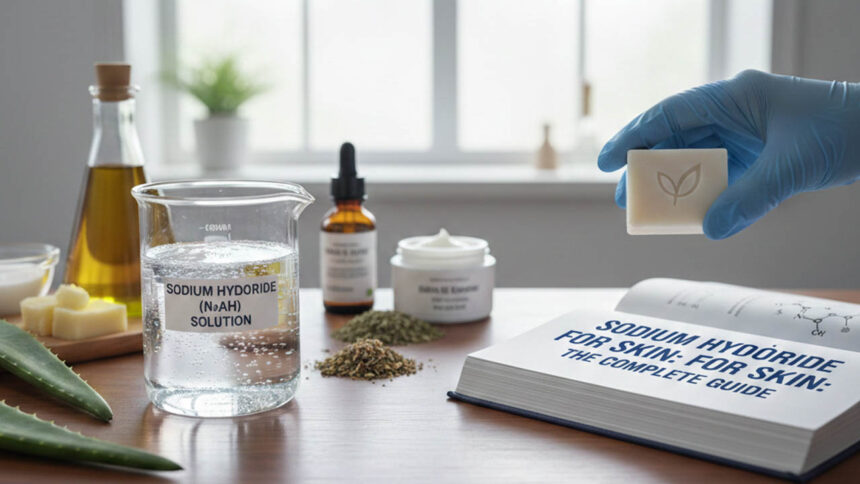
When it comes to skincare, the ingredients you choose can make all the difference. One often-overlooked powerhouse in the world of beauty is sodium hydroxide. While it may sound intimidating, this compound has a lot more to offer than meets the eye. Curious about how something so basic can benefit your skin? You’re not alone! In this guide, we’ll delve into what sodium hydroxide really is and explore its surprising benefits for your skincare routine. From balancing pH levels to enhancing product efficacy, there’s much to uncover about this unsung hero in skincare formulations. Ready to unlock its potential? Let’s dive right in!
What is Sodium Hydroxide?
Sodium hydroxide, often known as lye or caustic soda, is a powerful alkaline compound. It’s a white solid that dissolves easily in water, creating a highly alkaline solution. This unique property makes it an essential ingredient in various industries.
In skincare, sodium hydroxide serves multiple purposes. It’s primarily used to adjust the pH levels of formulations. A balanced pH is crucial for maintaining skin health and ensuring products work effectively.
Despite its strong characteristics, when used correctly, sodium hydroxide can be safe and beneficial for the skin. Many cosmetic manufacturers rely on it to enhance their products’ stability and effectiveness while ensuring they are gentle enough for daily use.
Its versatility extends beyond just skincare; it’s also found in cleaning agents and food processing. Understanding this compound helps demystify its role in your favorite beauty products.
The Benefits and Uses of Sodium Hydroxide for Skin
Sodium hydroxide, often known as lye or caustic soda, is more than just a cleaning agent. Its unique properties make it an interesting addition to skincare formulations.
One of its primary benefits lies in its ability to adjust pH levels. By balancing acidity and alkalinity, sodium hydroxide can enhance the effectiveness of other ingredients in your products.
Additionally, this compound acts as an exfoliant. It helps slough off dead skin cells, promoting a smoother texture and brighter complexion. This gentle peeling effect can be particularly beneficial for those dealing with dullness or uneven skin tone.
Interestingly, sodium hydroxide also plays a role in acne treatment. Its antibacterial properties help reduce bacteria on the skin’s surface, aiding in clearer and healthier-looking skin over time.
With these versatile benefits, it’s evident why many are curious about incorporating sodium hydroxide into their skincare routines.
Why Choose Sodium Hydroxide for Your Skincare Routine?
Sodium hydroxide, often seen as a harsh chemical, offers surprising benefits in skincare when used correctly. It acts as a powerful pH adjuster, helping to balance the acidity of products for optimal skin health.
One reason to consider sodium hydroxide is its ability to enhance product efficacy. By creating the right environment for active ingredients, it can boost their performance and lead to better results.
Additionally, this compound helps exfoliate dead skin cells. This gentle exfoliation promotes cell turnover and reveals smoother skin beneath.
For those struggling with oily or acne-prone skin, sodium hydroxide can be beneficial. It aids in controlling excess oil production while clearing out clogged pores.
When incorporated thoughtfully into your routine, sodium hydroxide provides unique advantages that can elevate your skincare game significantly.
Potential Risks and Side Effects of Using Sodium Hydroxide on Skin
Sodium hydroxide can be effective, but it’s not without risks. When applied directly to the skin, it may cause irritation or a burning sensation. This is especially true for sensitive skin types.
Prolonged exposure might lead to chemical burns. It’s crucial to use this ingredient with caution and in recommended concentrations.
Allergic reactions are another concern. Some individuals may experience redness, swelling, or itching after application. Always do a patch test before incorporating sodium hydroxide into your routine.
If you have pre-existing skin conditions like eczema or psoriasis, consult a dermatologist first. This ensures that using sodium hydroxide won’t exacerbate your condition.
Understanding these potential side effects helps in making informed decisions about skincare ingredients. Safety should always come first when trying new products on your skin.
How to Incorporate Sodium Hydroxide into Your Skincare Routine
Incorporating sodium hydroxide into your skincare routine can be a game changer, but it requires careful handling. Start by choosing products that already contain this ingredient in safe concentrations.
If you’re feeling adventurous and want to create DIY formulations, ensure you understand how to mix solutions properly. Safety gear is crucial—gloves and goggles will protect your skin and eyes from potential irritation.
For beginners, consider starting with gentle exfoliants or cleansers that list sodium hydroxide as one of the components. These products often balance pH levels without overwhelming the skin.
Always patch test any new product before applying it more broadly. This helps identify any adverse reactions early on. Remember to follow up with moisturizers or serums that hydrate and soothe the skin after using products containing sodium hydroxide. Balancing its effects will keep your regimen effective yet gentle.
DIY Recipes Using Sodium Hydroxide for Skin Care
Creating your own skincare products can be rewarding, and sodium hydroxide plays a key role in many formulations. One popular recipe is for homemade soap. It acts as a saponifying agent, turning oils into nourishing bars.
To make basic soap, mix olive oil with coconut oil and lye (sodium hydroxide) diluted in water. Always wear gloves and safety goggles when handling lye. This mixture will create a rich lather while moisturizing the skin.
Another option is to craft a gentle exfoliating scrub. Combine baking soda with sodium hydroxide to form a paste that can help slough away dead skin cells without being overly abrasive.
Remember to research proper ratios before starting any DIY project involving sodium hydroxide. Safety should always come first in your skincare creations, ensuring you enjoy all the benefits it offers without compromising your health.
Conclusion
Sodium hydroxide, also known as lye or caustic soda, is often associated with industrial uses. However, its role in skincare cannot be overlooked. This powerful compound serves multiple functions and can significantly enhance your skin routine when used correctly.
Incorporating sodium hydroxide into your regimen may lead to clearer, more radiant skin. It helps balance pH levels and can effectively remove dead skin cells. For those seeking deeper exfoliation or looking to address specific concerns like acne or dullness, this ingredient offers a promising solution.
It’s crucial to approach sodium hydroxide with caution due to its potency. Understanding the potential risks and side effects is essential for anyone interested in utilizing it for their skincare needs. Always consider performing patch tests before applying any product containing sodium hydroxide directly on the skin.
For DIY enthusiasts, there are many creative ways to use sodium hydroxide in homemade skincare recipes while ensuring safety measures are taken seriously. Properly formulated products can yield wonderful results without compromising safety.
Whether you choose commercial products featuring this ingredient or decide to experiment with DIY formulations, understanding how sodium hydroxide works will empower you in your journey toward healthier skin. Make informed choices and enjoy exploring what this versatile compound has to offer!