
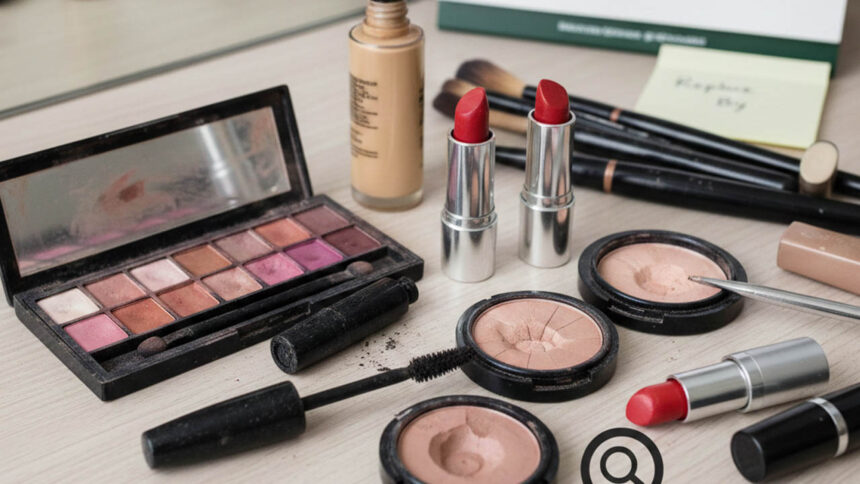
As we navigate through the ever-changing landscape of life post-pandemic, many of us have taken a long look at our makeup bags. It’s an awkward reflection—like peering into a time capsule filled with products that remind us of a world where social gatherings and events were commonplace. But now that we’re stepping back out, it raises an important question: Is all my makeup still safe to use?
The pandemic has shifted not just how we live but also how we approach beauty routines. With so much time spent at home, many opted for minimal or no-makeup looks, leaving our shelves stocked with pre-pandemic products gathering dust. Now it’s time to sift through those forgotten cosmetics and evaluate what needs replacing.
Let’s dive into what you should keep, toss, or swap out in your beauty arsenal as we embrace new norms while staying safe and healthy!
The impact of the pandemic on our makeup routines
The pandemic has profoundly reshaped our approach to beauty. With masks becoming a staple, many found themselves embracing a more natural look. Lipsticks were replaced by lip balms, and full glam became an occasional indulgence rather than the daily norm.
Virtual meetings led to a focus on eye makeup instead of full-face applications. Mascara and eyeliner took center stage as we aimed for expressive eyes in video calls, while foundation often remained untouched in the drawer.
Stress also played a role; some turned to skincare as self-care emerged as a priority. The quest for glowing skin overshadowed intensive makeup routines, leading many to explore clean beauty products that promote healthy-looking skin.
As lockdowns eased and outings resumed, our relationship with makeup shifted again—bringing new trends like tinted moisturizers or lightweight formulations into play. Adapting was essential in this unpredictable landscape where comfort met creativity in unexpected ways.
How long should you keep your makeup?
Makeup products don’t last forever. Each type has its own lifespan, so it’s crucial to keep track of how long you’ve had them.
Generally, liquid foundations and concealers should be replaced every six months. They can harbor bacteria after prolonged use, which isn’t safe for your skin.
Powders, like blush and eyeshadow, tend to last a bit longer—about one to two years. However, if the texture or color changes significantly, it’s time to toss them out.
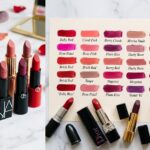
Lipsticks and lip glosses can be kept for up to a year but watch out for any odd smells or separation in the product; these are signs they’ve gone bad.
Always check labels when possible. Many products have expiration symbols indicating their shelf life. Keeping track ensures you’re using makeup that performs well while being safe for your skin!
The expiration dates of different types of makeup products
Makeup products come with different lifespans, and knowing these can save your skin. Liquid foundations typically last about six to 12 months after opening. Their moisture content makes them prone to bacterial growth, so keep an eye on any changes in texture or scent.
Powder-based products like eyeshadows and blushes have a longer shelf life—usually up to two years. As long as they remain dry and free from contamination, they should be safe.
Lipsticks can last one to three years depending on their formulation. If you notice a change in color or consistency, it may be time for a replacement.
Mascara has the shortest lifespan at around three months due to its wet formula and frequent exposure to air. Always check for clumps or dryness before applying; if anything seems off, toss it out without hesitation.
Signs that it’s time to replace your makeup
Makeup can be tricky when it comes to knowing when to say goodbye. One telltale sign is a change in texture. If your foundation feels gritty or separates, it’s time for a new one.
Another red flag is an off smell. Makeup shouldn’t have that funky odor; if it does, toss it out immediately.
Pay attention to the color as well. Shadows might fade or become uneven, while lipsticks could change hue over time.
If you find yourself breaking out more than usual after using certain products, this could be your skin signaling distress—time for replacements.
Check the packaging date. Many items are designed with a shelf life in mind. If yours has seen better days, don’t hesitate to refresh your collection!
Hygiene and safety tips for using and storing makeup during a pandemic
Keeping makeup clean is crucial, especially during the pandemic. Start by regularly washing your hands before touching any products. This simple step can prevent the spread of germs.
Consider using disposable applicators whenever possible. Sponges and brushes are breeding grounds for bacteria if not cleaned properly. If you must use them, ensure they’re washed frequently with gentle soap and water.
Store your makeup in a cool, dry place to extend its lifespan. Avoid leaving it in humid areas like bathrooms where moisture can compromise product integrity.
Makeup containers should be closed tightly after each use to keep contaminants out. A quick wipe down of the packaging every now and then also helps maintain hygiene.
Remember to avoid sharing makeup products with others during this time. Keeping your personal items strictly yours reduces health risks significantly.
Alternatives to traditional makeup products
As we navigate our beauty routines post-pandemic, many are seeking alternatives to traditional makeup products. Natural and minimalistic approaches are gaining traction.
Consider tinted moisturizers or BB creams instead of heavy foundations. They provide coverage while keeping skin hydrated and fresh-looking.
For eye makeup, explore cream-based shadows or gel liners. These options blend easily and often last longer than powders.
If you’re looking for a hint of color on your cheeks, try using lip tints as blush. They give a natural flush that’s easy to apply on the go.
Don’t overlook skincare-infused products like serums with built-in pigments. These multitaskers offer benefits beyond just aesthetics.
Transitioning to these alternatives not only feels lighter but also aligns beautifully with a more health-conscious mindset during uncertain times.
Conclusion: Taking care of yourself and your makeup during uncertain times
Taking care of yourself and your makeup during uncertain times is essential for both your well-being and health. As we navigate through these changing landscapes, it’s important to reassess what we hold onto from our pre-pandemic days.
Makeup products can hold on to bacteria and lose their effectiveness over time. By replacing expired items, you not only enhance your beauty routine but also maintain optimal hygiene. Prioritizing safety allows you to enjoy the self-expression that comes with makeup without compromising your skin’s health.
Consider exploring alternatives that fit into this new normal—like multi-use products or clean brands that focus on natural ingredients. These options can help streamline your routine while ensuring you’re treating yourself kindly.
As you reflect on the role of beauty in your life post-pandemic, remember it’s about feeling good in whatever way resonates with you now. Your makeup choices should empower you, reflecting who you’ve become during these unprecedented times. Embrace change; it could lead to a fresh perspective on how you approach beauty moving forward.