
What Are the 8 Main Types of Fashion Styles?
Fashion style is the way you choose and combine clothing, shoes, and accessories to express yourself. Some people prefer simple outfits they can wear anywhere, while others enjoy bold colors, vintage pieces, or polished looks. Your style can reflect your personality, culture, daily routine, and the way you want to feel in your clothes.
There is no single list that defines every fashion style. Trends and labels change, and many people combine elements from several categories. Still, learning about common style types can help you describe what you like, find outfit ideas, and make more intentional choices when shopping.
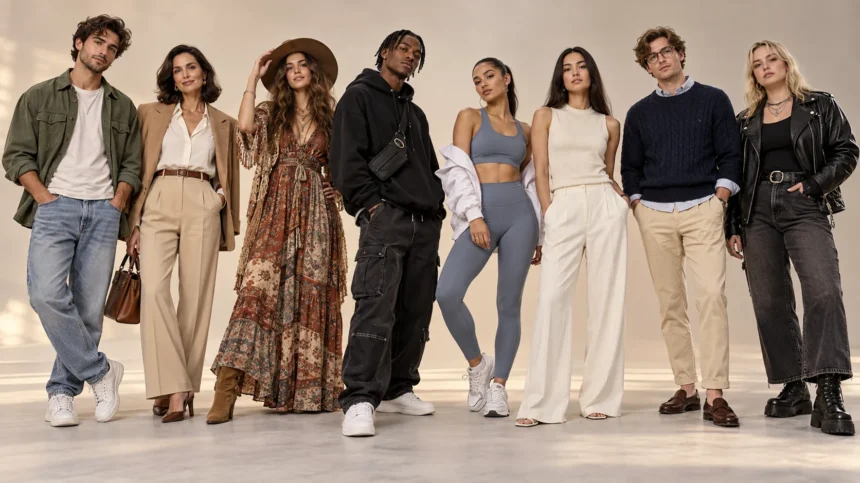
Here are eight widely recognized fashion styles, along with their typical features and practical ways to wear them. Use them as starting points rather than strict rules. The best wardrobe is one that feels comfortable, suits your life, and gives you room to express yourself.
1. Casual Style
Casual fashion prioritizes comfort and ease for everyday activities. It often includes jeans, T-shirts, knitwear, sneakers, simple dresses, and relaxed jackets. The pieces are usually easy to move in and simple to combine, making casual style a practical choice for errands, informal gatherings, and days when comfort comes first.
A casual outfit can still look polished when the fit and condition of each piece are considered. For example, clean sneakers, well-fitting denim, and a tidy shirt can make a simple outfit feel intentional. Neutral colors are easy to mix, while a bright top or patterned accessory can add personality.
Build a casual wardrobe around pieces you reach for often. Consider your climate, routine, and preferred fabrics before buying new clothes. You do not need a large collection; a few comfortable basics that work together can create many everyday outfits.
2. Classic Style
Classic fashion features timeless shapes, simple colors, and clothing that can be worn across many seasons. Common pieces include tailored trousers, button-down shirts, blazers, trench coats, plain knitwear, and uncomplicated dresses. The overall look is usually neat and balanced rather than heavily decorated or built around a short-lived trend.
Fit plays an important role in classic style. Clothes that sit comfortably on the shoulders, waist, and hem often look more refined than pieces chosen only because they are fashionable. Shades such as navy, black, cream, gray, and camel can make it easier to coordinate outfits, though color is always a personal choice.
Classic clothing can be adapted to different budgets and lifestyles. You might pair a blazer with jeans for a relaxed setting or wear it with tailored pants for a more formal occasion. Choose well-made items you expect to wear often, and care for them according to their labels so they remain useful.
3. Minimalist Style
Minimalist fashion focuses on simplicity, clean lines, and a deliberate selection of clothing. Outfits may use a limited color palette and straightforward shapes, such as a plain shirt with tailored pants or a simple dress with understated shoes. The aim is to create a cohesive look without relying on many details or accessories.
A minimalist wardrobe often includes versatile pieces that can be worn in different combinations. Before adding something new, consider whether it works with items you already own and suits your regular activities. This approach can make getting dressed easier, but minimalism does not require owning a specific number of clothes or avoiding color.
Texture and proportion can keep a simple outfit interesting. A soft knit, structured jacket, or flowing skirt can add contrast without making the look feel busy. Choose pieces that feel comfortable and reflect your taste; minimal style is about thoughtful choices, not following strict rules.
4. Streetwear Style
Streetwear takes inspiration from urban culture, music, skateboarding, sportswear, and everyday city life. It often features graphic T-shirts, hoodies, loose-fitting trousers, sneakers, caps, and statement outerwear. Some outfits use bold branding or bright colors, while others keep the look more subtle with relaxed silhouettes and neutral shades.
Comfort and personal expression are central to streetwear. A graphic top might reflect an interest in a band, artist, or cultural movement, while sneakers can become the focal point of an outfit. Proportions matter too: oversized pieces can be balanced with more fitted clothing so the outfit feels intentional.
You can try streetwear without buying expensive labels. Start with relaxed basics and add one item that expresses your personality, such as a graphic tee, distinctive jacket, or colorful sneakers. Check the fit and quality before purchasing, and choose clothes that suit your daily routine rather than collecting pieces you rarely wear.
5. Bohemian Style
Bohemian, or boho, fashion is associated with relaxed shapes, expressive patterns, and natural-looking details. It may include flowing dresses, embroidered tops, wide-leg trousers, fringe, layered jewelry, and earthy colors. Some versions draw inspiration from vintage clothing, artisanal design, or travel, creating outfits that feel relaxed and individual.
Patterns and textures are common elements of boho outfits. You might combine a printed skirt with a simple top, or layer a lightweight cardigan over a plain dress. To keep the look balanced, choose one or two standout details and let the other pieces support them rather than competing for attention.
Bohemian style can be adjusted for different seasons and settings. In warm weather, breathable fabrics and loose silhouettes may feel comfortable, while cooler months invite layers such as scarves, boots, and jackets. Focus on clothing that feels good to wear, and avoid treating any single cultural tradition as just a decorative trend.
6. Sporty Style
Sporty fashion combines athletic clothing with practical everyday pieces. It can include leggings, track pants, sweatshirts, zip-up jackets, polo shirts, sporty dresses, and athletic-inspired shoes. The style works well for active days and casual settings, especially when freedom of movement is important.
Some sporty outfits are designed for exercise, while others borrow athletic details for daily wear. For example, joggers and a clean sweatshirt can create a relaxed outfit, while a track jacket can add a sporty touch to jeans. Choose fabrics and footwear based on what you plan to do, since clothes made for training may perform differently from casual sportswear.
Balance helps make sporty clothing feel put together. Pair relaxed pieces with a cleaner or more structured item, such as a fitted top with track pants or a simple jacket over a T-shirt. Make sure your shoes suit the activity, and follow garment-care instructions to keep technical fabrics in good condition.
7. Preppy Style
Preppy fashion is inspired by traditional academic and country-club clothing. It commonly features collared shirts, sweaters, blazers, pleated skirts, chinos, loafers, and simple patterns such as stripes or checks. The look often feels neat and coordinated, though modern versions can be more casual and colorful.
Layering is a useful way to create preppy outfits. A shirt under a sweater, or a blazer over a simple top, can add structure without requiring complicated styling. Accessories such as belts, watches, scarves, or neat bags can complete the look, but they are optional rather than essential.
You can adapt preppy pieces to suit your personality. Try a striped shirt with jeans, or combine a structured jacket with comfortable shoes for a less formal outfit. A few classic items can provide several combinations, so choose colors and fits that work with the rest of your wardrobe.
8. Romantic Style
Romantic fashion often uses soft shapes, delicate details, and fabrics that create a gentle appearance. It may include floral prints, lace, ruffles, puff sleeves, flowing skirts, pastel shades, or subtle bows. The style can feel feminine and graceful, but it can also be adapted in ways that suit a range of personal preferences.
A romantic outfit does not need to include every decorative detail at once. Pairing a floral blouse with plain trousers or wearing a simple dress with understated shoes can keep the look balanced. Soft colors and light fabrics may contribute to the mood, while darker shades or sharper accessories can make the outfit feel more modern.
Think about comfort and practicality when choosing romantic clothing. Delicate fabrics may need special care, and some designs may be less suitable for active days. Choose pieces you can move in and wear in settings where they make sense, then use small details—such as texture, color, or a simple accessory—to express the style.
How to Find a Fashion Style That Suits You
Start by noticing what you already enjoy wearing. Look at the outfits you feel comfortable and confident in, and identify details they share, such as relaxed fits, neutral colors, layered textures, or bright patterns. This can reveal preferences more clearly than trying to choose a label first.
Consider your everyday life before building a wardrobe. Clothing for an office, university, outdoor job, or active family routine may need to meet different practical needs. Your budget, climate, laundry habits, and preferred level of maintenance also affect which fabrics and pieces make sense.
Try new styles gradually. You could test one silhouette, color, or accessory before purchasing a full set of clothes. Take photos of outfits you like and note which combinations feel comfortable throughout the day. Personal style develops through experimenting, keeping what works, and letting go of pieces that do not suit you.
How to Combine Different Fashion Styles
You do not have to commit to one fashion category. Many people blend styles to create outfits that feel personal, such as pairing a classic blazer with streetwear sneakers or wearing a romantic blouse with casual jeans. Combining influences can help you use clothing you already own in new ways.
Begin with one main style and add a detail from another. For example, a minimalist outfit might include a colorful streetwear cap, or a sporty look might use a classic coat. Keeping one element as the focus can help the outfit feel cohesive rather than crowded.
Pay attention to fit, color, and occasion when mixing styles. A coordinated color palette can connect pieces from different categories, while a balanced silhouette helps the overall outfit feel considered. Try combinations at home and notice whether they feel comfortable and appropriate for where you plan to go.
Conclusion
The eight common fashion styles include casual, classic, minimalist, streetwear, bohemian, sporty, preppy, and romantic. Each offers a different way to choose clothing, but none needs to define your entire wardrobe.
Use these categories to explore what you enjoy, not as strict rules. Your routine, comfort, budget, and personal taste matter more than fitting into a label. Mixing elements from different styles can be a natural way to create outfits that feel like your own.
Build your wardrobe gradually with pieces you can wear and care for. Notice what makes you feel comfortable and confident, then use those preferences to guide future choices. Personal style can change over time, and that flexibility is part of the fun.
FAQs
What is the most popular fashion style?
Casual style is common because it suits many everyday activities and can be adapted to different preferences. Other styles, such as classic, sporty, and streetwear, are also widely worn.
Can I have more than one fashion style?
Yes. Many people combine styles depending on their mood, schedule, or setting. You might wear classic pieces for work and choose sporty or casual outfits on weekends.
How do I find my personal fashion style?
Notice which clothes make you feel comfortable and confident, then look for shared colors, fits, and details. Try new pieces gradually and build around what suits your routine.
Is minimalist fashion the same as wearing only neutral colors?
No. Minimalist style often uses simple shapes and intentional combinations, but it can include bright colors or patterns. The key is creating a clean, considered look that suits your taste.
Do I need to follow fashion trends to look stylish?
No. Trends can offer inspiration, but style does not depend on following them. Choose clothing that fits well, feels comfortable, and works for your life and personal preferences.