

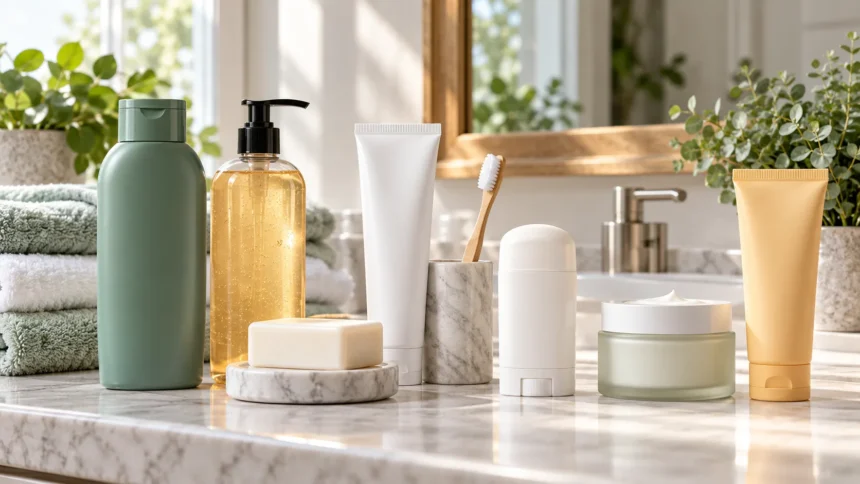
What Are the 7 Personal Care Products?
Personal care products are everyday items people use to maintain cleanliness, comfort, and grooming. They can support routines such as bathing, brushing teeth, caring for skin, and managing hair. The products each person needs depend on their age, skin and hair type, lifestyle, preferences, and any guidance from a qualified health professional.
A basic personal care routine does not need to include a crowded shelf of products. A few useful essentials can help you feel clean and comfortable without adding unnecessary steps. It also helps to use products as directed, pay attention to how your skin responds, and replace items when they expire or become contaminated.
This guide covers seven common personal care products and explains what each one does. It also shares practical tips for choosing and using them thoughtfully. These products are common examples, not a strict checklist; your routine should suit your own needs.
1. Soap or Body Wash
Soap and body wash help remove sweat, oil, dirt, and everyday residue from the skin. Bar soap is compact and easy to store, while body wash comes in liquid form and may feel convenient to apply. Either can work well, so choose based on your preferences and how your skin feels after bathing.
People with dry or sensitive skin may prefer a mild cleanser that does not leave the skin feeling tight or irritated. Fragrance-free options can be useful for people who react to scented products, although individual sensitivities vary. If a product causes persistent irritation, stop using it and seek professional advice if symptoms continue.
Use cleanser where it is needed, such as areas that become sweaty or exposed to dirt. You usually do not need to scrub the whole body aggressively, since rough washing can irritate skin. Rinse thoroughly, keep shared products clean, and avoid sharing items that make direct contact with the body.
2. Shampoo
Shampoo cleans the scalp and hair by removing oil, sweat, product residue, and other buildup. Hair and scalp needs vary, so there is no single shampoo that works best for everyone. Straight, curly, oily, dry, color-treated, or textured hair may respond differently to particular formulas.
When choosing shampoo, consider what you want it to do, such as gently cleanse, reduce oiliness, or care for color-treated hair. A product marketed for a specific concern may be helpful, but its label does not guarantee the same result for every person. If you have a persistent scalp problem, a dermatologist can help identify a suitable approach.
Apply shampoo mainly to the scalp and massage gently with your fingertips. Rinse well to remove residue, and adjust how often you wash based on your hair, activity, and comfort. Some people shampoo frequently, while others leave more time between washes; your routine should keep the scalp comfortable without drying out your hair.
3. Conditioner
Conditioner helps soften hair and make it easier to detangle after washing. It can reduce the feeling of dryness and help strands feel smoother, especially when hair is long, curly, or prone to tangling. Some people use a rinse-out conditioner after shampooing, while others prefer leave-in products for additional moisture.
Choose a conditioner based on your hair’s texture and needs. A lightweight formula may suit fine hair, while thicker or curl-focused products may be more comfortable for coarse or dry hair. If your hair feels weighed down, try using less product or applying it only to the mid-lengths and ends.
Follow the label instructions and rinse out conditioner if it is designed to be washed away. Avoid applying a heavy product directly to the scalp if it leaves your roots oily or uncomfortable. Keep leave-in products away from the eyes and use only as directed, especially if you are trying a new formula.
4. Toothpaste
Toothpaste is a basic oral care product used with a toothbrush to clean teeth and support daily dental hygiene. Many toothpastes contain fluoride, which can help protect tooth enamel when used as directed. Other formulas may focus on sensitivity, whitening, or tartar control, but the right option can depend on individual needs.
Read product labels and follow any advice from your dentist, particularly if you have sensitive teeth, braces, or specific oral health concerns. Children may need an age-appropriate toothpaste and help from an adult while brushing. If you are unsure which product is suitable, a dental professional can recommend one based on your situation.
Use a small amount of toothpaste and brush all tooth surfaces carefully. Brushing twice a day is a common routine, and cleaning between teeth can help reach areas a toothbrush may miss. Toothpaste supports oral hygiene, but it does not replace dental checkups or professional care when you have pain or other concerns.
5. Deodorant or Antiperspirant
Deodorant and antiperspirant are used to manage body odor and underarm sweating, but they work differently. Deodorant helps reduce or mask odor, while antiperspirant helps limit sweat. Some products combine both functions, so check the label to understand what a particular formula is designed to do.
Products come in forms such as sticks, creams, sprays, and roll-ons. If your skin is sensitive, fragrance-free options may be worth considering, and applying a new product to a small area first can help you notice a reaction. Follow directions and avoid applying products to broken or irritated skin.
Use the product as instructed on its packaging. Allowing the skin to dry before dressing can reduce residue on clothes, while applying more than directed may not improve results. If you notice a rash or lasting discomfort, stop using the product and consider asking a health professional for advice.
6. Moisturizer
Moisturizer helps reduce the feeling of dryness and supports skin comfort. It may come as a lotion, cream, ointment, or gel, with different textures suited to different preferences. People often apply it after washing, when the skin feels dry, or as part of a regular face or body care routine.
Choose a product based on where you plan to use it and how your skin responds. A lighter lotion may feel comfortable during warm weather, while a thicker cream can suit areas that become very dry. If you are prone to irritation, consider a simple formula and introduce new products one at a time.
Apply moisturizer according to the product directions and avoid the eyes unless the label says it is suitable for that area. Do not assume a product labeled “natural” is automatically safe for every skin type. If dryness, itching, or irritation persists, a dermatologist or other qualified professional can help you understand what may be causing it.
7. Sunscreen
Sunscreen helps protect exposed skin from ultraviolet radiation when used as directed. It is available in lotions, creams, gels, and sprays, with different formulas and levels of water resistance. Sunscreen can be part of a daytime routine when you will be outdoors, and it may be useful during activities near windows or reflective surfaces.
Choose a broad-spectrum product with a sun protection factor suitable for your plans, and check the label for instructions. Comfort matters because a product you are willing to apply is easier to use consistently. If you have sensitive skin, look for options designed for sensitive skin and test the product as directed.
Apply enough sunscreen to cover exposed areas and reapply according to the package, especially after swimming, sweating, or toweling off. Sunscreen is one part of sun protection; shade, protective clothing, and limiting intense sun exposure can also help. Do not use a product past its expiration date or if its texture or smell has changed.
How to Choose Personal Care Products
Start by identifying what you actually need. A simple routine may include products for bathing, hair care, oral hygiene, skin comfort, and sun protection. You do not need to buy every item advertised as an essential; consider your daily activities, personal preferences, and any particular concerns before adding something new.
Read labels to understand how a product is meant to be used and what ingredients or warnings it lists. If you have allergies, sensitive skin, or a health condition, check ingredients carefully and ask a qualified professional when you are uncertain. Introduce one new product at a time so it is easier to notice how your body responds.
Price and packaging are not the only measures of quality. A suitable product should be comfortable to use, fit your routine, and be used as directed. Store products according to label instructions, keep containers clean, and discard items that have expired or changed in appearance, smell, or texture.
How to Build a Simple Personal Care Routine
A basic routine can be organized around everyday activities. In the morning, you might brush your teeth, wash your face or body as needed, and apply sunscreen if you will be exposed to daylight. After exercise or a sweaty day, bathing and clean clothing can help you feel refreshed.
In the evening, a gentle wash and oral care can help close out the day. Shampoo and conditioner do not necessarily need to be used every day; adjust hair washing to your scalp and hair needs. Moisturizer can be applied when skin feels dry, or as recommended for a particular concern.
Keep the routine manageable enough to follow consistently. Place frequently used products where you can reach them, and avoid adding steps simply because they are popular online. A routine should support comfort and hygiene, not create pressure to buy more or spend excessive time in front of the mirror.
Personal Care Products and Safe Use
Personal care products are intended for specific uses, so follow the directions on each label. Avoid applying products to areas the manufacturer does not recommend, and do not mix formulas unless the instructions say it is safe. Using more product than directed may cause irritation and does not necessarily improve the result.
Keep items clean and avoid sharing products that touch the skin, mouth, or hair directly. Close lids after use, store products away from excessive heat or moisture when instructed, and check expiration dates. If a product causes burning, swelling, a rash, or other concerning symptoms, stop using it and seek appropriate advice.
Children may need products designed for their age and should be supervised when using items such as toothpaste or shampoo. Fragrances and active ingredients can affect people differently, so pay attention to individual reactions. When a personal care concern does not improve or seems severe, a health professional can help you choose next steps.
Conclusion
The seven common personal care products covered here are soap or body wash, shampoo, conditioner, toothpaste, deodorant or antiperspirant, moisturizer, and sunscreen. Each serves a different purpose, and not everyone will need the same formula or use every product in the same way.
Choose products that fit your routine, skin and hair needs, and personal preferences. Read labels, follow directions, and introduce new products thoughtfully, especially if you are prone to irritation or allergies.
A practical personal care routine can be simple. Focus on cleanliness, oral hygiene, skin comfort, and sun protection where appropriate, then adjust your choices as your needs change.
FAQs
What are the most essential personal care products?
Common essentials include body cleanser, toothpaste, shampoo, and deodorant or antiperspirant. Many people also use conditioner, moisturizer, and sunscreen, depending on their hair, skin, daily activities, and preferences.
Are personal care products the same for everyone?
No. The right products can vary with skin and hair type, age, sensitivities, lifestyle, and personal preference. Choose products that feel comfortable and follow professional guidance for specific concerns.
How often should I replace personal care products?
Check the expiration date and any period-after-opening symbol on the packaging. Replace items sooner if their smell, texture, or appearance changes, or if the product becomes contaminated.
Can I use the same products every day?
Many everyday products are designed for regular use, but follow their labels and notice how your body responds. If a product causes irritation or discomfort, stop using it and seek advice if symptoms persist.
Do I need an elaborate personal care routine?
No. A simple routine that supports hygiene and comfort can be enough. Choose practical products you will use consistently, and add steps only when they meet a real need.