


PDO threads have become a common tool in nonsurgical facial treatments. Made from polydioxanone, a material used for years in dissolvable surgical sutures, these threads are placed beneath the skin to address signs of aging without incisions or long recovery periods.
You’ll find them stocked by Korean skincare retailers like MeamoShop’s PDO lifting threads, a sign of how far the material has spread beyond the clinic. The body gradually absorbs them over several months, while the effects they trigger can last well beyond that point. Understanding what PDO threads do helps explain why they appear so often in aesthetic clinics today.
Lifting Sagging Skin
The most recognized use of PDO threads is to lift skin that has started to droop with age. A provider inserts the threads using a thin needle or cannula, then positions them to pull loose tissue into a firmer arrangement.
Threads with small barbs, often called cog threads, grip the underlying tissue and hold it in place. This makes them suited to areas that lose definition over time, including the jawline, jowls, cheeks, brows, and neck. Because the lift is mechanical, results are visible soon after the procedure, though the full outcome develops as the surrounding tissue settles.
Stimulating Collagen Production
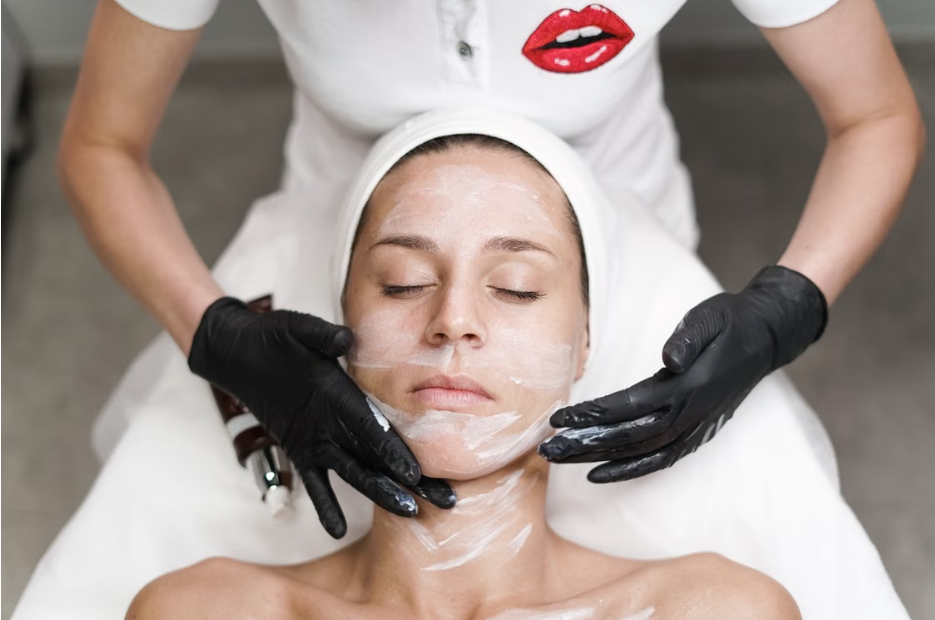
Beyond the immediate lift, PDO threads prompt the skin to produce more collagen. When placed under the skin, the threads create a controlled response that encourages new collagen and elastin to form around them.
Collagen supports skin structure and firmness, and its natural decline is a key reason skin loosens with age. As the threads dissolve, the added collagen remains, so improvements can continue for months after the material is gone. This gradual firming often lasts longer than the threads themselves, sometimes up to a year or more.
Smoothing Fine Lines and Wrinkles
PDO threads can also soften fine lines and shallow wrinkles. Smooth threads without barbs, known as mono threads, are placed in a mesh-like pattern across a target area rather than used to pull tissue.
This approach improves skin texture and tightness in areas such as the forehead, around the mouth, and under the eyes. The effect comes mainly from renewed collagen rather than a strong lift, making mono threads a choice for people seeking subtle refinement instead of dramatic change.
Contouring Facial Features
Another use of PDO threads is to shape and define specific facial features. Providers can position threads to sharpen the jawline, lift the outer brow, or add structure to the cheeks. This targeted placement allows adjustments in small areas that may not need a full treatment. For patients who want to refine a single feature, thread contouring offers a focused option that works alongside other treatments or on its own.
Choosing Between Thread Types
Different thread designs serve different goals, and the type selected depends on the concern being treated. The main categories include:
- Mono threads: Smooth threads used to tighten skin and improve texture through collagen stimulation, with little lifting effect.
- Cog threads: Barbed threads that anchor into tissue to provide a stronger lift, often used on the lower face and neck.
- Screw threads: Threads formed into a spiral shape to provide added volume and fullness in hollow areas.
A provider assesses the treatment area and the desired result before deciding which threads to use, and often combines types within a single session.
Knowing What to Expect
PDO thread treatments are usually completed in one visit and require less downtime than surgery. Common effects afterward include mild swelling, bruising, or tenderness, which tend to fade within a week or two.
The threads dissolve over roughly four to six months, though the collagen response can extend visible results longer. Because the outcome is not permanent, repeat sessions are needed to maintain the effect over time. The procedure suits people with mild to moderate skin laxity rather than those with significant sagging, who may see better results from surgical options.
On A Final Note
PDO threads offer a middle ground between minimally invasive treatments and surgical procedures. They lift loose skin, encourage collagen growth, soften lines, and refine facial contours through a single, absorbable material. For patients weighing their options, understanding these uses provides a clearer basis for discussing with a qualified provider whether the treatment fits their goals.