

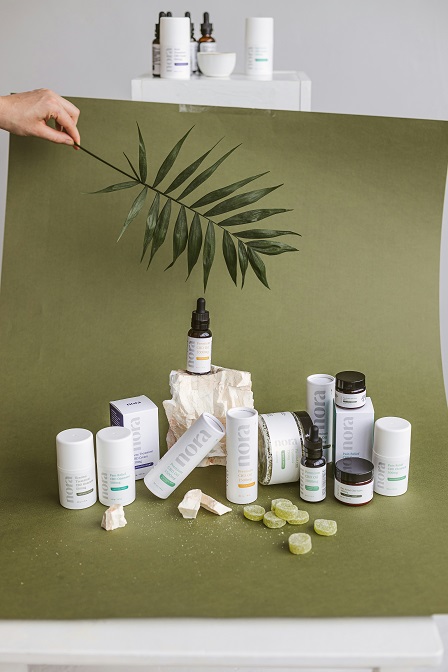
Organic skin care has evolved from an occasional indulgence to a daily necessity embraced by individuals across the globe. The importance of maintaining healthy skin cannot be overstated, as it serves not only as a protective barrier against environmental factors but also impacts overall self-esteem and confidence. In recent years, there has been a notable shift in consumer awareness regarding the ingredients used in skincare products, leading to the emergence of distinct categories: organic skincare and traditional skincare. Organic skincare is characterized by the use of natural ingredients that are cultivated without synthetic chemicals, pesticides, or fertilizers. This approach aims to promote health and sustainability while minimizing the potential harm associated with the use of artificial additives. In contrast, traditional skincare typically involves the use of synthetic formulations designed to achieve specific results, sometimes focusing on immediate aesthetic benefits rather than long-term skin health.
The evolution of these two categories can be traced back to changing consumer preferences, concerns about environmental impact, and a growing understanding of skin biology. As people increasingly seek transparency in product labeling and are informed about the effects of chemicals on their skin, organic skincare options have gained popularity. This trend reflects a broader movement towards natural and holistic lifestyles.
Traditional skincare products, however, still hold a significant place in the market, often touted for their targeted efficacy and extensive research backing their formulations. They frequently include advanced technologies that may not yet be available in organic products.
As we delve deeper into the subject, it becomes essential to explore the fundamental differences between organic and traditional skincare, their benefits and drawbacks, and how they cater to the diverse needs of consumers in today’s marketplace.
What is Organic Skincare?
Organic skincare refers to a range of skincare products made from natural ingredients that are cultivated without the use of synthetic fertilizers, pesticides, or genetically modified organisms (GMOs). The primary principle behind organic skincare is that healthy skin can be maintained using ingredients that are inherently beneficial and free from harmful chemicals. This approach emphasizes the importance of utilizing nature to promote skin health while minimizing environmental impact.
At the heart of organic skincare are various types of ingredients, including plant extracts, essential oils, and natural emulsifiers. These components are sourced from organic farming practices, ensuring that the plants and herbs used contain no harmful residues. Commonly found ingredients include aloe vera, coconut oil, shea butter, and herbal infusions known for their nourishing and healing properties. These ingredients are not only kind to the skin but also promote a sustainable lifestyle, aligning with the values of eco-friendliness and environmental responsibility.
Additionally, many organic skincare products bear certifications from reputable organizations that verify their authenticity and adherence to organic standards. For instance, labels like USDA Organic or Ecocert indicate that a product meets strict guidelines regarding organic ingredient sourcing and production methods. Such certifications provide consumers with assurance as they navigate the diverse and sometimes confusing landscape of skincare options.
Organic skincare aligns itself with a broader trend toward sustainability and health consciousness. By choosing products that emphasize natural ingredients and environmentally friendly practices, consumers contribute to not only their own well-being but also to the preservation of the planet. The focus on organic skincare thus encompasses both physical beauty and ecological mindfulness, promoting a holistic approach to personal care and environmental stewardship.
What is Traditional Skincare?
Traditional skincare refers to the established practices and products that have been used for generations to maintain skin health and beauty. This approach to skincare has roots in various cultural practices and often employs a combination of natural and synthetic ingredients. Historically, traditional skincare is based on the belief that effective beauty necessitates the use of effective formulations that can target specific skin issues, such as dryness, acne, and signs of aging.
The foundations of traditional skincare can be traced back to ancient civilizations, where natural resources were utilized to create remedies. For instance, the Egyptians utilized oils, honey, and herbs, while the Chinese practiced holistic care, focusing on the balance of skin and body. Over the decades, these methods have evolved, incorporating advancements in science and technology, while still drawing from traditional wisdom.
Typical ingredients found in traditional skincare products include glycerin, lanolin, mineral oils, and a variety of preservatives that enhance product shelf life. Additionally, many commercial products utilize synthetic fragrances and colorants to enhance sensory appeal. These formulations are designed with practicality in mind, aiming for mass accessibility and ease of use. Traditional skincare products are widely available in pharmacies, supermarkets, and beauty stores, making them a staple in many households.
While traditional skincare promotes straightforward and often effective routines, it can sometimes overlook the individual needs of various skin types. Nonetheless, these products remain integral to many people’s daily regimens, supporting the ongoing significance of time-honored techniques in the contemporary landscape of skincare.
Key Ingredients: Organic vs. Traditional
Understanding the distinctions between the key ingredients in organic and traditional skincare is vital for making informed choices. Organic skincare products typically emphasize natural ingredients sourced from plants and minerals. Common components include shea butter, aloe vera, essential oils, and botanical extracts. These ingredients are often chosen for their skin-soothing properties, moisture retention abilities, and minimal risk of irritation, making them suitable for sensitive skin types.
For instance, shea butter is renowned for its rich fatty acid content, which helps to maintain skin hydration and elasticity. Aloe vera, often touted for its soothing properties, can alleviate redness and irritation. Essential oils not only provide a pleasant fragrance but are also celebrated for their antiseptic and healing qualities.
In contrast, traditional skincare often incorporates synthetic ingredients, including parabens, sulfates, and artificial fragrances. These substances can contribute to the efficacy of products by enhancing their performance, but they may also carry potential drawbacks. For example, parabens serve as preservatives that prevent bacterial growth, yet concerns linger regarding their potential link to hormone disruption.
Furthermore, synthetic fragrances can cause allergic reactions and sensitivities in some individuals. It is essential to recognize that while traditional skincare can offer immediate cosmetic benefits, prolonged use of certain synthetic components may lead to adverse effects on skin health.
Navigating the differences in ingredients helps consumers understand the trade-offs between organic and traditional approaches. Each type has its merit, and the choice ultimately depends on individual skin needs and personal values regarding product composition.
Benefits of Organic Skincare
Organic skincare products are formulated from natural ingredients that are derived from plants, minerals, and other earth-friendly sources. One of the primary advantages of using organic skincare is the significantly reduced exposure to harmful chemicals. Conventional skincare products often contain synthetic ingredients, preservatives, and artificial fragrances that may lead to skin irritation or allergic reactions. In contrast, organic products use biodegradable and non-toxic substances.
Individuals with sensitive skin can greatly benefit from organic skincare as these products are typically free from harsh chemicals and irritants. Ingredients such as aloe vera, chamomile, and jojoba oil, commonly found in organic formulations, possess soothing properties that help alleviate skin irritation and redness. Additionally, organic skincare is less likely to disrupt the skin’s natural barrier, which plays a crucial role in maintaining overall skin health.
Another notable benefit of organic skincare is its positive impact on the environment. The production of organic products often follows sustainable practices that prioritize eco-friendliness, including responsible sourcing of ingredients and minimal packaging. By choosing organic skincare, consumers not only protect their skin but also contribute to the wellbeing of the planet by supporting environmentally conscious brands.
Furthermore, the long-term use of organic skincare products promotes healthier skin. Many organic ingredients are rich in vitamins, antioxidants, and essential fatty acids that nourish the skin and aid in its repair process. Over time, users may notice improved skin texture, enhanced radiance, and a reduction in signs of aging. By opting for organic skincare, individuals invest in a regimen that is beneficial for both their skin and the environment, fostering a holistic approach to beauty and self-care.
Benefits of Traditional Skincare
Traditional skincare has long been a staple in the beauty industry, offering a plethora of advantages that appeal to a wide range of consumers. One of the primary benefits is the extensive availability of products. From cleansers to moisturizers, serums, and sunscreens, traditional skincare formulations come in various forms and types. This diversity allows individuals to select products that specifically cater to their skin type and concerns, whether they are dealing with acne, dryness, oiliness, or signs of aging.
Moreover, traditional skincare products are often more accessible in terms of price. They are generally produced on a larger scale, which can lead to lower manufacturing costs. As a result, consumers can usually find effective options within various price points, making skincare more attainable for a larger audience. This affordability does not inherently compromise quality, as many traditional products utilize well-researched ingredients known for their efficacy in enhancing skin health.
Proven effectiveness is another significant benefit of traditional skincare. Many formulations have been developed and refined over decades, even centuries, leading to a wealth of scientific research supporting their benefits. Ingredients such as retinol, hyaluronic acid, and salicylic acid are staples in traditional products, with clinical studies validating their ability to improve skin texture, minimize the appearance of fine lines, and treat problem-prone skin.
Furthermore, traditional skincare offers targeted formulations designed for specific skin types. Whether a consumer has oily, dry, combination, or sensitive skin, there are tailored options available. These specialized products often include active ingredients chosen to address particular concerns, thereby maximizing their effectiveness. Overall, the extensive variety, cost-effectiveness, and proven results make traditional skincare a compelling choice for individuals seeking effective skin solutions.
Potential Drawbacks: Organic vs. Traditional
When considering organic skincare versus traditional skincare, it is essential to address the potential drawbacks associated with each. One prevalent issue regarding organic skincare products is their stability. Due to the absence of synthetic preservatives, these products may have shorter shelf lives, leading to concerns over their efficacy and safety. This lack of stability often necessitates careful storage and may deter consumers who prefer longer-lasting formulations.
In contrast, traditional skincare products are typically formulated with synthetic ingredients and preservatives that enhance longevity. While these additives may improve product stability, they can also lead to adverse reactions in sensitive individuals. Furthermore, traditional products may contain chemicals that raise concerns regarding long-term health effects, prompting consumers to re-evaluate their skincare choices.
Another critical consideration is pricing. Generally, organic skincare products tend to be priced higher than their traditional counterparts. This price disparity stems from the sourcing of natural ingredients and the production processes, which are often perceived as more environmentally friendly. Consumers seeking organic solutions must weigh the importance of natural ingredients against their budget, as high-quality organic options may not be accessible to everyone.
Availability can also be a limiting factor for organic skincare enthusiasts. While traditional cosmetics are widely available in pharmacies and supermarkets, organic products often reside in specialty stores or online retailers. This limitation could deter consumers from exploring organic options, particularly if they are accustomed to the convenience of traditional skincare shopping.
Lastly, the effectiveness of skincare products can vary significantly between organic and traditional lines. Some consumers may find that traditional products yield quicker results due to concentrated formulas and targeted active ingredients, while others may prefer the gentleness and holistic benefits of organic alternatives. The effectiveness ultimately depends on individual skin types and concerns, further complicating the decision-making process regarding skincare solutions.
Choosing the Right Skincare for You
When it comes to selecting the ideal skincare products, understanding your skin type and individual needs is crucial. Both organic and traditional skincare offer diverse options that cater to various skin conditions, yet their ingredients and formulations differ significantly. For those with sensitive skin or allergies, organic skincare may offer a gentler solution as it typically utilizes natural ingredients that are less likely to cause irritation. Conversely, traditional skincare might provide potent formulations that can be advantageous for concerns such as acne or hyperpigmentation.
Lifestyle choices also play an essential role in this decision-making process. Individuals who prioritize sustainability or have ethical concerns about animal testing may lean towards organic skincare products, which often emphasize environmentally-friendly practices. On the other hand, those seeking immediate results or specialized treatments may find traditional formulations more compatible with their skincare goals. Understanding the balance between efficacy and ethical considerations can help navigate this choice.
Budgeting is another significant factor; typically, organic skincare brands may come at a higher price point due to the sourcing of natural ingredients and lower production scales. It’s essential to evaluate personal financial considerations alongside the value of investing in skincare that aligns with your values. Traditional skincare options, while sometimes presenting more accessible pricing, can also vary widely in cost and may require purchasing multiple products to achieve desired effects.
Ultimately, the choice between organic and traditional skincare should reflect personal values regarding health, sustainability, and financial investment. Taking into account skin type, lifestyle preferences, and budget can serve as a guide to making informed decisions that will lead to healthier skin. Careful consideration will ultimately yield the most satisfying results for your unique skincare journey.
Conclusion: The Future of Skincare
As the world increasingly gravitates towards sustainable practices, the organic skincare industry finds itself at a pivotal juncture. The growing interest in organic skincare solutions illustrates a significant shift in consumer preferences. Many skincare enthusiasts are now seeking products formulated with natural ingredients, driven by concerns regarding chemical additives and their potential adverse effects on health and the environment. This demand reflects a broader trend that prioritizes holistic wellness and eco-friendliness over traditional formulations that may contain synthetic components.
In reviewing the comprehensive differences between organic and traditional organic skin care, it is evident that each approach has its unique merits. Traditional skincare often boasts immediate results and a well-established track record, appealing to those who desire quick fixes for various skin issues. Conversely, organic skin care prioritizes long-term health, emphasizing the nourishment of the skin through botanicals and naturally derived substances. The debate between these two philosophies not only reflects changing consumer attitudes but also signals a transformative period within the beauty sector.
Looking ahead, the organic skin care landscape will likely continue evolving as brands respond to the demands for transparency, ingredient integrity, and ethical sourcing. Consumers are increasingly inclined to investigate product labels, demanding clarity about what they are applying to their skin. This shift urges companies to innovate and adapt their offerings to align with the principles of sustainability and organic practices.
Ultimately, individuals should consider their organic skin care choices with careful thought and reflection. Whether one opts for organic or traditional products, the most effective regimen should prioritize personal skin health and well-being. As the dialogue surrounding skincare continues to grow and diversify, consumers will play a crucial role in shaping the future direction of the industry, ushering in an era where conscious choices lead the way.