

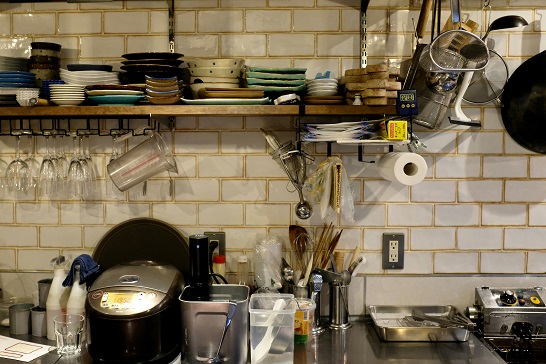
Introduction to a Clean and Organized Kitchen
Maintaining a clean and organized kitchen is essential for any household. This vital area serves not only as a space for food preparation and cooking but also as a gathering point for family and friends. A tidy kitchen significantly enhances cooking efficiency, allowing individuals to locate ingredients and utensils quickly, thus streamlining the cooking process. When every item has its designated place, the likelihood of distractions and delays diminishes, enabling a more enjoyable cooking experience. Furthermore, hygiene is paramount in any kitchen setting. Regular cleaning and organization can minimize the risk of foodborne illnesses. Bacteria and germs thrive in cluttered environments; hence, an organized kitchen fosters better sanitation practices. When surfaces are clear and utensils are stored properly, it becomes easier to maintain cleanliness, and food safety standards can be upheld efficiently. In addition to improving functionality and hygiene, an organized kitchen contributes positively to the overall aesthetic of a home. A clutter-free countertop can create a more welcoming atmosphere, enhancing the visual appeal of the space. Decorated shelves, neatly arranged cookware, and well-stocked drawers not only impress guests but also elevate the homeowner’s mood and enjoyment while in the kitchen.
Ultimately, the importance of a clean and organized kitchen extends beyond mere aesthetics; it plays a crucial role in the efficiency of everyday cooking, promotes better health and hygiene, and enriches the culinary experience. This introduction underscores the necessity of implementing strategic cleaning and organizing practices, which will be explored in greater detail in the following sections.
Decluttering Your Kitchen: Where to Start
Maintaining a tidy and efficient kitchen begins with a thorough decluttering process. This first step is crucial for establishing an organized cooking space that enhances functionality. The initial phase involves assessing the items you currently have in your kitchen. This assessment allows you to identify which utensils and appliances are essential, as well as those that are rarely or never used. Start by taking everything out of your cabinets and drawers to get a clear view of your kitchen inventory.
Once you have a comprehensive overview, the next step is categorizing your kitchen items. Group similar items together, such as cooking utensils, dishes, bakeware, and small appliances. This organization not only makes it easier to decide on each item’s fate but also helps visualize the space more effectively. Consider whether the categorized items serve a purpose in your daily cooking routine. Items that you have not used in the past year are often good candidates for removal.
When it comes to deciding what to keep, donate, or toss, apply some simple criteria. If you find duplicates or items that no longer serve a function, it is time to let them go. For items in usable condition, consider donating to local charities or giving them to friends. Moreover, to avoid the clutter from returning, establish a system where every new item must have a designated space. Utilizing vertical space through shelves or wall-mounted racks can also assist enormously in maximizing your kitchen’s capacity.
Effective decluttering is not solely about removing items; it is also about creating a functional environment that fosters practicality in cooking and food preparation. By carefully assessing your current kitchen items, categorizing them accordingly, and making deliberate decisions on what remains, you can transform your kitchen into an organized oasis.
Daily Cleaning Habits to Maintain Hygiene
To ensure a clean and hygienic kitchen, incorporating daily cleaning habits into your routine is essential. These practices not only enhance the overall cleanliness of the kitchen but also contribute significantly to the prevention of grime build-up and the creation of a pleasant cooking environment.
One of the most effective habits is to wipe down surfaces after each use. This includes countertops, stovetops, and dining tables. A quick wipe with a disinfectant or a mild soap solution can eliminate potential contaminants and food particles, reducing the chances of cross-contamination. By committing to this simple practice, you can keep your kitchen looking fresh and sanitary.
Another critical habit is to wash dishes immediately after use. Allowing dirty dishes to pile up creates an inviting environment for pests and bacteria. By cleaning dishes promptly, you not only maintain a cleaner kitchen but also prevent the unpleasant task of tackling a mountain of dishes later. Organizing the dishwashing process by soaking pots and pans while handling smaller items can streamline this routine.
Maintaining the cleanliness of kitchen appliances is also paramount. Regularly clean surfaces like microwaves, toasters, and refrigerators to prevent spills and stains from becoming permanent. A simple practice of wiping them down weekly can go a long way in extending their lifespan and ensuring they operate effectively.
In summary, cultivating these daily cleaning habits including wiping down surfaces, tackling dirty dishes immediately, and maintaining appliance cleanliness can significantly elevate the hygiene of your kitchen. This ensures that your cooking space remains a safe and enjoyable environment for food preparation, allowing you to focus on creating delicious meals without the distraction of clutter and grime.
Organizing Kitchen Tools and Utensils
Maintaining a clean and organized kitchen is essential for efficiency in meal preparation and cooking. One effective strategy for achieving this is to organize kitchen tools and utensils in a manner that maximizes accessibility and minimizes clutter. By implementing practical solutions, homeowners can create a space that not only looks orderly but also functions seamlessly.
A simple yet effective method for organizing utensils is to use drawer dividers. These dividers help categorize items such as spatulas, spoons, and whisks, preventing them from becoming jumbled and lost in a drawer. By grouping similar items, users can quickly locate the tools they need without sifting through a cluttered space. Adjustable dividers are particularly useful, as they can be customized according to the drawer’s dimensions and the user’s specific needs.
Another creative organization idea is to install pegboards on the walls of the kitchen. Pegboards provide vertical storage solutions, freeing up valuable counter and cabinet space. Hooks can be utilized to hang commonly used tools such as measuring cups, pots, and pans, putting them within easy reach while adding a decorative element to the kitchen. This method not only increases storage capacity but also allows for a visual inventory of kitchen tools, ensuring that nothing goes missing.
Additionally, it is beneficial to designate specific areas for various types of kitchen tools. For instance, placing all baking utensils together and keeping cooking utensils in a separate area can streamline the cooking process. By keeping like items in close proximity, the need to search through multiple drawers is eliminated, enabling a more efficient workflow.
In essence, organizing kitchen tools and utensils with these strategies can lead to a more functional and aesthetically pleasing kitchen environment. By utilizing drawer dividers, pegboards, and thoughtful categorization, homeowners can establish a clean and organized kitchen that enhances their culinary experience.
Maximizing Storage Space: Cabinets, Shelves, and Bins
Efficiently utilizing storage space in the kitchen is essential for maintaining cleanliness and organization. One of the key methods to maximize storage involves the thoughtful arrangement of cabinets, shelves, and bins. By leveraging vertical space, you can create a functional and aesthetically pleasing kitchen environment.
Cabinets play a crucial role in optimizing kitchen storage. Tall cabinets can take advantage of vertical space, providing ample storage for less frequently used items on the higher shelves. To enhance accessibility, consider incorporating pull-out shelves or Lazy Susans that allow for easy access to items stored at the back. Additionally, under-shelf baskets can serve as an excellent solution for storing items like spices, which can often clutter valuable countertop space.
Incorporating open shelves into your kitchen design can also enhance visibility and access to frequently used items. Placing everyday dishes or storage containers on open shelves not only keeps them within easy reach but also promotes an organized appearance. Clear containers are another effective method for maximizing storage; they allow you to easily identify contents and quantities, reducing the time spent searching for specific items.
Labeling bins, jars, and containers is an effective strategy for maintaining organization. By systematically arranging items based on use frequency, you can easily locate what you need and quickly tidy up the kitchen after cooking. For instance, create a dedicated bin for baking supplies and another for daily cooking essentials, ensuring that your kitchen is always ready for action.
Ultimately, utilizing cabinets, shelves, and bins efficiently can significantly enhance your kitchen’s organization and cleanliness. By implementing these strategies, you can create a space that not only looks great but functions optimally.
The Importance of a Clean and Organized Pantry
An organized pantry plays a crucial role in maintaining an efficient and functional kitchen. Having a tidy pantry not only enhances the aesthetic appeal of the kitchen but also contributes to time-saving strategies during meal preparations and grocery shopping. When a pantry is well-organized, it becomes easier to locate ingredients swiftly, helping to minimize unnecessary time spent rummaging through various containers and boxes.
Effective shelf organization techniques can make a significant difference in how a pantry operates. One popular method is to group similar items together, such as placing all canned goods on one shelf, dry grains in another, and snacks separately. This method fosters an intuitive system that allows for quick access to necessary items. Additionally, using clear containers for bulk items can help easily identify contents while keeping them fresh and pest-free. It is also beneficial to arrange products based on expiration dates, ensuring older ingredients are utilized first while avoiding waste.
Keeping track of expiration dates is essential for any well-maintained pantry. Consider designating a specific shelf or area for newly purchased products while placing older items in a more reachable position. Some also find it helpful to implement a label system that clearly marks expiration dates or use inventory lists that can be updated regularly. Furthermore, a frequent inspection of the pantry should be conducted, which can help identify expired items that need to be disposed of or ingredients that may need to be replenished.
In summary, maintaining a clean and organized pantry is vital for cooking efficiency, reducing food waste, and ensuring easy access to essential ingredients. By implementing effective organization strategies and managing expiration dates, kitchen tasks can be simplified and expedited, contributing to a smooth culinary experience.
Maintaining Clean Appliances: Best Practices
The kitchen is often considered the heart of the home, and maintaining clean appliances is crucial to ensuring both safety and efficiency in this central space. Regular cleaning not only enhances the appearance of your kitchen but also prolongs the lifespan of your appliances. Here are practical ways to maintain major kitchen appliances:
Refrigerators: To keep a refrigerator clean, it is essential to regularly remove expired items and spilled food. A thorough cleaning can be achieved using a mix of warm water and mild dish soap. Avoid abrasive sponges that may scratch the interior surfaces. Pay close attention to the shelves, drawers, and door seals to ensure they are sanitized. It is advisable to clean the exterior with a gentle cleaner that is compatible with the material, whether stainless steel or plastic.
Ovens: Ovens require consistent cleaning, especially if they are used frequently. For baked-on messes, a paste made from baking soda and water can be an effective cleaning solution. Apply it to the soiled areas, let it sit for a few hours, and then wipe it away with a damp cloth. For self-cleaning ovens, follow the manufacturer’s guidelines, but ensure to ventilate the area to mitigate any potential smoke and odors. Regular cleaning prevents unwanted smoke, which can be a safety and health hazard.
Microwaves: Microwaves often accumulate food splatters, which can be easily cleaned. A simple method is to fill a bowl with water and microwave it for about five minutes. The steam generated will loosen any grime, making it easier to wipe the interior with a cloth or sponge. Additionally, using a mixture of vinegar and water can also help eliminate odors and disinfect surfaces.
Establishing a routine cleaning schedule for these appliances will not only keep them looking pristine but will assure they function safely and effectively. By investing a little time and using the right cleaning techniques, homeowners can maintain a clean and organized kitchen.
Incorporating Cleaning Into Meal Prep Routines
Integrating cleaning tasks into meal preparation not only streamlines kitchen efficiency but also contributes significantly to maintaining a clean and organized space. The key to achieving this lies in developing a systematic approach that combines cooking with cleaning, reducing the post-meal chaos that often arises.
One effective strategy is to practice the “clean as you go” method. As ingredients are prepared, it is beneficial to wash cutting boards, knives, and bowls immediately after use. This not only keeps your workspace organized but also prevents the accumulation of dishes that can make cleanup feel overwhelming. Additionally, it is advisable to designate a specific area for waste, such as a bowl for scraps, which allows for quicker disposal without disrupting the cooking flow.
While cooking, taking small breaks to wipe down surfaces can greatly enhance cleanliness. A dishcloth or paper towel within reach facilitates quick clean-up of spills or splashes as soon as they occur, thereby preventing messes from becoming entrenched. Incorporating this practice into your routine also allows for better food safety, as maintaining a clean working environment can reduce the risk of cross-contamination.
Furthermore, at the end of meal preparation, involving all family members in cleaning tasks can expedite the process. Assigning roles such as dishwashing, sweeping, or organizing can make cleanup less daunting and more collaborative. This strategy not only fosters teamwork but also promotes a shared responsibility for keeping the kitchen clean and organized.
Overall, by incorporating these cleaning habits into meal prep routines, individuals can achieve a harmonious balance between cooking and cleanliness, ensuring their kitchen remains a welcoming and orderly space.
Conclusion: The Benefits of a Clean and Organized Kitchen
Maintaining a clean and organized kitchen is essential for several significant reasons. As discussed in this post, an orderly kitchen fosters efficiency in cooking, enabling you to navigate your kitchen tools and ingredients with ease. The time saved during meal preparation due to organization can be substantial, allowing for a more enjoyable cooking experience.
Moreover, the health benefits of cleanliness in the kitchen cannot be overstated. A tidy kitchen is less prone to harboring bacteria and other contaminants that can lead to foodborne illnesses. Regular cleaning routines help keep surfaces sanitized, ensuring that food safety is a priority. Ultimately, promoting a hygienic cooking environment contributes positively to your overall health and well-being.
In addition to health benefits, a well-maintained kitchen enhances safety. Decluttering counters and adequately storing sharp objects and hazardous materials minimizes accidents and ensures a safer cooking space. This organization is not just about aesthetics; it plays a crucial role in preventing injuries and fostering a secure environment for family members, particularly children.
Furthermore, a clean kitchen can enhance your enjoyment and creativity in cooking. With a well-organized space, you are more likely to explore new recipes and culinary techniques. A pleasant atmosphere, free from clutter, can inspire you to experiment with cooking in ways you might not otherwise consider.
To conclude, adopting practices that promote a clean and organized kitchen can profoundly impact your cooking, health, and safety. Embracing these habits not only contributes to the beauty of your kitchen but also cultivates a positive environment that encourages culinary exploration and well-being. Therefore, investing time in organization and cleanliness is undoubtedly beneficial for both the kitchen and those who inhabit it.