

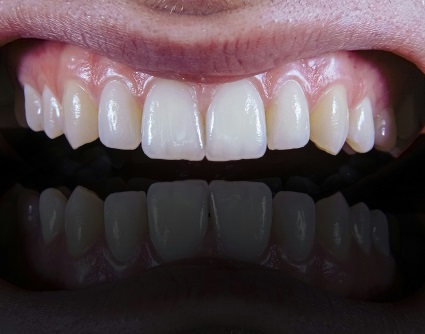
Oral health is a critical component of overall well-being that often receives insufficient attention. It encompasses the health of the teeth, gums, and other structures within the oral cavity. Oral health not only affects one’s ability to speak, eat, and smile but also influences an individual’s self-esteem and quality of life. Furthermore, poor oral hygiene can lead to a range of health complications, including periodontal disease, tooth decay, and even systemic health issues such as diabetes and heart disease.
One of the fundamental aspects of maintaining good oral health lies in the food we consume. A balanced diet rich in vitamins, minerals, and nutrients plays a significant role in the formation and preservation of strong teeth and healthy gums. Certain foods can enhance the natural defenses of the mouth, combating harmful bacteria that contribute to oral diseases. Thus, understanding which foods promote oral health is essential for effective dental care.
The relationship between diet and oral health extends beyond merely avoiding sugary snacks or acidic beverages. Certain foods can actively strengthen teeth and support gum health. For instance, calcium and phosphorus-rich foods such as dairy products and leafy greens play a crucial role in remineralizing enamel, while crunchy fruits and vegetables can aid in maintaining healthy gums through natural scrubbing action.
Moreover, hydration is essential for oral health; drinking water helps wash away food particles and bacteria while maintaining necessary saliva production. Saliva itself is a vital component of the oral ecosystem, protecting against decay and aiding in digestion. As we delve deeper into this discussion, we will explore specific foods that contribute positively to maintaining strong teeth and optimal oral health.
The Importance of Calcium
Calcium plays a crucial role in maintaining strong teeth and bones, forming the structural foundation of our dental health. As a mineral, calcium is essential not only for the development of strong teeth but also for their ongoing health throughout adulthood. Adequate calcium intake helps to prevent dental issues such as tooth decay and periodontal disease, as it contributes to the maintenance of bone density and the strength of the tooth enamel.
Dairy products are among the most well-known sources of calcium. Foods such as milk, cheese, and yogurt provide not only calcium but also phosphorous, another vital mineral that works in tandem to enhance tooth health. For individuals who may be lactose intolerant or prefer non-dairy options, there are several plant-based sources of calcium available. Almonds, for instance, contain a significant amount of calcium, along with healthy fats that can support overall oral health.
Leafy greens such as kale, collard greens, and broccoli are also excellent dietary sources of calcium and offer additional health benefits due to their high vitamin K content, which is important for bone health and mineralization. Other alternatives include fortified foods such as certain plant milks and cereals, which can supply adequate calcium levels in a balanced diet.
In addition to these dietary sources, it’s important to remember that the absorption of calcium can be influenced by the presence of vitamin D, which helps facilitate the mineral’s uptake in the body. Consuming a diet rich in calcium, complemented by adequate exposure to sunlight or vitamin D-rich foods, will contribute significantly to achieving optimal dental and overall health.
Vitamin D: The Sunshine Nutrient
Vitamin D plays a crucial role in dental health by facilitating the proper absorption of calcium, an essential mineral for strong teeth and bones. A deficiency in Vitamin D can lead to a decrease in calcium absorption, ultimately compromising the structure and strength of teeth. Additionally, Vitamin D contributes to the overall health of the oral cavity, helping to prevent periodontal disease and tooth decay.
One of the primary sources of Vitamin D is sunlight; when the skin is exposed to UV rays, it synthesizes this vital nutrient. Therefore, spending a moderate amount of time outdoors can significantly boost Vitamin D levels in the body. However, it is important to balance sun exposure to avoid the detrimental effects of excessive UV radiation.
In addition to sun exposure, dietary sources of Vitamin D are essential for maintaining adequate levels. Fatty fish, such as salmon, mackerel, and sardines, are rich in this nutrient and can be easily incorporated into a balanced diet. Other natural sources include mushrooms, particularly those exposed to sunlight, which can provide a plant-based alternative for vegetarians and vegans. Furthermore, many fortified foods, such as dairy products, orange juice, and cereals, are available to help individuals meet their Vitamin D requirements.
Incorporating an adequate amount of Vitamin D into one’s diet and lifestyle is vital for enhancing oral health. By ensuring strong tooth structure and contributing to better immune function, this nutrient plays an indispensable role in maintaining healthy teeth and gums. Regularly checking Vitamin D levels and adjusting diet or sun exposure accordingly can have long-term positive effects on dental and overall health.
The Power of Phosphorus
Phosphorus is an essential mineral that plays a pivotal role in maintaining strong teeth and overall oral health. It works synergistically with calcium, enhancing the rebuilding process of tooth enamel, which is important for preventing decay and ensuring optimal dental health. The combination of phosphorus and calcium not only fortifies the hard structure of teeth but also supports the overall strength of bones, making it critical for individuals of all ages.
Foods rich in phosphorus can significantly contribute to your daily nutritional needs, which ultimately benefits your dental health. Some of the most notable sources of phosphorus include meat, fish, eggs, and various nuts. For instance, lean cuts of beef and poultry are excellent sources, providing essential proteins and minerals while also being beneficial for tooth and bone strength. Fish is another superlative option, especially oily varieties such as salmon and mackerel, which are not only rich in phosphorus but also omega-3 fatty acids that promote gum health.
Eggs serve as another nutrient-dense source of phosphorus. They are not only versatile but also easy to incorporate into various meals, making them a convenient choice for enhancing dental health. Additionally, nuts such as almonds, cashews, and peanuts provide a healthy dose of phosphorus, along with beneficial fats that contribute to overall well-being. Including these foods in your diet can help create a mineral-rich environment conducive to strong teeth and gums.
Thus, ensuring adequate phosphorus intake through these foods is a practical approach to complement your oral care routine. By prioritizing phosphorus-rich foods, you are not only supporting the strength of your enamel but also promoting long-lasting oral health.
Fruits and Vegetables for Dental Hygiene
Fruits and vegetables play a vital role in maintaining oral health, particularly the crunchy varieties which have natural cleansing properties. Consuming these foods not only contributes to overall nutrition but can also help keep teeth clean and gums healthy. Crunchy fruits and vegetables like apples, carrots, and celery serve as nature’s toothbrushes, promoting better dental hygiene.
Apples, often referred to as “nature’s toothbrush,” are a prime example of how certain fruits can aid in oral health. Their fibrous texture requires chewing, which stimulates saliva production. Increased saliva is beneficial because it helps neutralize acids in the mouth and rinse away food particles, reducing the risk of cavities. Additionally, apples are high in water content, which also aids in hydration, further supporting oral health.
Carrots are another excellent choice for dental hygiene. Like apples, their crunchy texture encourages chewing, leading to increased saliva flow. Carrots are rich in vitamins and nutrients, particularly vitamin A, which is crucial for maintaining healthy mucous membranes and supporting gum health. Eating raw carrots can also help scrape away plaque and debris from the teeth, making them a practical snack for oral care.
Celery, although not as sweet, offers similar benefits. Its high water content and fibrous stalks help cleanse the teeth and gums as it is eaten. Chewing on celery can also aid in stimulating gum tissue, potentially reducing the risk of gum disease. Furthermore, celery contains minerals such as calcium and phosphorus, which are beneficial for strengthening tooth enamel.
Incorporating a variety of fruits and vegetables into your diet, particularly those that require thorough chewing, can greatly benefit dental hygiene. Their natural capacity to clean and stimulate gums is invaluable for maintaining strong teeth and promoting overall oral health.
The Role of Dairy Products
Dairy products have long been celebrated as significant allies in maintaining strong teeth and promoting oral health. Rich in essential nutrients, they provide a compelling case for their inclusion in a balanced diet aimed at enhancing dental wellness. Yogurt, cheese, and milk are the primary dairy foods that contribute to robust oral health, offering a range of benefits vital for both teeth and gums.
One of the key nutrients found in dairy products is calcium, a critical mineral that plays a fundamental role in the development and maintenance of strong teeth. Calcium helps fortify tooth enamel, making it more resistant to decay and erosion. Additionally, dairy products are often rich in phosphorus, another mineral that contributes significantly to dental health by supporting the remineralization process, which aids in repairing damaged enamel.
Moreover, yogurt is unique among dairy products due to its probiotic content. These beneficial bacteria can assist in maintaining a healthy balance of oral microbiota, potentially reducing the risk of gum disease and cavities. The presence of casein—a protein found in milk—also forms a protective layer on the teeth, further enhancing their strength and stability.
Cheese, in particular, has garnered attention for its ability to stimulate saliva production, which serves as a natural defense mechanism against tooth decay. Saliva helps neutralize acids in the mouth, wash away food particles, and provide essential minerals that contribute to enamel repair.
In summary, the integration of dairy products such as yogurt, cheese, and milk into one’s diet acts as a proactive measure to promote dental health. By incorporating these nutrient-rich foods, individuals can support their oral health and enjoy the benefits of strong teeth.
Nuts and Seeds: Small But Mighty
Nuts and seeds, though often overlooked, play a significant role in promoting oral health and maintaining strong teeth. Their nutrient profiles are rich in healthy fats, vitamins, and essential minerals, which contribute to overall dental wellness. Incorporating a variety of nuts and seeds into your diet can yield numerous benefits, particularly for your teeth.
One of the standout options in this category is almonds. These small nuts are an excellent source of calcium, which is critical for maintaining strong teeth and bones. Additionally, almonds contain phosphorous, another mineral that helps in rebuilding the enamel of the teeth. Their crunchy texture also promotes saliva production, which is essential for neutralizing harmful acids in the mouth and reducing the risk of cavities. Regular consumption of almonds can thus significantly contribute to both dental health and overall well-being.
Sesame seeds are another remarkable option for enhancing oral health. High in calcium, these small seeds can assist in strengthening tooth enamel and preventing decay. Moreover, they contain natural compounds like sesamin, which can support healthy gums and may even aid in reducing inflammation. Incorporating sesame seeds in a variety of dishes, such as salads or as a topping for breads, can provide an easy and flavorful way to enhance your diet.
In summary, nuts and seeds, particularly almonds and sesame seeds, provide essential nutrients that contribute to strong teeth. Their health benefits extend beyond oral health, making them a vital addition to any balanced diet. Whether consumed as snacks or as a part of meals, integrating these small but mighty foods can significantly enhance your dental health and overall vitality.
Sugar Alternatives for Healthy Teeth
The consumption of sugar has long been associated with various negative outcomes for oral health, primarily due to its role in the development of dental caries. Sugary foods and beverages provide a substrate for acid-producing bacteria, leading to the demineralization of tooth enamel. Therefore, reducing sugar intake is crucial for maintaining strong teeth and overall oral health.
Fortunately, there are several healthier sugar alternatives that can satisfy sweet cravings without causing harm to dental health. One notable alternative is xylitol, a natural sugar alcohol found in various fruits and vegetables. Research has shown that xylitol can inhibit the growth of cavity-causing bacteria, thereby promoting better oral health. Unlike sugar, xylitol is non-fermentable, which means it does not contribute to acid formation in the mouth. Incorporating xylitol into daily diets, through sugar-free gum or oral care products, can be an effective strategy for reducing the risk of tooth decay.
Another popular substitute is stevia, a natural sweetener derived from the leaves of the Stevia rebaudiana plant. Stevia is zero-calorie and does not impact blood sugar levels, making it an excellent option for those looking to maintain their oral health while satisfying their sweet tooth. Additionally, stevia has been linked to potential benefits in preventing cavities and promoting overall oral hygiene.
Honey is another sweet option that offers antimicrobial properties, which may help combat harmful bacteria in the mouth. Although honey should be consumed in moderation due to its natural sugar content, its health benefits can outweigh the risks when used appropriately. Choosing these alternatives can not only satisfy sweet cravings but also contribute to improved dental hygiene.
Conclusion: Building a Balanced Diet for Oral Health
Maintaining strong teeth and optimal oral health is a multifaceted endeavor that begins with dietary choices. A balanced diet, rich in essential nutrients, plays a crucial role in supporting dental health and preventing oral diseases. Throughout this discussion, we have highlighted the significance of specific foods that contribute positively to our oral hygiene.
Among the essential food groups, dairy products such as cheese and yogurt stand out for their calcium and phosphates, which are vital for remineralizing tooth enamel. Leafy greens, nuts, and seeds also provide an array of vitamins and minerals necessary for oral health. Foods rich in fiber, like fruits and vegetables, not only help stimulate saliva production – a natural defender against tooth decay – but also offer hydration that is beneficial for the gums.
Moreover, incorporating foods high in antioxidants, such as berries, can combat inflammation and infection in the oral cavity. It is important to note that while certain foods are advantageous, minimizing sugar intake and avoiding excessive acidic beverages are equally crucial for preserving strong teeth.
Incorporating these food choices into your daily diet can have a substantial impact on your overall oral health. Striving for variety and balance will not only foster an appealing palate but also establish a protective barrier against common dental issues. As you consider your options, remember that what nourishes the body will ultimately reflect in the health of your smile.
By making informed dietary choices and including a diverse array of beneficial foods, you can enhance your oral health and ensure that your teeth remain strong and resilient for years to come.