

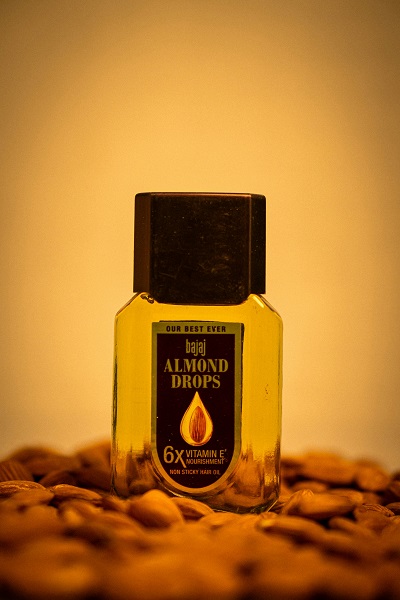
In recent years, hair oils have emerged as a vital component in hair care routines, recognized for their essential role in promoting healthier, stronger hair. The integration of hair oils can significantly enhance the overall health of hair, making them an indispensable solution for various hair concerns.
One of the primary benefits of hair oils is their ability to improve hair strength. Many oils, such as coconut, argan, and jojoba oil, are rich in fatty acids and vitamins that nourish hair shafts, reducing breakage and mitigating damage. The fatty acids found in these oils lock in moisture, which is crucial for maintaining hair elasticity and preventing split ends. Consequently, regular application of hair oils can lead to visibly stronger and more resilient hair.
Moreover, hair oils impart a natural shine and luster to hair, addressing issues related to dullness and lifeless strands. Many consumers struggle with hair that looks flat and lacks vitality, which can often be remedied by the use of a high-quality hair oil. By coating the hair with nourishing oils, individuals can achieve a glossy, healthy appearance without relying on heavy styling products that could contribute to build-up.
Furthermore, hair oils effectively combat dryness, which is a common problem that affects many individuals, especially in harsh weather conditions or due to over-processing. Oils help to create a protective barrier around each hair strand, preventing moisture loss and keeping the hair hydrated. This hydration not only enhances texture and manageability but also promotes overall hair vitality.
Thus, incorporating hair oils into one’s hair care routine can significantly address several common issues while ensuring stronger, healthier, and more radiant hair. With a variety of oils available, selecting the right one tailored to specific hair needs can lead to transformative results.
Criteria for Selecting Hair Oils
In the vast array of hair oils available in the market, it is essential to consider several key factors to ensure one selects the most suitable option for their specific hair needs. Understanding these criteria can significantly enhance the effectiveness of hair oils in promoting healthier and stronger hair.
The first criterion revolves around hair type. Different hair types—be it straight, wavy, curly, or coily—respond uniquely to various oils. For instance, heavier oils like argan and coconut oil work wonders for thick, coarse hair by providing moisture and reducing frizz. On the other hand, individuals with finer hair might benefit more from lightweight oils such as jojoba or sweet almond oil, which nourish without weighing the strands down.
Next, one must consider the composition of the oil. Each oil encompasses distinct fatty acid profiles, vitamins, and minerals that cater to specific hair concerns. For example, oils rich in omega fatty acids help restore elasticity, while oils containing vitamin E enhance shine and promote scalp health. Additionally, the presence of antioxidants in certain oils helps to protect hair from environmental damage.
Finally, understanding the specific benefits that various oils provide will aid in making an informed decision. For instance, tea tree oil is renowned for its antifungal properties, making it an excellent choice for those suffering from dandruff. Alternatively, castor oil is well-regarded for stimulating hair growth, while olive oil is often highlighted for its deep conditioning properties.
By evaluating one’s hair type, the composition of the oil, and the specific benefits each oil offers, individuals can make informed choices in selecting the best hair oils for achieving stronger, healthier hair.
Top Hair Oils for Strengthening Hair
When it comes to promoting hair strength, certain oils stand out for their unique properties and benefits. Here is a curated list of the best hair oils that are renowned for fortifying and revitalizing hair strands.
Coconut Oil: Known for its penetrative qualities, coconut oil is rich in lauric acid, which allows it to deeply nourish and strengthen hair from within. Regular application can help reduce protein loss, making strands less prone to breakage. To use, simply warm a small amount and massage it into the scalp and hair before washing it out.
Argan Oil: Extracted from the nuts of the argan tree, this oil is packed with essential fatty acids and vitamin E, providing excellent hydration. Argan oil not only helps to combat frizz but also strengthens hair, making it more resilient to damage. It can be applied both on damp hair as a leave-in conditioner or on dry hair to add shine.
Jojoba Oil: Closely resembling the natural oils produced by our scalp, jojoba oil is an excellent option for strengthening hair without weighing it down. Its light texture absorbs quickly, providing hydration and promoting a healthy scalp environment. Jojoba oil can be used as a pre-shampoo treatment or mixed into conditioners for added nourishment.
Olive Oil: A staple in many households, olive oil is not just a kitchen ingredient; it is also a powerful moisturizer for hair. It strengthens hair due to its rich content of oleic acid and antioxidants. Massage warm olive oil into the hair and scalp to enhance its application, leaving it on for at least 30 minutes before washing it out for optimal results.
Castor Oil: Renowned for its ability to promote hair growth, castor oil is thick and packed with ricinoleic acid, which aids in improving circulation to the scalp. This oil can be mixed with other lighter oils for easier application, and when incorporated into a regular routine, it helps to strengthen hair and reduce overall hair fall.
Each of these oils offers unique benefits that can contribute significantly to stronger and healthier hair. Incorporating them into your hair care regimen can lead to remarkable improvements in your hair’s strength and vitality.
How to Apply Hair Oils Effectively
Applying hair oils effectively can significantly enhance your hair’s strength and overall health. The process begins with pre-application preparations. First, assess your hair type and choose an oil that suits your specific needs. For instance, coconut oil is often recommended for dry hair, while argan oil can be beneficial for frizz control. Ensure the oil is at room temperature, as warm oil can penetrate the hair shaft better than cold oil.
Before application, it is advisable to wash your hair lightly to remove any excess dirt or product build-up. Following this, section your hair into manageable parts. This segmentation allows for more thorough coverage, which is essential for the oil to be effective. You can use clips or hair ties to keep each section separate during the application process.
To apply the oil, take a small amount into your palm and rub your hands together to warm it up. This step enhances absorption. Next, work the oil into your scalp with your fingertips, using circular motions to stimulate blood circulation, which is vital for healthy hair growth. Continue by applying it through the lengths of your hair, focusing particularly on the ends, which tend to be the most damaged.
Once the oil is evenly distributed, you may choose to leave it on for a minimum of 30 minutes or longer, depending on your hair needs. For added benefits, wrap your hair in a warm towel or a shower cap to create a warm environment that allows the oil to penetrate deeper. Finally, rinse your hair using a mild shampoo to remove the excess oil. Following these steps, you can effectively incorporate hair oils into your hair care routine, promoting stronger and healthier strands over time.
Homemade Hair Oil Recipes
Creating homemade hair oils can be an effective and rewarding way to promote stronger hair. Here, we will explore several simple recipes that utilize natural oils and essential ingredients known for their beneficial properties.
Coconut and Olive Oil Blend
Ingredients: 1/2 cup coconut oil, 1/4 cup extra virgin olive oil, 10 drops of rosemary essential oil.
Instructions: In a small saucepan, gently heat the coconut oil until it is liquefied. Stir in the olive oil and rosemary essential oil. Allow the mixture to cool before transferring it into a glass container. This blend is rich in vitamins and healthy fats that help to strengthen hair and promote moisture.
Castor Oil and Jojoba Oil Mix
Ingredients: 1/4 cup castor oil, 1/4 cup jojoba oil, 5 drops of lavender essential oil.
Instructions: Combine both oils in a clean bottle and shake well to ensure thorough mixing. For optimal results, apply the oil to your scalp and massage it in. This mixture can nourish the hair follicles and enhance hair growth.
Avocado and Almond Oil Infusion
Ingredients: 1/2 ripe avocado, 1/4 cup sweet almond oil, 1 tsp vitamin E oil.
Instructions: Blend the ripe avocado until smooth, then combine with almond oil and vitamin E in a bowl. Mix until well combined, and apply to damp hair, focusing on the ends. Allow it to sit for at least 30 minutes before rinsing out. This oil infusion is packed with nutrients that fortify hair strands.
These homemade hair oils are easy to prepare and can be stored in a cool, dark place for several weeks. Regular use can significantly enhance the strength and health of your hair, making them a valuable addition to your hair care routine.
Common Mistakes When Using Hair Oils
Hair oils are widely celebrated for their ability to nourish and strengthen hair, yet many individuals do not achieve the desired results due to common mistakes during application. One of the most frequent errors is the use of excessive amounts of hair oil. While it might seem logical that more product could yield better results, applying too much oil can lead to greasy hair and difficulty managing it. It is essential to understand that a small amount, typically a few drops, is often sufficient to coat and nourish the hair without weighing it down.
Another prevalent mistake is incorrect application techniques. Many people apply hair oil only to the scalp, neglecting the lengths and ends of their hair. This can result in an imbalance where the scalp may become too oily while the mid-shaft and ends remain dry and damaged. For optimal results, hair oils should be evenly distributed throughout the hair, ensuring that every strand benefits from the nourishing properties of the oil. Additionally, combing through the hair after application can help distribute the oil evenly.
Timing is another critical factor. Some individuals may apply hair oil right before washing their hair, which can dilute the benefits. To maximize the advantages of hair oils, consider using them as a pre-wash treatment or leave-in conditioner. Allowing the oil to penetrate the hair shaft for an extended period can enhance hydration and strength. Furthermore, not selecting the right type of oil for one’s specific hair type can hinder results. For instance, thicker oils like castor oil may be too heavy for fine hair types, while lighter oils like argan oil may be suitable for all hair types.
By avoiding these common pitfalls, individuals can effectively utilize hair oils to improve their hair health and achieve stronger, shinier locks.
Integrating Hair Oils into Your Hair Care Routine
Incorporating hair oils into your hair care regimen can significantly enhance the strength and overall health of your hair. The integration process can be personalized based on hair type, condition, and specific needs. To seamlessly include hair oils, one must consider when and how often they should be applied. As a general guideline, using hair oils 2-3 times a week can yield optimal results without overwhelming your strands.
Before applying hair oil, it is important to establish whether you wish to use it for pre-wash treatment or as a finishing touch. For a pre-wash application, hair oils can be massaged into the scalp and hair, promoting nourishing benefits and improving hair manageability. For this method, it is advisable to leave the oil on for at least 30 minutes, though overnight applications may yield even better results.
When using hair oil post-wash, a small amount can be applied to damp hair to lock in moisture. In this case, oils can be used in conjunction with other products, such as shampoos and conditioners. Adding a few drops of hair oil to your conditioner can increase its hydrating properties and aid in detangling. Additionally, using oil as a styling serum helps to tame frizz and adds shine, ensuring your hair looks healthy and vibrant.
It’s worth noting that different hair types may require varying frequency and quantities of oil. For instance, those with fine hair might benefit from lighter oils, such as jojoba or argan oil, and should use them sparingly to avoid weighing down their hair. Conversely, thicker or curlier hair types may thrive with richer oils, allowing for more generous applications.
Testimonials and Results
The effectiveness of hair oils has been demonstrated through numerous real-life testimonials from individuals who have experienced significant changes in their hair health and strength. Many users have shared their personal journeys and the transformations they witnessed after incorporating various hair oils into their hair care routine.
One user, Sarah, reported using coconut oil for several months. She stated, “Before using coconut oil, my hair was brittle and lacked shine. After a consistent application, I noticed my hair becoming noticeably stronger and more manageable. The shine it gained was beyond what I expected!” Her before-and-after photos showcased thicker, healthier hair, providing visual evidence of the oil’s effectiveness.
Another individual, John, shared his experience with argan oil: “As a person with previously thinning hair, I was skeptical about hair oils. However, after adding argan oil to my nightly routine, I began to see promising results within weeks. My hair is not only fuller but also feels nourished and soft to the touch.” His transformations were complemented by remarkable photographs highlighting his revitalized hair volume.
Additionally, testimonials for castor oil have garnered attention for their efficacy in promoting hair growth. A dedicated user named Emily remarked, “I struggled with patches of thinning hair for years. Once I started applying castor oil regularly, my hair began to grow back, and I also saw my hair density improving. The results were astonishing!”
These real-life experiences emphasize the diverse benefits found in various hair oils, showcasing how individuals have successfully harnessed their properties to achieve stronger and healthier hair. Such testimonials not only provide relatable insights but also underline the transformative potential of using hair oils as a part of a comprehensive hair care regimen.
Conclusion – Final Thoughts on Hair Oils
Throughout this discussion, we have explored the significant role that hair oils play in promoting stronger, healthier hair. Each oil mentioned has its unique set of benefits, whether it is enhancing moisture retention, reducing frizz, or providing essential nutrients that fortify the hair shaft. The key takeaway is the importance of selecting the right product tailored to individual hair types and concerns.
For instance, individuals with dry or damaged hair might benefit more from nutrient-dense oils such as argan or coconut oil. Meanwhile, those with oily scalps could opt for lighter oils, like jojoba or grapeseed oil, which nourish without weighing hair down. Furthermore, regular application of these oils can lead to improved elasticity and shine, ultimately transforming the overall appearance and health of one’s hair.
In the quest for optimal hair care, it is essential to take personal hair care needs into consideration. This involves understanding one’s hair type, texture, and specific issues, such as dryness or breakage. The incorporation of suitable hair oils into a routine can yield noticeable improvements in strength and vitality over time.
Ultimately, the journey to healthier hair is multifaceted, and while hair oils are an integral part of this process, they work best when combined with a holistic approach that includes a balanced diet, regular trims, and gentle handling of hair. If you have not incorporated hair oils into your regimen yet, consider experimenting with different types to discover what works best for you. Investing in the right hair care products can make all the difference in achieving the strong, resilient hair you desire.