

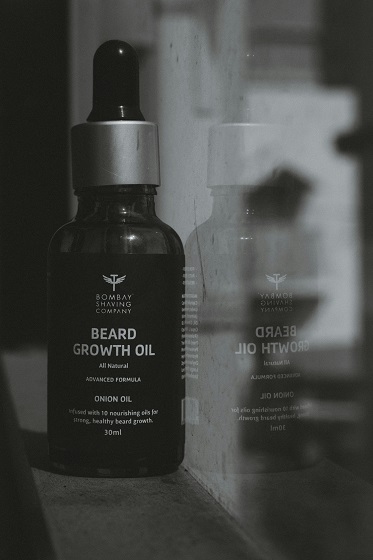
Healthy hair growth serves not only as a vital aspect of personal grooming but also plays a significant role in enhancing self-esteem and confidence. The journey towards achieving optimal hair growth can be multifaceted, influenced by various intrinsic and extrinsic factors. Genetics, age, hormonal changes, nutritional intake, and lifestyle choices all contribute to the rate and quality of hair growth. Understanding these elements is essential for anyone looking to improve their hair’s health and appearance. The foundation of effective hair growth lies in maintaining a healthy scalp. The scalp provides a nurturing environment for hair follicles, and any imbalance or deficiency can hinder hair development. For instance, inadequate nutrition can lead to weaker strands, while excessive heat styling or chemical treatments may cause damage, ultimately stunting growth. Incorporating a balanced diet rich in vitamins and minerals, particularly B vitamins, Vitamin D, and zinc, can foster stronger hair and support healthy regrowth. Moreover, the importance of hydration should not be overlooked when it comes to hair care. Both the body and scalp require adequate moisture to promote healthy growth. It is crucial to hydrate from the inside out through sufficient water intake, as well as utilizing appropriate moisturizers and conditioners on the hair itself. Implementing protective hairstyles, minimizing exposure to harsh environmental elements, and adopting a gentle hair washing routine can further optimize the conditions necessary for hair growth.
In the following sections, we will delve into specific hair growth tips that have been statistically proven to yield positive results. By understanding the intricacies of hair growth and implementing mindful practices, individuals can better navigate their journey towards achieving healthy, luscious locks.
Understanding Hair Growth Cycles
The human hair growth cycle consists of three distinct phases: anagen, catagen, and telogen. Each phase plays a crucial role in determining the overall health and length of hair, and comprehending how these cycles work can aid individuals in implementing effective hair growth tips.
The first phase, known as the anagen phase, is the active growth stage of hair follicles. It can last anywhere from two to seven years, depending on individual genetics and health. During this phase, hair grows continuously, and the rate can be influenced by factors such as diet, nutrition, and overall health. Proper care during this stage is essential for achieving longer hair, as it sets the foundation for future growth.
The second phase, catagen, is a brief transitional stage that lasts around two to three weeks. During this time, hair growth slows, and the outer root sheath shrinks. Although this phase is relatively short, its effects can be significant; it prepares the hair follicle for the subsequent resting phase, during which the hair strand is eventually shed. An understanding of this phase can help individuals recognize the normal hair shedding process, which can fluctuate due to various external factors.
Lastly, the telogen phase is the resting period that lasts approximately three to four months, where no new growth occurs. At the end of this phase, the hair naturally falls out, making room for new growth to begin. This natural cycle of shedding and regrowth is crucial for maintaining a healthy head of hair. Awareness of these hair growth cycles helps in not only diagnosing potential hair loss but also in tailoring hair care practices that correspond with each phase, ultimately fostering an environment conducive to healthy hair growth.
Nutrition for Optimal Hair Growth
Nourishing the body with the right nutrients is fundamental for optimal hair growth. A well-balanced diet not only supports overall health but also promotes the strength and vitality of hair follicles. Essential vitamins and minerals play a crucial role in enhancing hair growth and preventing hair loss. Among these, biotin, iron, and omega fatty acids are particularly noteworthy.
Biotin, a water-soluble B vitamin, is known for its significant impact on hair health. Incorporating biotin-rich foods such as eggs, nuts, and whole grains can help stimulate keratin production, leading to stronger hair. A deficiency in biotin can result in thinning hair and diminished growth, making it essential to ensure that one’s diet includes adequate levels of this nutrient.
Iron is another vital mineral that supports hair growth. It plays a key role in the supply of oxygen to hair follicles, facilitating growth and repair. Foods rich in iron, including leafy greens, red meat, legumes, and fortified cereals, should be included in one’s regular diet. It is important to note that iron absorption can be enhanced by pairing iron-rich foods with vitamin C sources like citrus fruits and bell peppers.
Furthermore, omega fatty acids are essential for maintaining a healthy scalp, which directly affects hair growth. These fats help to nourish the hair follicles and promote shine. Foods high in omega fatty acids, such as fatty fish (like salmon and sardines), walnuts, and flaxseeds, should be prioritized. They ensure that the scalp remains hydrated, preventing dryness and flakiness, both of which can hinder hair growth.
Ultimately, a diet rich in these nutrients—biotin, iron, and omega fatty acids—can significantly contribute to healthier hair growth. This focus on nutrition is not only beneficial for hair but is also essential for overall health and well-being.
Scalp Care and Stimulation Techniques
Maintaining a healthy scalp is pivotal in promoting hair growth and overall hair health. The condition of the scalp directly influences the strength and vitality of hair follicles. Consequently, incorporating effective scalp care practices can significantly enhance hair growth. One of the most effective methods is through regular scalp massages, which stimulate blood circulation. Increased blood flow to the scalp nourishes hair follicles with essential nutrients and oxygen, creating an optimal environment for hair growth.
Scalp massages can be easily integrated into daily routines. Using the fingertips, one can apply gentle pressure in a circular motion across the entire scalp for several minutes. This simple technique not only boosts circulation but also helps relieve tension and stress, which are known contributors to hair loss. For added benefits, incorporating natural oils during the massage can further enhance the effects. Oils such as coconut, olive, or castor oil are rich in nutrients that further nourish the scalp.
Another beneficial technique includes exfoliating the scalp, which removes dead skin cells and product buildup. This process helps unclog pores and ensures that hair follicles are healthy and capable of performing effectively. Regular exfoliation can support scalp health and increase the absorption of beneficial oils and nutrients, thus preparing the scalp for optimal hair growth.
In addition to these techniques, utilizing essential oils, such as rosemary or peppermint, can promote scalp stimulation. These oils are known for their properties that encourage hair growth and can be mixed with a carrier oil before application. Properly caring for the scalp with these practices not only promotes hair growth but also contributes to the overall health of the hair. Engaging in these practices regularly can foster a balanced and flourishing environment for your hair to thrive.
Avoiding Damaging Hair Practices
Maintaining healthy hair is essential for promoting growth and ensuring overall hair vitality. A significant number of individuals unknowingly engage in practices that can severely hinder this process. One of the most common damaging behaviors is excessive heat styling. Frequent use of tools like hair straighteners, curling irons, and blow dryers can lead to dryness and breakage. To safeguard your tresses, consider limiting heat exposure and incorporating heat protectant sprays whenever these tools are utilized. Additionally, embracing natural hairstyles or air-drying methods can contribute positively to hair health.
Another damaging practice that often goes overlooked is the use of harsh chemical treatments, such as relaxers and dye products. These chemicals can strip the hair of its natural oils and alter its structure, leading to weakness and split ends. As an alternative, opting for natural hair dyes and treatments that do not contain sulfates or parabens can be significantly less harmful. Moreover, implementing a more gradual approach to coloring or styling, such as balayage or gradual highlights, allows for less frequent touch-ups and reduces chemical exposure.
Furthermore, improper combing or brushing techniques can also result in hair damage. It is advisable to use a wide-toothed comb, especially on wet hair, as this minimizes breakage. Additionally, starting from the ends and working your way up to the roots can help in disentangling knots without causing undue stress on the strands.
By recognizing and modifying these damaging hair practices, individuals can enhance the health of their hair and foster an environment conducive to growth. Simple changes in styling habits can make a substantial difference, leading to stronger, more resilient hair.
Hair Growth Supplements and Treatments
In the pursuit of effective hair growth, numerous supplements and topical treatments have emerged as viable options. These frequently marketed products aim to support hair follicle health and stimulate hair growth. However, understanding their effectiveness and the scientific backing behind them is crucial for making informed choices.
One popular category of hair growth supplements includes vitamins and minerals, notably biotin, vitamin D, iron, and zinc. Biotin, in particular, is often promoted for its role in keratin production, an essential protein for hair structure. A deficiency in these nutrients can lead to hair thinning, thus supplementation may provide a solution. Scientific studies have indicated that biotin does play a role in enhancing hair health, although more rigorous research is necessary to establish definitive outcomes.
Topical treatments also occupy a significant space in the realm of hair restoration. Minoxidil, the active ingredient in several well-known over-the-counter products, is FDA-approved for stimulating hair growth in both men and women. Research substantiates its efficacy in increasing hair density and slowing down hair loss, making it a common recommendation for those experiencing thinning hair. On the other hand, lower-quality products may lack the necessary active ingredients or appropriate formulations to yield visible results. Therefore, it is vital to select reputable brands and be wary of exaggerated claims.
Additionally, natural options such as essential oils, including rosemary and peppermint oil, have gained popularity for their potential benefits in promoting hair vitality. While some studies suggest these oils could boost circulation to the scalp, further research is needed to validate their effectiveness in hair growth. Consumers should approach all treatments, natural or synthetic, with a degree of skepticism and consult healthcare professionals to determine the best course of action based on individual circumstances.
Creating a Consistent Hair Care Routine
Establishing a consistent hair care routine is crucial for promoting hair growth and maintaining healthy hair. Individual hair types, whether straight, curly, wavy, or coily, dictate specific care methods, so it is essential to assess your hair’s unique needs. This tailored approach ensures you are treating your hair with products and techniques conducive to its condition.
The first step in a successful routine is determining the frequency of washing your hair. For individuals with oily scalps, more frequent washes with a suitable shampoo are advised, typically two to three times a week. Conversely, those with dry or curly hair may benefit from washing less often, perhaps once a week, to retain natural oils that promote moisture and elasticity. Choose a sulfate-free shampoo to gently cleanse without stripping essential oils from the hair.
Conditioning is another vital aspect of hair care that should not be overlooked. Applying a good conditioner after each wash ensures that the hair maintains its hydration levels, reducing frizz and improving overall appearance. Additionally, incorporating a deep conditioning treatment weekly can offer intensive nourishment, especially for damaged hair. Look for products that contain ingredients like argan oil, shea butter, or keratin, as these can significantly enhance hair strength and manageability.
Protection strategies are equally important in a comprehensive hair care routine. For those prone to heat damage, using a heat protectant spray before styling is essential to prevent breakage. Furthermore, minimizing the use of harsh styling tools can reduce wear and tear on hair strands. Consider adopting protective hairstyles that minimize manipulation, particularly for textured hair, as these can help shield hair from environmental factors while promoting growth.
In conclusion, a successful hair care routine hinges on consistency and understanding of individual hair needs. By developing a regimen that includes appropriate washing frequency, conditioning, and protective practices, one can significantly enhance the potential for healthy hair growth.
Lifestyle Factors That Influence Hair Growth
The health of your hair is closely linked to your overall lifestyle choices. Factors such as stress levels, sleep quality, and hydration play vital roles in determining the vitality and growth of your hair. Understanding these relationships can provide insight into effective hair growth strategies.
Stress management is essential for maintaining a healthy body, which directly affects hair health. Chronic stress can lead to conditions such as telogen effluvium, a temporary form of hair loss caused by the body reacting to stress. Incorporating stress-reducing practices into your daily routine, such as mindfulness meditation, yoga, or regular physical activity, can help mitigate the negative impacts of stress on hair growth.
Equally important is the quality of sleep you receive each night. Adequate and restful sleep is crucial for cellular repair and regeneration processes, including those that support hair follicles. During deep sleep, the body releases hormones and proteins essential for growth and repair. Prioritizing restful sleep by establishing a calming bedtime routine and ensuring an optimal sleep environment can promote better hair health.
Hydration also plays a significant role in the condition of your hair. Water is crucial for various bodily functions, including the transport of nutrients and the removal of toxins. Dehydration can negatively affect the hair’s moisture levels, leading to dryness, brittleness, and breakage. It is essential to maintain proper hydration levels by drinking sufficient amounts of water throughout the day and incorporating hydrating foods into your diet, such as fruits and vegetables.
In essence, embracing a holistic approach to your lifestyle by managing stress, ensuring quality sleep, and maintaining hydration can significantly enhance hair health, paving the way for effective hair growth. Integrating these factors into your daily routine may yield noticeable improvements in the quality and vitality of your hair.
Conclusion and Final Thoughts
In conclusion, adopting effective hair growth strategies is essential for anyone experiencing hair thinning or seeking to boost their hair’s overall health. Throughout this blog post, we have explored a variety of evidence-based methods, including proper nutrition, regular scalp stimulation, and the use of suitable hair care products. Each of these strategies can significantly contribute to enhancing hair density and promoting natural hair growth.
Prioritizing a diet rich in vitamins and minerals, especially biotin and omega-3 fatty acids, may lay a strong foundation for fuller hair. Moreover, implementing techniques such as scalp massages can improve circulation and foster a healthy environment for hair follicles. It is also vital to choose hair care products carefully, avoiding those that may cause damage or hinder growth.
As you consider these effective tips for hair growth, it is important to remember that individual results may vary. Each person’s hair is unique, and responses to treatments can differ. Therefore, patience and consistency are critical in any hair growth routine. By integrating these strategies into your daily regimen and monitoring progress, you may find an approach that works well for you.
We encourage readers to share their own experiences, tips, and any personal success stories related to hair growth. The journey to healthy hair is often filled with trial and error, and your insights could provide invaluable support to others facing similar challenges. Together, we can foster a community of individuals committed to hair health and well-being.