

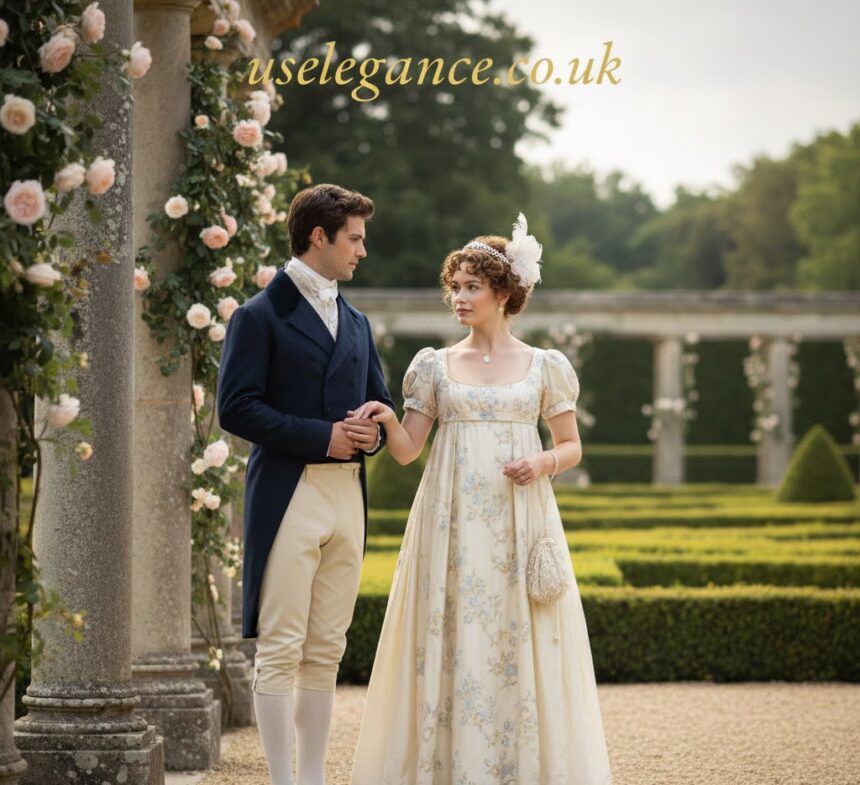
Regency fashion is a captivating blend of elegance and innovation that emerged during the early 19th century. This period, spanning from 1811 to 1820 in Britain, was marked by remarkable shifts in art, culture, and social norms. With its emphasis on simplicity and grace, Regency attire encapsulated a sense of freedom that broke away from the opulence of previous styles. Imagine swirling skirts adorned with delicate fabrics or sharply tailored coats that accentuate one’s physique. Regency fashion not only defined an era but also laid the groundwork for modern style. The allure of this timeless aesthetic continues to inspire designers today. As we delve into the intricacies of fashion regency, you’ll discover how it reflects both individuality and societal ideals while influencing contemporary trends in unexpected ways.
Influences and Characteristics of Regency Fashion
Regency fashion emerged in the early 19th century, reflecting a shift towards elegance and simplicity. Influenced by classical art and architecture, this style emphasized clean lines and natural silhouettes.
The Romantic movement also played a significant role, celebrating individuality and emotional expression. As a result, fabrics like muslin became popular for their lightness and drape. Key characteristics included high waistlines that raised just under the bust—known as empire waists—and flowing skirts that accentuated the female form without constriction. This was a departure from previous styles that prioritized structure over comfort. Men’s attire mirrored these changes with tailored suits featuring slimmer cuts. The dandy look, marked by sharp tailoring and ostentatious accessories, defined male elegance during this era. Color palettes ranged from pastels to rich jewel tones while patterns often included florals or stripes. Such influences contributed to an enduring aesthetic still celebrated today in modern fashion regency discussions.
Women’s Regency Fashion: From Undergarments to Outerwear
Women’s Regency fashion was a fascinating blend of elegance and practicality. The era saw a shift from the heavily structured garments of previous decades to softer silhouettes that celebrated natural beauty.
Undergarments played a critical role in achieving this look. Women wore chemises and stays, which provided support while allowing for freedom of movement. The emphasis was on enhancing the body’s shape rather than constraining it. Dresses featured high waistlines, typically just under the bust, flowing gracefully down to ankle-length skirts. Fabrics like muslin became popular for their lightness and softness, often embellished with delicate embroidery or lace trims. Outerwear included cloaks and spencers—short jackets that complemented the gown’s silhouette without overshadowing its charm. Color palettes were soft pastels or muted hues, reflecting a romantic sensibility while maintaining an air of sophistication. This period truly redefined femininity in attire, setting standards that resonate through modern fashion today.
Men’s Regency Fashion: Dandyism and Beau Brummell
Men’s Regency fashion was heavily influenced by the concept of dandyism. This movement celebrated a particular style and demeanor that focused on elegance and sophistication. It transformed men’s clothing into an art form. At the forefront of this trend was Beau Brummell, a man who became synonymous with refined taste. He emphasized tailored fits, crisp white cravats, and polished boots. His influence encouraged men to pay meticulous attention to their appearance. Brummell rejected ostentation in favor of understated luxury. The idea was not just about clothes but also about how one carried oneself—confidence played a crucial role. Tailoring became essential during this era, with tailors crafting garments that flattered each individual shape. Fabrics like wool and silk were popular choices, adding depth to every ensemble while maintaining comfort and mobility for the wearer. Dandies often accessorized with gloves or walking sticks that completed their meticulously curated looks. Their styles set trends still echoed in contemporary fashion today.
Accessories in Regency Fashion
Accessories played a vital role in Regency fashion, adding layers of sophistication and flair to any outfit. Women often adorned themselves with delicate jewelry pieces like pearl necklaces, gold brooches, and intricate hairpins. These elements highlighted their elegance and refined taste. Gloves were another essential accessory. Women typically wore long satin or kid gloves that extended past the elbow. This not only protected their hands but also signified social status. Men’s accessories were equally notable. Cravats became synonymous with dandyism, crafted from fine fabrics such as silk or linen. They could be tied in various styles that showcased personal flair. Hats completed many outfits for both genders—top hats for men and bonnets or turbans for women added distinct character to their looks. Each accessory was carefully chosen to enhance an individual’s style while adhering to societal norms of the time.
Impact and Legacy of Regency Fashion on Modern Style
Regency fashion has left an indelible mark on modern style. The elegant silhouettes and emphasis on natural waistlines continue to inspire contemporary designers. High-waisted dresses reminiscent of the era grace runways, capturing that timeless appeal. Today’s romantic aesthetics often draw from Regency elements. Flowy fabrics, soft pastel colors, and delicate details evoke a sense of nostalgia while remaining fresh and current. Accessories such as statement headbands or ornate jewelry echo the opulence once favored by members of high society. This blend creates a unique fusion that celebrates both history and innovation. The dandyism seen in men’s attire during this period influences today’s tailoring trends. Well-fitted suits with playful touches serve as reminders of Beau Brummell’s legacy. As fashion cycles through time, the Regency era remains relevant, reminding us of elegance intertwined with everyday wear.
Conclusion
Regency fashion remains a captivating subject that continues to inspire designers and fashion enthusiasts alike. Its emphasis on elegance, refinement, and individuality captures the essence of a transformative era in style. The interplay between societal norms and personal expression during this period birthed trends that resonate even today. From the delicate lines of women’s gowns to the sartorial flair exhibited by men, Regency attire is rich with historical significance. Accessories played their part too, enhancing outfits while showcasing status and taste. The influence of figures like Beau Brummell introduced concepts of dandyism that still permeate modern men’s fashion choices. As we admire these styles, it’s clear that Regency fashion laid down principles of tailoring and aesthetics that persist through time. Looking back at this exquisite period helps us appreciate just how timeless elegance can be woven into our lives today. Exploring past fashions not only enriches our understanding but also allows us to reimagine them within contemporary contexts—making them ever-relevant as we create our unique styles in an evolving world.