

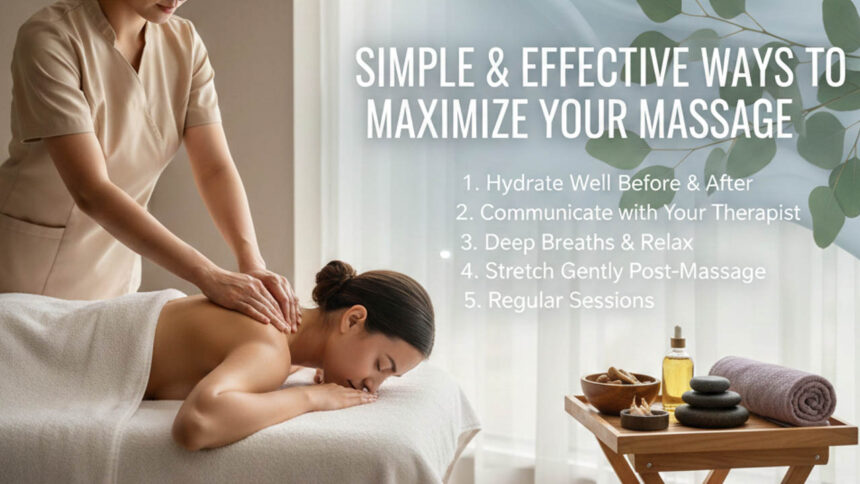
Massage therapy is more than just a luxury; it’s a powerful tool for relaxation and healing. Whether you’re seeking relief from stress, muscle tension, or simply looking to indulge in some self-care, maximizing your massage experience can elevate its benefits significantly. Imagine stepping into a serene environment where every knot in your muscles melts away under the skilled hands of a therapist. Sounds enticing, right?
In this guide, we’ll explore seven simple yet effective ways to enhance your massage sessions. From understanding the different types of massages available to creating the perfect atmosphere and communicating effectively with your therapist—let’s dive into how you can transform each visit into an unforgettable experience that leaves you feeling rejuvenated and balanced.
The Benefits of Massage Therapy
Massage therapy offers a plethora of benefits that extend beyond mere relaxation. It’s known to reduce muscle tension and alleviate pain, making it an excellent choice for athletes and those with physically demanding jobs.
Many people find that regular massages help in managing stress and anxiety. The soothing touch can trigger your body’s natural relaxation response, leading to improved mental clarity and emotional well-being.
Circulation is another area where massage shines. Enhanced blood flow promotes healing by delivering oxygen and nutrients more efficiently throughout the body. This boost can be especially beneficial after intense workouts or injuries.
Additionally, massage therapy supports better sleep patterns. By easing physical discomfort and calming the mind, many individuals report falling asleep faster and enjoying deeper rest afterward.
There’s something undeniably uplifting about human touch—a connection that fosters comfort and security in our often hectic lives.
Understanding Different Types of Massages
There are various types of massages, each serving a unique purpose. Swedish massage is popular for relaxation, utilizing long strokes and kneading to ease tension in the body.
Deep tissue massage focuses on realigning deeper layers of muscles and connective tissues. It’s ideal for chronic pain or tightness.
For athletes, sports massage enhances performance and prevents injuries. Techniques vary based on the athlete’s needs, targeting specific muscle groups.
If stress relief is your goal, consider aromatherapy massage. This combines soothing essential oils with gentle techniques to promote tranquility.
Hot stone massage employs heated stones placed on key points of the body to relax muscles and improve circulation.
Then there’s prenatal massage designed specifically for expectant mothers. It alleviates discomfort while ensuring safety throughout pregnancy.
Understanding these options can help you select the perfect treatment tailored to your individual needs.
How to Choose the Right Massage for You
Selecting the right massage can feel overwhelming with so many options available. Start by identifying your specific needs. Are you looking to relieve tension, ease chronic pain, or simply relax?
Next, explore different types of massages. Swedish is perfect for relaxation and stress relief, while deep tissue targets deeper muscle layers for more intense work. If you’re recovering from an injury, consider sports therapy.
Consider your comfort level as well. Some people prefer gentle techniques; others may need firmer pressure to truly benefit. Don’t hesitate to ask questions when booking—your therapist can guide you based on their expertise.
Think about the atmosphere that appeals to you most. A tranquil space enhances the experience significantly and helps in achieving total relaxation during your session.
Setting the Mood for a Relaxing Massage Experience
Creating the right atmosphere can significantly enhance your massage experience. Start by choosing a quiet space, free from distractions. Soft lighting sets a calming tone, so consider dimming the lights or using candles for a warm glow.
Sound plays an important role too. Gentle music or nature sounds can help drown out any background noise and promote relaxation.
Aromatherapy adds another layer of tranquility. Essential oils like lavender or eucalyptus can elevate your senses and create a soothing environment.
Comfort is key; make sure you have soft blankets and pillows available to support your body during the session. A comfortable temperature in the room will also ensure that you feel relaxed throughout.
Take a moment to breathe deeply before starting your massage. This simple act prepares both mind and body for what’s to come, allowing you to fully embrace the experience ahead.
Preparing Your Body for a Massage
Preparing your body for a massage can enhance the overall experience. Start by staying hydrated. Drink plenty of water before and after your appointment to help flush out toxins.
Consider light stretching or gentle movement prior to your session. This helps loosen tight muscles and allows for better circulation, making it easier for the therapist to work on you.
Avoid heavy meals right before your massage; this can lead to discomfort while lying down. Instead, opt for a small snack if you’re hungry.
Arriving early gives you time to unwind in the waiting area. Take deep breaths and focus on relaxation as you anticipate your treatment.
Wear comfortable clothing that’s easy to remove or adjust. This way, you’ll be more at ease during the session without worrying about restrictive outfits affecting your comfort level.
Tips for Communicating with Your Massage Therapist
Effective communication is key to a successful massage experience. Start by sharing your goals and expectations with your therapist. Are you looking for relaxation, relief from pain, or muscle recovery? Being clear about your needs helps them tailor the session just for you.
Don’t hesitate to discuss any discomfort during the massage. Your comfort should always come first. If something feels too intense or not effective enough, let them know right away.
Ask questions if you’re unsure about techniques or pressure levels. A good therapist will appreciate your curiosity and provide guidance.
Pay attention to non-verbal cues as well. Sometimes body language can express what words cannot.
Give feedback after the session; it helps therapists improve their skills and enhance future visits tailored specifically for you.
Post-Massage Self Care Tips
After your massage, take a moment to savor the relaxation. Allow your body to absorb the benefits of the therapy.
Hydration is key. Drink plenty of water to flush out toxins released during the session. Herbal teas can be soothing too.
Consider light stretching or gentle yoga afterward. This can enhance flexibility and keep those muscles feeling limber.
Rest is essential. Give yourself time to unwind without rushing back into daily activities. A cozy blanket and a good book might just do the trick.
If you’re feeling sore, use ice packs on tight areas for 15 minutes at a time. Heat pads can work wonders for tension relief later in the day.
Keep an open line with your therapist if you have concerns post-massage. They can provide tailored advice based on your experience and needs moving forward.
Conclusion
Maximizing your massage experience can lead to a deeper sense of relaxation and well-being. By understanding the benefits of various types of massages, you empower yourself to select one that meets your unique needs. Setting the right atmosphere and preparing both mentally and physically are crucial steps in enhancing your overall experience.
Communication with your therapist is key; this ensures they tailor their techniques to suit you best. Don’t forget about self-care after your session—taking time for yourself helps maintain those positive effects long after you’ve left the treatment room.
Embrace these simple yet effective strategies to elevate each massage session from routine to rejuvenating. Whether seeking stress relief or muscle recovery, make every appointment count as part of a holistic approach to wellness. Your body will thank you for it!