

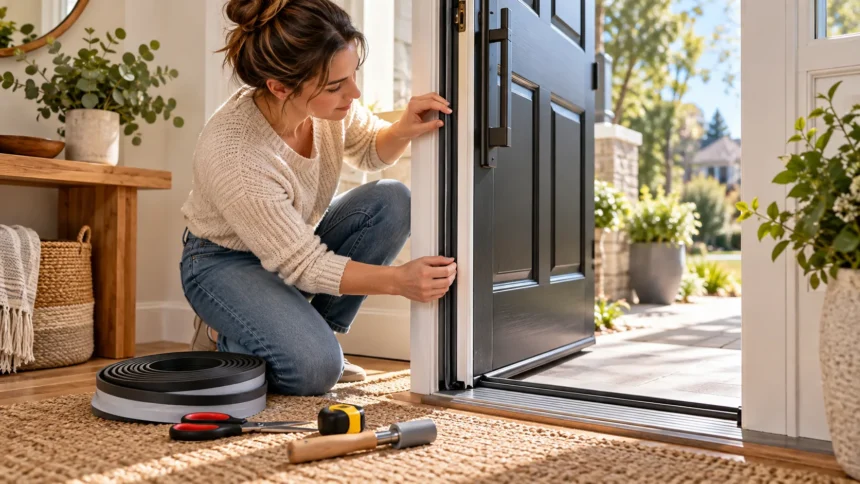
Weather stripping for doors is one of the simplest and most affordable ways to improve comfort and energy efficiency at home. Small gaps around exterior doors can allow drafts, dust, moisture, and outdoor air to enter your living space. These openings may seem insignificant, but they can affect indoor temperatures and make heating or cooling systems work harder.
Installing the right door weather stripping helps create a tighter seal between the door and its frame. Different materials, including foam, rubber, vinyl, silicone, and metal, provide solutions for various door styles and gap sizes. Choosing the correct type can also reduce unwanted noise, improve everyday comfort, and protect entryways against changing weather conditions.
Understanding how weather stripping works makes it easier to select suitable products and maintain them properly. Whether you are sealing a front door, improving a patio entrance, or replacing worn insulation around an older door, practical solutions are available. This guide explains different types of door weather stripping, their benefits, installation methods, and useful maintenance tips.
What Is Weather Stripping for Doors?
Weather stripping is a sealing material installed around the edges of doors to reduce unwanted airflow through small openings. It creates a flexible barrier between the moving door and its surrounding frame. When the door closes, the material compresses or makes contact with an adjacent surface, helping block drafts, dust, moisture, and outdoor air.
Most door weather stripping is installed along the top and sides of the frame, although some products are designed specifically for the bottom edge. Materials vary in thickness, flexibility, and durability depending on their intended purpose. Common options include adhesive foam tape, rubber gaskets, silicone seals, vinyl strips, and metal-supported weather stripping systems.
A properly fitted seal allows the door to open and close normally while limiting unnecessary air leakage. Weather stripping works best when the door is correctly aligned and the surrounding frame is in good condition. It cannot repair serious structural damage or replace proper insulation, but it can improve comfort by addressing ordinary gaps around entryways.
Why Is Weather Stripping Important for Exterior Doors?
Exterior doors are frequently exposed to wind, rain, temperature changes, and regular opening and closing. Over time, small gaps can develop as sealing materials wear out or door components shift slightly. These openings may allow conditioned indoor air to escape while letting unwanted outdoor air enter, particularly during extreme weather.
Effective weather stripping helps reduce drafts and supports more consistent indoor temperatures. This can reduce unnecessary heating and cooling demand when air leakage is a significant problem. Actual energy savings depend on several factors, including climate, the condition of the building, and how much uncontrolled airflow existed before the seals were installed.
Another advantage is improved protection against dust, insects, and minor moisture intrusion. Well-fitted seals can also reduce some outdoor noise by closing small air gaps around the door. Although weather stripping cannot replace proper door construction or waterproofing, it offers a practical improvement for homeowners seeking a more comfortable indoor environment.
Different Types of Weather Stripping for Doors
Several types of weather stripping are available, and each has advantages for particular door designs. Some products use compression to create a seal, while others rely on flexible contact with the door surface. Understanding these differences helps homeowners select materials that fit correctly and perform reliably under normal operating conditions.
Foam tape is often suitable for small, relatively uniform gaps, while rubber and silicone seals can provide greater flexibility in demanding applications. V-strip weather stripping uses a spring-like shape to bridge narrow openings. Door sweeps, tubular gaskets, and reinforced strips are additional options commonly used around exterior entrances and high-traffic doorways.
The best choice depends on the gap location, door movement, surface condition, and exposure to sunlight or moisture. A material that works well along the frame may not provide an effective seal beneath the door. Consider the manufacturer’s intended application rather than selecting a product based only on price or appearance.
Foam Tape Weather Stripping for Affordable Draft Protection
Foam tape is among the most accessible weather stripping options for basic household projects. It typically features a compressible foam material with an adhesive backing that attaches directly to a clean surface. Homeowners often use it around door frames where narrow gaps allow drafts but do not require heavy-duty sealing materials.
Installation is usually straightforward because the tape can be measured, cut, and applied without specialized equipment. Different thicknesses are available to accommodate varying gap sizes, making careful measurement important. Foam tape generally works best when the surface is smooth, dry, and free from dust, grease, or peeling paint.
Although inexpensive and convenient, foam weather stripping may wear faster than more durable materials. Repeated compression, moisture, and temperature changes can gradually reduce its effectiveness. It is often a suitable short-term or budget-friendly option, but frequently used exterior doors may benefit from stronger rubber or silicone alternatives.
Rubber Weather Stripping for Long-Lasting Door Seals
Rubber weather stripping is widely used because it combines flexibility with resistance to ordinary wear. It can compress when a door closes and return toward its original shape when the door opens. This makes it useful for entryways that experience frequent movement and require dependable protection against drafts and environmental exposure.
Rubber seals are available in several profiles, including D-shaped, P-shaped, and tubular designs. Each profile is intended to accommodate particular gap sizes and mounting positions. Choosing a compatible shape helps create adequate contact between the door and frame without requiring excessive force to close or latch the door.
Material quality and environmental conditions influence how long rubber weather stripping remains effective. Certain rubber formulations provide better resistance to sunlight, moisture, or temperature changes than others. Follow the manufacturer’s recommendations for installation and maintenance, and replace seals when cracking, permanent flattening, or separation begins reducing their performance.
Silicone Weather Stripping for Flexible Sealing
Silicone weather stripping offers a flexible sealing solution for doors exposed to varying temperatures and repeated movement. Many silicone products maintain their elasticity across a broad temperature range, which can help them remain effective in demanding environments. They are commonly available as compression gaskets, adhesive strips, and replacement seals designed for compatible door systems.
One advantage of silicone is its ability to accommodate small movements while maintaining contact with surrounding surfaces. This characteristic can be useful where temperature changes cause minor expansion or contraction of door components. However, proper sizing remains essential because an excessively thick seal may interfere with normal closing and locking.
Silicone products can cost more than basic foam tape, but their durability may make them worthwhile for suitable applications. Check adhesive compatibility, mounting requirements, and exposure ratings before purchasing. Choosing a correctly shaped silicone seal can provide reliable draft protection without significantly changing the door’s appearance or everyday operation.
V-Strip Weather Stripping for Narrow Door Gaps
V-strip weather stripping, sometimes called tension seal, uses a folded strip that creates spring-like pressure when compressed. It is commonly manufactured from vinyl or metal and is designed to seal relatively narrow gaps. This type works particularly well along door jambs where a flexible material can maintain contact as the door opens and closes.
The folded shape allows one side of the strip to remain attached while the other presses gently against the adjacent surface. This creates a continuous seal without requiring a thick cushioning material. V-strips can be especially useful where traditional foam tape would interfere with the door’s movement or become compressed too quickly.
Accurate installation is important because the strip must face the correct direction to create effective contact. Adhesive-backed versions may be suitable for simple projects, while certain metal designs require small fasteners. Check that the door still closes smoothly after installation and adjust the position if the seal creates unnecessary resistance.
Door Sweeps and Bottom Seals for Draft Prevention
The bottom of a door is a common source of noticeable drafts because it often contains a larger opening than the sides. Door sweeps help address this problem by attaching a flexible sealing element near the lower edge. They are available in rubber, vinyl, brush, and metal-supported designs for different floor surfaces and clearance requirements.
A properly fitted door sweep should contact the threshold or floor surface without creating excessive friction. Some designs attach to the interior face of the door, while others fit into a channel along the bottom. Adjustable sweeps are particularly useful when the gap is uneven or the threshold height requires fine positioning.
Bottom seals must also account for weather exposure and the direction in which the door swings. Exterior entryways may need a compatible threshold and sealing arrangement to manage rainwater effectively. Choose a product intended for your specific door construction, and confirm that it does not prevent the door from closing or locking securely.
How to Choose the Best Weather Stripping for Your Door
Choosing suitable door weather stripping begins with identifying where air leakage occurs. Inspect the top, sides, and bottom of the door while checking for visible light, worn seals, or noticeable drafts. Consider whether the openings are consistent or vary along the frame, because different gap conditions may require different sealing profiles.
Next, examine the door material, frequency of use, and exposure to environmental conditions. Frequently used exterior doors generally benefit from durable products designed for repeated compression. Interior doors may only need basic draft protection, while entryways exposed to moisture or strong sunlight require materials specifically rated for those conditions.
Measure the gaps carefully and review the manufacturer’s sizing recommendations before purchasing. A seal that is too thin may provide little improvement, while one that is too thick can interfere with latching. Prioritize correct fit, compatible installation, and long-term reliability rather than assuming that the most expensive option automatically provides the best results.
How to Install Weather Stripping Around a Door
Installing weather stripping usually begins with removing damaged or worn sealing materials. Clean the door frame thoroughly and allow the surface to dry before applying adhesive-backed products. Check for loose components, damaged paint, or alignment problems that could affect the new seal, and address these issues before continuing with installation.
Measure the relevant sections of the frame and cut the weather stripping according to the product instructions. Position the material where it will make consistent contact when the door closes. For adhesive strips, apply even pressure along the length, while fastened systems should be secured using the hardware and mounting positions recommended by the manufacturer.
After installation, close the door slowly and check for resistance, uneven contact, or remaining drafts. Make sure the latch engages normally and that the door opens without pulling the seal away. Small adjustments may be necessary, especially around corners or uneven gaps, to achieve effective sealing without affecting everyday door operation.
Common Weather Stripping Installation Mistakes to Avoid
One common mistake is purchasing weather stripping without measuring the actual gaps around the door. Materials that are too thick can prevent proper closing, while undersized seals may leave openings unchanged. Taking a few measurements at different points helps identify variations and supports a better fit before installation begins.
Another problem is applying adhesive-backed weather stripping to dirty, damp, or unstable surfaces. Dust, grease, and loose paint can weaken adhesion and cause strips to detach prematurely. Cleaning and preparing the mounting area according to the manufacturer’s guidance improves the likelihood that the product will remain securely attached during regular use.
Homeowners sometimes overlook door alignment problems and attempt to compensate with excessively thick seals. However, sagging hinges, damaged frames, and poorly adjusted thresholds may require mechanical repairs rather than additional weather stripping. Correcting these issues first usually creates a more reliable result and prevents unnecessary pressure on the door hardware.
Weather Stripping Costs and Budget Considerations
Weather stripping is generally an affordable home improvement project compared with replacing an entire exterior door. Basic adhesive foam tape may cost only a few dollars per package, while durable rubber, silicone, and metal-supported systems can cost considerably more. Prices vary according to material quality, length, profile, brand, and installation requirements.
For budgeting purposes, simple door sealing materials may cost approximately $10 to $50, while more comprehensive sealing kits and specialized components can exceed that range. Professional installation may add labor charges, particularly when the job includes threshold adjustment or door repairs. These figures are general estimates rather than fixed prices for every region.
Before purchasing, calculate how much material you need for the entire door perimeter. Include any separate bottom sweep, corner pieces, or compatible fasteners required for installation. Spending slightly more on an appropriately sized, durable product may provide better long-term value than repeatedly replacing inexpensive materials that fail under normal conditions.
How to Maintain and Replace Door Weather Stripping
Regular maintenance helps weather stripping remain effective and extends the useful life of suitable materials. Inspect the seals periodically for cracks, peeling adhesive, gaps, or permanent flattening. Pay particular attention to frequently used entrances because repeated opening and closing can gradually reduce the flexibility and contact pressure of sealing materials.
Clean weather stripping gently using methods approved by the manufacturer. Mild cleaning products and soft cloths are often suitable, although specific materials may require different care. Avoid harsh chemicals, aggressive scrubbing, or unnecessary lubricants that could damage the seal or interfere with adhesive surfaces and surrounding door finishes.
Replace weather stripping when it no longer makes consistent contact or shows significant deterioration. Persistent drafts, visible daylight around the closed door, or loose sections may indicate that repairs are needed. Checking the seal before seasonal temperature changes can help maintain indoor comfort and prevent minor maintenance issues from becoming larger problems.
Weather Stripping vs. Caulking: What Is the Difference?
Weather stripping and caulking both help reduce unwanted air leakage, but they serve different purposes. Weather stripping is designed for movable joints, such as the contact area between a door and its frame. Caulking is generally used to seal stationary gaps around trim, frames, and other building components where movement is limited.
For example, weather stripping can reduce drafts where an exterior door closes against the jamb. Caulk may be appropriate for a stationary gap between the surrounding trim and adjacent wall materials. Using these products in their intended locations helps preserve door movement while improving the overall air sealing of the entryway.
Both solutions may be useful when addressing drafts around an older exterior door. However, water damage, structural movement, and large installation gaps require appropriate repairs rather than simply adding sealant. Understanding the difference helps homeowners choose effective materials and avoid sealing areas that need to remain movable or allow proper drainage.
Conclusion
Weather stripping for doors is a practical solution for reducing drafts, improving indoor comfort, and limiting unwanted air leakage. Different options, including foam tape, rubber gaskets, silicone seals, V-strips, and door sweeps, provide solutions for specific gap sizes and installation conditions. Choosing the correct material is essential for achieving dependable results.
Successful installation depends on accurate measurements, proper surface preparation, and careful attention to door alignment. A suitable seal should reduce unwanted airflow without making the door difficult to close or lock. Regular inspections and timely replacement of worn materials can help maintain performance while preventing small gaps from becoming ongoing comfort problems.
Whether you are improving an older front door or sealing a frequently used entrance, weather stripping offers an accessible home maintenance project. Start by identifying draft locations, selecting compatible materials, and following manufacturer instructions carefully. With the right approach, you can create a more comfortable and energy-efficient home without undertaking an expensive door replacement.
Frequently Asked Questions
What is the best weather stripping for exterior doors?
Rubber and silicone compression seals are often good options for exterior doors because they provide flexible, durable contact. The best choice depends on gap size, door construction, exposure, and manufacturer specifications.
How long does door weather stripping last?
Weather stripping lifespan varies by material, exposure, and frequency of use. Durable products may last several years, while basic foam tape can require earlier replacement when compression or adhesive deterioration reduces effectiveness.
Can I install weather stripping without removing the door?
Yes, many adhesive-backed strips, frame-mounted seals, and surface-mounted door sweeps can be installed without removing the door. Some specialized bottom seals may require additional disassembly or adjustment.
Does weather stripping really help reduce energy bills?
Properly installed weather stripping can reduce unwanted air leakage and associated heating or cooling demand. Actual savings depend on existing drafts, climate conditions, home insulation, and the performance of other building components.
How do I know if my door needs new weather stripping?
Look for noticeable drafts, damaged seals, loose adhesive, or visible gaps around the closed door. Difficulty maintaining indoor comfort near an entryway may also indicate that weather stripping needs inspection.