

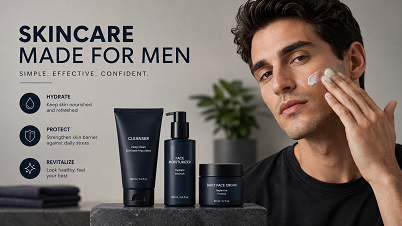
The skin of men’s skincare exhibits unique characteristics that differentiate it from women’s skin, and understanding these features is crucial for developing an effective skincare routine. One notable difference is the thickness; men generally have thicker skin than women. This is primarily due to higher levels of collagen, which also contributes to a more pronounced musculature beneath the skin. Consequently, men experience different concerns, including deeper lines and wrinkles, which may develop at a later age compared to women. Additionally, men tend to have oilier skin due to higher sebaceous gland activity. This increased oil production can create a barrier against external elements, but it can also lead to issues such as acne and enlarged pores. Therefore, it is essential for men to select products that balance their skin’s oil levels while preventing breakouts.
Aging patterns in men’s skin also differ significantly from those of women. While women typically experience more significant collagen loss as they age, men tend to maintain their skin’s elasticity for a longer duration, resulting in a delay in visible signs of aging. Nevertheless, once they do begin to age, changes may present more abruptly. For instance, men may notice sagging skin and pronounced wrinkles earlier due to their facial muscular structure.
This understanding of men’s skin is vital when building a skincare regimen. Recognizing that men’s skin requires targeted approaches helps in formulating effective cleansing, moisturizing, and protection strategies. By addressing unique characteristics such as thickness, oiliness, and aging processes, men can better enhance their skincare routine for healthier and more resilient skin.
Essential Skin Care Products
In the realm of men’s grooming, incorporating the right skin care products into a daily regimen is crucial for achieving and maintaining optimal skin health. A basic understanding of essential products will enable men to make informed choices that cater to their unique skin needs.
The journey begins with a good cleanser. This product is pivotal as it helps remove dirt, oil, and impurities that accumulate on the skin throughout the day. A quality cleanser, suitable for one’s skin type, should be used twice daily: once in the morning and once before bedtime. Using a gentle foaming cleanser can leave the skin feeling refreshed without stripping away essential moisture.
Next in line is the exfoliant. Regular exfoliation helps to slough off dead skin cells, promoting a smoother complexion. Gentle exfoliation, ideally one to two times a week, aids in preventing clogged pores and dull skin. Look for either physical exfoliators with natural beads or chemical exfoliants containing alpha or beta hydroxy acids to boost cell turnover and rejuvenate the skin’s appearance.
Following exfoliation, the application of a moisturizer is essential. Moisturizers help to replenish moisture lost during cleansing and environmental exposure. Choosing a moisturizer based on skin type—whether oily, dry, or combination—is vital for achieving desired results. Products containing hyaluronic acid or glycerin are particularly effective, as they draw moisture into the skin and maintain hydration throughout the day.
Lastly, incorporating a sunscreen into one’s daily routine cannot be overstated. Protecting the skin from harmful UV rays is essential in preventing premature aging and skin cancer. A broad-spectrum sunscreen with an SPF of at least 30 should be applied every morning, even on overcast days, for the best protection.
Effective Cleansing Techniques
Proper skin cleansing is a fundamental aspect of any grooming regimen, as it aids in removing dirt, oil, and impurities that accumulate throughout the day. For men, developing effective cleansing techniques tailored to their specific skin type can greatly improve overall skin health and appearance.
Firstly, understanding one’s skin type is crucial in selecting the appropriate cleanser. Men with oily skin are recommended to use foaming or gel-based cleansers that effectively combat excess oil and breakouts. These formulations typically contain salicylic acid or tea tree oil, which are known for their ability to unclog pores and suppress acne-causing bacteria. In contrast, those with dry or sensitive skin should opt for cream-based, hydrating cleansers that provide moisture while gently cleansing without stripping the skin of its natural oils.
The frequency of cleansing plays a vital role in maintaining skin clarity. Generally, it is advisable to cleanse the skin twice daily — once in the morning and once at night. Morning cleansing helps in removing sweat and oils that accumulate overnight, while evening cleansing is essential for removing accumulated dirt, pollutants, and makeup. However, individuals with particularly sensitive skin may find that cleansing just once daily suffices, as excessive washing can lead to irritation.
Alongside the right products, employing the proper technique is essential for effective cleansing. Gentle circular motions should be used while applying the cleanser, allowing the product to penetrate the skin. It is advisable to rinse with lukewarm water, as very hot or very cold temperatures can trigger irritation. Finally, always remember to pat the skin dry with a clean towel rather than rubbing it, as this preserves the skin’s integrity.
Exfoliation: The Key to Healthy Skin
Exfoliation is an essential step in any grooming routine, particularly for men seeking healthier skin. The process of exfoliating the skin involves removing dead skin cells, which can otherwise lead to dullness, clogged pores, and even ingrown hairs. Regular exfoliation not only helps to maintain a smooth complexion but also promotes cellular turnover, allowing fresh and vibrant skin to surface.
When considering how often to exfoliate, it is important to strike a balance based on skin type. Generally, exfoliating one to three times a week is recommended. For oily or acne-prone skin, more frequent exfoliation may be beneficial, whereas individuals with sensitive skin may prefer to exfoliate less often, perhaps once a week. It is vital to observe how the skin reacts to different frequencies and adjust accordingly.
Exfoliation methods can be broadly classified into two categories: physical and chemical exfoliants. Physical exfoliants contain small granules or particles that manually scrub away dead skin cells. These can include scrubs, brushes, or washes. However, caution should be exercised when using these products, as aggressive scrubbing can lead to irritation and redness.
Chemical exfoliants, on the other hand, utilize acids or enzymes to dissolve dead skin cells and are generally less abrasive. Alpha hydroxy acids (AHAs) and beta hydroxy acids (BHAs) are common examples and can effectively slough away old skin layers while promoting hydration. The choice between physical and chemical exfoliants will depend on individual skin sensitivities and preferences.
Incorporating regular exfoliation into one’s grooming routine reaps significant benefits, such as preventing ingrown hairs and encouraging the renewal of skin cells. By ensuring a polished surface, exfoliation aids in maintaining overall skin health and prepares the skin for other grooming products, such as moisturizers and serums, thus enhancing their effectiveness.
Moisturizing for All Skin Types
Moisturizing is an essential step in any skincare routine, regardless of skin type. It serves to maintain the skin’s hydration, improve its texture, and enhance overall appearance. Many individuals may mistakenly believe that those with oily skin do not need to moisturize. However, this is a misconception; even oily skin can become dehydrated, leading to an imbalance and increased oil production. Thus, understanding the importance of moisturizing is critical for achieving and maintaining healthy skin.
There are various types of moisturizers available, each tailored to different skin characteristics and conditions. For dry skin, rich creams or ointments that contain occlusive agents, such as petrolatum or shea butter, can help create a barrier that locks in moisture. On the other hand, individuals with oily or combination skin may benefit from lightweight, gel-based moisturizers that hydrate without the added heaviness of creams. It is imperative to identify a formulation that complements your skin type to achieve optimal results.
Another factor to consider when selecting a moisturizer is the environmental conditions. For example, during winter months, or in climates with low humidity, richer products may be necessary to combat the dry air. Conversely, in humid conditions, a lighter texture may be more appropriate to prevent the skin from feeling suffocated or greasy. Regardless of these variations, the goal of moisturizing remains the same: to support the skin’s barrier function and preserve moisture levels.
In conclusion, appropriate moisturizing is vital for all skin types. By selecting the right product based on individual skin characteristics and environmental factors, men can significantly improve their skin’s health and appearance. A consistent moisturizing routine will not only enhance hydration but also contribute to a smoother, more radiant complexion.
The Importance of Sun Protection
Sun protection is an essential component of any effective skincare regimen, particularly for men who may be less aware of the harmful effects of prolonged sun exposure on their skin. Ultraviolet (UV) rays from the sun can lead to a myriad of skin issues, including sunburn, premature aging, and an increased risk of skin cancer. UV rays are classified into two types: UVA and UVB. UVA rays penetrate the skin more deeply and are primarily responsible for skin aging and wrinkles, while UVB rays can cause sunburn and are closely linked to skin cancer.
To protect against these harmful effects, it is critical for men to incorporate a broad-spectrum sunscreen into their daily skincare regimen. A broad-spectrum sunscreen offers protection from both UVA and UVB rays, making it an indispensable product for skin health. When choosing a sunscreen, opt for one with an SPF (Sun Protection Factor) of 30 or higher, as this ensures adequate protection against sunburn and skin damage.
Applying sunscreen should be a priority every morning, even on overcast days, as up to 80% of UV rays can still penetrate through clouds. It is recommended to apply sunscreen generously on all exposed areas of the skin at least 15 minutes before going outside, allowing it to absorb and take effect. Additionally, reapplication is necessary every two hours, or more frequently if swimming or sweating. This dedicated attention to sun protection will not only preserve the youthful appearance of men’s skin but also significantly reduce the risk of skin related issues in the long run.
Common Men’s Skin Care Mistakes to Avoid
Establishing an effective skincare routine is crucial for maintaining healthy skin, yet many men unknowingly make common mistakes that can undermine their efforts. One prevalent error is over-cleansing. While it might seem logical to wash the face multiple times a day, this practice can strip the skin of its natural oils, leading to dryness and irritation. Instead, men should aim for cleansing twice a day—once in the morning and once before bed—to effectively remove dirt and excess oil without compromising the skin barrier.
Another significant blunder is neglecting the importance of sunscreen. Many men believe that sunscreen is only necessary on sunny days or during outdoor activities. This misconception can lead to significant skin damage, including premature aging and increased risk of skin cancer. Men should make it a habit to apply a broad-spectrum sunscreen with at least SPF 30 every day, regardless of the weather, to protect against harmful UV rays.
Furthermore, using harsh products, often in an attempt to combat oily skin or acne, can create more harm than good. Many men resort to aggressive cleansers or exfoliants, believing these will help clear their skin. However, these harsh substances can disrupt the skin’s natural balance, leading to increased oil production and further breakouts. It is advisable to choose gentle, sulfate-free cleansers that suit one’s skin type, along with appropriate exfoliation practices based on individual skin needs.
By recognizing and avoiding these common skincare mistakes, men can greatly improve their grooming routines and enhance their overall skin health. Implementing changes such as a balanced cleansing schedule, daily sunscreen use, and the selection of suitable products can yield significant benefits for a man’s skin.
Grooming for Specific Skin Concerns
Men often face a multitude of skin concerns, each requiring tailored grooming strategies to achieve healthy skin. Addressing these issues effectively not only enhances appearance but also boosts confidence. Below, we explore common skin concerns among men, including acne, sensitivity, and aging, along with expert recommendations for effective treatments.
Acne is a prevalent issue for many men, often caused by excess oil production and hormonal fluctuations. To combat this, it is essential to adopt a consistent skincare routine. Using a gentle cleanser containing salicylic acid can help unclog pores and reduce breakouts. Additionally, incorporating an oil-free moisturizer helps maintain hydration without aggravating oily skin. Products containing benzoyl peroxide are also effective in controlling acne and should be applied directly to blemishes.
For those experiencing sensitivity or irritation, it is crucial to choose products specifically formulated for sensitive skin. Opt for fragrance-free cleansers and moisturizers with calming ingredients such as aloe vera or chamomile. It is advisable to avoid abrasive scrubs and alcohol-based products, which can exacerbate sensitivity. A soothing aftershave balm can also provide much-needed relief post-shaving.
As men age, signs of aging, such as fine lines and loss of elasticity, become more pronounced. To combat these effects, using a daily sunscreen is essential, as harmful UV rays can accelerate the aging process. Look for moisturizers that contain hyaluronic acid, which helps retain moisture, or retinol, proven to improve skin texture and reduce the appearance of wrinkles. Regular exfoliation, preferably with gentle chemical exfoliants, can also promote a more youthful complexion.
In conclusion, addressing specific skin concerns requires a strategic approach to grooming. By utilizing targeted products and maintaining a consistent routine, men can effectively manage issues such as acne, sensitivity, and aging, resulting in healthier, more radiant skin.
Building a Personalized Grooming Routine
Creating a personalized grooming routine is essential for achieving better skin and reflects a commitment to personal care. To begin crafting an ideal regimen, it is crucial to first identify your skin type. The four primary classifications are oily, dry, combination, and sensitive skin. Understanding your skin’s unique characteristics can significantly influence the selection of products and techniques that work best for you.
Once you have ascertained your skin type, the next step is to consider your lifestyle and specific skincare needs. For instance, individuals who frequently spend time outdoors may require moisturizers with SPF protection, whereas those with oily skin might benefit from lightweight, non-comedogenic products. Tailoring your skincare products to your specific lifestyle can enhance their effectiveness in improving your skin condition.
Incorporate fundamental elements into your grooming routine, including cleansing, exfoliating, moisturizing, and sun protection. A gentle cleanser should be your first step, utilized in the morning and evening to remove dirt and impurities. Exfoliation—ideally two to three times a week—helps eliminate dead skin cells, thereby promoting a brighter complexion. Following cleansing, applying a suitable moisturizer is crucial for maintaining hydration and skin elasticity.
Additionally, consider incorporating specialized treatments like serums or masks that target specific concerns, such as acne, fine lines, or uneven tone. These products should be used in moderation and adapted based on seasonal changes or shifts in skin condition. Consistency is key; establishing a routine and adhering to it day in and day out will yield the best long-term results.
Ultimately, a personalized grooming routine is about finding the right balance of products and processes that cater to your skin’s unique needs while fitting seamlessly within your lifestyle.