

Introduction to Foundations
Foundation is a fundamental component in makeup and skincare, serving multiple purposes that greatly enhance the overall appearance of the skin. At its core, foundation is designed to create an even skin tone, helping to conceal blemishes, redness, and uneven pigmentation. This essential cosmetic product acts as a canvas upon which other makeup can be applied, contributing to a polished and refined look. In addition to aesthetic functions, foundation also plays an important role in protecting the skin. Many formulations include beneficial ingredients that offer hydration, sun protection, and even anti-aging properties. When applied correctly, foundation can form a barrier against environmental pollutants, helping to maintain skin health over time. It is important for individuals to choose a foundation that complements their skin type, as the wrong choice can lead to issues such as excess oiliness, dryness, or irritations.
Moreover, foundation can enhance natural beauty by allowing the skin’s inherent characteristics to shine through, rather than masking them. The right shade and formulation can luminosity and promote a more youthful appearance, enabling wearers to feel confident and radiant. With an extensive range of options available, from liquid to powder and everything in between, selecting the foundation that aligns with one’s skin tone and type is crucial. This flexibility ensures that there is a viable option for every individual, regardless of skin color, type, or personal preference.
Throughout this guide, we will delve deeper into the different types of foundations and how to choose the best one tailored to your unique skin tone. Understanding the significance of foundation is essential when striving for a flawless look that meets both aesthetic and skincare needs.
Understanding Skin Undertones
When selecting a foundation, understanding skin undertones is crucial. Undertones are the subtle hues beneath the surface of the skin that can influence how shades of foundation appear on an individual. A foundation that matches the skin’s surface tone may still look off if the undertone is not compatible, leading to a mismatch that can detract from an overall polished appearance.
There are three primary types of undertones: warm, cool, and neutral. Individuals with warm undertones often exhibit a golden or yellow hue and may find that foundations with similar warm bases enhance their natural complexion. Cool undertones, on the other hand, often display pink, red, or blue hues, making foundations with cool tones a better match. Neutral undertones can fluctuate between warm and cool, often leading to an array of available foundation options. Understanding your undertone will enable you to make more informed decisions when selecting a foundation shade.
To determine your undertone, several methods can be employed. One common approach is the vein test: examine the veins on your wrist under natural light. If the veins appear greenish, you likely possess warm undertones; if they appear bluish, cool undertones are more probable. If the veins seem to blend both colors, you may have neutral undertones. Another simple technique involves considering how certain colors look against your skin. Warm undertones often find that earthy colors, like orange or yellow, complement their skin, while cool undertones look better in jewel tones, such as blues and purples.
Taking the time to understand your skin undertone can lead to selecting a foundation that truly works for you, ensuring a more flawless and natural finish. This knowledge serves as an essential foundation for choosing the right foundation shade that harmonizes with your complete look.
Different Types of Foundation Formulas
Choosing the right foundation is crucial for achieving a flawless complexion. There are several types of foundation formulas available in the market, each designed to cater to specific skin types and preferences. Understanding the characteristics of these formulas can significantly aid in making an informed choice.
Liquid foundations are among the most popular options. They provide a versatile finish that ranges from natural to full coverage, making them suitable for various skin types. Liquid foundations often contain hydrating ingredients, making them particularly beneficial for dry skin. In contrast, those with oily skin may prefer matte or oil-free liquid foundations, which help to control shine throughout the day.
Powder foundations are another widely used formula. Typically used for a light and airy finish, they are ideal for oily or combination skin types. Powder foundations can absorb excess oil, providing a matte effect and reducing the appearance of pores. Additionally, mineral powders are often recommended for sensitive skin due to their gentle formulations and lack of irritating additives.
Cream foundations offer a rich and moisturizing alternative, usually providing fuller coverage compared to liquid foundations. They can be advantageous for individuals with dry or mature skin as they often contain nourishing ingredients that help to hydrate while offering excellent coverage. For those with combination skin, cream foundations can be applied selectively to areas that require more coverage.
Stick foundations are highly portable and user-friendly, making them a convenient choice for quick applications or touch-ups throughout the day. They typically offer full coverage and are suitable for normal to oily skin types, depending on the formulation. However, it is important to ensure that stick foundations are not overly thick, as this may contribute to an unnatural appearance.
By understanding the characteristics of each foundation type, one can select a formula that best matches their skin type and the desired finish, enhancing overall complexion and confidence.
How to Choose the Right Shade
Selecting the perfect foundation shade is crucial for achieving a natural and flawless makeup look. The first step in the process is to identify your skin tone and undertone. Skin tones generally fall into three categories: fair, medium, and deep. Undertones, on the other hand, can be classified as cool, warm, or neutral, and they significantly influence how a foundation appears on your skin.
To accurately choose the right shade, it is advisable to test the foundation directly on your skin. This can be done by swiping a few shades on your jawline, blending them out, and observing which one disappears into your skin. Lighting plays a vital role in how a foundation appears; therefore, it is essential to test shades in natural daylight if possible, as artificial lighting can distort your perception of color.
Another factor to consider is the seasonal changes in your skin. Exposure to the sun can cause your skin to darken, while colder months may lighten its tone. Consequently, it is advisable to re-evaluate your foundation shade periodically to ensure an accurate match, especially if you frequently alter your skincare routine or have recently undergone any procedures that may affect your skin’s tone.
Additionally, it is essential to look at the texture and finish of the foundation you choose. Some formulas may appear different on various skin types, thus affecting the overall look. It is always recommended to apply the foundation in a store and observe its performance over a few hours to determine how it interacts with your skin’s natural oils and any potential oxidation.
In conclusion, taking the time to select the right foundation shade based on your skin tone and undertone can significantly enhance your overall makeup application. With the right approach, testing, and understanding of your skin’s unique characteristics, you can achieve a seamless, glowing complexion that looks effortlessly beautiful.
Top Foundation Brands for All Skin Tones
When it comes to selecting the perfect foundation, finding a brand that offers a diverse range of shades is crucial. Several notable companies have distinguished themselves by catering to all skin tones, ensuring that every individual can find their ideal match.
Fenty Beauty is often celebrated for its extensive shade range, which includes 50 shades designed to cater to a variety of undertones. Launched by Rihanna, this brand made headlines for its inclusivity. The Pro Filt’r Soft Matte Longwear Foundation is particularly popular, noted for its lightweight feel and excellent coverage, making it suitable for various skin types.
Another brand to consider is Estée Lauder, renowned for its Double Wear Stay-in-Place Makeup. This foundation boasts an impressive shade variety and is formulated for all-day wear. It is known for its long-lasting, high-coverage finish while still feeling comfortable on the skin. Estée Lauder’s commitment to quality and durability ensures that consumers find value for their investment.
Make Up For Ever is another exceptional choice, offering a wide selection of shades that accommodate deeply pigmented skin tones. Their Ultra HD Foundation is particularly favored by professionals in the beauty industry, as it provides a flawless finish that appears undetectable on camera. This foundation is designed for all skin types and is allergic-person friendly.
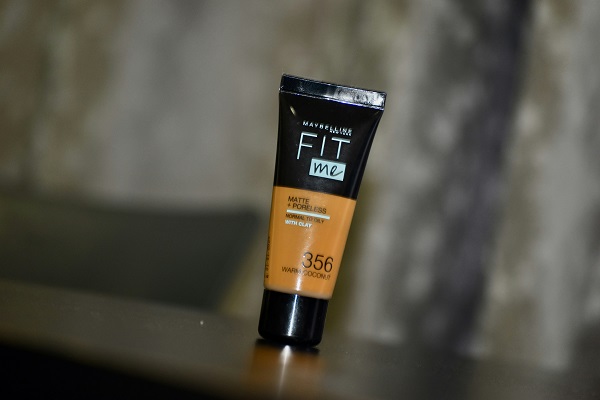
Additionally, Maybelline has gained recognition for its Fit Me Matte + Poreless Liquid Foundation. With a more budget-friendly price point, this drugstore brand excels in providing a range of shades that match various skin tones effortlessly. The formula is lightweight yet offers a natural matte finish, appealing to a broad audience.
Each of these brands has achieved a unique balance of quality, price, and inclusivity, catering to those seeking the best foundations suitable for their specific skin tones. By exploring these options, consumers can find products that not only meet their aesthetic preferences but also suit their individual needs.
Reviews of Best-Selling Foundations
When selecting the best foundation for your skin tone, it is essential to understand various factors that influence the choice. This section reviews some of the most popular foundations available on the market, focusing on their coverage, longevity, finish, and suitability for different skin types.
1. Estée Lauder Double Wear Stay-in-Place Makeup: This foundation is renowned for its exceptional coverage and long-wearing formula. It offers a matte finish, making it ideal for oily and combination skin types. Users often rave about its ability to withstand heat and humidity, remaining flawless for up to 24 hours. Many find that the shade range accommodates various skin tones effectively.
2. Fenty Beauty Pro Filt’r Soft Matte Longwear Foundation: Fenty Beauty revolutionized the foundation industry with its diverse shade offerings. This soft matte foundation delivers medium to full coverage and is universally adored for its lightweight feel. It effectively controls oil, making it suitable for oily and combination skin. Reviews often highlight how the formula blends seamlessly into the skin, enhancing its natural appearance.
3. Giorgio Armani Luminous Silk Foundation: Known for its silky texture, this foundation is particularly favored by those with dry and normal skin. It provides a radiant, dewy finish while delivering medium coverage. Users have noted that it imparts a healthy glow without feeling heavy. This foundation’s ability to even out skin tone makes it a staple for many makeup enthusiasts.
4. Maybelline Fit Me Matte + Poreless Foundation: An accessible option for budget-conscious consumers, this foundation offers a matte finish and effective coverage. It is praised for its ability to minimize the appearance of pores and is suitable for normal to oily skin types. This product’s affordability and performance have garnered it numerous positive reviews.
Each of these foundations brings unique benefits and caters to a wide array of skin tones and types, providing options for every makeup lover. As user experiences reveal, testing different foundations can lead to finding the perfect match for individual skin needs.
Application Techniques for Flawless Finish
Achieving a flawless finish with foundation involves understanding both the products and the techniques used for application. The choice of tools is pivotal and can greatly influence the outcome. Popular options include brushes, sponges, and even fingertips. Each tool offers unique benefits and allows for different application styles, catering to various preferences.
Foundation brushes are designed to distribute product evenly, offering coverage that can be built upon. A flat brush can be used for precise application, while a rounded brush is better suited for blending. On the other hand, makeup sponges, particularly those made of latex or foam, are ideal for a more diffused look. They help in preventing streaks and can be used damp for a more sheer application, providing a natural, dewy finish. Applying foundation with fingers is also a viable technique, as it allows the warmth of the skin to help the foundation melt into the complexion, achieving better adherence.
Regardless of the tool chosen, how the foundation is applied plays a crucial role in the overall appearance. Techniques such as stippling, buffing, and layering can enhance the finish. Stippling, which involves lightly tapping the foundation onto the skin, can help achieve an airbrushed effect. Buffing entails using circular motions to blend the foundation in seamlessly, while layering allows coverage to be customized from sheer to full, depending on the desired look.
Before any foundation application, it is essential to prepare the skin. Proper skincare, including cleansing, exfoliating, and moisturizing, creates a smooth canvas, allowing the foundation to sit beautifully on the skin without settling into fine lines. Consider using a primer that suits your skin type to further enhance the longevity and finish of your foundation. With the right techniques and preparation, achieving a flawless foundation application becomes an attainable goal.
Maintaining Your Foundation Throughout the Day
Keeping your foundation looking fresh and flawless throughout the day is essential for a polished appearance. To achieve this, several strategies can be implemented, tailored to different skin types and personal preferences. One of the most effective methods is the use of setting powders. These powders help to absorb excess oil and provide a matte finish, reducing shine and extending the wear time of your foundation. For those with oily skin, a translucent setting powder can be particularly beneficial, applied after foundation and concealer to lock in your makeup.
In addition to powders, setting sprays are a vital asset in maintaining your foundation’s integrity. By misting a quality setting spray over your completed makeup look, you can enhance longevity while adding a subtle glow or matte finish, depending on your choice of product. Setting sprays help to create a barrier, protecting your makeup from environmental factors such as humidity or sweat that can cause it to wear off prematurely.
Touch-up strategies are also important to consider. Carrying a small compact of your foundation or a touch-up stick in your bag can be a lifesaver for mid-day refreshes. Simply dabbing a small amount on areas that may have faded or become oily can quickly restore your look. For those prone to shine, oil-absorbing blotting papers are an excellent tool. These sheets can remove excess oil without disturbing your foundation, allowing your makeup to stay intact.
Finally, developing a customized routine according to your skin type is crucial. Whether you have dry, oily, or combination skin, understanding how to care for your specific needs will ensure your foundation remains flawless throughout the day. By incorporating these techniques and products, you can effectively maintain your foundation’s fresh appearance from morning to night, achieving the desired look with confidence.
Conclusion and Final Thoughts
In reflecting on the journey through selecting the best foundations for varied skin tones, it is essential to recognize that skin is inherently unique to every individual. The quest for the perfect foundation is not a one-size-fits-all scenario; it requires personal exploration and experimentation. Each person’s skin tone, undertone, and skin type play a crucial role in determining which foundation will yield the most flattering and harmonious results.
The discussions held throughout this guide have emphasized the importance of understanding both your own skin characteristics and the qualities of different foundation formulations. From liquid to powder, and from mattifying to hydrating, the variety of foundations available on the market caters to myriad preferences and needs. Whether you have cool, warm, or neutral undertones, there exists a foundation that can seamlessly enhance your complexion.
We encourage readers to step outside of their comfort zones and try various products, shades, and application techniques. Foundations are not merely used to cover imperfections but serve to celebrate one’s natural beauty. Testing different approaches may lead to discovering formulations that not only flatter your skin tone but also elevate your overall makeup experience.
Ultimately, the pursuit of the ideal foundation is a personal journey where preferences can evolve over time. Embrace the diversity of options available, and allow your unique beauty to shine through in every application. Remember, the right foundation can transform how you perceive your skin, bolstering confidence and self-expression.