
Changing your haircut is one of the simplest ways to refresh your personal style and experiment with something different. Whether you prefer short, medium, or long hair, the right haircut can offer new styling possibilities while complementing your natural hair texture. From timeless bob cuts to modern layered hairstyles, there are plenty of options worth exploring.
The best haircuts for a fresh new look combine personal preference, everyday convenience, and manageable styling requirements. Some people enjoy dramatic changes, while others prefer subtle layers or a slightly different shape. Understanding popular haircut styles, their features, and maintenance needs can help you choose an option that suits your routine and makes styling enjoyable.
1. Classic Bob Haircut for a Timeless Fresh Look
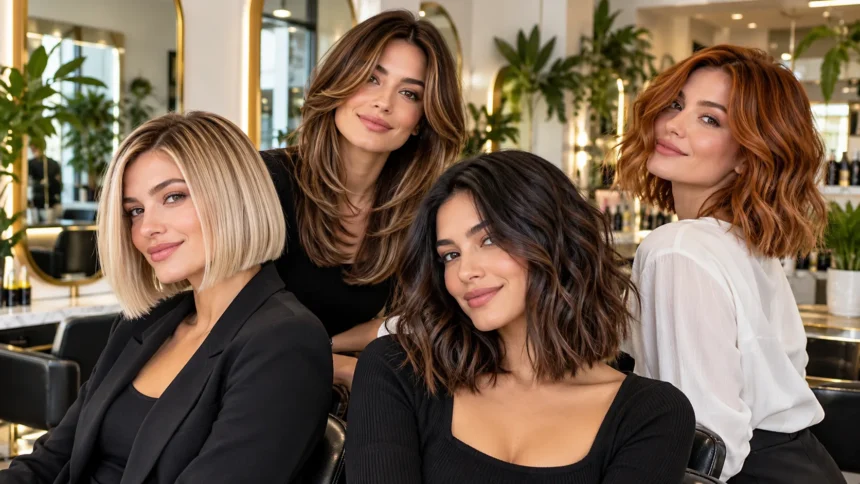
The classic bob remains one of the most popular haircut choices because of its simple shape and styling versatility. This haircut typically falls between the chin and shoulders, although its exact length can be customized. A bob can be worn with a straight finish, soft waves, or natural curls, making it suitable for people who enjoy different styling options.
One advantage of a classic bob is that it can be adapted to suit different hair textures and everyday routines. A blunt bob creates a defined outline, while a softly layered version introduces additional movement. The choice between these variations depends on how the hair naturally behaves and how much styling time someone prefers to spend.
Maintaining a bob usually involves occasional trims to preserve its intended length and shape. Gentle brushing, suitable conditioning products, and simple styling techniques can help keep the hair manageable. People considering this haircut should discuss their preferred length and styling habits with a hairstylist to create a result that feels comfortable and practical.
2. Long Bob Haircut for Versatile Everyday Styling
The long bob, commonly known as the lob, is an excellent choice for people who want a noticeable change without cutting their hair extremely short. This haircut generally falls around the shoulders or collarbone, creating a comfortable balance between shorter and longer styles. Its versatile length allows for loose hairstyles, ponytails, braids, and other everyday arrangements.
A textured lob can include subtle layers that add movement and encourage natural waves. People with straight hair may prefer a clean, defined finish, while those with curly or wavy textures can choose a shape that supports their natural pattern. The haircut can also be personalized with different partings, curtain bangs, or gently shaped ends.
Another benefit of the long bob is its flexibility as the hair grows. The overall shape can remain manageable between appointments, depending on the original haircut and desired appearance. Using lightweight styling products and avoiding unnecessary heat exposure can help maintain comfortable, easy-to-style hair throughout the growing process.
3. Pixie Cut for a Short and Refreshing Hairstyle
A pixie cut is a short haircut that offers numerous styling possibilities despite its compact length. Traditional pixie styles usually feature shorter hair around the sides and back with slightly longer sections on top. This arrangement can create a textured, smooth, or casually tousled appearance depending on the cutting technique and preferred styling method.
Modern pixie haircuts can be customized with longer bangs, soft layers, or subtle differences in length. Some people prefer a neat finish, while others enjoy more texture and natural movement. Discussing hair growth patterns and preferred styling routines with a professional helps determine which pixie variation will be easiest to manage.
Short haircuts may require less time for washing and detangling, but certain pixie styles need more frequent trims to maintain their shape. A small amount of suitable styling cream or lightweight wax can help arrange individual sections. Choosing comfortable products and gentle styling methods allows the haircut to remain practical for everyday activities.
4. Layered Haircuts for Natural Movement and Texture
Layered haircuts are a popular option for people who want to change their hairstyle while keeping much of their existing length. Layers are created by cutting selected sections of hair at different lengths, producing movement throughout the haircut. This technique can be used with short, medium, or long hair to create different shapes and styling possibilities.
Long layers often provide subtle variation, while shorter layers can produce a more noticeable textured effect. The ideal amount of layering depends on hair density, curl pattern, and personal preference. A hairstylist can adjust the placement of layers to support natural movement and help the haircut remain manageable during regular daily routines.
Styling layered hair does not always require complicated equipment or techniques. Air-drying, gentle scrunching, and lightweight hair products can help highlight the different lengths without creating excessive stiffness. Regular conditioning and careful detangling also make layered hairstyles easier to maintain, allowing the natural texture to remain an important part of the finished style.
5. Modern Shag Haircut for a Relaxed Appearance
The modern shag is a textured haircut recognized for its combination of shorter and longer layers. It often features movement around the crown, sides, and ends, creating a relaxed hairstyle with plenty of variation. Shag haircuts can be adapted to several lengths, making them an interesting option for people who enjoy expressive and flexible hairstyles.
A contemporary shag can be styled with curtain bangs, a soft fringe, or naturally textured sections around the front. People with wavy or curly hair may appreciate how carefully positioned layers support movement. Straight hair can also work with this haircut, although the desired textured finish may require different products or styling techniques.
The amount of maintenance depends on the haircut’s length, layering, and natural hair pattern. Some shag styles look appealing with simple air-drying, while others benefit from gentle blow-drying or lightweight styling products. Before choosing a heavily layered version, consider whether its daily styling requirements match the amount of time you enjoy spending on your hair.
6. Curly Haircuts That Work With Natural Texture
Curly haircuts can provide a fresh new look by emphasizing natural curl patterns and creating a comfortable overall shape. Different curl types respond differently to layering, length, and cutting techniques, making personalized styling particularly useful. Some people enjoy rounded curly cuts, while others prefer longer layers that allow their curls to fall more freely.
A layered curly bob is one option for people who want a shorter haircut without losing the character of their natural curls. Longer curly cuts can also incorporate carefully positioned layers to create movement and variation. The most suitable design depends on the individual’s curl pattern, density, shrinkage, and preferred maintenance routine.
Caring for curly hair often involves gentle detangling, suitable conditioning, and styling products that support curl definition. Applying products to damp hair and allowing curls to dry with minimal disturbance may help maintain their natural pattern. A hairstylist experienced with textured hair can also explain how the selected haircut is likely to behave between appointments.
7. Curtain Bangs and Fringe Haircuts for a Subtle Change
Adding bangs is a practical way to refresh an existing haircut without making major changes to the overall length. Curtain bangs, side-swept bangs, and straight fringes provide different styling options that can complement short, medium, or long hairstyles. Their appearance depends on cutting technique, hair texture, and how the front sections naturally fall.
Curtain bangs are typically parted near the center and gradually blend into the surrounding hair. Side-swept bangs create a different arrangement, while a straight fringe forms a more defined section across the forehead. Choosing between these styles depends on personal preference, natural hair growth patterns, and willingness to maintain the selected shape.
Bangs often require regular attention because shorter sections can become noticeably longer within a few weeks. Some styles need occasional trimming or brief morning adjustments, particularly when hair grows in different directions. Using lightweight products and comfortable styling methods can help keep bangs manageable without making the daily routine unnecessarily complicated.
8. Blunt Haircuts for a Clean and Defined Shape
Blunt haircuts feature a relatively even cutting line that creates a clear outline around the ends of the hair. This technique can be used for short bobs, shoulder-length cuts, and longer hairstyles. Unlike heavily layered designs, blunt cuts generally emphasize a consistent length, although small adjustments may be made to accommodate different textures.
A shoulder-length blunt haircut can be worn straight, waved, or styled with a simple parting. Longer blunt styles provide additional opportunities for braids, ponytails, and half-up hairstyles. People who prefer uncomplicated haircut shapes may appreciate this approach because the overall design remains visually consistent across different everyday styling arrangements.
However, blunt haircuts are not necessarily maintenance-free, and their behavior depends on natural hair texture. Some people prefer occasional styling to maintain a defined outline, while others enjoy a softer finish as the hair grows. Regular trims and suitable conditioning products can help preserve the intended shape without requiring an elaborate hair care routine.
9. Taper and Fade Haircuts for Short Hair
Taper and fade haircuts offer flexible options for people who prefer shorter hairstyles with different lengths around the sides and back. A taper gradually reduces hair length, while a fade generally creates a more noticeable transition toward shorter sections. Both techniques can be combined with different top lengths to create personalized haircut styles.
Popular variations include low fades, mid fades, and tapered cuts with longer textured sections on top. The preferred style may depend on hair texture, natural growth patterns, and everyday maintenance preferences. Some people choose a subtle transition between lengths, while others prefer a more noticeable contrast that changes the haircut’s overall appearance.
Maintaining a taper or fade often involves regular barber appointments because shorter sections reveal new growth relatively quickly. The longer hair on top may be styled naturally or arranged using a small amount of suitable product. Discussing clipper lengths, transition placement, and preferred maintenance frequency can help create a haircut that fits your routine.
10. Buzz Cuts and Textured Crops for Easy Styling
Buzz cuts are among the simplest short haircut options because they use a relatively consistent, closely cropped length. Their straightforward design appeals to people who prefer spending minimal time arranging their hair each morning. Buzz cuts can also be customized with slightly different lengths or subtle transitions around the sides and back.
A textured crop provides another short hairstyle option while maintaining additional length on top. This haircut generally includes shorter sides with a slightly longer upper section that can be styled forward or arranged naturally. The textured crop offers more styling possibilities than a uniform buzz cut while remaining relatively convenient for regular activities.
Short hairstyles still benefit from basic hair and scalp care despite requiring less detangling. Gentle cleansing, appropriate moisturizing, and sun protection for exposed scalp areas can help maintain comfort. People considering these haircuts should also remember that short lengths may require more frequent trims if they want to preserve the original shape.
11. How to Choose and Maintain the Right Haircut
Choosing the best haircut for a fresh new look begins with understanding your personal preferences and everyday habits. Consider how much time you enjoy spending on styling, whether you prefer short or long hair, and how your natural texture behaves. A haircut that fits your routine can make daily maintenance easier and create more opportunities to experiment.
Sharing reference photos with a hairstylist can help explain the haircut’s desired length, layers, and overall shape. It is also useful to discuss previous styling experiences and any practical concerns before making a significant change. An experienced professional can explain how different cutting techniques interact with your hair and suggest adjustments that suit your preferences.
Maintaining a haircut involves more than scheduling regular trims because everyday care influences manageability and styling convenience. Gentle washing, suitable conditioners, comfortable accessories, and careful handling can help keep hair manageable. Instead of following every new trend, focus on a haircut you genuinely enjoy and feel comfortable wearing during your usual activities.
Conclusion
The best haircuts for a fresh new look offer opportunities to explore different styles while respecting your personal preferences and natural hair characteristics. Classic bobs, textured lobs, layered cuts, and modern shags provide flexible options for various lengths. Pixie cuts, fades, and short crops offer additional possibilities for people interested in experimenting with shorter hairstyles.
Choosing a new haircut does not always require a dramatic transformation or complicated styling routine. Small adjustments, such as adding curtain bangs, changing the length, or introducing subtle layers, can create a different appearance. Understanding your hair texture, maintenance preferences, and available styling time helps make the decision more practical and enjoyable.
Ultimately, the right haircut is one that feels comfortable, fits your lifestyle, and gives you styling possibilities you appreciate. Trends can provide inspiration, but personal preference should guide the final decision. Whether you select a timeless haircut or experiment with something different, gentle maintenance and realistic expectations can help you enjoy your chosen hairstyle.
Frequently Asked Questions (FAQs)
1. What are the best haircuts for a fresh new look?
Popular options include classic bobs, long bobs, pixie cuts, layered hairstyles, modern shags, and textured crops. The best haircut depends on your hair texture, preferred length, and everyday styling routine.
2. Which haircut is easiest to maintain?
Buzz cuts, simple bobs, long bobs, and certain layered hairstyles can be relatively easy to maintain. However, maintenance requirements depend on natural hair texture, haircut shape, and how frequently trims are needed.
3. Can I change my hairstyle without cutting my hair short?
Yes, adding layers, curtain bangs, or a different fringe can refresh your hairstyle while preserving most of its length. Changing your parting or experimenting with new styling techniques also provides variety.
4. How do I choose a haircut for my hair type?
Consider your natural hair texture, density, growth patterns, and preferred maintenance routine. A hairstylist can explain which cutting techniques work with your hair and help you select a comfortable, manageable style.
5. How often should I get a haircut to maintain its shape?
Haircut frequency varies depending on the style and desired length. Short fades may need frequent maintenance, while longer layered cuts can often go several months between trims, depending on personal preferences.