
What Is LVP Flooring and How Does It Work?
Luxury vinyl plank flooring, commonly called LVP, is a synthetic flooring material designed to imitate the appearance of natural hardwood. It comes in individual planks featuring printed wood patterns, textured surfaces, and protective coatings. Unlike traditional hardwood, LVP uses multiple manufactured layers that provide durability, moisture resistance, and a comfortable surface for everyday household activities.
Most luxury vinyl planks contain a backing layer, structural core, decorative image layer, and transparent wear layer. The decorative layer creates realistic wood grain patterns, while the wear layer helps protect against ordinary scratches, stains, and surface damage. Some products also include attached underlayment to improve comfort and reduce sound when walking across the floor.
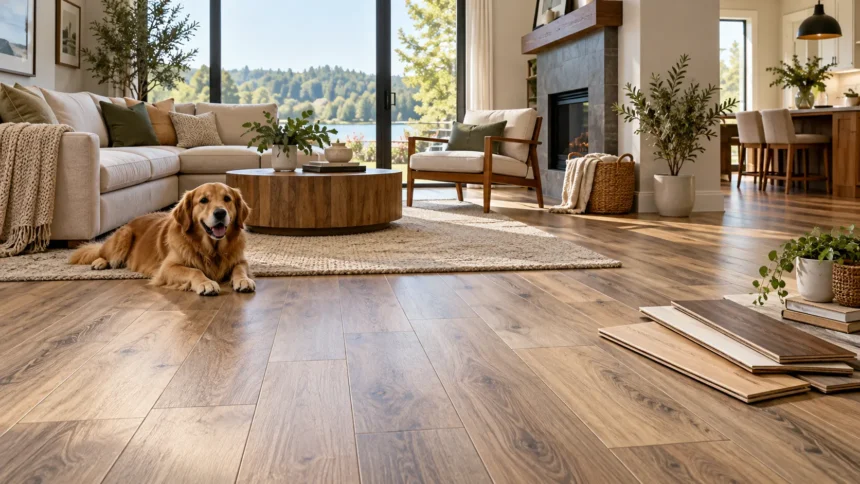
LVP flooring is available in different thicknesses, finishes, colors, and installation systems. Homeowners can choose designs resembling oak, maple, walnut, or other popular wood species without purchasing natural timber. Depending on the product, planks may connect through click-lock edges or require adhesive, making them suitable for different renovation projects and flooring requirements.
What Are the Different Types of LVP Flooring?
Luxury vinyl plank flooring comes in several constructions, each offering different levels of flexibility, strength, and comfort. Flexible vinyl planks have a softer structure that can conform more closely to the prepared subfloor. Rigid-core products contain a firmer internal layer designed to improve dimensional stability and provide a more solid feeling underfoot.
Stone plastic composite flooring, commonly known as SPC, uses a dense mineral-filled core. This construction provides excellent dimensional stability and can withstand regular household foot traffic. However, SPC flooring often feels firmer underfoot than softer vinyl alternatives, making comfort and the condition of the subfloor important considerations during product selection.
Wood plastic composite flooring, or WPC, typically features a lighter, foamed polymer core that can provide additional cushioning. It may feel warmer and quieter underfoot compared with some rigid SPC products. Both materials are available in realistic wood-look finishes, so the better choice depends on your priorities, installation conditions, budget, and manufacturer specifications.
What Are the Main Advantages of LVP Flooring?
One of the biggest advantages of LVP flooring is its combination of durability and affordability. Many products provide convincing wood-look finishes without the higher purchase and maintenance costs associated with traditional hardwood. Protective wear layers help withstand ordinary household activity, making suitable products practical for families, pets, and frequently used rooms.
Another important benefit is moisture resistance, which allows properly selected luxury vinyl planks to perform well in kitchens, laundry rooms, and other areas exposed to occasional spills. Many rigid-core products are marketed as waterproof because their plank materials resist water penetration. However, waterproof planks do not automatically protect the subfloor against flooding or moisture entering through joints.
Luxury vinyl plank flooring is also relatively easy to clean and available in numerous decorative styles. Regular sweeping and occasional damp mopping usually provide sufficient maintenance when manufacturer instructions are followed. With colors ranging from pale oak to dark walnut, homeowners can match their flooring to modern, farmhouse, minimalist, or traditional interior designs.
What Are the Disadvantages of LVP Flooring?
Although LVP flooring offers several benefits, it is not completely resistant to damage. Heavy furniture, dragged appliances, sharp objects, and abrasive debris can scratch or dent certain products. Lower-quality planks may show wear sooner, particularly in busy areas where the flooring experiences frequent movement, furniture pressure, or unsuitable cleaning practices.
Another disadvantage is that damaged vinyl flooring cannot be sanded and refinished like genuine hardwood. Depending on the installation method, individual planks may need replacement when scratches, dents, or other damage become noticeable. Matching replacement materials can also be challenging if the original color or design has been discontinued by the manufacturer.
LVP is manufactured using synthetic materials, which may concern homeowners who prefer renewable or natural flooring products. Quality, indoor air emissions, and recycling options vary between manufacturers. Some products may also expand or contract with temperature changes, so proper installation conditions and appropriate expansion allowances remain essential for reliable long-term performance.
How Much Does LVP Flooring Cost Per Square Foot?
Luxury vinyl plank flooring generally costs approximately $2 to $10 per square foot for materials in the United States. Entry-level products usually feature simpler finishes and thinner constructions, while premium options offer more realistic textures and enhanced performance features. Product quality, brand, wear layer specifications, and plank construction all influence the final purchase price.
Professional installation commonly brings the overall cost to approximately $4 to $16 per square foot. This general range includes flooring materials and typical labor charges, although complex projects may cost more. Local labor rates, existing floor removal, subfloor preparation, room layout, and the selected installation method can significantly affect the final estimate.
For example, installing LVP flooring in a 200-square-foot room may cost approximately $800 to $3,200 within that range. A larger 500-square-foot project could cost roughly $2,000 to $8,000 before unusual preparation expenses. These figures are broad budgeting estimates rather than guaranteed prices, so obtaining detailed local contractor quotations is recommended.
What Factors Affect LVP Flooring Installation Costs?
The total cost of installing luxury vinyl plank flooring depends on more than the price of the planks themselves. Subfloor condition is particularly important because damaged, uneven, or moisture-affected surfaces may require repairs before installation. Proper preparation helps prevent visible irregularities, premature wear, and movement problems that could compromise the finished floor.
Installation method also affects labor expenses and project complexity. Click-lock floating flooring can be relatively efficient to install on suitable prepared surfaces, while glue-down products require compatible adhesives and careful substrate preparation. Rooms containing numerous corners, doorways, stairs, or complicated patterns may require additional cutting and labor compared with simple rectangular layouts.
Additional expenses may include removing old flooring, moving furniture, replacing damaged trim, or installing approved underlayment. Contractors might also charge for moisture testing, floor leveling, and disposal services. Requesting an itemized estimate allows you to compare material costs, labor charges, preparation work, and optional services before committing to a renovation project.
Is LVP Flooring Waterproof or Water-Resistant?
Many luxury vinyl plank products are described as waterproof because their vinyl and composite materials do not readily absorb household spills. This characteristic makes certain LVP products suitable for kitchens, bathrooms, and laundry rooms. However, the flooring system’s performance depends on proper installation, compatible accessories, and the manufacturer’s specific recommendations for moisture exposure.
Water can sometimes travel through plank joints or around room edges and become trapped beneath the flooring. This may damage vulnerable subfloor materials even when the planks themselves remain unaffected. Standing water, plumbing leaks, and persistent moisture problems should therefore be addressed promptly rather than assuming that waterproof flooring eliminates every potential risk.
When choosing LVP for moisture-prone areas, review the product warranty and installation requirements carefully. Some manufacturers specify moisture limits for concrete subfloors or recommend particular sealing details around fixtures. Selecting appropriate materials and following installation instructions helps protect the flooring system while reducing the likelihood of preventable moisture-related problems.
How Long Does LVP Flooring Last?
Luxury vinyl plank flooring can last approximately 10 to 25 years in many residential settings, although actual performance varies considerably. Product construction, wear layer durability, installation quality, foot traffic, and cleaning habits all influence its service life. Premium products installed correctly may remain attractive longer than inexpensive flooring exposed to demanding conditions.
The wear layer plays an important role in protecting the decorative surface from everyday damage. It is commonly measured in mils, with thicker options often selected for busy households and commercial spaces. A 20-mil wear layer, for example, is frequently associated with products intended for heavier use, although thickness alone does not guarantee overall quality.
Proper maintenance can help extend the appearance and usefulness of LVP flooring. Use protective pads beneath furniture, remove abrasive dirt regularly, and avoid dragging heavy objects across exposed surfaces. Following the manufacturer’s cleaning recommendations and maintaining suitable indoor conditions can reduce unnecessary wear while helping the floor retain its original appearance.
LVP Flooring vs. Laminate Flooring: Which Is Better?
LVP flooring and laminate flooring are popular alternatives to hardwood, but their construction differs significantly. Luxury vinyl plank typically uses vinyl-based or composite layers, while conventional laminate features a wood-fiber core beneath a decorative surface. These structural differences influence moisture resistance, sound, comfort, installation requirements, and the types of environments each product can accommodate.
LVP often provides an advantage in areas where spills and moisture exposure are common. Many laminate products resist occasional spills, but conventional wood-fiber cores can swell when water reaches vulnerable areas. Some newer laminate products offer improved water resistance, so comparing individual specifications is more useful than assuming every product in either category performs identically.
Laminate flooring may appeal to homeowners who prefer its surface feel, appearance, or pricing options. LVP can be attractive for its flexibility, moisture-resistant construction, and realistic wood patterns. The best choice depends on room conditions, product quality, maintenance preferences, and budget rather than a universal rule that one flooring category is always superior.
LVP Flooring vs. Hardwood Flooring: Pros and Differences
Hardwood flooring offers natural wood grain, distinctive character, and the possibility of refinishing certain products. Luxury vinyl plank recreates many of these visual qualities through printed decorative layers and textured finishes. Although modern LVP can look convincing, it does not provide the same natural material composition or refinishing potential as genuine hardwood flooring.
Cost and maintenance requirements are major differences between these flooring options. LVP is generally more affordable to purchase and maintain, while hardwood often involves higher material and installation expenses. Natural wood may also require greater attention to indoor humidity and moisture exposure, especially in rooms where spills or changing environmental conditions are common.
Hardwood can be an attractive long-term investment for homeowners who value authentic materials and potential refinishing. LVP may be more practical when affordability, easy cleaning, and moisture resistance are priorities. Consider your expected length of ownership, lifestyle, room conditions, and desired appearance before deciding which flooring material offers better overall value.
Where Should You Install LVP Flooring in Your Home?
Luxury vinyl plank flooring works well in living rooms, bedrooms, hallways, and other interior spaces where homeowners want a consistent wood-look surface. Its available finishes make it easy to coordinate flooring with furniture, wall colors, and decorative styles. Choosing one complementary design across connected rooms can create a visually spacious and organized interior.
Kitchens and laundry rooms are also common locations for moisture-resistant LVP products. Appropriate waterproof planks can provide practical protection against ordinary splashes while remaining comfortable for everyday household activities. Bathrooms may also be suitable when the selected product and installation system are approved for that environment and water exposure is managed properly.
Basements require additional attention because concrete moisture and subfloor conditions can affect flooring performance. Check manufacturer requirements before installing luxury vinyl over concrete or existing surfaces. LVP is generally not intended for uncovered outdoor areas or environments with extreme temperatures unless the manufacturer specifically approves that application and its installation conditions.
How to Choose the Best LVP Flooring for Your Home
Selecting the right LVP flooring starts with understanding your household’s needs and the conditions in each room. Consider foot traffic, moisture exposure, furniture weight, and the appearance you want to achieve. A busy family hallway may benefit from a different product specification than a lightly used guest bedroom or decorative living space.
Compare wear layers, total plank thickness, core construction, warranty conditions, and installation requirements rather than relying only on appearance. Look for reputable third-party indoor air emissions certifications when evaluating product options. If sound reduction matters, examine approved underlayment systems and acoustic performance claims instead of assuming every thick plank will provide noticeable noise control.
Request physical samples whenever possible and examine them under your home’s natural and artificial lighting. Compare colors against cabinets, walls, and existing furniture to avoid unexpected differences after installation. Finally, calculate the complete project budget, including preparation and labor, before selecting a flooring product that balances performance, appearance, and affordability.
Conclusion
Luxury vinyl plank flooring provides a practical combination of attractive design, moisture resistance, and manageable maintenance requirements. Its realistic wood patterns make it appealing to homeowners who want the appearance of hardwood without some of the associated expenses. Understanding what LVP flooring is and how its layers function can help you evaluate products more confidently.
However, LVP flooring also has limitations, including vulnerability to certain scratches, potential replacement difficulties, and sensitivity to unsuitable installation conditions. Costs vary according to material quality, room size, labor rates, and subfloor preparation. Comparing product specifications and obtaining accurate quotations can help prevent unexpected expenses during your flooring renovation.
Ultimately, the best flooring choice depends on your household, budget, and long-term expectations. High-quality LVP can be a suitable option for many residential spaces when installed and maintained correctly. By considering its advantages, disadvantages, and total ownership costs, you can choose flooring that supports both your home’s appearance and everyday practical needs.
Frequently Asked Questions
Is LVP flooring better than laminate flooring?
LVP often offers better moisture resistance than conventional laminate flooring, making it attractive for kitchens and similar areas. However, the better option depends on individual product specifications, durability, appearance, and budget.
How much does it cost to install LVP flooring?
Professional LVP flooring installation commonly costs around $4 to $16 per square foot, including materials and typical labor. Additional preparation, flooring removal, complicated layouts, and regional labor prices can increase costs.
Can LVP flooring be installed over existing floors?
Some LVP products can be installed over suitable existing flooring if the surface is stable, flat, clean, and approved by the manufacturer. Always check installation instructions before covering older materials.
How long does luxury vinyl plank flooring last?
LVP flooring may last approximately 10 to 25 years, depending on product quality, installation, maintenance, and household traffic. Proper cleaning and furniture protection can help preserve its appearance and performance.
Is LVP flooring worth the money?
LVP can offer good value for homeowners seeking realistic wood designs, easy maintenance, and moisture-resistant flooring. Its overall value depends on material quality, installation costs, and suitability for the intended room.