

Useful metal detector accessories can make every stage of treasure hunting easier, from locating a target to recovering it safely and keeping the search area clean.

A metal detector is the main tool, but it is only one part of the process. After a signal appears, the detectorist still needs to find the exact position of the object, open the ground or sand, remove the target and store it properly. The right accessories help make this process faster, cleaner and more comfortable https://ckgscoop.com/
Why accessories matter
Even a strong detector signal does not always mean an easy recovery. A coin may be hidden in the side of a soil plug. A ring may be mixed with loose sand. A small relic may be difficult to see among roots, stones or wet ground.
This is where supporting gear becomes important. A pinpointer, digging tool, finds pouch, shovel or scoop can reduce guesswork and help the hunter avoid unnecessary digging.
Good accessories do not replace skill. They support better technique.

Pinpointers for accurate recovery
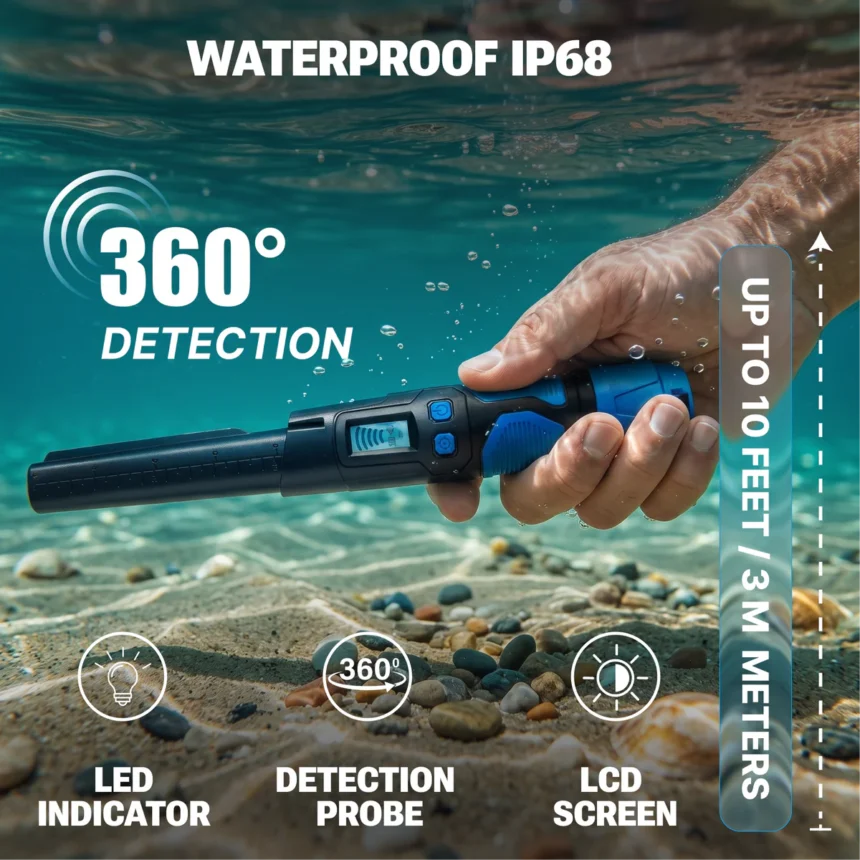
A handheld pinpointer is one of the most useful items in a detecting kit. It helps locate the target once the main detector has identified the general area.
Instead of widening the hole again and again, the user can check the plug, sidewall or loose soil more precisely. This saves time and reduces the chance of damaging a coin, ring or relic.
A pinpointer is especially helpful in grassy areas, parks and places where clean recovery is important.
Digging tools for different ground
The right digging tool depends on the location. A compact hand digger may work well in soft soil or maintained grass. A stronger shovel may be better for fields, woodland or compacted ground.

Beach hunting often requires a sand scoop instead of a regular shovel. The scoop allows sand to fall through while the target remains inside the basket.
Using the correct tool for the ground helps protect both the find and the search site.
Pouches and storage
A finds pouch keeps recovered items organized during the hunt. Valuable finds should be separated from trash such as nails, bottle caps, foil and wire.
This makes it easier to protect coins, jewelry and small relics. It also encourages responsible detecting by giving the user a place to carry away unwanted metal instead of leaving it in the ground.
For fragile items, a small finds box can provide extra protection.
Comfort accessories for long hunts
Treasure hunting often involves hours of walking, swinging the detector, bending and digging. Small comfort upgrades can make a noticeable difference.
Useful additions may include gloves, arm supports, replacement shafts, grips, tool holders and recovery cloths. Gloves protect the hands from sharp or rusty objects, while a recovery cloth keeps loose soil together before it is returned to the hole.
Comfortable equipment helps the detectorist stay focused longer and move more naturally.
Build the kit around the search location
There is no single accessory setup that works perfectly everywhere. A short park hunt may require only a pinpointer, hand digger and pouch. A field search may need a shovel, gloves and a larger storage bag. A beach setup usually includes a sand scoop and tools that can handle water and sand.
Before adding any item to the kit, ask whether it helps with one of four things: locating, digging, protecting or carrying.
The best metal detector accessories are the ones that solve real problems during the hunt. With a balanced setup, detectorists can recover targets more efficiently, protect their finds and leave each location in better condition.