

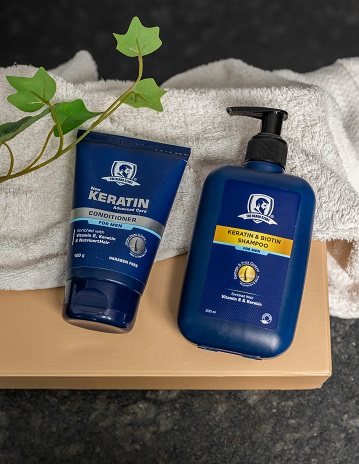
The world of haircare myths is often inundated with myths that permeate popular culture, social media, and even professional advice. While many tips and tricks may seem intuitive or harmless, they can lead individuals to adopt ineffective or potentially damaging practices. Common misconceptions about haircare can range from the benefits of specific products to the effects of certain habits on hair health. These misunderstandings frequently stem from anecdotal evidence, commercial interests, and the virality of misinformation online.
For instance, one prevalent myth suggests that frequent trimming results in faster hair growth. In reality, hair growth occurs at the follicle level and is determined by various biological factors, rather than the frequency of trims. Another often-repeated fallacy is that washing hair daily is necessary to maintain cleanliness, which, conversely, can strip away natural oils and lead to dryness and damage.
As you navigate this post, you will discover a range of commonly held beliefs surrounding haircare practices. By dissecting these myths, we aim to equip you with evidence-based knowledge that empowers you to make informed decisions about your haircare routines. Understanding the origins of these misconceptions and their implications for hair health can significantly alter how you approach the care of your hair. This blog post will clarify ten prevalent haircare myths, helping you discern fact from fiction and ultimately fostering healthier hair. Let us journey together through the world of haircare wisdom, reinforcing the importance of evidence over hearsay.
Myth 1: Frequent Hair Washing is Bad for Your Hair
The belief that washing hair frequently leads to damage by stripping it of its natural oils is a common misconception. However, the necessity of regular washing heavily depends on various factors, including individual hair type, scalp condition, and lifestyle choices. Each person has a unique hair and scalp profile, thus the appropriate washing frequency can differ significantly from one individual to another.
For individuals with oily hair or scalps, frequent washing may actually be beneficial. Oily hair can attract dirt and pollutants more easily, potentially leading to a build-up that could cause irritation or an unhealthy appearance. In such cases, a daily or every-other-day washing routine can help maintain a clean, healthy scalp and prevent excess oil accumulation. Conversely, those with dry or curly hair might find that less frequent washing is advantageous, as it allows the natural oils to nourish the hair strands effectively, preventing dryness and frizz.
Furthermore, lifestyle choices play a crucial role in determining hair washing needs. For those who engage in physical activities that induce sweating or use hair products regularly, a more frequent washing schedule could be necessary to maintain both scalp health and overall cleanliness. On the other hand, individuals who lead a more sedentary lifestyle may require less regular cleansing.
Ultimately, it is essential to understand that there is no one-size-fits-all answer regarding hair washing frequency. Recognizing your hair type, assessing your scalp’s health, and considering your lifestyle will help you determine what works best for your hair. So, rather than following a myth, tailor your hair washing routine to meet your individual needs for optimal hair health.
Myth 2: Trimming Hair Makes it Grow Faster
A prevalent belief among many is that regular hair trimming can stimulate faster hair growth. This myth persists due to the positive effects of trimming on the hair’s appearance and health. However, it is crucial to understand that while trimming does not enhance the rate of hair growth, it plays a vital role in maintaining the overall health and aesthetic of your hair.
The growth of hair originates from the hair follicles located within the scalp, where cellular activity and nourishment are responsible for the rate of growth. Hair typically grows at an average rate of half an inch per month, influenced more by genetics, health, and proper nutrition rather than the act of trimming itself. Thus, eliminating split ends through trimming does improve the hair’s look by making it appear thicker and healthier but does not affect how fast the hair actually grows.
To achieve and maintain healthy hair, it is advisable to incorporate various practices beyond regular trims. First and foremost, a balanced diet rich in vitamins and minerals is essential. Nutrients such as biotin, vitamin E, and omega-3 fatty acids are known to support hair health. Staying hydrated is equally important, as water is a key component for optimal cellular function, including that of hair follicles.
Additionally, protecting hair from excessive heat styling, harsh chemical treatments, and environmental pollutants can contribute significantly to its longevity and health. Regularly using deep-conditioning treatments can also help maintain moisture and vitality. Instead of focusing solely on trims for faster growth, consider integrating comprehensive haircare routines that prioritize nourishment and protection. This approach promotes not only healthier hair but also contributes to a more manageable and vibrant mane.
Myth 3: All Hair Oils are Beneficial
Hair oils have gained considerable popularity in the beauty and personal care industry, often touted for their numerous benefits. However, the assumption that all hair oils are beneficial for everyone is a myth that requires clarification. Not all oils are created equal, and their effectiveness can vary significantly depending on hair type, texture, and individual needs.
Firstly, it is essential to recognize the different types of hair oils available and their respective properties. For example, coconut oil is well-known for its ability to penetrate the hair shaft, making it an excellent choice for dry and damaged hair. It provides deep nourishment and helps to improve overall hair health. On the other hand, lighter oils like argan or jojoba oil tend to be better suited for fine or oily hair types, as they provide moisture without weighing hair down.
Additionally, some oils, such as mineral oil or petroleum-based products, may not provide any real benefits to hair health and could even contribute to build-up on the scalp. These oils typically seal in moisture but do not offer nutritional support to the hair follicles. Therefore, individuals with certain scalp conditions or those prone to oiliness should be cautious when selecting hair oils.
Moreover, the method of application can also affect the efficacy of hair oils. For optimal results, tailoring the frequency and quantity of oil to your specific hair type and condition is crucial. For instance, thick, curly hair may benefit from heavier oils used once a week, while straight, fine hair may require only a small amount of light oil applied sparingly.
In conclusion, the effectiveness of hair oils is highly dependent on individual hair types and the specific oils used. It is important to educate oneself about the unique properties of different oils and to choose wisely to optimize hair health.
Myth 4: Shampooing is Necessary Before Conditioning
The traditional haircare routine often dictates that one must shampoo their hair before applying conditioner. However, this notion does not align with the needs of all hair types. In recent years, a trend known as “co-washing”—the practice of washing hair solely with conditioner—has emerged and gained traction, particularly among individuals with curly or coily hair types.
Co-washing can offer various advantages. For textured hair, which tends to be drier and more prone to breakage, shampooing can strip away essential natural oils. When individuals with such hair types use shampoo, they oftentimes experience increased dryness and frizz, leading to more significant damage over time. In contrast, co-washing allows the hair to retain moisture while still being cleansed from dirt and product buildup.
It is important to note that co-washing is not universally applicable. Hair types that are fine or prone to excessive oil production may still require regular use of a clarifying shampoo to maintain scalp health and remove excess grease. While co-washing may work well within a curated routine for some, each person’s hair texture and scalp condition dictates their specific needs.
Additionally, numerous conditioners on the market today contain cleansing agents that help to remove dirt without over-drying the hair. These formulations may be appropriate for individuals looking to transition away from traditional shampooing. Ultimately, the decision of whether to shampoo first greatly depends on individual hair health and texture. Understanding the unique characteristics of one’s hair will enable one to make informed choices about their cleansing routines, promoting overall hair health.
Myth 5: Hair Color Will Damage Your Hair Permanently
The belief that hair dye causes irreversible damage to hair is one of the most pervasive myths in haircare. While it is true that certain chemical processes in hair coloring can lead to temporary structural changes in the hair, advancements in hair color technology have significantly mitigated these effects. Today’s formulations are designed not only to provide vibrant colors but also to enhance the overall health of the hair.
Modern hair dyes contain conditioning agents and are often ammonia-free, which means they can color hair more gently than their predecessors. These innovations help to maintain the integrity of the hair shaft, preventing dryness and brittleness that used to be associated with the dyeing process. Furthermore, semi-permanent and demi-permanent color options are available that offer the desired changes without the long-lasting effects of permanent dyes.
Another crucial factor in minimizing damage during the coloring process is the application of proper aftercare. Using high-quality shampoos and conditioners specifically formulated for color-treated hair can significantly improve hair health. These products often contain ingredients that help retain moisture and protect color vibrancy, making them essential in maintaining healthy, colorful hair.
Additionally, regular deep conditioning treatments and maintaining a balanced diet rich in vitamins can further enhance hair strength and resilience. It is important to remember that while hair color may alter the appearance of hair, with appropriate care, the damage can be kept to a minimum. By addressing these aspects, individuals can enjoy vibrant hair color without the fear of permanent damage.
Myth 6: Natural Products are Always Safe and Effective
There is a prevalent belief among consumers that all natural haircare products are inherently safe and effective. This assumption stems from the increasing popularity of natural ingredients in beauty and personal care items, often marketed as superior alternatives to synthetic counterparts. However, this perspective can be misleading and even potentially hazardous.
Firstly, the term ‘natural’ is not strictly regulated in many regions, which means that products marketed as natural can variably contain a blend of actual natural ingredients alongside synthetic additives. For instance, certain natural ingredients, such as essential oils or herbal extracts, can trigger allergic reactions or irritation in sensitive individuals. Furthermore, some plants contain compounds that may be harmful when applied to the hair or scalp, and without proper scientific research, their safety profiles remain uncertain.
Additionally, effectiveness is not guaranteed simply because a product is natural. While many natural ingredients have beneficial properties, optimizing their efficacy often requires careful formulation and a proper understanding of hair biology. For example, natural oils might offer nourishment but may not address specific hair concerns such as dandruff or significant hair loss. Therefore, individuals seeking solutions for particular hair issues may need to consider products that combine the best of both natural and synthetic formulations.
It is essential for consumers to perform thorough research, read ingredient labels critically, and even consult with professionals when necessary. Just because a haircare product is deemed ‘natural’ does not imply it is void of risks or will deliver the desired outcomes. Understanding the limitations and potential downsides of natural products can lead to better-informed decisions for achieving healthy hair.
Myth 7: You Must Avoid Heat at All Costs
The belief that all heat applications are harmful to hair is a common misconception. While excessive heat exposure can indeed lead to damage, when used thoughtfully and with appropriate precautions, heat styling can coexist with a healthy hair care regimen. It is essential to understand that the potential for damage largely depends on the type of heat tool used, the temperature settings chosen, and the protective measures undertaken before styling.
One of the fundamental aspects of using heat tools responsibly is selecting a high-quality styling device. Many modern heat tools come with features that allow users to adjust the temperature, which is crucial for minimizing damage. For instance, fine or damaged hair benefits from lower heat settings, generally not exceeding 300°F (149°C), while thicker hair types may require slightly higher temperatures. It is vital to choose the lowest effective temperature that achieves the desired styling outcome.
Additionally, applying heat protectant products is key to preventing thermal damage. These products create a barrier between the hair and the heat source, ensuring that the cuticle remains intact and minimization of moisture loss occurs. Look for sprays or creams that contain ingredients like silicones and proteins, which can aid in shielding the hair from direct heat exposure.
Alternating heat styling with air-drying or other no-heat methods can further benefit overall hair health. Incorporating rejuvenating treatments like deep conditioning or oil-infused masks will assist in replenishing moisture and essential nutrients lost during heat exposure. Ultimately, adopting these practices allows individuals to enjoy the styling versatility offered by heat tools without compromising hair integrity.
Conclusion: Embracing Informed Haircare Choices
Throughout this exploration of common haircare myths, we have sifted through various misconceptions that often cloud our understanding of how to maintain healthy hair. From the belief that frequent washing leads to damage, to the notion that natural products are always superior, the myths we discussed are not just trivial anecdotes; they can significantly affect our hair care routines.
It is essential to recognize that hair care is not a one-size-fits-all solution. Individual hair types, textures, and personal preferences all play vital roles in determining the best practices for maintaining healthy hair. For instance, while some may thrive using sulfate-free shampoos, others may find that traditional cleansing products work better for their specific hair needs. As we navigate through the array of available haircare products and techniques, staying informed is the key to success.
Moreover, continuous education about hair health can empower consumers to make informed choices that best suit their personal hair requirements. By critically evaluating the information around hair care and embracing science-based practices, individuals can avoid falling victim to popular but misleading trends. Whether it involves understanding the importance of hydration, the role of heat protection, or the benefits of occasional trims, being educated can lead to more effective hair care regimens.
In conclusion, the path to healthy hair is paved with knowledge and mindfulness. By challenging common myths and advocating for informed choices, readers can foster a more profound connection with their hair. As hair care continues to evolve, prioritizing an evidence-based approach will ultimately yield the healthiest and most attractive results for all hair types.