

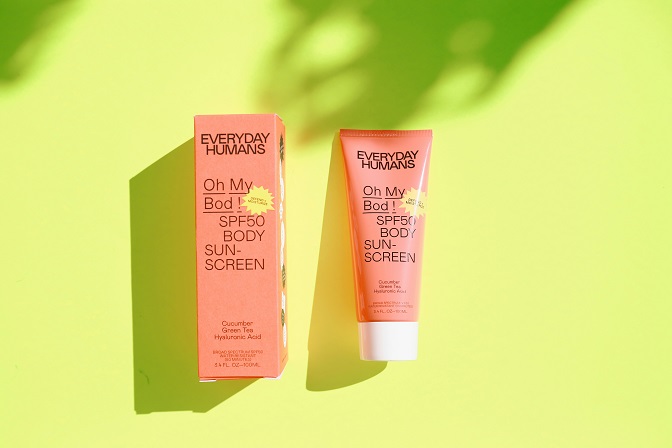
Every day, our skin is exposed to ultraviolet (UV) rays emitted by the sun, which can have harmful effects on our health. These rays are classified into two main types: UVA and UVB. UVA rays penetrate deeply into the skin, leading to premature aging and potentially contributing to skin cancer. On the other hand, UVB rays are primarily responsible for causing sunburn. Together, these harmful rays pose a significant risk, making the usage of sunscreen an essential component of any daily skincare routine. One of the primary roles of sunscreen is to provide a protective barrier against these UV rays. By applying sunscreen regularly, individuals can greatly reduce their risk of developing skin-related problems such as sunburn, dark spots, and even skin cancer. In particular, broad-spectrum sunscreens that shield against both UVA and UVB rays are crucial for comprehensive skin protection. Studies have demonstrated that consistent use of sunscreen reduces the incidence of melanoma and other types of skin cancer.
Furthermore, the daily application of sunscreen benefits can significantly combat the signs of aging. UV exposure is one of the leading causes of fine lines, wrinkles, and a loss of skin elasticity. By incorporating sunscreen into one’s daily skincare regimen, it becomes possible to maintain a youthful appearance while defending against environmental damage. It is essential to note that sunscreen should be used not only during sunny days but also on overcast days, as UV rays can penetrate through clouds.
In summary, the importance of utilizing sunscreen daily cannot be overstated. The protective properties of sunscreen, which help to block harmful rays, play a pivotal role in preventing skin cancer and minimizing premature aging. Making sunscreen a non-negotiable part of one’s skincare routine is vital for maintaining healthy skin and overall well-being.
Understanding SPF: What You Need to Know
Sun Protection Factor, commonly known as SPF, plays a crucial role in how we select sunscreens for daily use. SPF is a measure of how well a sunscreen can protect the skin from harmful ultraviolet (UV) rays, specifically UVB rays, which are responsible for sunburn and can contribute to skin cancer. The SPF rating primarily indicates the level of protection a sunscreen offers when applied correctly. For instance, an SPF of 30 implies that a person can theoretically stay in the sun 30 times longer without burning than if their skin were unprotected.
When evaluating different SPF ratings, it is essential to note that the differences may not be as significant as they seem. SPF 15 blocks approximately 93% of UVB rays, SPF 30 blocks about 97%, and SPF 50 blocks approximately 98%. This incremental increase in protection suggests that while higher SPF values do offer better protection, they do not guarantee complete safety from sun exposure. In fact, no sunscreen can block 100% of UV rays, thus making the application process critical.
Choosing the correct SPF for individual skin types and exposure levels is vital for effective sun protection. Factors such as skin tone, sensitivity to sun exposure, and the intensity of sun exposure in different environments can influence this decision. Fair-skinned individuals, for example, may require a higher SPF to guard against burning. Conversely, those with darker skin tones might manage with a lower SPF, although protection remains crucial for everyone. It’s also essential to consider the duration of sun exposure and whether the activity involves swimming or sweating, as these factors can necessitate reapplication and higher SPF usage.
In summary, understanding SPF and its implications for skin protection is necessary for making informed choices regarding sunscreen selection. By selecting the right SPF based on personal skin needs and environmental factors, individuals can enhance their daily skincare routine and better protect themselves against harmful UV radiation.
Chemical vs. Mineral Sunscreens: Which One is Right for You?
Sunscreens are vital for protecting the skin from harmful ultraviolet (UV) rays, but choosing the right type can be challenging. The two primary classifications of sunscreens are chemical and mineral, each with distinct formulations and mechanisms of action.
Chemical sunscreens work by absorbing UV radiation through their active ingredients, such as avobenzone, octisalate, or octocrylene. Once absorbed, these chemicals convert the UV rays into heat, which is then released from the skin. This type of sunscreen typically offers a lighter, less greasy feel, which appeals to many users, especially those with oily or combination skin. However, it may not be suitable for sensitive skin types, as some chemical ingredients can cause irritation or allergic reactions.
On the other hand, mineral sunscreens, often referred to as physical sunscreens, contain active mineral ingredients like zinc oxide or titanium dioxide. These components provide a barrier on the skin’s surface that reflects and scatters UV radiation. Mineral sunscreen is often recommended for sensitive skin and children due to its gentle formulation. Additionally, these products begin working immediately upon application, whereas some chemical sunscreens require a waiting period before becoming effective. Despite their benefits, mineral sunscreens may leave a white cast on the skin and can feel heavier compared to their chemical counterparts.
Ultimately, the choice between chemical and mineral sunscreens depends on individual preferences and skin types. Those with sensitive or reactive skin may prefer mineral options for their soothing properties. In contrast, individuals seeking a lightweight, non-greasy feel may lean toward chemical formulations. Given the multitude of factors at play, it is essential for consumers to evaluate the pros and cons of each type and their skin needs to make an informed decision.
Key Ingredients to Look for in Sunscreens
When selecting a sunscreen, it is crucial to understand the ingredients that contribute to its effectiveness in protecting the skin from harmful ultraviolet (UV) rays. Sunscreens typically contain both active and inactive ingredients, which serve various roles in enhancing the product’s protective capabilities.
Active ingredients, such as zinc oxide and titanium dioxide, are physical blockers that create a barrier on the skin’s surface to reflect UV rays. These mineral-based sunscreens are often recommended as they are less likely to cause irritation and are suitable for sensitive skin types. Chemical sunscreens, on the other hand, may contain ingredients like avobenzone, octisalate, and octocrylene. These components absorb UV radiation, transforming it into heat, and are effective in protecting against both UVA and UVB rays.
In addition to active ingredients, effective sunscreens also incorporate several inactive ingredients that contribute to the overall skin health. Look for sunscreens that include antioxidants such as vitamins C and E, which help combat free radicals generated by sun exposure. Hydrating elements like hyaluronic acid or glycerin can aid in maintaining skin moisture and improving texture, ultimately enhancing the sunscreen’s effectiveness. Additionally, formulations containing anti-aging components, such as peptides and niacinamide, can provide further skin benefits by promoting elasticity and firmness.
It is equally important to be aware of ingredients to avoid. Steer clear of sunscreens containing alcohol or synthetic fragrances that may cause skin irritation. Furthermore, products with oxybenzone and homosalate have raised concerns regarding their potential endocrine-disrupting effects. Hence, choosing a formulation free from these harmful chemicals ensures better skin safety and health.
Top Recommended Sunscreens for Daily Use
Choosing the right sunscreen for daily skin protection is crucial to maintaining skin health and preventing premature aging or sun damage. Below, we present a curated list of some of the top recommended sunscreens available on the market, each designed to cater to various skin types and needs.
1. Neutrogena Ultra Sheer Dry-Touch Sunscreen SPF 100
This sunscreen is well-known for its lightweight feel and high SPF protection. Its non-greasy formula absorbs quickly, making it suitable for daily use. Ideal for oily and combination skin types, the broad-spectrum UV protection helps shield against both UVA and UVB rays.
2. La Roche-Posay Anthelios Melt-in Milk Sunscreen SPF 60
This sunscreen offers high protection with a smooth, melting texture that feels luxurious on the skin. It is water-resistant for up to 80 minutes, making it an excellent choice for outdoor activities. Great for sensitive skin, its formulation is fragrance-free and lightweight.
3. CeraVe Hydrating Sunscreen for Face SPF 30
A perfect option for dry skin types, this sunscreen is enriched with essential ceramides and niacinamide to help restore the skin barrier and retain moisture. The non-comedogenic formula is designed to provide broad-spectrum protection while hydrating your skin throughout the day.
4. EltaMD UV Clear Facial Sunscreen SPF 46
Recommended for acne-prone or sensitive skin, this sunscreen contains niacinamide, which helps calm irritation and redness. This lightweight, oil-free product absorbs quickly and is suitable for daily use, providing excellent protection without clogging pores.
5. Supergoop! Unseen Sunscreen SPF 40: This innovative sunscreen features a unique gel-like texture that doubles as a makeup primer. It offers broad-spectrum protection and is formulated without oils or fragrance, making it suitable for all skin types.
Choosing the right sunscreen is essential in daily skincare routines. By understanding personal skin needs, individuals can select from these highly recommended options to ensure effective skin protection.
How to Apply Sunscreen Effectively
Applying sunscreen effectively is crucial to achieving optimal skin protection against harmful UV rays. To ensure maximum efficacy, it is essential to use the right amount of sunscreen. The recommended quantity is about one ounce, which is roughly equivalent to a shot glass. This amount should adequately cover the entire body, including often-overlooked areas such as the ears, the back of the neck, and the tops of the feet. For the face, a nickel-sized amount is generally sufficient to provide proper coverage.
The technique of application is equally important. Begin by applying sunscreen to dry skin 15 to 30 minutes before sun exposure to allow it to absorb properly. Use your fingers to spread the sunscreen evenly across the skin, ensuring that all areas are covered without leaving any patches. Pay particular attention to high-risk areas, such as around the eyes and along hairlines, to prevent sunburn. It is advisable to apply sunscreen in a circular motion to ensure full absorption and even distribution.
Reapplication is essential for maintaining protection throughout the day. Sunscreen should be reapplied every two hours, or more frequently when swimming or sweating. It is also vital to reapply sunscreen after towel drying, as water can diminish its effectiveness. For those engaged in continuous outdoor activities, a water-resistant formula may be beneficial to ensure prolonged protection.
In situations where extended sun exposure is anticipated, consider utilizing other protective measures alongside sunscreen. Wearing hats, sunglasses, and protective clothing can enhance your defense against UV radiation, ensuring comprehensive skin care while enjoying outdoor activities.
Sunscreen Myths Debunked
Sunscreen is widely acknowledged for its protective benefits against harmful ultraviolet (UV) rays, yet numerous myths persist about its application and effectiveness. One prevalent misconception is that sunscreen is only necessary on sunny days. This belief can lead to inadequate protection during overcast conditions. In reality, up to 80 percent of UV rays can penetrate clouds, meaning that even on cloudy days, your skin is still susceptible to damage. Regular application, regardless of weather, is essential for effective daily skin protection.
Another common myth is the assumption that a higher SPF (Sun Protection Factor) guarantees dramatically superior protection. While it is true that higher SPFs do offer more protection, the difference may not be as significant as many believe. For instance, SPF 30 blocks approximately 97% of UVB rays, while SPF 50 blocks about 98%. Therefore, the incremental benefit gained from increments above SPF 30 is minimal. Instead of focusing solely on high SPF, it is more prudent to consider the broad-spectrum protection against both UVA and UVB rays, the consistency of application, and the frequency of reapplication as more critical factors in effective sun protection.
Some individuals may also assume that sunscreen is unnecessary for darker skin tones, which is a misguided belief. Although melanin in darker skin provides some natural protection, it does not render individuals immune to UV damage. All skin types can suffer from sunburn and long-term risks such as skin cancer and premature aging. Therefore, regardless of one’s skin type, daily application of sunscreen is vital to safeguard against harm from UV exposure. Addressing these myths is crucial in promoting effective skin care practices and ensuring comprehensive sun safety for everyone.
The Role of Sunscreen in Your Overall Skincare Routine
Sunscreen benefits plays a pivotal role in an effective skincare regimen, serving as the first line of defense against harmful UV radiation. Daily exposure to the sun not only accelerates skin aging but also significantly heightens the risk of skin cancer. Incorporating a broad-spectrum sunscreen into your routine is essential for protecting against both UVA and UVB rays. The primary function of sunscreen is to absorb or reflect these rays, thereby minimizing their damaging effects on the skin.
Layering of skincare products is a crucial strategy in achieving optimal results. Typically, a daily skincare routine should follow a specific order: cleansing, toning, treating, moisturizing, and finally, applying sunscreen. By placing sunscreen as the last step in this regimen, you ensure that all active ingredients from previous products are allowed to penetrate the skin efficiently and that the sunscreen can effectively shield against environmental aggressors.
Moreover, integrating antioxidants into your routine can further enhance the efficacy of your sunscreen. Antioxidants such as vitamin C, vitamin E, and ferulic acid work to neutralize free radicals generated by sun exposure, thereby reducing oxidative stress on the skin. When combined with a broad-spectrum sunscreen, these antioxidants can improve overall skin health and provide an additional layer of protection against the sun’s harmful rays.
Lastly, it is important to reapply sunscreen every two hours during extended sun exposure for maximum effectiveness. In addition to outdoor applications, consider the usage of makeup products containing SPF for added convenience and protection throughout the day. In this way, sunscreen can seamlessly integrate into your daily routine, enhancing your skin’s resilience and radiance over time.
Conclusion and Additional Skin Protection Tips
In the quest for optimal skin protection, the daily use of sunscreen emerges as an essential practice that should be at the forefront of one’s skincare regimen. The importance of applying a broad-spectrum sunscreen containing an adequate SPF cannot be overstated, as it serves as a crucial barrier against harmful UV rays that can lead to premature aging, sunburns, and an increased risk of skin cancer. Daily application, even on cloudy days or during indoor activities, is vital to maintaining skin health and mitigating potential damage.
Beyond the application of Sunscreen Benefits, there are several additional measures that individuals can take to further enhance their skin protection. Seeking shade, particularly during peak sun exposure hours, typically between 10 a.m. and 4 p.m., can significantly lower the risk of UV damage. Wearing protective clothing, such as long-sleeved shirts, wide-brimmed hats, and UV-blocking sunglasses, can provide a physical barrier against the sun’s rays, complementing the protective qualities of sunscreen.
Additionally, considering the use of miscellaneous skincare products that contain antioxidants can offer further defense against free radicals generated by UV exposure. Regularly moisturizing the skin is also advantageous, as it helps to maintain the skin barrier, thus promoting a healthier appearance and resilience against environmental stressors.
Ultimately, skin protection is a multifaceted approach. Staying informed about the latest advancements in sun care and adhering to recommended practices will empower individuals to be proactive about their skin health. Consistent and informed application of sunscreen, in conjunction with lifestyle habits aimed at minimizing sun exposure, is critical for achieving long-term skin protection and wellness.