
Seasonal dressing plays a crucial role in enhancing one’s overall comfort, style, and confidence throughout the year. Each season presents unique weather conditions that significantly impact our clothing choices. For instance, during the winter months, colder temperatures often necessitate layering with warmer materials such as wool and down, while summer calls for lightweight fabrics that allow the skin to breathe. By adapting one’s wardrobe to suit seasonal changes, individuals can not only maintain optimal comfort but also project a sense of style that aligns with the respective season. The right outfits can help in achieving a polished appearance while ensuring that one feels at ease in varying climate conditions. This is particularly evident when considering activities associated with different seasons; for example, the necessity of breathable clothes for outdoor summer events contrasts with the need for insulated outerwear during winter outings.
Moreover, seasonal outfit choices provide an opportunity for personal expression, reflecting individual tastes and preferences while remaining aligned with current fashion trends. The gradual transition of colors and styles as the seasons change can be embraced through the incorporation of seasonal staples into one’s wardrobe. Opting for pieces that resonate with seasonal themes not only enhances aesthetics but can also uplift one’s mood – vibrant florals in spring, earthy tones in fall, and bright hues in summer can invigorate the wardrobe.
In conclusion, understanding the significance of seasonal dressing is essential for anyone looking to navigate fashion effectively throughout the year. By making mindful clothing choices in response to seasonal changes, individuals can ensure they feel comfortable, stylish, and confident, regardless of the weather conditions they encounter.
Spring: Embracing Pastels and Light Fabrics
As winter recedes, spring presents a wonderful opportunity to refresh your wardrobe with lighter fabrics and more vibrant colors. During this transitional period, embracing pastels and floral patterns becomes essential in capturing the spirit of the season. The use of soft hues such as lavender, mint green, and pale pink not only mirrors the blooming nature around us but also offers a gentle and uplifting aesthetic to everyday outfits.
When selecting garments for this time of year, lightweight jackets are a versatile staple. A tailored denim jacket or a soft trench coat can easily layer over spring dresses or blouses, providing warmth during the cooler mornings and evenings. Opting for breathable fabrics, such as cotton or linen, ensures comfort throughout the day while still allowing for a stylish appearance.
Flowy dresses in floral prints are also ideal choices for spring, as they capture the essence of the season. Maxi dresses paired with stylish sandals provide a chic yet comfortable option for outdoor events or casual outings. Consider accessorizing with a wide-brimmed hat or a chic crossbody bag to complete the look, ensuring practicality meets fashion effortlessly.
Another key to a successful spring wardrobe is the footwear selection. Comfortable espadrilles, ballet flats, or sneakers not only enhance your outfits but also provide the necessary support for strolls through blooming parks or city walks. It is essential to choose styles that balance comfort without compromising on style, as this will keep your ensemble feeling fresh.
In summary, spring outfits should focus on lighter materials, pastel colors, and floral patterns that celebrate the season’s beauty. By incorporating versatile pieces like lightweight jackets, breezy dresses, and comfortable footwear, one can create a well-rounded wardrobe that is both stylish and adaptable for the changing weather.
Summer: Staying Cool and Stylish
As the temperatures rise during the summer season, defining a fashionable yet practical wardrobe becomes essential. This year, focus on outfits that promote comfort while maintaining style. Key elements include breathable fabrics, versatile summer staples, and the right accessories to elevate your look.
Starting with the choice of fabric, lightweight materials such as cotton, linen, and rayon are optimal for maintaining a cool body temperature. These materials allow air to circulate, reducing sweat and enhancing comfort. When selecting summer staples, shorts and sundresses stand out. Shorts, available in various styles such as denim, linen, or tailored options, provide the freedom of movement without compromising style. Sundresses, whether fitted or flowing, offer an effortless way to look chic. Pairing these items with sandals or espadrilles can complete an elegant summer ensemble.
Swimwear is another crucial aspect of summer outfits. Whether lounging by the pool or enjoying a beach day, chic swimsuits that flatter your figure while offering comfort are a must. Opt for designs that incorporate trendy elements like cut-outs or bold prints, which can be worn beyond the water at summer festivals and gatherings. A kaftan or cover-up can be a stylish addition for moments when you transition from beach to boardwalk.
Accessorizing is essential in summer fashion. Incorporating wide-brimmed hats not only protects against harmful UV rays but also adds a fashionable flair to your outfit. Additionally, sunglasses are practical accessories that enhance any summer look while providing shade for your eyes. Consider bold frames or classic styles that resonate with your personal aesthetic, ensuring you remain stylish as temperatures soar.
Autumn: Layering for Comfort and Style
As the temperatures begin to shift in autumn, mastering the art of layering becomes essential for both comfort and style. Layering not only allows for adaptability against fluctuating conditions but also opens up numerous possibilities to express personal style. Essential wardrobe pieces for this season include cardigans, scarves, and stylish boots that can all contribute to a well-rounded autumn outfit.
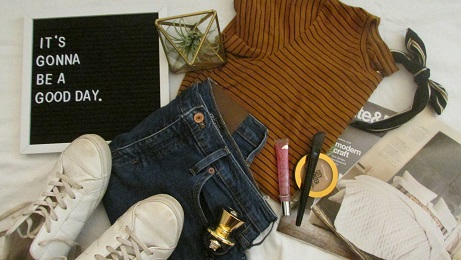
When considering layering options, start with a base layer such as a simple long-sleeve top or a lightweight sweater. These pieces provide warmth without bulk, making them ideal for transitional weather. Over this, adding a versatile cardigan can enhance both warmth and style. Opt for cardigans in rich colors like burgundy, mustard, or deep green, which echo the vibrancy of autumn leaves.
Accessories play a pivotal role in autumn outfits as well. Scarves, particularly in varying fabrics such as wool or cashmere, not only provide warmth but also serve as statement pieces. Choose patterned or textured scarves to add depth to your outfit. Additionally, integrating stylish boots can anchor an autumn look; ankle boots in suede or leather can seamlessly transition from daytime strolls to evening outings.
As for color palettes, autumn is characterized by its warm, earthy tones. Embrace colors like rust, olive, and burnt sienna, pairing them with neutral shades for balance. A layered outfit utilizing these hues can evoke the essence of fall while allowing for personal expression. Each layering component can be adjusted for warmth as the day progresses, ensuring comfort throughout the varying autumn temperatures.
Overall, autumn outfits that prioritize layering are both practical and stylish, allowing individuals to enjoy the season comfortably. By thoughtfully incorporating essential pieces and adopting a suitable color palette, anyone can beautifully navigate the dynamics of autumn fashion.
Winter: Warm and Fashionable Looks
As the temperature drops, the challenge of maintaining warmth while preserving one’s sense of style becomes imperative. Winter outfits should blend functionality with fashion, ensuring that individuals remain insulated against the cold without compromising their aesthetic. One essential element of winter fashion is the choice of materials; natural fibers such as wool are unrivaled when it comes to retaining heat while remaining breathable.
Layering is a key strategy in creating winter ensembles. A thermal base layer, coupled with a cozy sweater, can serve as the perfect foundation. Stylish puffer jackets offer both warmth and a fashionable silhouette, while also being lightweight and easy to pack for travels. Different lengths and shapes of outerwear can enhance personal style; for instance, longer coats can create an elegant appearance, while cropped jackets can emphasize a more casual look.
Accessories also play a pivotal role in winter fashion. Scarves made from merino wool or cashmere not only provide additional warmth but can also add a pop of color or interesting texture to an outfit. Gloves and hats are essential, and opting for fashionable styles such as beanies or berets can elevate overall looks. Moreover, choosing boots with insulation, such as those lined with faux fur, keeps feet warm while ensuring one can navigate icy sidewalks with ease.
Ultimately, prioritizing thermal comfort does not have to come at the expense of chic fashion choices. By selecting the right materials and being strategic about layering, winter outfits can seamlessly integrate warmth with style. As temperatures continue to fluctuate during the season, these outfit ideas will keep individuals looking fashionable while they embrace the chill.
Transitional Outfits: Bridging the Seasons
Transitional outfits are an essential component of any wardrobe, particularly as the seasons shift from one to another. These outfits allow individuals to navigate the fluctuating temperatures effectively while maintaining style and comfort. By creatively mixing and matching pieces from various seasons, it is possible to design versatile looks that can adapt to both warm and cool weather.
When assembling transitional outfits, layering is paramount. For instance, pairing a lightweight turtleneck under a tailored blazer can create a chic ensemble that is suitable for early spring or autumn days. This layering technique not only adds dimension to the outfit but also allows for easy removal of layers as the temperature changes throughout the day. Fabrics like cotton and linen for base layers can keep one comfortable, while a wool or denim jacket can provide warmth when needed.
Color palettes also play a significant role in achieving successful transitional outfits. Incorporating muted tones or earth colors can seamlessly blend with both summer and winter wardrobes. For example, a pair of olive green ankle pants can be paired with either a crisp white shirt or a thicker sweater, making it appropriate for different seasonal settings. Accessories, such as scarves or ankle boots, are also effective for enhancing transitional outfits. A scarf, regardless of its material, can add warmth or style depending on how it is tied or draped.
Finally, footwear can greatly influence the functionality of transitional outfits. Opting for versatile shoes like loafers or ankle boots enables easy adjustments based on weather conditions. By focusing on versatility, individuals can compile a selection of transitional outfits that allow for comfort and style, bridging the gap between seasonal wardrobes effectively.
Accessorizing for Every Season
Accessorizing plays a pivotal role in elevating outfits throughout the year, as it allows individuals to express their personality and adapt their look to seasonal changes. Each season brings with it a unique set of key accessories that not only enhance the aesthetic appeal of an outfit but also serve functional purposes such as warmth and practicality.
In spring, as nature blooms, light and colorful accessories take precedence. Lightweight scarves made of breathable fabrics can add a touch of elegance, while crossbody bags in vibrant hues can complement floral dresses. Jewelry such as delicate neck chains and stackable bracelets offer a playful and fresh vibe, perfect for welcoming the warmer weather.
Summer demands a focus on practicality and comfort, with accessories that provide sun protection and ease. Wide-brimmed hats, sunglasses, and breathable tote bags help protect from harsh sun rays while bringing a chic flair to swimwear and light clothing. Footwear such as sandals and slides harmonize with the relaxed style of summer, ensuring comfort during outdoor adventures.
As the leaves begin to fall, autumn invites accessories that reflect the rich, warm tones of the season. Layered pieces, such as oversized shawls or ponchos, not only provide warmth but also create texture in an outfit. Ankle boots and structured handbags in earthy colors can enhance the autumn look, while statement jewelry adds a touch of sophistication.
Finally, winter requires accessories that offer warmth without compromising style. Thick-knit scarves and beanies can keep the chill at bay, while stylish gloves enhance the look of winter coats. Opting for well-crafted boots and crossbody bags can complete an ensemble, adding both flair and functionality during the colder months.
Through careful selection of accessories, individuals can effectively transition between seasons, transforming basic outfits into fashionable statements that reflect their personal style.
Sustainable Fashion Choices Year-Round
As the fashion industry continues to evolve, the importance of sustainability has become increasingly evident. Individuals are now more conscious of the environmental impact of their clothing choices and are striving to adopt sustainable fashion habits year-round. Embracing sustainable fashion does not mean sacrificing style; instead, it can enhance personal expression while contributing positively to the planet.
One effective way to incorporate sustainability into your wardrobe is by choosing brands dedicated to ethical practices. These brands often prioritize the use of eco-friendly materials, such as organic cotton, hemp, or recycled fabrics, which significantly reduces the carbon footprint compared to conventional materials. Many sustainable brands also focus on ethical labor practices, ensuring fair wages and safe working conditions for their workers. When shopping for outfits, look for certifications like Fair Trade or GOTS (Global Organic Textile Standard) that signify commitment to the environment and fair labor.
Another popular approach to sustainable fashion is thrifting. Purchasing second-hand clothing not only provides unique and stylish pieces but also promotes a circular economy. By opting for thrifted items, individuals can help reduce waste and give clothing a new life instead of contributing to fast fashion’s relentless cycle of consumption. Numerous thrift stores and online platforms have emerged, making it easier than ever to find high-quality, pre-loved garments.
Moreover, making mindful clothing choices can further enhance one’s sustainable wardrobe. This can involve investing in timeless, versatile pieces that transcend seasonal trends, thereby reducing the need for constant purchases. Additionally, individuals should prioritize quality over quantity, choosing durable items that will last for years. Considering factors such as the life cycle of a garment and its impact on the environment can help foster a more responsible approach to fashion.
Conclusion: Building a Versatile Seasonal Wardrobe
Creating a versatile seasonal wardrobe is essential for adapting to changing weather conditions while maintaining a personal style that reflects individuality. Throughout the discussion, we highlighted the importance of selecting key items that can transition smoothly from one season to the next, allowing for flexibility and creativity in outfit design. A foundational piece for any wardrobe, such as a classic trench coat or a well-fitted pair of jeans, can serve as the basis for numerous ensembles regardless of the season.
Moreover, incorporating layers into your wardrobe is a practical strategy that equips you to handle fluctuating temperatures and unexpected weather changes. Layering enables combinations of textures and colors, thus enhancing the appeal of an outfit while maximizing the use of each clothing piece. For instance, pairing a light turtleneck with a stylish blazer not only prepares one for cooler nights but also offers an opportunity to showcase one’s taste.
Furthermore, seasonal dressing colors and patterns play a significant role in wardrobe versatility. Embracing colors that resonate with each season can rejuvenate one’s overall appearance, allowing outfits to reflect seasonal trends while remaining timeless. When curating a wardrobe, consider integrating both staple and trendy items, which enables personalization without sacrificing functionality.
Ultimately, the objective of building a versatile seasonal dressing wardrobe involves thoughtful planning and an understanding of personal style. By selecting adaptable pieces that allow for easy combination and customization, individuals can express themselves more effectively through their clothing choices. In conclusion, embracing versatility in your wardrobe not only simplifies dressing for varying weather conditions but also encourages personal expression through fashion.