
Hair care routine is an essential aspect of personal grooming that significantly influences not only one’s appearance but also overall health. Healthy hair is often perceived as a sign of vitality and well-being. It serves as a reflection of our body’s internal environment, illustrating how well we nourish ourselves through diet and lifestyle choices. Understanding the importance of hair care allows individuals to take appropriate steps in maintaining the strength and luster of their hair. Numerous factors contribute to the condition of our hair, including genetics, environmental influences, and personal habits. Common hair issues range from dryness and brittleness to excessive hair loss and breakage. These problems can arise from various sources such as harmful styling practices, overexposure to sunlight, and inadequate nutrition. For instance, frequent use of heat styling tools can lead to damaged hair, while poor dietary choices may result in insufficient nutrients required for optimal growth and health.
Investing time and effort into a proper hair care routine can yield substantial benefits. Regular maintenance not only enhances the aesthetic aspect of one’s hair but also promotes resilience against environmental stressors. Utilizing the right products tailored to specific hair types and conditions plays a fundamental role in achieving desired results. Additionally, a balanced diet rich in vitamins and minerals can strengthen hair from the inside out.
In this blog post, we will explore various tips and advice on how to care for hair effectively. By addressing common hair problems and equipping readers with valuable insights, we aim to foster a deeper understanding of hair care, encouraging lasting solutions for healthier, stronger hair.
Understanding Your Hair Type
Hair type is a crucial factor in developing an effective hair care routine. Generally, hair is categorized into four main types: straight, wavy, curly, and coily. Each type has unique characteristics, which necessitate different care strategies to maintain optimal health and appearance.
Straight hair lies flat and often appears shiny due to its smooth cuticle layer. This hair type tends to be less porous, making it less prone to drying out, but it can also accumulate oil more quickly. A simple cleansing routine with a light conditioner is generally sufficient for straight hair, preventing it from becoming greasy.
Wavy hair exhibits a natural curvature and can range from loose waves to more defined ones. This type typically carries a moderate level of porosity and may require more hydration than straight hair. Using a sulfate-free shampoo and a moisturizing conditioner can help maintain the natural wave pattern without weighing it down.
Curly hair is characterized by its spiral shape, resulting from a more uneven distribution of protein and moisture in the hair shaft. This hair type often needs extra moisture to combat dryness, making leave-in conditioners or curl creams essential. It is advisable for individuals with curls to avoid excessive heat styling, as this can lead to damage and loss of curl definition.
Coily hair, the tightest of the four types, has a zig-zag pattern and is prone to dryness due to its structure, which makes it difficult for natural oils to travel down the hair shaft. Regular deep conditioning treatments and oils can be beneficial in maintaining moisture levels in coily hair. Understanding these distinctions is key to selecting suitable products and care methods tailored to your specific hair type.
Essential Hair Care Products
When it comes to maintaining strong and healthy hair, selecting the right hair care products is crucial. High-quality shampoos and conditioners tailored to your hair type can significantly enhance the overall condition of your hair. For individuals with dry or damaged hair, opting for moisturizing shampoos enriched with natural oils, such as argan or coconut oil, can restore hydration and shine. These ingredients not only nourish the hair but also help to prevent further damage by sealing moisture within the hair shaft.
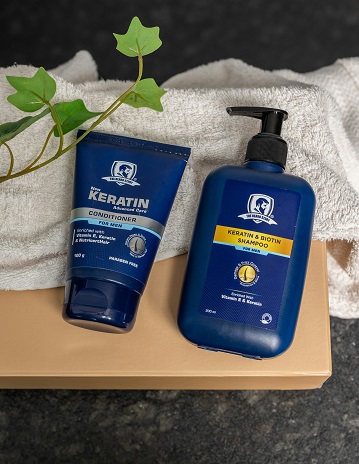
For those with oily hair, a clarifying shampoo that includes ingredients like tea tree oil or charcoal can effectively remove excess sebum and product buildup. It is essential to balance deep cleansing with conditioning treatments to avoid over-drying the scalp. Conditioning is a key step for all hair types, and choosing a product with protein-rich ingredients, such as keratin, can strengthen the hair structure.
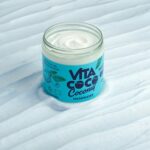
Treatment masks are another vital component of a comprehensive hair care routine. These masks typically contain concentrated formulas with nourishing ingredients that target specific concerns such as frizz, breakage, or color fading. Look for masks that incorporate shea butter, jojoba oil, or amino acids to provide deep hydration and protection. For color-treated hair, products with UV filters can help maintain vibrancy while protecting from environmental stressors.
In addition to shampoos, conditioners, and masks, incorporating a leave-in treatment or serum can provide additional benefits. These products help detangle hair, add shine, and provide ongoing protection throughout the day. Selecting products that are free from sulfates, parabens, and artificial fragrances can also promote healthier hair, making it easier to manage and style.
Daily Hair Care Routine
Establishing a daily hair care routine is essential for maintaining strong and healthy hair. The routine should start with determining an appropriate washing frequency. For most individuals, washing hair two to three times a week is sufficient, allowing natural oils to keep the hair moisturized without stripping it of essential nutrients. However, those with oily scalps may need to wash their hair more frequently, while individuals with dry hair can benefit from less frequent washing.
When it comes to washing hair, using the right techniques is crucial to prevent damage. Begin by thoroughly wetting your hair with lukewarm water, as hot water can strip the hair of its natural oils. Apply a gentle, sulfate-free shampoo to the scalp, and avoid pouring it directly onto the hair length. Instead, spread the shampoo by massaging it into the scalp with your fingertips, which not only cleanses but also stimulates circulation. Rinse thoroughly and follow up with a nourishing conditioner, focusing on the ends rather than the scalp.
After washing, drying hair properly is another vital aspect of a daily hair care routine. Instead of vigorously rubbing the hair with a towel, gently blot the hair to remove excess water. This technique minimizes friction, thereby reducing breakage. Utilizing a wide-toothed comb to detangle the hair while it is still damp is recommended to prevent damage. Start from the ends and work your way up to the roots, as this will reduce the risk associated with tugging or forcing the comb through knots.
In summary, implementing these daily hair care practices promotes healthier hair. Choosing the right washing frequency, adopting gentle washing and drying techniques, along with careful combing, will significantly contribute to the overall strength and vitality of your hair.
Weekly and Monthly Treatments
Achieving strong and healthy hair requires consistent care and attention, particularly through the implementation of weekly and monthly treatments. These treatments are vital in restoring moisture, repairing damage, and maintaining scalp health, which is essential for optimal hair growth and strength.
For optimal results, it is recommended to engage in deep conditioning treatments at least once a week. Deep conditioners penetrate the hair shaft more effectively than regular conditioners, providing intense hydration and nourishment. This is particularly beneficial for dry, curly, or chemically treated hair, which often requires additional moisture to prevent breakage and maintain elasticity. Using products rich in ingredients like shea butter, argan oil, or keratin can enhance the effectiveness of your treatment.
Hair masks, which can be applied once or twice a month, provide a more concentrated treatment for specific concerns such as damage or loss of shine. There is a wide array of hair masks available, designed for various hair types, from hydrating masks for dry hair to protein-infused masks for fine, brittle hair. Choosing the right mask based on your hair’s individual needs can dramatically improve texture and strength.
Scalp treatments are another crucial aspect of maintaining healthy hair. Incorporating gentle exfoliation or nourishing oils can help remove buildup and promote blood circulation in the scalp, enriching your hair follicles. For best results, these treatments should be performed once a week to encourage a healthy scalp environment.
Ultimately, finding the right balance of weekly and monthly treatments tailored to your specific hair type will lead to stronger and more resilient hair over time. Regularly assessing your hair’s condition and adjusting your treatments accordingly will ensure your hair care regimen remains effective.
Nutritional Tips for Healthy Hair
The health of our hair is significantly influenced by the nutrients we consume. A well-balanced diet rich in vitamins, minerals, and proteins can promote strong and healthy hair, enhancing not only its appearance but also its resilience against damage.
Key vitamins such as Vitamin A, Vitamin C, Vitamin D, and various B vitamins play crucial roles in maintaining hair health. For instance, Vitamin A helps produce sebum, which moisturizes the scalp and promotes healthy hair growth. Foods rich in Vitamin A include carrots, sweet potatoes, and dark leafy greens.
Vitamin C is another potent antioxidant that assists in the production of collagen, an essential protein for hair structure. Citrus fruits like oranges and grapefruits, as well as berries, are excellent sources of Vitamin C. Meanwhile, Vitamin D has been linked to the stimulation of hair follicles, making it beneficial for hair growth overall. Fatty fish, mushrooms, and fortified dairy products can help to boost Vitamin D levels in your diet.
The B vitamins, especially Biotin, are known for their role in cell metabolism and supporting hair growth. Incorporating whole grains, eggs, nuts, and avocados can ensure adequate intake of these critical nutrients.
Furthermore, minerals such as iron and zinc contribute substantially to hair health. Iron aids in supplying oxygen to hair follicles, promoting their growth, while zinc plays a role in repairing tissue and preventing hair loss. Foods like red meat, lentils, and spinach are excellent sources of iron, and oysters, pumpkin seeds, and chickpeas are rich in zinc.
To successfully incorporate these nutrients into your diet, consider creating meals that include a variety of these foods. For example, a salad loaded with spinach, assorted nuts, and a citrus-based dressing can be both nutritious and delicious. Snacks with boiled eggs or hummus can also help ensure you are getting enough of these key nutrients.
Protective Hairstyles
Protective hairstyles serve as a valuable strategy for maintaining the health and integrity of hair. These styles help to shield hair from environmental stressors and reduce manipulation, thereby minimizing breakage. The significance of protective styling extends beyond mere aesthetics; it plays an essential role in promoting hair growth and preserving moisture. By safeguarding the ends of the hair and allowing the strands to rest, protective styles can lead to stronger, healthier hair over time.
There are various protective hairstyle options tailored to different hair types. For individuals with natural curly or coiled hair, styles such as braids, twists, and updos can effectively protect the hair while offering versatility. Box braids and cornrows, for instance, can be worn for extended periods and can help maintain the hair’s moisture levels by reducing exposure to the elements. For those with straight or wavy textures, options such as buns or sleek ponytails can also provide protection. These styles keep the ends tucked away and prevent them from becoming dry or damaged.
Maintaining protective hairstyles is crucial for maximizing their benefits. Cleanliness is paramount; regular washing and moisturizing can prevent buildup and dryness. It’s advisable to use a lightweight leave-in conditioner that nourishes the hair without weighing it down. Additionally, limiting the time a protective style is worn to around four to six weeks is recommended, as prolonged wear can lead to tension and scalp issues. Finally, incorporating scalp massages can promote circulation and support hair growth while the hair is styled in a protective manner.
Moreover, protective hairstyles can be both creative and practical, allowing individuals to express their personal style while taking care of their hair. From intricate braiding techniques to chic twists, there are endless possibilities for protective styling that enhance both hair health and aesthetic appeal. By incorporating these protective styles into hair care routines, individuals can work towards achieving stronger, healthier hair over time.
Dealing with Hair Damage
Hair damage can manifest in various ways, making it essential to recognize the early signs. Common indicators include excessive hair breakage, split ends, and a dull appearance. If your hair feels brittle, looks frizzy, or lacks elasticity, these are clear warnings that your hair needs immediate attention. Identifying the root cause of hair damage, which can range from chemical treatments to environmental factors, is crucial for effective treatment.
To remedy hair damage, consider starting with home remedies that are both effective and relatively easy to implement. One popular method is using natural oils: coconut oil, argan oil, and olive oil are known for their moisturizing properties. Applying these oils as a pre-wash treatment can significantly improve the texture of damaged hair. Additionally, using a hair mask made with ingredients like honey and yogurt can replenish moisture. These treatments can restore some vitality to your hair when used regularly.
In addition to home remedies, selecting the right products is vital in restoring hair health. Look for shampoos and conditioners specifically designed for damage repair, as they often contain proteins and other strengthening agents. Products with ingredients such as keratin can help rebuild hair structure, making strands more resilient to future damage. Avoid shampoos with sulfates, which can strip moisture and exacerbate damage.
While many minor issues can be treated at home, it is crucial to assess when professional intervention may be necessary. If you experience significant hair loss or persistent issues despite trying at-home remedies, consulting a stylist or dermatologist can provide personalized solutions. Trained professionals can diagnose potential underlying health conditions and recommend treatments tailored to your specific hair type and damage severity.
Conclusion and Final Tips
In summary, maintaining strong and healthy hair requires consistent attention to various aspects of hair care. The significance of a well-rounded hair care regimen—encompassing proper washing techniques, conditioning treatments, and regular trims—cannot be overstated. It is essential to recognize the impact of a balanced diet rich in vitamins and minerals, as these nutrients play a vital role in strengthening hair from the inside out.
Moreover, minimizing the use of heat styling tools and harsh chemical treatments can greatly reduce damage to the hair. Instead, opting for gentle styles and natural drying methods can contribute to the overall health and resilience of your hair. Regularly massaging the scalp can also promote blood circulation, enhancing the health of hair follicles and encouraging growth.
To further fortify your hair care routine, consider incorporating essential oils, such as argan or jojoba oil, into your routine. These natural products can deeply nourish the hair and scalp, providing essential hydration and shine. Additionally, paying attention to environmental factors such as sun exposure and humidity can help tailor your hair care techniques to better suit your hair type.
Ultimately, the key to achieving and maintaining strong and healthy hair lies in consistency. Establishing a dedicated hair care schedule and adapting it based on your hair’s needs will yield the best long-term results. By prioritizing these practices and remaining patient, you can expect to witness visible improvements in the strength and health of your hair over time. Remember, healthy hair is not just a result of short-term efforts but rather an ongoing journey toward optimal hair care.