

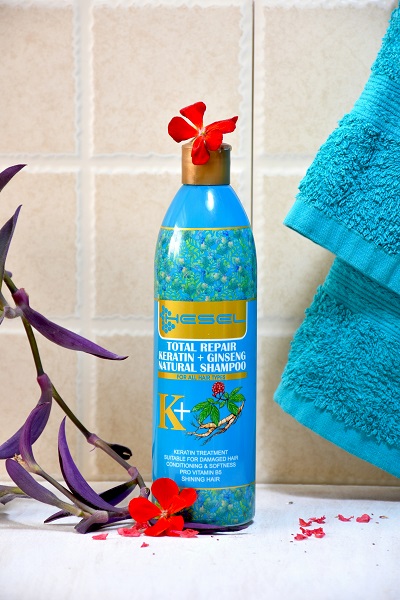
Proper hair care routine is essential for maintaining healthy, vibrant hair. One of the central components of any hair care routine is shampoo, which plays a critical role in cleansing and preparing hair for further treatment. The primary function of shampoo is to remove dirt, oil, and product buildup from the scalp and hair strands, ensuring that the hair remains clean and free from impurities. This cleansing process is vital, as it provides the foundation for healthy hair growth and helps prevent issues such as dandruff or excess oil production. The variety of shampoos available on the market caters to different hair types and specific needs. For instance, clarifying shampoos are designed to eliminate build-up from hair products, while moisturizing shampoos contain hydrating ingredients that benefit dry or damaged hair. Choosing the right shampoo is crucial to effectively address the individual needs of one’s hair. Additionally, using the appropriate product can enhance the effectiveness of conditioning treatments, allowing for better moisture retention and improved hair texture.
Furthermore, regular washing with the correct shampoo supports scalp health, which is often overlooked. A clean scalp promotes healthy hair follicles, leading to stronger hair strands and minimizing breakage. It is vital to understand that the frequency of shampooing can vary based on hair type and lifestyle. For example, individuals with oily hair may need to wash more frequently than those with dry hair. Ultimately, understanding the importance of shampoo in a hair care regimen is key to achieving and maintaining optimal hair health.
Understanding Your Hair Type
Choosing the right shampoo begins with an understanding of your hair type. Hair can generally be categorized into four primary textures: straight, wavy, curly, and coily. Each hair type possesses distinct characteristics that influence how it responds to different hair care products.
Straight hair is typically sleek and reflects light well, giving it a shiny appearance. This hair type tends to be less prone to frizz, however, it may also become oily more quickly at the roots. Consequently, those with straight hair might benefit from a shampoo that targets oil control without stripping moisture from the ends.
Wavy hair is characterized by soft bends and has a tendency to be voluminous. This hair type often requires hydration and can be prone to frizz, especially in humid conditions. A shampoo designed for wavy hair should provide moisture while enhancing the waves without weighing them down.
Curly hair has a distinct spiral pattern and is generally drier than both straight and wavy hair because natural oils have a harder time traveling down the hair shaft. This hair type thrives on moisture and definition. Shampoo for curly hair should be sulfate-free and formulated to strengthen the curl pattern while preventing dryness.
Coily hair, also known as afro-textured hair, features tight curls that can form a zigzag pattern. This type is the driest of all and often requires intensive moisture. As such, coily hair benefits from shampoos that not only cleanse but also nourish and hydrate to enhance elasticity and softness. Products designed for this hair type often include emollients and oils that fortify the hair.
In evaluating your hair type, it is essential to choose a shampoo that caters to its unique needs. Understanding these characteristics will guide you in selecting products that promote healthy, vibrant hair.
Identifying Hair Concerns
Identifying your specific hair concerns is a crucial first step in selecting the right shampoo. Common issues such as dryness, oiliness, dandruff, and color-treated hair each require tailored products that effectively address these unique needs.
Dry hair is often characterized by a lack of moisture and can feel brittle or coarse. When selecting a shampoo for dry hair, look for formulas that include hydrating ingredients, such as natural oils and humectants. These components help to lock in moisture, thereby revitalizing your hair and promoting a healthier appearance. Using a sulfate-free shampoo may also be beneficial, as sulfates can strip essential oils, further exacerbating dryness.
On the other hand, oily hair can appear greasy and limp. Those with oily scalps may benefit from clarifying shampoos that help remove excess oil without overdrying. Ingredients like tea tree oil or menthol can aid in balancing oil production, leading to cleaner and fresher hair.
Dandruff, caused by dry scalp or skin conditions, also necessitates a specific approach. A shampoo containing active ingredients like zinc pyrithione or salicylic acid can help combat flakes and soothe the scalp. Regularly using a specialized dandruff shampoo can lead to significant improvement in scalp health and overall comfort.
Lastly, for color-treated hair, selecting a shampoo that protects and preserves color is paramount. Look for sulfate-free and color-safe formulas that contain antioxidants to shield your hair from fading. These shampoos often include components that add vibrancy and shine while maintaining the integrity of colored strands.
By understanding your hair concerns and selecting a shampoo that matches those specific needs, you can ensure optimized hair health and appearance. Taking the time to assess your hair type and its requirements will help guide you towards the appropriate products.
Ingredients to Look For
When selecting a shampoo, it is crucial to pay attention to the ingredients listed on the label. Certain beneficial components can significantly enhance hair health and address specific concerns. One of the most essential classes of ingredients to consider are natural oils, such as argan oil, coconut oil, and jojoba oil. These oils are renowned for their moisturizing properties, helping to hydrate dry hair, reducing frizz, and enhancing shine.
In addition to natural oils, proteins play a vital role in maintaining hair strength. Ingredients like keratin, silk proteins, and wheat protein can fortify the hair shaft, reduce breakage, and improve the overall texture of the hair. This is especially beneficial for individuals with chemically treated or damaged hair, as these proteins can help rebuild and restore hair integrity.
Moreover, vitamins are essential for healthy hair growth and scalp health. Look for shampoos enriched with vitamins such as biotin, vitamin E, and panthenol. Biotin is known for its role in promoting hair growth and preventing hair loss, while vitamin E can increase blood circulation in the scalp, which is vital for promoting healthier follicles. Panthenol, on the other hand, helps retain moisture and adds a protective layer to the hair.
It is also beneficial to consider shampoos that include botanical extracts like aloe vera and green tea, which provide soothing properties for the scalp and protect against environmental damage. With a myriad of ingredients available, understanding what works best for your hair type and concerns can significantly enhance your choice. Prioritize these beneficial ingredients to ensure the selected shampoo aligns with your hair care goals and needs.
Ingredients to Avoid
When selecting the right shampoo for your hair, it is crucial to be mindful of the ingredients that could potentially harm your strands. Certain substances, such as sulfates, parabens, and artificial fragrances, are common in many hair care products but can lead to adverse effects.
Sulfates, particularly sodium lauryl sulfate (SLS) and sodium laureth sulfate (SLES), are surfactants used for their cleansing properties. However, they can strip the hair of its natural oils, leading to dryness, frizz, and a compromised scalp barrier. Individuals with sensitive skin or color-treated hair should be particularly cautious, as sulfates can exacerbate irritation and fade color.
Parabens, on the other hand, are preservatives employed to prevent mold and bacteria growth in personal care products. Despite their effectiveness, studies have raised concerns about their potential role as endocrine disruptors, which may interfere with hormonal balance. By avoiding products that contain parabens, consumers can reduce their exposure to potentially harmful chemicals.
Additionally, artificial fragrances are often added to shampoos to create appealing scents but may contain a variety of hidden chemicals. For those with sensitivities or allergies, fragrances can provoke skin irritations or cause respiratory issues. Opting for fragrance-free or naturally scented products can help mitigate these risks.
Choosing shampoos without sulfates, parabens, and artificial fragrances underscores a health-conscious approach to hair care. This awareness empowers consumers to make informed decisions, ensuring that they not only cleanse their hair effectively but also promote its long-term health.
Shampoo Varieties and Options
Choosing the right shampoo is essential for maintaining healthy hair, and understanding the various types available can help you make informed decisions. Among the multitude of options, three prominent varieties stand out: clarifying, moisturizing, and volumizing shampoos, each serving distinct purposes.
Clarifying shampoos are designed to remove buildup from the hair caused by products, minerals from hard water, or environmental pollutants. These shampoos contain stronger detergents and are recommended for occasional use, typically once or twice a month, depending on hair type and the degree of buildup. Overuse can strip the hair of natural oils, potentially leading to dryness, so it is essential to follow with a nourishing conditioner.
Moisturizing shampoos, on the other hand, are formulated to provide hydration and nourishment. These shampoos are ideal for individuals with dry, damaged, or curly hair. They help to add moisture, making hair softer and more manageable. Moisturizing shampoos often contain ingredients such as oils and humectants, which can help to retain moisture, providing a protective layer on the hair strands. Frequent use of moisturizing shampoos is beneficial for maintaining softness and preventing damage.
Lastly, volumizing shampoos are tailored for those seeking to enhance hair body and fullness. They typically contain lightweight ingredients that lift hair without weighing it down. These shampoos can help create a fuller appearance for fine or limp hair and can be used regularly without fear of heavy buildup. Using volumizing shampoo in combination with other styling products can also amplify the desired effect.
In conclusion, familiarizing oneself with the purpose and benefits of these different shampoo varieties will greatly assist in selecting the most suitable product for individual hair needs. Assess your hair type and concerns to determine which shampoo category can help achieve your desired results.
Understanding pH Balance in Shampoo
The concept of pH balance is crucial when selecting the right shampoo for your hair. pH, which stands for potential hydrogen, is a measure of how acidic or alkaline a substance is and is represented on a scale that ranges from 0 to 14. A pH level of 7 is considered neutral, while values below 7 are acidic, and those above 7 are alkaline. The human scalp typically has a pH level between 4.5 and 5.5, which is slightly acidic. This natural acidity acts as a barrier against harmful bacteria and helps maintain healthy hair.
When choosing a shampoo, it is essential to consider its pH level. Shampoos with a pH level that is too high, typically alkaline, can strip the scalp of its natural oils, leading to dryness and potential irritation. Conversely, shampoos that are too acidic can make hair feel stiff and tangled. Ultimately, using a pH-balanced shampoo can help maintain the scalp’s natural barrier and ensure proper hydration. This balance not only promotes overall scalp health but also enhances hair strength and shine.
Furthermore, incorporating a pH-balanced shampoo into your hair care routine can improve styling and manageability. For individuals with colored or chemically treated hair, using a shampoo with the appropriate pH can help seal the hair cuticle, reducing color fading and keeping the strands smooth. Therefore, understanding pH balance in shampoo is vital when it comes to nourishing your hair and preventing damage. Always check the label for pH specifications and choose products that are designed to maintain this delicate balance for optimal hair health.
Tips for Testing and Switching Shampoos
Choosing the right shampoo can significantly impact the health and appearance of your hair. However, testing new shampoos or switching products requires a thoughtful approach to ensure compatibility with your hair type and scalp conditions. Here are some practical tips for testing and effectively switching shampoos.
Before trying a new shampoo, it is advisable to conduct a patch test. Apply a small amount of the product on a discreet area of your skin, such as the inner forearm, and monitor for any signs of allergic reactions such as redness or irritation over 24 hours. This precaution helps identify any potential adverse reactions before applying it to your hair and scalp.
As you begin to use a new shampoo, it is important to pay close attention to how your hair and scalp respond over the following weeks. Look for both positive and negative effects; a good shampoo should make your hair feel clean, manageable, and healthy without causing dryness, oiliness, or itching. If you notice any negative effects, such as excessive dryness or buildup, it may indicate that the product is not suitable for your needs.
Additionally, hair needs can change over time based on various factors such as seasonal fluctuations, hormonal changes, or alterations in your lifestyle. For instance, during warmer months, your scalp may require more hydration, prompting a switch to a moisturizing shampoo. Conversely, if your hair feels weighed down due to product buildup, it may be time to try a clarifying variant that can effectively remove impurities.
In conclusion, effectively testing and switching shampoos entails careful observation of your hair and scalp’s responses and adapting your routine according to changing needs. By following these tips, you can make informed decisions while ensuring your hair remains healthy and vibrant.
Conclusion and Recommendations
Choosing the right shampoo is a critical aspect of maintaining healthy hair care routine, and the process should be approached with careful consideration. Throughout this blog post, we explored various factors that influence the selection of shampoos, including hair type, scalp condition, and specific needs such as moisture retention or volume enhancement. Understanding these elements can significantly aid in making an informed choice that aligns with individual hair care goals.
When selecting a shampoo, it is essential to assess your hair type: whether it is straight, wavy, curly, or coily, as well as its condition, such as oily, dry, or damaged. In addition, the ingredients present in the shampoo play a vital role in its effectiveness. For instance, natural ingredients like aloe vera and argan oil are beneficial for hydration, while protein-based formulas can repair damaged strands. It is advisable to minimize the use of harsh sulfates and parabens, as they can strip hair of its natural oils, leading to dryness and damage.
Moreover, it is beneficial to regularly rotate shampoos based on seasonal changes or hair conditions, as our hair needs can evolve. For those seeking general recommendations, brands such as Aveda, Kérastase, and Ouai have gained trust in the industry for their quality formulations tailored to a variety of hair types. Additionally, engaging with customer reviews and professional opinions can provide valuable insights into the effectiveness of different products.
Ultimately, being proactive in your hair care routine and investing time to find a suitable shampoo can lead to healthier, more manageable hair. By paying attention to the specific needs and characteristics of your hair, you can achieve optimal results, ensuring your locks look vibrant and full of life.