

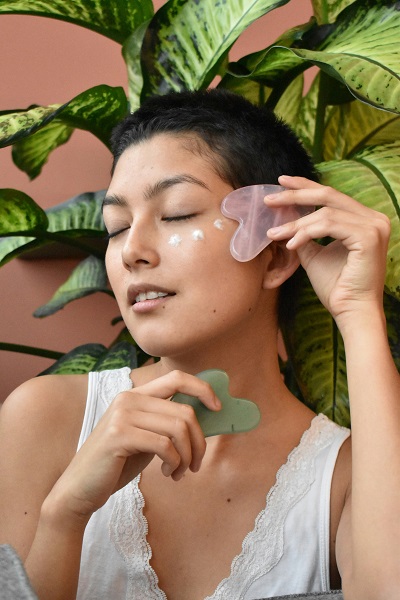
The Japanese skincare philosophy is deeply rooted in a rich cultural heritage that emphasizes holistic well-being, making it distinct from many Western approaches. At the core of this philosophy is the belief that inner health and outer beauty are interconnected, leading to the notion that radiant skin is a reflection of one’s overall lifestyle and emotional state. This concept encourages individuals to not only focus on topical treatments but also to nourish their bodies from within, emphasizing a balanced diet, adequate hydration, and sufficient sleep. Traditionally, Japanese women have adhered to rituals that prioritize both skin health and relaxation. Practices such as the daily ritual of cleansing, layering skincare products in a specific order, and performing gentle facial massages are commonplace. These routines are performed mindfully, often turning skincare into a cherished self-care ritual. This approach underscores the importance of using quality ingredients, often derived from nature, such as rice bran, green tea, and marine extracts, known for their beneficial properties.
Moreover, the Japanese belief in minimalism plays a crucial role in their skincare regimens. Rather than adhering to numerous products, Japanese skincare focuses on a few essential items that serve multiple functions. This not only helps to avoid overwhelming the skin with an array of chemicals but also promotes the use of gentle formulations that are less likely to cause irritation. The connection between sustainable practices and skincare is evident in how many brands prioritize eco-friendly packaging and ethically sourced ingredients.
In light of these traditions, Japanese skincare emphasizes consistency, patience, and a mindful approach towards beauty. Adopting these principles can lead to healthier skin, while also instilling a sense of tranquility and self-appreciation in the process. Ultimately, understanding and embracing this holistic philosophy can significantly enhance one’s skincare journey, resulting in long-lasting benefits for both skin health and personal well-being.
The Importance of Hydration
In the realm of skincare, hydration is often touted as a key principle, particularly in Japanese beauty routines. This emphasis on hydration is not merely coincidental; it can be attributed to the fundamental role that moisture plays in maintaining skin health and elasticity. Hydrated skin appears plumper and provides a smoother surface, which is essential for achieving the desired youthful glow that is characteristic of Japanese skincare philosophies.
One of the primary reasons for prioritizing hydration is that it helps maintain the skin’s barrier function. The epidermis, which is the outermost layer of the skin, relies on adequate moisture to fend off environmental aggressors and prevent transepidermal water loss. When the skin is well-hydrated, it assists in cellular repair and regeneration, leading to an overall healthier appearance. Therefore, using hydrating products such as toners, essences, and serums infused with ingredients like hyaluronic acid or glycerin can significantly enhance the skin’s moisture levels.
Moreover, the practice of consuming sufficient amounts of water is pivotal in this discussion of hydration. Drinking adequate water not only benefits internal health but also reflects on one’s external appearance. A well-hydrated body ensures that skin cells receive the essential nutrients they require to function optimally. Consequently, individuals following Japanese skincare traditions often make a conscious effort to remain hydrated throughout the day, complementing the topical applications.
Ultimately, the importance of hydration in Japanese skincare extends beyond aesthetic aspirations; it is a holistic approach that intertwines both internal and external strategies to achieve luminous and resilient skin. Ensuring that one’s skin receives both topical hydration and adequate internal moisture should be considered a non-negotiable aspect of any effective skincare regimen.
Cleansing Rituals: Double Cleansing Explained
In the realm of skincare, the Japanese method of double cleansing has gained significant recognition for its effectiveness in maintaining healthy, radiant skin. This cleansing ritual is designed to thoroughly cleanse the skin by using two different types of cleansers in succession, ultimately enhancing the overall skincare routine.
The first step in double cleansing typically involves an oil-based cleanser. This type of cleanser is adept at dissolving makeup, sunscreen, and sebum – all the impurities that accumulate on the skin throughout the day. Due to its oily nature, this cleanser effectively breaks down stubborn products without the need for harsh scrubbing, thus preserving the skin’s delicate barrier. Popular oil-based options include cleansing oils, balms, and creams that can be easily massaged into the skin, allowing for a gentle yet effective clean.
Following this, the second step employs a water-based cleanser, which helps to remove any remaining residue left from the previous cleansing step. This cleanser can come in various forms, such as gels or foams, and is designed to assist in eliminating any leftover impurities and dirt. By utilizing both oil and water-based cleansers, double cleansing provides a comprehensive approach, ensuring that the skin is left clean but not stripped of its natural oils.
The benefits of this thorough cleansing routine are manifold. Not only does it help to avoid clogged pores and the consequent breakouts, but it also prepares the skin for subsequent skincare products, maximizing their effectiveness. Moreover, a proper double cleansing ritual respects the skin’s natural oil balance, ensuring that while dirt is removed, essential moisture is retained. As such, incorporating the double cleansing method into your skincare regimen could be a transformative step toward achieving healthy, glowing skin.
Embracing Gentle Exfoliation
In the realm of Japanese skincare, a fundamental principle is the practice of gentle exfoliation to achieve smooth and illuminated skin. Unlike harsh scrubs that can irritate the skin, the Japanese approach emphasizes the use of mild exfoliating methods which both refine the skin texture and enhance the natural glow.
Exfoliation is essential as it aids in the removal of dead skin cells, promoting cell turnover and allowing for better absorption of skincare products. However, frequency is key; it is advisable to incorporate gentle exfoliation into one’s routine approximately once or twice a week. This helps to maintain a balance without compromising the skin’s natural barrier.
Among the favored tools in Japan for achieving optimal exfoliation are konjac sponges and soft cotton pads, both known for their gentle action on the skin. Konjac sponges, derived from the konjac plant, gently cleanse and scrub away impurities while being exceptionally soft. These sponges are suitable for all skin types, including sensitive skin, due to their mild exfoliating nature.
Japanese brands also emphasize the use of liquid exfoliators infused with alpha-hydroxy acids (AHAs) or natural fruit enzymes. These products work by dissolving dead skin cells at a chemical level rather than physically scrubbing them away. For instance, products containing rice bran or sake can provide gentle exfoliation and hydration simultaneously, reflecting the uniqueness of traditional Japanese ingredients.
In summary, embracing gentle exfoliation is a cornerstone of the Japanese skincare routine. By choosing the right tools and methods, individuals can cultivate a skincare regimen that prioritizes skin health while ensuring a radiant complexion, embodying the essence of Japanese beauty philosophy.
The Role of Serums and Essences
In Japanese skincare routines, the inclusion of serums and essences is critical for achieving radiant and healthy skin. These products are designed to deliver concentrated active ingredients that penetrate the skin effectively, enhancing its overall appearance and texture. The primary distinction between the two lies in their formulation and intended use. Serums tend to be thicker in consistency and are rich in potent ingredients that target specific skin concerns, such as fine lines, pigmentation, and elasticity. Essences, on the other hand, are lighter and often function as hydrators, providing a base for subsequent skincare products to enhance absorption.
Among the various types of serums and essences available, those focusing on hydration and anti-aging are particularly popular in Japanese skincare. Hydrating essences typically feature ingredients such as hyaluronic acid, glycerin, or plant extracts, which help to draw moisture into the skin and maintain hydration levels. This is essential for preventing dryness and maintaining a plump, youthful look.
Anti-aging serums often incorporate ingredients like retinol, vitamin C, or peptides, which work to stimulate collagen production and reduce the visibility of wrinkles. The importance of these ingredients cannot be overstated, as they promote a firmer skin structure and improved elasticity, contributing to a more youthful appearance over time.
When applied correctly, serums and essences can drastically improve the efficacy of other skincare products by allowing them to absorb more deeply. This layered approach is a hallmark of Japanese beauty, ensuring that each product maximizes its potential benefits. Therefore, integrating high-quality serums and essences into a skincare regimen is essential for individuals seeking to enhance their skin’s health and appearance effectively.
Moisturizing Techniques for Optimal Skin
Japan is known for its innovative skincare routines, particularly its emphasis on hydration. Moisturizing techniques often involve a variety of products that are specially formulated to deliver optimal hydration and nourishment. The Japanese approach typically includes using a diverse range of moisturizers such as gels, creams, and emulsions, each tailored for specific skin concerns.
One popular option is the use of lightweight gel moisturizers, which provide a refreshing burst of hydration without feeling heavy on the skin. These formulations often contain hyaluronic acid, known for its moisture-retaining properties. Creams, on the other hand, are generally richer and are ideal for those with dry or mature skin, offering deeper nourishment and better barrier protection.
Incorporating the layering technique is an essential part of the Japanese skincare routine. This method involves applying multiple layers of different hydrating products to maximize moisture absorption and effectiveness. Starting with a hydrating toner or essence to prep the skin can enhance the penetration of subsequent moisturizer applications. A common practice is to apply a thin layer of essence followed by a gel moisturizer, and finishing with a thicker cream to lock in hydration.
A gentle patting motion during application is encouraged, as this technique can promote better product absorption and stimulate circulation. It is advisable to use your fingertips rather than rubbing your skin, which can potentially lead to irritation. Additionally, allowing each layer to fully absorb before applying the next one ensures that the skin receives the full benefits of each moisturizer used. Overall, adopting these moisturizing techniques can significantly improve skin hydration and promote a healthy, radiant complexion.
Sunscreen: A Non-Negotiable Step
In Japan, sunscreen is regarded as an indispensable element of daily skincare regimens, reflecting the deep understanding of its role in protecting the skin from harmful ultraviolet (UV) radiation. The Japanese perspective places great emphasis on sun protection, as excessive sun exposure can lead to skin damage, premature aging, and increased risks of skin cancer. Thus, embracing the habit of applying sunscreen is not merely a precaution; it is considered a significant investment in the health and beauty of the skin.
Japanese sunscreens come in various formulations, catering to diverse skin types and preferences. Options range from gel-based to cream formulations, all designed to provide broad-spectrum protection against both UVA and UVB rays. Furthermore, they often include additional skincare benefits, such as hydration and anti-aging properties, making them an attractive option for those seeking multifunctional products. The lightweight texture and aesthetic design of Japanese sunscreens also make them appealing for daily use.
When applying sunscreen, it is crucial to use an adequate amount to ensure sufficient coverage. A general guideline is to apply approximately a nickel-sized dollop for the face and a generous amount to other exposed areas of the body. It is recommended to apply sunscreen at least 15 minutes before sun exposure to allow for optimal absorption and effectiveness. Moreover, reapplication every two hours, or more frequently if swimming or sweating, is essential to maintain protection.
Culturally, the Japanese have a deeply ingrained belief in the importance of minimizing sun exposure, which is evident in their fashion choices and lifestyle habits. Many people often seek shade during the hottest parts of the day and wear protective clothing, such as hats or long sleeves, alongside their sunscreen application. This holistic approach to skin care underscores the profound recognition of the need for protection against the sun’s rays, fostering a comprehensive strategy for achieving radiant and healthy skin.
Incorporating Natural Ingredients
Japanese skincare is renowned for its emphasis on incorporating natural ingredients, reflecting a deep-seated cultural appreciation for nature and its bounty. This approach not only prioritizes gentle and effective skincare solutions but also aligns with a philosophy that values sustainability and harmony with the environment. Among the most celebrated natural ingredients in Japanese skincare are green tea, rice bran, and seaweed, each renowned for its unique benefits and versatility.
Green tea, rich in antioxidants, is a staple ingredient in numerous skincare formulations. It contains polyphenols that can protect the skin from environmental stressors while providing anti-inflammatory properties that help soothe irritated skin. Many Japanese skincare brands incorporate green tea extract in toners, serums, and masks, taking advantage of its natural ability to enhance skin radiance and minimize signs of aging.
Rice bran, another key ingredient found in Japanese beauty routines, is celebrated for its mild exfoliating properties. It contains vitamins B and E, which contribute to maintaining skin moisture and promoting a smooth complexion. Traditionally used in the form of a cleansing powder or as part of a facial wash, rice bran helps to remove dead skin cells, allowing the skin to breathe and rejuvenate effectively.
Furthermore, seaweed has been an integral part of Japanese skincare, known for its hydrating and nourishing properties. Rich in minerals and vitamins, seaweed extracts are frequently used in moisturizers and masks, providing deep hydration and supporting skin elasticity. The inclusion of seaweed in skincare products aligns with the Japanese belief in deriving beauty from natural sources, promoting not just external appeal but also internal wellness.
Together, these ingredients exemplify the Japanese aesthetic of utilizing nature-derived components to achieve healthy and luminous skin. Their growing popularity in the global skincare market indicates a larger trend towards valuing natural formulations over synthetic alternatives, as consumers increasingly seek products that reflect a commitment to both health and environmental consciousness.
The Mind-Body Connection and Skincare
The connection between mental well-being and skin health is a crucial yet often overlooked aspect of a comprehensive skincare routine. Numerous studies indicate that stress, anxiety, and other mental health concerns can manifest as skin issues, such as acne, eczema, or psoriasis. Therefore, integrating mental wellness practices into skincare regimens can enhance not only the aesthetic outcomes but also the overall health of the skin.
Mindfulness is one effective approach to managing stress, promoting a sense of calm that can positively impact the skin. Engaging in mindfulness practices—such as meditation, deep breathing exercises, or yoga—can reduce stress levels, thus minimizing the likelihood of skin flare-ups related to emotional turmoil. For instance, dedicating just a few minutes each day to mindfulness can help cultivate a more focused, tranquil mindset, which can indirectly benefit skin health.
In addition to mindfulness, proper nutrition plays a vital role in achieving glowing skin. Diets rich in antioxidants, vitamins, and healthy fats can significantly contribute to skin vitality. Foods such as fruits, vegetables, nuts, and fish not only nourish the body but also support skin’s resilience to stressors. Hydration is equally important; drinking sufficient water throughout the day helps keep the skin supple and fresh.
Moreover, incorporating soothing Japanese skincare philosophy rituals can enhance this mind-body connection. Choosing products that incorporate calming ingredients like chamomile, green tea, or lavender can create a spa-like experience at home. This sensory engagement not only elevates the skincare process but also promotes relaxation and self-care.
In summary, acknowledging the interplay between mental well-being and skincare is essential for achieving optimal skin health. By incorporating stress management techniques, mindfulness, and a nutritious diet into daily routines, individuals can foster both internal peace and external radiance.