

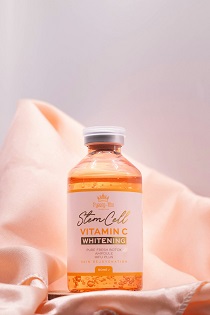
Vitamin C and Retinol are two prominent ingredients in the skincare realm, lauded for their beneficial properties and effectiveness in promoting healthier skin. These compounds, each with distinct characteristics and functions, play crucial roles in various skincare regimens worldwide. Vitamin C benefits, known scientifically as ascorbic acid, is a water-soluble vitamin that is essential for various bodily functions, including the maintenance of healthy skin. It is widely recognized for its potent antioxidant properties, which protect the skin from oxidative stress caused by free radicals. Historically, Vitamin C has been used in both topical and oral forms, with its popularity in topical application soaring due to its ability to brighten the complexion, reduce hyperpigmentation, and enhance collagen synthesis. This makes it particularly effective in addressing signs of aging and promoting an overall radiant appearance.
Retinol, on the other hand, is a derivative of Vitamin A and falls under the category of retinoids. It is a fat-soluble compound that has gained significant traction in the skincare market, especially for its ability to accelerate cell turnover and promote skin renewal. Retinol is often used in formulations targeting fine lines, wrinkles, and acne due to its effectiveness in unclogging pores and stimulating collagen production. As a result, consumers frequently seek out products containing retinol to achieve smoother and more youthful-looking skin.
The escalating demand for both Vitamin C and Retinol underscores their importance and effectiveness in skincare routines. With such an array of products available, consumers are often left questioning which ingredient is truly better for their skin. This blog post aims to explore the benefits and applications of both Vitamin C and Retinol, providing a clearer understanding of their respective roles in achieving optimal skin health.
The Benefits of Vitamin C for Skin
Vitamin C, also known as ascorbic acid, is an essential nutrient that plays a significant role in skin health. One of the primary benefits of Vitamin C is its powerful antioxidant properties. By neutralizing free radicals, Vitamin C helps to protect the skin from damaging oxidative stress caused by environmental factors such as pollution and UV radiation. This protective effect not only helps to maintain the integrity of the skin but also contributes to a youthful appearance.
Another notable benefit of Vitamin C is its ability to brighten the complexion. Regular use of Vitamin C can lead to a more radiant and glowing skin tone, making it particularly advantageous for those dealing with dullness or fatigue. This brightening effect is largely attributed to Vitamin C’s capacity to inhibit melanin production, thereby reducing the appearance of dark spots and pigmentation.
Additionally, Vitamin C plays a crucial role in collagen synthesis. Collagen is a vital protein that provides structure and elasticity to the skin. By promoting collagen production, Vitamin C helps to reduce the visibility of fine lines and wrinkles, enhancing overall skin texture and firmness. This makes Vitamin C a popular choice for individuals seeking anti-aging solutions.
Moreover, Vitamin C aids in wound healing and can help fade acne scars over time. Its anti-inflammatory properties also make it beneficial for soothing irritated skin and redness. Furthermore, incorporating Vitamin C into your skincare routine can enhance the efficacy of sunscreens, offering an extra layer of protection against sun damage.
Overall, the benefits of Vitamin C are numerous and diverse, making it a vital ingredient in many skincare products. From its antioxidant capabilities to its collagen-boosting properties, Vitamin C is an essential ally in achieving and maintaining healthy, beautiful skin.
The Benefits of Retinol for Skin
Retinol, a derivative of Vitamin A, is widely regarded for its transformative effects on skin health. One of the primary benefits of Retinol is its ability to reduce the appearance of fine lines and wrinkles. By promoting collagen production, Retinol supports skin elasticity and firmness, effectively smoothing out the surface of the skin. This action makes it a popular choice among those seeking to maintain a youthful complexion.
Additionally, Retinol aids in promoting skin cell turnover. This process is essential for allowing new, healthy skin cells to replace older, damaged ones. By accelerating this turnover, Retinol helps to enhance skin texture and tone, making it noticeably smoother and more radiant. This regenerative effect can particularly benefit those with uneven skin tones or dull complexions.
An important aspect of Retinol’s benefits is its efficacy in treating acne. The compound works by reducing the production of sebum in the skin, which can contribute to clogged pores and breakouts. Furthermore, its ability to encourage faster cell turnover helps to prevent the formation of acne lesions, leading to clearer skin over time. As such, Retinol is often recommended by dermatologists to those who not only want to minimize signs of aging but also to address active skin concerns such as acne.
Another key mechanism of action of Retinol is its anti-inflammatory properties, which help to calm irritations and redness associated with various skin conditions. By incorporating Retinol into a skincare routine, individuals may experience a significant improvement in their overall skin quality, allowing for enhanced confidence and a healthier appearance.
How to Use Vitamin C in Your Skincare Routine
Incorporating Vitamin C into your skincare routine can significantly enhance skin health and appearance. First, it is essential to choose the right form of Vitamin C. The most common and effective types include L-ascorbic acid, ascorbate salts, and ascorbyl glucoside. Look for serums or creams that contain a concentration of 10% to 20% L-ascorbic acid which is widely regarded as effective in delivering antioxidant properties and enhancing collagen production.
To maximize the benefits of Vitamin C, applying it in the morning is highly recommended. This timing allows the product to provide a protective barrier against environmental stressors such as pollution and UV radiation throughout the day. Before applying Vitamin C, cleanse your face to remove impurities, followed by a toner if you use one. This ensures that the skin is prepared to absorb the Vitamin C effectively.
When applying a Vitamin C product, use a few drops of serum and gently massage it onto the face, neck, and décolletage. Allow the product to absorb before applying moisturizer and sunscreen. It is important to note that Vitamin C can vary in its formulation, so always follow the instructions provided by the manufacturer for best results.
While Vitamin C is generally safe for all skin types, some individuals with sensitive skin may experience irritation. To minimize any potential side effects, start with a lower concentration of Vitamin C and gradually increase usage. If irritation persists, discontinue use and consult with a dermatologist for tailored advice. In addition, storing Vitamin C products in a cool, dark place can prolong their efficacy, as exposure to light and air can lead to oxidation and reduced potency.
How to Use Retinol in Your Skincare Routine
Integrating retinol into your skincare regimen can deliver significant benefits for skin texture and appearance, but it requires careful implementation to avoid irritation. Retinol is a potent derivative of Vitamin A, and its effectiveness comes with a risk of side effects, particularly for those with sensitive skin. To maximize retinol’s efficacy while minimizing potential adverse reactions, it is crucial to follow a few essential guidelines.
First and foremost, start slow. If you are new to retinol, begin with a lower concentration, such as 0.25% or 0.5%. This allows your skin to acclimate to the ingredient. Apply the product just two to three times per week in the initial phase, gradually increasing frequency as your skin adjusts. Over time, your skin may build tolerance, enabling you to use it nightly.
Select the appropriate formulation for your skin type. There are various options available, including serums, creams, and oils. If you have dry or sensitive skin, consider a cream formulation, as these often contain hydrating ingredients that can help mitigate irritation. Conversely, if your skin is oily or acne-prone, a lightweight serum might be more suitable, providing effective delivery without overwhelming your skin.
Application techniques also play a vital role in achieving optimal results. Apply retinol in the evening, after cleansing and drying your face, but before your moisturizer. This helps to enhance absorption. Ensure that you use a pea-sized amount for your entire face, avoiding sensitive areas such as around the eyes and mouth. Introducing a buffering technique can also be beneficial; applying a thin layer of moisturizer before retinol can reduce the intensity of any potential irritation.
Finally, to protect your skin and maintain its health, use sunscreen during the day. Retinol can increase photosensitivity, making your skin more vulnerable to sun damage. Incorporating a broad-spectrum SPF of at least 30 into your morning routine is essential, ensuring your skin remains protected from harmful UV rays.
Combining Vitamin C and Retinol: What’s Safe?
Skincare routines often lean heavily on powerful active ingredients, and two of the most discussed components are Vitamin C and retinol. Both are renowned for their skin-enhancing properties, with Vitamin C acting as a potent antioxidant, brightening the skin and boosting collagen production, while retinol effectively aids in cell turnover and diminishes the appearance of fine lines.
The question of whether these two ingredients can coexist within the same regimen is a prevalent concern among skincare aficionados. Research suggests that while Vitamin C and retinol can be included together in a skincare routine, the timing and method of application are crucial to avoid irritation. When used together, it is generally recommended to apply them at different times of the day to maximize their efficacy and minimize potential adverse reactions.
A common practice is to use Vitamin C in the morning and retinol in the evening. Vitamin C’s protective nature against environmental stressors, combined with its brightening effects, makes it a suitable daytime ally. Conversely, retinol is best utilized at night, as it may increase photosensitivity. Therefore, keeping these products separated not only optimizes their performance but also safeguards the skin from irritation that can occur if they are used simultaneously.
However, individuals with particularly sensitive skin may consider introducing these products gradually into their routine. Starting with Vitamin C and slowly incorporating retinol can help the skin acclimate and reduce the likelihood of adverse reactions. Ultimately, understanding one’s skin type and starting with lower concentrations may facilitate a successful combination of these powerful actives.
Potential Side Effects and Considerations
When considering skin care products such as Vitamin C and Retinol, it is essential to be aware of their potential side effects and individual reactions. Both ingredients are renowned for their effectiveness in promoting skin health, but they may also cause adverse effects, particularly to those with sensitive skin types.
Vitamin C can often result in skin irritation manifesting as redness, especially in higher concentrations. This is a common reaction when the skin is not accustomed to the powerful antioxidant properties of Vitamin C. Users may also experience a tingling sensation upon application, which should diminish as the skin adapts to the ingredient. If the irritation persists, it is advisable to reduce the frequency of use or opt for formulations with lower concentrations.
On the other hand, Retinol is known for its transformative effects on skin texture and tone, but it can introduce other issues such as dryness, peeling, and redness. These side effects are particularly prevalent during the initial phases of incorporating Retinol into a skincare regime. To mitigate these reactions, starting with a lower concentration and gradually increasing usage can help the skin acclimate.
Regardless of the chosen product, patch testing is highly recommended prior to full application. To conduct a patch test, apply a small amount of the product to a discreet area of skin, observing for any adverse reactions over the following 24 hours. This precaution can prevent potential widespread irritation before extensive use. Furthermore, consulting with a dermatologist before starting any new skincare regimen is important, as they can provide professional guidance tailored to individual skin types and concerns.
Makeup and Lifestyle Factors that Complement These Ingredients
A comprehensive approach to skincare often goes beyond the application of topical ingredients like Vitamin C and Retinol. Lifestyle choices play a pivotal role in maximizing their efficacy and ensuring optimal skin health. For instance, a well-balanced diet rich in vitamins and antioxidants can significantly enhance the benefits of these active ingredients. Foods that are high in Vitamin C, such as citrus fruits, strawberries, and bell peppers, not only provide essential nutrients but also support the skin’s natural repair mechanisms. Likewise, incorporating foods with anti-inflammatory properties, such as berries and leafy greens, can complement the effects of Retinol, reducing the potential for irritation.
Hydration is another crucial factor in skin health. Ensuring adequate water intake can help maintain skin elasticity and moisture levels, fostering a conducive environment for Vitamin C and Retinol to perform effectively. Dehydration may hinder skin barrier function, creating an ineffective platform for these ingredients to penetrate the skin. Additionally, during retinol use, individuals should aim to keep their skin properly hydrated, possibly by utilizing a hydrating serum or moisturizer that aids in minimizing irritation and promotes skin comfort.
Makeup products can also influence the effectiveness of both Vitamin C and Retinol. It is advised to select makeup that is formulated without harsh chemicals or irritating additives, as they can negate the potential benefits of these ingredients. Mineral-based cosmetics, for instance, can be gentle on the skin and help to create a barrier against environmental aggressors while not clashing with active ingredients. Moreover, using makeup that contains hydrating features, such as serums infused with hyaluronic acid, can further support the skin in its rejuvenation processes. Through careful selection of makeup and responsible lifestyle practices, the synergy between lifestyle factors and topical ingredients may be optimized for better skin outcomes.
Conclusion: Choosing the Right Ingredient for Your Skin
When it comes to selecting the right ingredient for skincare, both Vitamin C and Retinol offer significant benefits, yet they cater to different skin types and concerns. Vitamin C is renowned for its brightening properties and its ability to protect the skin from oxidative stress. It promotes collagen synthesis and can reduce the appearance of dark spots, making it an excellent choice for individuals looking to enhance overall skin radiance.
On the other hand, Retinol, a derivative of Vitamin A, is highly effective for anti-aging purposes. It works on a cellular level to increase cell turnover, thereby improving skin texture and minimizing fine lines and wrinkles. Additionally, Retinol has been shown to combat acne by preventing pores from clogging, making it a suitable candidate for those with oily or combination skin.
When choosing between Vitamin C and Retinol, it is vital for individuals to consider their specific skin concerns and type. For those looking to brighten their complexion and combat signs of photoaging, integrating Vitamin C benefits into their routine might be more advantageous. Conversely, individuals primarily focused on anti-aging, acne treatment, and overall skin renewal might find Retinol to be the superior option.
Ultimately, it is not uncommon for both ingredients to be incorporated into a comprehensive skincare regimen, employed at different times of the day; Vitamin C in the morning for antioxidant protection, and Retinol in the evening to promote skin renewal during sleep. However, it is imperative to consult with a dermatologist for personalized recommendations based on skin type and unique concerns. By making informed decisions, individuals can maximize the effectiveness of these potent ingredients to achieve their desired skin health goals.