
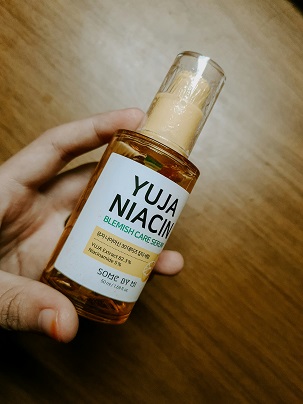
Niacinamide benefits, also known as nicotinamide, is an amide form of vitamin B3 (niacin). This water-soluble vitamin plays a crucial role in various metabolic processes in the human body, particularly in energy production and cellular function. Chemically, niacinamide is characterized by a structure that includes a pyridine ring and an amine group. Its molecular formula is C6H6N2O, reflecting its composition of carbon, hydrogen, nitrogen, and oxygen atoms. In recent years, niacinamide has gained significant popularity in both skincare and health circles due to its remarkable benefits. As a potent antioxidant, niacinamide helps to improve skin barrier function, enhance skin elasticity, and even out skin tone. This has led many skincare enthusiasts to incorporate niacinamide into their daily routines, seeking its potential to address various skin concerns ranging from acne to the visible signs of aging. Additionally, niacinamide has shown promise in reducing inflammation and redness, making it suitable for sensitive skin types.
The molecule’s versatility extends beyond skincare, as niacinamide also supports overall health when ingested. It is understood to contribute to maintaining healthy cholesterol levels, improving brain function, and potentially offering protective effects against certain diseases. This dual applicability—both topically and systemically—positions niacinamide as an essential compound in modern wellness and skincare formulations. As more consumers become aware of these benefits, the interest surrounding niacinamide continues to grow, establishing it as a staple ingredient in various therapeutic products.
Skin Health Benefits
Niacinamide, also known as vitamin B3, has garnered attention in the skincare world for its numerous benefits that contribute to enhanced skin health. One of the most significant advantages of niacinamide is its ability to reduce inflammation. This property makes it particularly beneficial for individuals who suffer from conditions such as acne, rosacea, and other forms of skin irritation. By calming the skin and minimizing redness, niacinamide helps to create a more even skin tone and texture.
Additionally, niacinamide plays a critical role in improving the skin’s barrier function. A robust skin barrier is essential for retaining moisture and protecting against harmful environmental factors. Niacinamide strengthens this barrier by increasing the production of ceramides, lipids that are crucial for maintaining the skin’s hydration levels. As a result, individuals using niacinamide in their skincare routine may experience less dryness and a reduction in the appearance of flakiness, which can hinder overall skin health.
Moreover, niacinamide is known for its efficacy in reducing the appearance of fine lines and wrinkles. The antioxidant properties of niacinamide combat oxidative stress caused by free radicals, which can lead to premature aging. Regular use of products containing niacinamide can enhance skin elasticity and improve its overall firmness, thereby smoothing out fine lines and promoting a youthful complexion.
In summary, the incorporation of niacinamide into skincare regimens offers a multifaceted approach to skin health. With its anti-inflammatory, barrier-repairing, and anti-aging properties, niacinamide serves as a potent ingredient for those seeking to enhance their skin’s appearance and resilience.
Anti-Aging Properties
Niacinamide, also known as vitamin B3, has garnered significant attention for its remarkable anti-aging properties. This potent compound plays a crucial role in maintaining skin health and youthfulness by stimulating collagen production. Collagen is an essential protein that provides structure and firmness to the skin. As we age, collagen production naturally decreases, leading to sagging skin and the formation of fine lines and wrinkles. By incorporating niacinamide into skincare routines, individuals may experience improved collagen synthesis, resulting in a more resilient complexion.
Moreover, niacinamide enhances skin elasticity, which is another vital factor in combating signs of aging. Improved elasticity means that the skin can better retain its shape after being stretched or pulled. As a result, the skin appears plumper and more youthful. This enhancement in elasticity can be particularly beneficial for individuals experiencing the early signs of aging, such as drooping eyelids or smile lines.
In addition to stimulating collagen and enhancing elasticity, niacinamide also improves overall skin texture. Regular use of products containing this ingredient can lead to a reduction in roughness and uneven skin tone. Niacinamide aids in refining the skin’s surface by promoting the shedding of dead skin cells, which can diminish the appearance of enlarged pores and other textural imperfections.
Furthermore, due to its anti-inflammatory properties, niacinamide can also help in reducing redness and irritation associated with aging skin. By calming the skin, it contributes to a more even complexion. Thus, for those seeking to diminish the signs of aging, incorporating niacinamide into their skincare routine offers a multifaceted approach to achieving and maintaining youthful skin.
Acne Management
Niacinamide, also known as vitamin B3, has gained considerable attention in the field of skincare due to its multiple benefits, particularly for acne-prone skin. One of the standout features of niacinamide is its potent anti-inflammatory properties. Inflammation is a key contributor to acne severity, thus managing this aspect can significantly aid in reducing the frequency and severity of breakouts. By calming the skin and minimizing redness, niacinamide helps create a conducive environment for skin healing.
Furthermore, niacinamide plays an essential role in regulating oil production. Accumulation of excess oil on the skin can lead to clogged pores, which often results in acne. By controlling sebum levels, niacinamide effectively addresses one of the primary causes of acne formation. This sebum-regulating effect can enhance not only skin clarity but also overall skin texture, leading to a smoother appearance.
Additonally, studies have shown that niacinamide can enhance the skin barrier, making it more resilient against environmental stressors and pathogens, which can also aggravate acne. A stronger skin barrier allows for better retention of moisture while reducing the likelihood of irritants penetrating the skin, which further assists in preventing acne outbreaks.
Incorporating niacinamide into a daily skincare regimen could therefore be a strategic move for individuals struggling with acne. Not only does it help in managing current blemishes, but it also works to prevent future ones by targeting the underlying factors contributing to acne. Overall, niacinamide is a versatile ingredient that can play a transformative role in the management of acne-prone skin.
Hyperpigmentation and Uneven Skin Tone
Hyperpigmentation is a common skin condition characterized by patches of skin that become darker than the surrounding areas. This can occur due to several factors, including sun exposure, hormonal changes, and acne scars, leading to an uneven skin tone. Niacinamide, a form of vitamin B3, has garnered attention for its effectiveness in addressing these issues.
One of the key ways niacinamide helps to combat hyperpigmentation is through its ability to inhibit melanin production. Melanin is the pigment responsible for the color of skin, hair, and eyes, and excess production can lead to dark spots and patches. Research suggests that niacinamide can reduce the transfer of melanin to skin cells, thereby lightening areas of hyperpigmentation over time.
Furthermore, this potent ingredient promotes a more even skin tone by enhancing the skin’s natural barrier function. A stronger barrier means healthier skin, which can more effectively heal from issues that contribute to discoloration. Niacinamide is also known for its anti-inflammatory properties, which can help soothe the skin and reduce redness, providing an additional benefit for those dealing with uneven skin tone.
Clinical studies have demonstrated that topical application of niacinamide can significantly improve hyperpigmentation after consistent use. Participants in these studies reported a noticeable reduction in the visibility of dark spots and an improvement in overall skin clarity. Moreover, niacinamide is well-tolerated by various skin types, making it a versatile addition to any skincare routine.
In summary, niacinamide is an effective ingredient for targeting hyperpigmentation and promoting an even skin tone. Its ability to regulate melanin production and strengthen skin barriers positions it as a beneficial element for anyone looking to enhance their skin’s overall appearance.
Hydration and Moisture Retention
Niacinamide, also known as vitamin B3, is a versatile ingredient prevalent in many skincare products due to its multitude of benefits. One of its standout characteristics is its ability to enhance skin hydration levels significantly. When topically applied, niacinamide aids in strengthening the skin barrier, which plays a crucial role in preventing transepidermal water loss (TEWL). By improving the skin’s barrier function, niacinamide helps to lock in moisture, allowing the skin to maintain its hydration more effectively.
Research has shown that niacinamide can increase the synthesis of ceramides. Ceramides are lipid molecules that are found in high concentrations within cellular membranes. They are vital for retaining skin moisture and keeping it hydrated. By boosting ceramide production, niacinamide not only enhances moisture retention but also contributes to restoring and rebuilding the skin’s natural barrier, which can be compromised due to environmental factors or aging. Consequently, this enhancement can lead to visibly plumper and healthier skin.
Moreover, niacinamide’s anti-inflammatory properties help soothe irritation, which can often exacerbate dryness and discomfort. By calming the skin, niacinamide optimizes its ability to retain moisture, making it a beneficial ingredient for individuals with sensitive or compromised skin types. Additionally, regular application of niacinamide can result in a more even skin tone and texture as hydration improves. With consistent use, the skin becomes more resilient and capable of retaining moisture, leading to an overall improvement in its appearance and feel.
Anti-Redness and Soothing Properties
Niacinamide, also known as vitamin B3, is increasingly recognized for its exceptional anti-inflammatory properties, making it a powerful ingredient for soothing irritated skin. Sensitive skin types often experience redness, irritation, and discomfort due to various environmental factors or underlying skin conditions. The incorporation of niacinamide into a skincare regimen can significantly alleviate these issues. Research suggests that niacinamide helps to calm the skin by reducing the production of pro-inflammatory cytokines, which are substances that can lead to inflammation and redness.
One of the key benefits of niacinamide is its ability to strengthen the skin’s barrier function. A robust skin barrier is essential for maintaining hydration and preventing irritants from penetrating the skin. By enhancing the permeability barrier, niacinamide not only helps to minimize sensitivity but also improves overall skin resilience. This means that individuals with sensitive skin may find that their skin becomes less reactive to external triggers over time, resulting in a more balanced complexion.
Additionally, niacinamide can work synergistically with other soothing ingredients, amplifying its effects. Skincare formulations that include niacinamide often prove effective in target conditions such as rosacea or eczema, where redness and irritation are prevalent. Regular use of products containing niacinamide can lead to a noticeable reduction in persistent redness, creating an even skin tone while promoting overall skin health.
These attributes elucidate why niacinamide is universally regarded as a beneficial component in skincare products, especially for those seeking to address redness and enhance skin comfort. Its ability to soothe irritation while simultaneously fortifying the skin’s defenses makes niacinamide a valuable innovation in addressing sensitive skin challenges.
How to Incorporate Niacinamide into Your Routine
Incorporating niacinamide into your skincare regimen can yield significant benefits for your skin’s health and appearance. Niacinamide, also known as vitamin B3, is a versatile ingredient that can enhance the effectiveness of various products. Here are some practical tips on how to seamlessly integrate it into your routine.
First, consider the types of products that contain niacinamide. It is commonly found in serums, moisturizers, and toners. For beginners, starting with a niacinamide serum is recommended, as serums typically have a higher concentration of the active ingredient, allowing for more noticeable results. When selecting a product, look for formulations that have at least 5% niacinamide, which is effective for most skin types.
Application is another key aspect to consider. Niacinamide can generally be applied after cleansing and toning. If using a serum, apply it directly onto clean skin. Gently pat the product onto your face and neck, allowing it to absorb fully before moving on to the next step in your skincare routine. This step is crucial, as it enhances the potency of niacinamide and boosts its absorption capabilities.
Combining niacinamide with other ingredients can enhance its benefits. For example, it works particularly well with hyaluronic acid and peptides, which together provide moisture and further improve skin elasticity. However, caution should be exercised when mixing niacinamide with vitamin C. Although it is a common misconception that these two ingredients cannot be used together, they can be applied at different times of the day, such as using vitamin C in the morning and niacinamide at night.
Ultimately, the key to incorporating niacinamide effectively lies in consistency and patience. Implementing this nourishing ingredient steadily into your everyday routine can lead to improved skin texture and tone over time.
Conclusion: The Versatility of Niacinamide
Niacinamide, also known as Vitamin B3, has emerged as a powerhouse ingredient in the realm of skincare, renowned for its versatility and effectiveness. Its broad range of benefits makes it a valuable addition to any skincare regimen. One of the most significant advantages of niacinamide is its ability to improve skin barrier function. By strengthening the skin’s protective layer, it helps retain moisture, thereby reducing dryness and enhancing overall skin hydration.
Furthermore, niacinamide is celebrated for its role in regulating sebum production, making it particularly beneficial for individuals with oily or acne-prone skin. Its anti-inflammatory properties can also aid in reducing redness and irritation, offering relief for those struggling with conditions such as rosacea or sensitive skin. This ingredient’s capacity to fade hyperpigmentation and even out skin tone underscores its effectiveness in combatting dark spots and promoting a brighter complexion.
Additionally, niacinamide has been linked to improved skin elasticity, which can help mitigate the appearance of fine lines and wrinkles. Its antioxidant properties further enable it to protect the skin against oxidative stress caused by environmental factors, such as pollution and UV exposure.
In summary, niacinamide’s multifaceted benefits cater to a variety of skin concerns, establishing it as an essential component in modern skincare. From hydration and oil control to reducing inflammation and fighting signs of aging, niacinamide proves to be a versatile ingredient that delivers visible results. Incorporating this powerhouse compound into your daily routine may lead to healthier, more radiant skin.