

Nail health is an essential aspect of personal grooming and hygiene, often overlooked but significantly indicative of one’s overall health and well-being. Strong and beautiful nails not only enhance the aesthetic appeal of the hands but also serve as a reflection of various internal health conditions. Various factors contribute to the condition of nails, including nutrition, environmental influences, and personal habits. A well-balanced diet is crucial for maintaining nail health, as nails are primarily made up of a protein called keratin. Nutrients such as biotin, zinc, protein, and vitamins A, C, and E play pivotal roles in supporting nail strength and growth. Deficiencies in these essential nutrients can lead to weakened nails, resulting in brittleness, chipping, and even splitting. Ensuring a diet rich in these vitamins and minerals, along with adequate hydration, is key to achieving strong nails.
Environmental factors also significantly impact nail health. Frequent exposure to water, harsh chemicals, and temperature fluctuations can weaken nails. It is essential to adopt protective measures, such as wearing gloves while cleaning or using moisturizing products regularly, to shield nails from damaging elements. Moreover, maintaining proper nail care practices, including regular trimming, buffing, and gentle filing, further enhances their strength and appearance.
Nails can often serve as indicators of underlying health issues. Changes in nail color, texture, and growth patterns can signify conditions ranging from nutritional deficiencies to more serious health problems. For instance, discoloration may suggest liver or lung issues, while slow growth might point to thyroid dysfunction. Thus, monitoring nail health goes beyond aesthetics; it can be a vital sign of one’s overall physical condition.
Understanding Nail Anatomy
Nails are complex structures that serve both protective and aesthetic functions. A comprehensive understanding of nail anatomy can significantly enhance one’s ability to care for them properly, leading to stronger and more beautiful nails. The primary components of a nail include the nail plate, cuticle, nail bed, and matrix.
The nail plate is the hard, visible part of the nail that extends beyond the fingertip. Composed mainly of keratin, a protein also found in hair and skin, it provides durability and strength. The appearance and health of the nail plate can be influenced by external factors such as diet, environmental conditions, and nail care practices.
Next is the cuticle, a thin layer of skin located at the base of the nail plate. This protective layer serves to guard against infections and other harmful pathogens. Proper cuticle care is essential, as damaged or unhealthy cuticles can lead to nail problems. Regular moisturizing and avoiding excessive trimming can help maintain the integrity of the cuticle.
The nail bed lies beneath the nail plate and contains blood vessels and nerves. This living tissue is crucial for nail growth and health, providing essential nutrients to the growing nail. A healthy nail bed is vital for producing strong nails, and signs of discoloration or tenderness may indicate underlying health issues.
Finally, the matrix is situated under the cuticle and is responsible for nail growth. It is here that new cells are generated, pushing older cells out to form the nail plate. Damage to the matrix can result in abnormal nail growth or shape. Understanding the matrix’s role highlights the importance of gentle care practices that protect this delicate area.
By familiarizing oneself with these essential components, readers can make informed decisions regarding nail care, leading to improved nail health and aesthetics. This foundational knowledge prepares the reader for the subsequent tips on maintaining and enhancing nail beauty.
Daily Nail Care Routine
Maintaining healthy and strong nails requires consistent daily care. Incorporating a comprehensive nail care routine into your everyday life is crucial to prevent breakage, brittleness, and other common nail problems. Below is a simple and actionable daily nail care routine that can significantly enhance the appearance and strength of your nails.
Begin your day by washing your hands with a gentle soap. This not only cleans your nails but also helps remove any dirt that may have accumulated. While washing, be mindful to gently scrub beneath the nail tips and around the cuticles using a soft nail brush. This practice ensures you maintain healthy hygiene and promote the growth of your nails.
After washing, it is essential to properly dry your hands and nails. Ensure you use a soft towel, and avoid vigorous rubbing, which can lead to unnecessary damage. Instead, pat your nails gently. Moisturizing is a vital step that should not be overlooked. Utilize a good quality hand cream or a cuticle oil designed to nourish both the nails and surrounding skin. Apply the moisturizer while your hands are still slightly damp to lock in hydration. Twice a day is optimal for best results.
Furthermore, it is important to avoid harmful practices that can weaken nails. Refrain from using your nails as tools, such as ripping off labels or opening packages. Also, curb the urge to bite your nails or pick at hangnails, as these habits can lead to damage both aesthetically and structurally. If you have a habit of using nail polish regularly, choose a breathable formula and ensure you let your nails rest without polish from time to time.
By implementing these simple steps into your daily routine, you can significantly enhance the strength and beauty of your nails. A little effort each day can lead to remarkable results over time.
Nutrition for Strong Nails
The health of our nails is often a reflection of our overall well-being, and nutrition plays a pivotal role in maintaining their strength and beauty. Essential vitamins and minerals foster the growth of healthy nails, with some nutrients being particularly important for nail durability and repair.
One of the most well-known vitamins for nail health is biotin, a B-vitamin that helps improve keratin infrastructure, promoting stronger nails. Adequate biotin intake can be accomplished through foods like eggs, nuts, seeds, and sweet potatoes. Zinc is another critical mineral that contributes to nail health by aiding in cell division and protein synthesis, which are vital processes for nail growth. Foods that are rich in zinc include red meat, shellfish, legumes, and whole grains.
Vitamins A, C, and E also play significant roles in supporting nail strength. Vitamin A helps in the production of sebum, an oily substance that moisturizes the nail bed, thus preventing brittle nails. Dark leafy greens, carrots, and sweet potatoes are excellent sources of vitamin A. Vitamin C, known for its collagen production, helps maintain the integrity of nails, and can be found in citrus fruits, strawberries, and bell peppers. Lastly, vitamin E enhances moisture retention in the nails and can be found in nuts, seeds, and avocados.
Moreover, incorporating a diet rich in protein is essential, as nails are primarily made up of keratin, a type of protein. Foods such as poultry, fish, dairy, and legumes can significantly contribute to this requirement. Hydration also plays a critical role in nail health; consuming enough water helps to keep nails hydrated and resilient.
In summary, a balanced diet rich in biotin, zinc, vitamins A, C, E, and protein is crucial for fostering strong and beautiful nails. By ensuring you consume a variety of these nutrients, you can significantly enhance your nail health and appearance.
Protecting Your Nails
Maintaining strong and beautiful nails requires proactive measures to protect them from potential damage encountered in daily activities. One of the most effective ways to safeguard your nails is by using gloves when performing tasks that involve water or harsh chemicals. For instance, while doing the dishes or handling cleaning agents, wearing rubber gloves can prevent your nails from becoming brittle and prone to breakage. This simple precaution not only protects the nails but also minimizes the exposure of surrounding skin to irritating substances.
Another important consideration is avoiding habits that can compromise nail integrity, including nail biting. This common habit can weaken the nails over time, leading to splits and tears. If you find yourself biting your nails, consider using bitter-tasting nail polish designed to deter this behavior. Additionally, maintaining a consistent nail care routine, including regular filing and cleaning, can help to reinforce their structure and promote healthier growth.
Environmental factors also play a significant role in nail health. Changes in weather, such as excessive heat or humidity, can lead to increased nail fragility. It is crucial to keep your nails moisturized, especially during colder months when air tends to be drier. Applying a nourishing cuticle oil can enhance hydration and elasticity, preventing dryness and cracking.
Furthermore, be mindful of harsh chemicals found in household products, cosmetics, and nail polish removers. Whenever possible, opt for products with fewer toxic ingredients. Choosing acetone-free removers and organic nail products can further protect and nourish your nails. While everyday exposure to environmental elements and chemicals may seem inevitable, adopting these protective measures can significantly contribute to maintaining strong and beautiful nails throughout your daily routine.
The Importance of Hydration
Maintaining proper hydration is vital for nail health, as water plays a crucial role in keeping nails strong and resilient. When the body is adequately hydrated, it aids in the distribution of essential nutrients that support healthy nail growth. Conversely, dehydration can lead to brittle, flaky nails that are more prone to damage. This underlines the importance of not only staying hydrated through proper water intake but also understanding how hydration affects the moisture balance of the nails.
Water intake directly impacts the moisture level of nails, much like it does for skin and other body parts. When the body is hydrated, it helps maintain optimal keratin production, the primary protein that composes nails. A lack of sufficient water can result in dehydrated nails, which may appear dull and lack luster. Therefore, drinking enough water throughout the day is essential, and a general guideline is to aim for at least eight 8-ounce glasses daily, adjusting based on individual activity levels and environmental conditions.
In addition to internal hydration, topical treatments can effectively enhance nail moisture. Using hydrating products, such as cuticle oils or moisturizing creams specifically designed for nails, helps to replenish moisture and prevents breakage. Natural oils like almond or jojoba oil can be particularly beneficial when massaged into the nails and cuticles, as they provide essential nutrients and moisture. Regular application of these treatments can significantly improve the overall appearance and health of your nails.
To conclude, understanding the significance of hydration is crucial for achieving and maintaining strong, beautiful nails. Focusing on both internal water intake and external treatments will contribute to optimal nail health. By integrating these practices into your daily routine, you can ensure your nails remain strong, hydrated, and visually appealing.
Seasonal Nail Care Adjustments
Nail care is essential year-round; however, seasonal changes significantly affect the health and appearance of our nails. Different weather conditions can introduce unique challenges such as dryness, breakage, and brittleness that require tailored strategies for optimal care.
In the winter, the cold, dry air and central heating can lead to dehydration, making nails more prone to cracking and splitting. To combat this, it is crucial to incorporate a rich hand and nail moisturizer into your routine. Look for products containing ingredients like shea butter, vitamin E, and almond oil, which provide deep hydration. Additionally, consider wearing gloves when going outside to shield your nails from harsh elements.
As spring arrives and humidity levels rise, the increased moisture can lead to softer nails, which may be more vulnerable to breakage. It is advisable to focus on strengthening techniques during this season. Regular use of a strengthening base coat before applying nail polish can help reinforce the nail structure. Moreover, biotin supplements have been shown to enhance nail growth and strength, making them a worthy addition during spring.
Summer brings its own set of challenges; frequent exposure to sunlight and pool water can weaken nails. Ultraviolet rays may dry out nails and cause discoloration, while chlorinated water strips away natural oils. Hence, using a broad-spectrum sunscreen on your hands and nails can protect them from UV damage. To address potential brittleness caused by water exposure, maintain a regular moisturizing routine to keep both your hands and nails hydrated.
Finally, with the arrival of fall, transitioning weather can result in increased nail imperfections. Keeping up with nail maintenance is imperative. Regular trimming and filing, along with restorative treatments like cuticle oil, can ensure that your nails remain healthy and beautiful through this transitional season.
Professional Nail Treatments
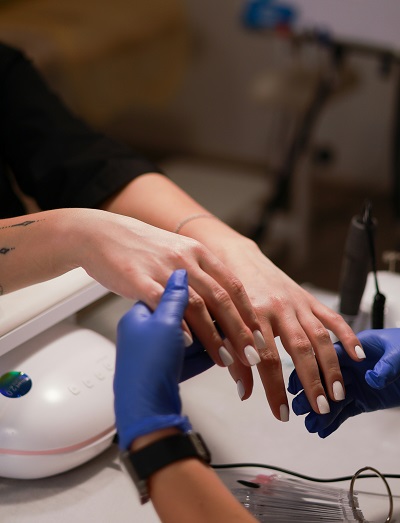
Maintaining strong and beautiful nails often requires more than just at-home care. Professional nail treatments are an essential aspect of an effective nail care regimen, offering specialized solutions managed by trained estheticians and nail technicians. Common professional treatments include manicures and pedicures, which not only enhance the appearance of nails but also improve their health through thorough cleaning and exfoliation of the nail beds and surrounding skin.
A manicure typically involves the shaping and polishing of the fingernails, alongside cuticle care. It can also include the application of a protective base coat and nail polish, which can help prevent damage. Pedicures, on the other hand, focus on the toenails and often involve foot soaking, scrubbing, and moisturizing, addressing concerns such as calluses that could negatively impact overall nail health.
For individuals experiencing specific nail conditions, specialized treatments may be required. These include therapeutic options for issues like ingrown nails and fungus infections. Ingrown nails occur when the edge of the nail grows into the surrounding skin, resulting in pain and possible infection. A professional can help resolve this issue by carefully managing nail growth and, if necessary, performing minor surgical procedures.
Fungal infections can also affect nail aesthetics and strength. Professionals may recommend antifungal treatments and prescribed medications to eliminate the infection effectively. They can also offer advice on preventive measures to avoid future occurrences. It is advisable to seek professional help when noticing signs of nail abnormalities, persistent discomfort, or when home treatments yield limited results. Proper guidance not only ensures effective nail care but also helps in maintaining the overall health of one’s nails.
Conclusion and Final Thoughts
Throughout this blog post, we have explored several essential tips and techniques to promote strong and beautiful nails. Consistent nail care is paramount, as it not only enhances the appearance of your nails but also contributes to their overall health. A solid nail care routine that includes proper hydration, nutrient-rich diets, and protective measures can significantly improve nail strength and resilience.
In summary, adopting healthier habits is vital in the journey toward achieving beautiful nails. Regular applications of moisturizing products, suitable nail tools, and avoiding harmful practices such as excessive use of nail polish removers or biting can contribute greatly to the quality of your nails. Additionally, incorporating vitamins and minerals such as biotin and iron into your diet will yield positive results over time, fostering nail growth and durability.
It is important to remember that results may not be immediate, and patience is key when implementing these changes. Nails often require time to show signs of improvement, and as such, consistency in your care routine cannot be overstated. By prioritizing your nail health and gently nurturing them, you will set a foundation for beautiful nails that not only look appealing but remain healthy and strong.
As you move forward, consider these nail care tips as part of a broader self-care strategy. Establishing a routine can help you monitor progress and ensure that your efforts lead to lasting results. Embrace the journey to healthier nails, and you will ultimately reap the rewards of your dedication.