

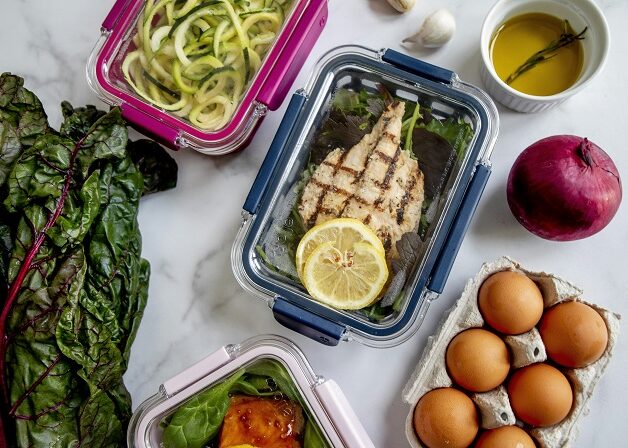
Meal prepping refers to the practice of preparing food in advance to save time and ensure healthier eating habits throughout the week. This strategic approach is especially vital for individuals with busy schedules, as it allows them to plan their meals efficiently while juggling work, family, and social responsibilities. By dedicating a small portion of time to cooking in bulk, one can enjoy a variety of nutritious meals without the daily hassle of cooking from scratch.
The significance of meal prepping extends beyond merely saving time. It plays a crucial role in reducing stress during weekdays when individuals are often pressed for time. Having pre-prepared meals readily available eliminates the need to make last-minute food choices, which can lead to unhealthy eating. When meals are planned and prepared ahead of time, individuals are less likely to resort to fast food or processed options when they feel rushed or overwhelmed.
Moreover, meal prepping encourages healthier eating habits. By taking the time to organize meals, one can control portions and choose ingredients that align with specific dietary goals. This conscious planning helps to incorporate a balanced mix of proteins, carbohydrates, and vegetables in each meal, contributing to overall well-being. Additionally, it reduces food waste since meals are planned based on what is needed, promoting sustainability.
With numerous advantages, meal prepping stands out as a practical solution for maintaining a healthy lifestyle despite a busy agenda. It not only fosters a more intentional approach to eating but also supports individuals in making better food choices that can positively impact their health.
Planning Your Meals
Meal planning serves as an essential first step in the meal prep process, especially for individuals with busy schedules. By dedicating time to create a structured weekly menu, one can effectively allocate the necessary resources for nutritious meals while accommodating various dietary preferences and nutritional requirements. The impact of a well-thought-out meal plan extends beyond simply managing time; it also influences grocery shopping, cooking efficiency, and overall health.
When creating your weekly menu, consider your lifestyle and obligations. Identify which days and times are particularly hectic and allocate simpler meals or leftovers for those occasions. On days when you have more time, incorporate recipes that require more preparation. Utilizing a consistent theme for certain days, such as “Meatless Mondays” or “Taco Tuesdays,” can offer a fun framework while streamlining your planning efforts.
In addition to addressing your schedule, it’s important to reflect on dietary preferences and nutritional needs. Opt for a balance of protein, carbohydrates, and healthy fats in your meals. Including a variety of fruits and vegetables not only nourishes the body but also adds color and texture to meals, making them more appealing. Moreover, consider using seasonal ingredients, as they tend to be fresher, tastier, and often more affordable. Incorporating seasonal produce can be both a rewarding and beneficial aspect of meal planning.
Hands-on tools such as meal planning worksheets or mobile apps can further facilitate the process. These resources allow for easy adjustments and updates to your weekly menu as necessary. Ultimately, effective meal planning is key to staying organized and ensuring consistent, nutritious meals throughout busy weekdays.
Grocery Shopping Tips
Efficient grocery shopping plays a crucial role in meal preparation, particularly for those navigating busy weekday schedules. To streamline the shopping process, it is essential to create a comprehensive shopping list based on your meal plans. Start by outlining your meals for the week, taking into consideration the recipes you intend to prepare. This organized approach helps you avoid impulse purchases and ensures you acquire all necessary ingredients.
When developing your shopping list, categorize items to expedite your shopping experience within the grocery store. Group items such as produce, dairy, grains, and proteins together to ensure that you make fewer trips across the store, thus saving time. Prioritize purchasing fresh and seasonal ingredients as they tend to be of higher quality and more cost-effective. Additionally, consider any dietary preferences or restrictions that may influence your choices.
Budgeting is another vital aspect of grocery shopping. Set a weekly limit and try to stick to it by selecting ingredients that are not only affordable but also versatile, allowing for multiple meal preparations. Use store flyers or apps to track promotions and discounts, which can help maximize savings. Bulk buying is an effective technique that can save you both time and money. Purchase staples such as grains, nuts, and frozen vegetables in larger quantities; they have a longer shelf life and can be utilized across various recipes.
Lastly, always check your pantry and refrigerator before shopping to ensure you are not duplicating items you already possess. This practice not only aids in budget management but also minimizes food waste, an important consideration in sustainable meal prepping. By applying these strategies, grocery shopping can transform from a chore into a streamlined part of your meal prep routine.
Batch Cooking Basics
Batch cooking is a meal preparation technique that involves cooking large quantities of food at once, allowing individuals to save time and reduce stress duringbusy weekdays. This efficient approach not only helps in planning meals in advance but also can be cost-effective and promotes healthier eating habits. By dedicating a specific period, typically on weekends, to prepare meals in bulk, one can ensure a steady supply of homemade food throughout the week.
One of the primary advantages of batch cooking is the convenience it offers. By preparing meals in advance, you can easily meet your nutritional needs without the hassle of daily cooking. This practice minimizes the temptation to rely on fast food or takeout, which is often more expensive and less healthy. Additionally, batch cooking can yield substantial savings on grocery bills, as purchasing ingredients in bulk typically reduces overall costs.
To effectively implement batch cooking, it is essential to utilize key techniques. Start by carefully selecting recipes that are versatile and can be easily reheated. Dishes such as stews, casseroles, or grain-based salads tend to hold up well over time. When preparing large quantities, consider organizing your cooking area with all necessary tools and ingredients at hand to streamline the process.
Storing meals effectively is crucial for maintaining freshness. Invest in quality airtight containers, ideally glass, that prevent leaks and allow for easy reheating. Label each container with the name and date of the meal to keep track of freshness. Using a freezer can also extend the life of prepared dishes; many meals can be frozen and stored for several weeks without losing flavor or texture. By integrating these practices into your routine, batch cooking can transform your weekday meals into a more manageable and enjoyable process.
Choosing the Right Containers
When embarking on a meal prep journey, it is essential to select the right storage containers to ensure efficient organization and preservation of food. The choice of container materials can greatly impact the quality of your meals, as well as your overall meal-prepping experience. Two of the most popular materials for meal prep containers are BPA-free plastic and glass, each offering unique advantages.
BPA-free plastic containers are lightweight, durable, and often microwave-safe, making them convenient for reheating meals quickly. These containers are available in various sizes, allowing for effective portion control. By correctly sizing your containers, you can prevent food waste and maintain a balanced diet tailored to your nutritional needs. Additionally, many plastic options come with airtight seals to keep food fresh for longer periods, preserving flavor and nutrients.
On the other hand, glass containers are known for their non-reactive properties and superior safety. They do not absorb stains or odors from the food, making them an excellent choice for storing saucy or aromatic dishes. Glass containers can easily transition from the refrigerator to the oven or microwave, allowing for hassle-free reheating. Furthermore, they boast eco-friendly qualities, as they are reusable and recyclable, contributing to a sustainable lifestyle.
While choosing containers, consideration of design is equally important. Opt for stackable containers to maximize storage space in your kitchen. Labels on containers can also be useful for tracking contents and dates, ensuring your meals are consumed at their freshest. Ultimately, the right combination of material, size, and design will facilitate a smooth meal prep process, allowing for consistent adherence to your health goals, even during the busiest of weekdays.
Quick and Easy Recipes
Meal prepping can be a game changer for individuals with busy schedules, allowing them to enjoy healthy meals without the daily time commitment. Below are several quick and easy recipes that strike an excellent balance between nutrition, flavor, and convenience, catering to breakfast, lunch, dinner, and snacks.
Breakfast: Overnight oats are an ideal choice for a nutritious morning meal that requires minimal effort. To prepare, simply combine rolled oats with your choice of milk or yogurt, add a sweetener like honey or maple syrup, and incorporate toppings such as fruits, nuts, or chia seeds. Store in the fridge overnight for a ready-to-eat breakfast that is both satisfying and rich in fiber.
Lunch: A versatile grain bowl can serve as a delicious lunch option. Begin with a base of quinoa or brown rice, and layer with roasted vegetables, chickpeas or grilled chicken, and a drizzle of your favorite dressing. This meal not only packs a variety of nutrients but is easily customizable based on seasonal ingredients or personal preferences.
Dinner: Sheet pan meals are an excellent way to simplify dinner prep. Arrange protein, such as salmon or chicken, alongside an array of colorful vegetables on a single baking sheet. Drizzle with olive oil and sprinkle with herbs and spices. Roast in the oven for about 20-30 minutes for a hearty meal that can feed multiple people or provide leftovers.
Snacks: For a healthy snack option, consider homemade energy bites. Combine oats, nut butter, honey, and mix-ins such as chocolate chips or dried fruit in a bowl. Roll into small balls and refrigerate for easy snacking throughout the week. These bites are not only quick to prepare but also provide an excellent source of energy for busy days.
These quick and easy meal prep recipes ensure that wholesome food is within reach, even on the busiest weekdays. By planning ahead and keeping nutritious ingredients on hand, one can enjoy balanced meals without compromising on time or flavor.
Maximizing Leftovers
In today’s fast-paced world, maximizing leftovers is an essential strategy for efficient meal prep. Utilizing leftover food not only helps reduce waste but also saves valuable time during busy weekdays. By creatively transforming leftovers, you can create entirely new meals with minimal effort.
One effective approach to repurposing leftovers is to think beyond the initial meal. For instance, if you have roasted vegetables, consider blending them into a soup or adding them to a breakfast omelet. Proteins like chicken or beef can be shredded for tacos or salads, while grains such as rice or quinoa can serve as a base for stir-fries. This versatility can make meals more exciting and varied, helping to combat the monotony that may come from eating the same dish multiple times.
When it comes to storing leftovers, proper techniques are vital to retain flavor and freshness. Always allow food to cool before sealing it in airtight containers. Using glass or BPA-free plastic containers can help maintain the quality of the food. Labeling containers with dates ensures that older items are consumed first, further reducing waste. Additionally, consider portioning leftovers into single servings to make them more convenient for quick meals throughout the week.
To stay inspired, setting up a rotation pattern for leftover usage can be beneficial. For example, designate one night a week as “leftover night” where the focus is solely on repurposing food items from previous meals. Keeping a journal or digital log of meal ideas can facilitate creativity, making it easier to remix ingredients into new, delicious dishes. By adopting these strategies, individuals can significantly optimize their meal prep, manage their time more effectively, and contribute positively to sustainability efforts.
Time-Saving Kitchen Tools
In the fast-paced world we live in, efficient meal preparation can significantly alleviate the stress associated with busy weekdays. One effective way to enhance your meal prep process is by investing in essential kitchen tools that not only save time but also increase your overall cooking enjoyment. There are several gadgets available in the market that can streamline various aspects of meal preparation.
Firstly, a food processor is a versatile tool that can drastically reduce prep times for chopping, slicing, and mixing ingredients. Whether it’s pureeing vegetables for a soup or grating cheese, the food processor can handle multiple tasks with ease, making it an indispensable kitchen tool. Another excellent gadget is the slow cooker, which allows for the effortless preparation of meals with minimal involvement. You can set it up in the morning and return to a hot, ready meal, thus eliminating last-minute cooking stress.
Additionally, investing in a reliable instant pot can greatly enhance cooking speed and efficiency. This multifunctional appliance combines the capabilities of a pressure cooker, slow cooker, and even a rice cooker, allowing you to whip up a variety of meals in a fraction of the time. Furthermore, quality kitchen scales can be vital for accurately measuring ingredients, which not only aids in preserving recipe integrity but also assists in portion control.
Finally, don’t overlook the value of good quality knives and cutting boards. Having sharp knives can make the cutting process significantly quicker and more enjoyable, while sturdy cutting boards provide a reliable surface for food prep. By implementing these time-saving kitchen tools, the meal preparation process can become less daunting and more efficient, allowing for a smoother transition into your busy weekday routines.
Staying Motivated with Meal Prep
Maintaining motivation for meal prep throughout the week can be challenging, especially during hectic workdays. One effective strategy is to set realistic goals. Start by defining your meal prep objectives—this could be as simple as preparing lunches for three days or creating a variety of snacks. By setting achievable targets, you can build momentum without feeling overwhelmed.
Another way to keep enthusiasm alive is by embracing variety in your meals. To achieve this, consider exploring different cuisines or incorporating seasonal ingredients. Experiment with new recipes and pay attention to flavor combinations that excite your palate. Utilizing a rotating meal schedule can also prevent monotony; for instance, you might dedicate Mondays to Asian-inspired dishes and Wednesdays to Mediterranean flavors.
Scheduling a specific time each week for meal prep can significantly enhance your commitment to this routine. By treating meal prep as a non-negotiable appointment in your calendar, you establish it as a priority. In addition to convenience, preparing meals in bulk can save both time and energy, allowing you to enjoy more flexibility throughout the week.
It’s also essential to remain adaptable and be prepared for challenges. If unexpected events arise, such as work commitments or social invitations, consider meal ideas that are quick to prepare or even keep some healthy store-bought options on hand. By having a backup plan, you won’t feel disheartened when life throws you a curveball.
Finally, don’t hesitate to share your meal prep journey with family or friends. Involving others can provide motivation and accountability, turning meal prepping from a solitary task into a social activity. By fostering a community around healthy eating, you can inspire and support each other in maintaining a consistent meal prep routine.