

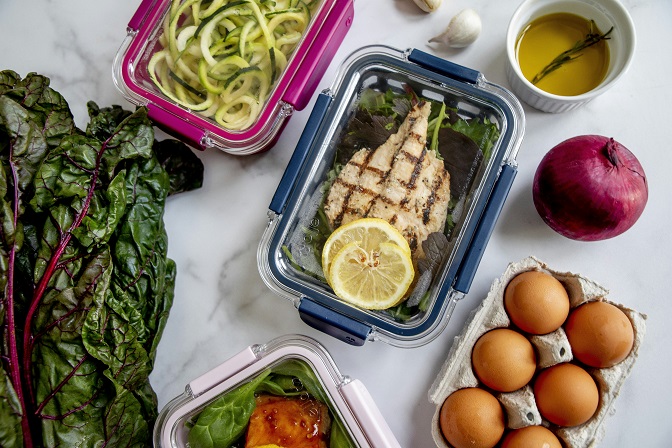
Family meal planning is an organized approach to preparing and enjoying meals as a unit, which has gained popularity among households seeking a healthier lifestyle. By dedicating time to plan meals ahead of time, families can ensure that nutrition remains a priority, allowing for a balanced intake of essential vitamins and minerals. The primary benefit of this practice is that it encourages the preparation of wholesome dishes, reducing reliance on processed and convenience foods that are often higher in sugar and unhealthy fats.
Furthermore, engaging in family meal planning can significantly contribute to budget management. By creating a weekly menu, families can make better shopping lists, reduce food waste, and take advantage of sales and seasonal produce. This structured approach helps in making mindful purchasing decisions, ultimately leading to cost savings and reducing the financial strain that often accompanies erratic meal choices.
In addition to health and financial benefits, family meal planning fosters a sense of teamwork and collaboration within the household. Involving all family members in cooking and planning encourages communication and strengthens bonds. It becomes an opportunity for parents to teach children about nutrition, cooking skills, and the significance of sustainable eating, thereby nurturing responsible eating habits from a young age.
Moreover, when families come together to prepare meals, it transforms dining into a shared experience that enhances family dynamics. The kitchen can become a space for not only crafting meals but also creating memories, discussions, and shared responsibilities. Ultimately, effective meal planning goes beyond just nutrition, as it cultivates relationships and a sense of belonging, making it an invaluable practice in modern family life.
Benefits of Healthy Eating for Families
Engaging in healthy eating practices not only contributes to physical well-being but also enhances family dynamics and relationships. As families cook and eat together, they often experience improved nutrition that can lead to better health outcomes for all members. Well-balanced meals are essential in providing the necessary vitamins and minerals for optimal growth and development, especially for children. By consuming a variety of fruits, vegetables, whole grains, and lean proteins, families can cultivate a nutrient-rich diet that supports both physical and mental health.
Additionally, shared meals serve as an opportunity to foster and instill better eating habits in children. When children are involved in meal planning and preparation, they are more likely to develop a positive relationship with food. This engagement not only encourages them to try healthier food choices but also plays a crucial role in reducing the likelihood of obesity and related health issues. Establishing regular family meal times can further reinforce the importance of eating nutritious foods.
Beyond the physical health advantages, the emotional and social benefits of shared meals are significant. Family meals provide a moment for connection, discussion, and bonding, which can greatly enhance familial relationships. During these meals, families can converse about their day, share experiences, and create lasting memories. This regular interaction promotes a sense of belonging and security among family members, contributing positively to mental health by reducing stress and fostering support. Ultimately, healthy eating nurtures not only the body but also the heart, establishing a foundation for a harmonious family life.
Key Ingredients for Healthy Recipes
When planning healthy family meals, it is essential to incorporate a variety of staple ingredients and food groups. This ensures balanced nutrition while catering to diverse tastes. Whole grains, lean proteins, fruits, vegetables, and healthy fats should be the cornerstone of any healthy recipe.
Whole grains, such as quinoa, brown rice, and whole wheat pasta, are integral for providing fiber and essential nutrients. They aid in digestion, promote satiety, and help maintain stable energy levels throughout the day. When selecting grains, opt for options labeled as 100% whole grain to ensure maximum health benefits.
Lean proteins are crucial for muscle repair and growth. Sources such as chicken breast, turkey, fish, beans, and legumes are excellent choices. They offer substantial protein without the extra saturated fats found in red meats. When choosing protein, consider incorporating plant-based options occasionally, which are also rich in fiber and nutrients.
Fruits and vegetables are vital as they deliver essential vitamins, minerals, and antioxidants. Aim for a colorful variety to maximize nutrient intake. Fresh, frozen, or canned options can be included in meals; however, choose canned varieties without added sugars or sodium. Seasonal produce is often the best choice for freshness and flavor.
Healthy fats, such as those found in avocados, nuts, seeds, and olive oil, are important for overall health. They support brain function and help the body absorb vital nutrients. Incorporating modest amounts of these fats can elevate the flavors of meals while enhancing the nutritional value.
In conclusion, a well-rounded approach to meal planning includes these key ingredients, contributing not only to health but also to the enjoyment of family mealtime. By making informed choices and prioritizing wholesome foods, families can thrive on nutritious and delicious meals.
Quick and Easy Breakfast Ideas
Starting the day with a balanced meal is crucial for maintaining energy levels and overall health. However, busy mornings can make it challenging to prepare nutritious breakfasts. Here, we explore several quick and easy breakfast ideas that not only save time but also ensure a wholesome start to your day.
One popular option is overnight oats. This versatile dish can be prepared the night before by combining rolled oats with your choice of milk or yogurt and allowing it to sit in the refrigerator. You can include toppings such as fresh fruits, nuts, or seeds to enhance both flavor and nutrition. The best part is that you can experiment with different flavor combinations to keep it interesting.
Another nutritious choice is a smoothie bowl. Blend your favorite fruits—such as bananas, berries, or spinach—together with yogurt or a dairy-free alternative, and pour the mixture into a bowl. Top it with a variety of ingredients like granola, sliced fruits, or chia seeds, which not only provide texture but also add beneficial nutrients. Smoothie bowls are not only delicious but also allow for creativity in preparation.
For those who prefer a savory breakfast, healthy egg dishes can be made quickly. Scrambled eggs, for example, can be ready in just a few minutes. Adding vegetables such as spinach, tomatoes, or bell peppers not only boosts the nutrient content but also enhances the flavor profile. Consider making a simple vegetable omelet or a frittata that can be enjoyed throughout the week.
In summary, these quick breakfast options encourage families to prioritize nutrition, even on their busiest mornings. Whether you opt for overnight oats, smoothie bowls, or healthy egg dishes, each recipe can be prepared in advance or in under 15 minutes, ensuring that the whole family starts their day on the right foot.
Simple Lunch Recipes for the Family
Creating healthy lunches for the family can be both simple and enjoyable. For a balanced meal that incorporates proteins, carbohydrates, and vegetables, consider preparing wraps, salads, and bento boxes that can be made in advance and easily packed for school or work.
One popular option is the whole grain wrap, which can be filled with an array of nutritious ingredients. Start with a whole grain tortilla and add lean protein such as grilled chicken, turkey, or hummus. Layer in fresh vegetables like spinach, cucumbers, and bell peppers for added crunch and nutrients. A drizzle of yogurt-based dressing can enhance the flavor without adding excessive calories. These wraps not only provide a balanced meal but are also portable, making them ideal for on-the-go families.
Alternatively, salads offer a versatile option for packed lunches. Begin with a base of leafy greens, such as kale or romaine, and top with colorful vegetables, proteins like chickpeas or tofu, and a sprinkle of seeds or nuts for healthy fats. To ensure meals remain fresh, pack the dressing separately and toss the salad just before serving. This technique helps maintain the crispness of the vegetables and avoids sogginess.
Bento boxes are another excellent choice for those who wish to introduce variety into their family’s lunch options. These meal containers can be divided into sections, allowing you to mix different food groups easily. Fill one section with brown rice or quinoa for carbohydrates, another with assorted vegetables, and a third with cooked proteins, such as grilled shrimp or meats. This not only provides a balanced meal but is also visually appealing, encouraging children to enjoy their lunch.
Overall, simple lunch recipes can ensure that your family receives balanced nutrition, even on busy days. By preparing these meals in advance, you can save time and effort while promoting healthy eating habits.
Delicious Dinner Recipes Everyone Will Love
Preparing healthy meals that cater to a variety of tastes and dietary preferences can be a rewarding challenge for any family. In this section, we will explore a selection of easy dinner recipes that not only promote healthy eating but also delight the palate. Whether you are adhering to a vegetarian lifestyle, managing gluten allergies, or simply seeking to introduce more nutritious options into your household, these recipes are sure to satisfy.
For families with different dietary needs, consider making a hearty quinoa and black bean bowl. This dish is rich in protein and packed with flavor, making it a crowd-pleaser. Simply combine cooked quinoa, black beans, diced tomatoes, corn, and avocado, and season with lime juice and cilantro. It’s not only gluten-free but also easily customizable based on individual tastes.
Another great option is a vegetable stir-fry with chicken or tofu. Utilizing a mix of seasonal vegetables such as bell peppers, broccoli, and snap peas, this dish can provide essential vitamins and minerals. The stir-fry can be prepared with a simple combination of soy sauce, garlic, and ginger for added flavor. This recipe is adaptable to accommodate vegetarian diets by substituting chicken with tofu, ensuring everyone at the table can enjoy it.
For seafood lovers, consider a baked salmon recipe that’s both healthy and easy to prepare. Simply season salmon filets with lemon, dill, and a drizzle of olive oil, then bake until flaky. Serve with a side of roasted vegetables or a light salad for a complete and nutritious meal. This dish is not only rich in omega-3 fatty acids but also offers a delicious option that complements various culinary tastes.
Incorporating these wholesome dinner recipes into your meal planning ensures that every family member can enjoy a delicious, nutritious meal without feeling restricted by dietary preferences or allergies. With a little creativity and careful consideration, healthy eating can be both enjoyable and satisfying for the entire family.
Snack Ideas for Healthy Munching
Healthy snacking is an essential part of family meal planning, providing not only energy but also important nutrients for active lifestyles. Here are some wholesome snack ideas that families can enjoy between meals, promoting health and vitality.
One of the simplest and most satisfying options is creating homemade energy bars. These bars can be made with a combination of oats, nut butter, honey, and a selection of dried fruits and nuts. For a basic recipe, mix 1 cup of oats, 1/2 cup of nut butter, and 1/3 cup of honey. Stir in 1/2 cup of your choice of nuts and dried fruits, pour into a greased baking dish, then refrigerate until firm. Cut into bars for quick, on-the-go snacks that provide sustained energy.
Another delightful choice is a fruit and nut mix, which can be easily customized to suit family preferences. Combine a variety of nuts such as almonds, walnuts, and cashews, along with dried fruits like apricots, cranberries, or raisins. Adding unsweetened coconut flakes or dark chocolate chunks can enhance the flavor profile while maintaining healthiness. This energy-boosting trail mix is perfect for packed lunches or after school munchies.
Veggie sticks paired with dips serve as an excellent crunchy snack. Encourage children to enjoy carrots, cucumbers, bell peppers, and celery with a yogurt-based ranch or hummus dip. These snacks not only provide fiber and essential vitamins but also engage children in positive food choices.
Incorporating these healthy snacks into your family’s routine can help promote nutritious eating habits, ensuring everyone enjoys flavorful options that keep them energized throughout the day.
Meal Prep Tips for Busy Families
In today’s fast-paced lifestyle, meal preparation stands as a critical practice for busy families seeking a healthier approach to dining. Streamlining the cooking process not only saves time but also fosters nutritious eating habits. One of the foremost strategies is batch cooking. This involves preparing large quantities of food at once, allowing families to enjoy homemade meals throughout the week. Dishes like soups, stews, or casseroles can be cooked in bulk and stored in portioned containers, making them easy to reheat during hectic evenings.
Additionally, utilizing a slow cooker can significantly ease the burden of meal prep. Slow cookers allow for the preparation of meals that require minimal effort. By placing the ingredients in the slow cooker in the morning, families can return home to a fully cooked meal, simplifying dinner time immensely. This method is especially beneficial for busy weekdays when parents may not have the time to cook from scratch.
Another effective meal prep tip is to plan meals around seasonal produce. Fresh fruits and vegetables not only taste better but are often more affordable when in season. By creating a weekly meal plan highlighting seasonal ingredients, families can shop efficiently and reduce food waste. This practice encourages creativity in the kitchen, enhancing the family dining experience with diverse and healthy options.
Lastly, for those who may find it challenging to prepare meals on their own, there are various stores and online platforms offering meal prep services. These services provide pre-portioned ingredients or fully prepared meals that cater to different dietary needs. Such options can be a valuable resource for busy families looking to maintain a healthy diet without compromising on time.
Conclusion and Encouragement to Get Cooking
As we conclude this exploration of healthy recipes for easy family meal planning, it is crucial to emphasize the transformations that can arise from integrating healthful meals into your family’s routine. Cooking together can be a delightful experience that not only fosters connection among family members but also instills valuable lessons about nutrition and healthy eating habits in children.
We have presented a variety of recipes that are designed to cater to different tastes and dietary preferences, making them accessible for families of all kinds. By trying out these recipes, families can embark on a culinary adventure that promotes healthier choices without compromising on flavor or enjoyment. Rediscovering the joy of cooking together can lead to lasting memories, increased family bonding, and a collective commitment to better nutrition.
We encourage you to set aside some time for meal prep as a family, turning it into a fun and educational activity. Involving children in the cooking process not only keeps them engaged but also nurtures their understanding of food and encourages them to develop a positive relationship with what they eat. By gradually introducing more wholesome ingredients into your meals, you can create a nutritious foundation that supports the health and well-being of your loved ones.
We invite readers to share their cooking experiences and feedback on the recipes provided. Your stories can inspire others in their journey towards healthier eating. Embrace this opportunity to gather around the table, enjoy the fruits of your labor, and relish in the benefits of cooking healthy meals as a family. Every small step you take in enhancing your meal planning can significantly contribute to a happier and healthier lifestyle for everyone involved.