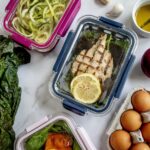

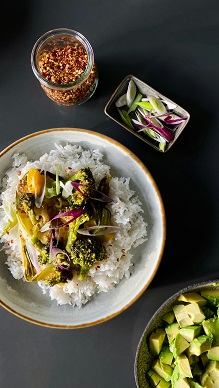
Rice bowls have emerged as a popular meal option, celebrated for their versatility and adaptability to a variety of dietary preferences. At their core, rice bowls consist of a base of rice often brown or another whole grain topped with an array of colorful vegetables, lean proteins, and dressings that elevate both the flavor and nutrient profile of the dish. This combination not only makes them a satisfying meal but also one that can be tailored to meet individual nutritional needs.
The incorporation of whole grains, such as brown rice or quinoa, enhances the health benefits of rice bowls by providing essential nutrients and fiber. These grains serve as a rich source of complex carbohydrates, which are crucial for sustained energy throughout the day. Furthermore, the inclusion of fresh vegetables boosts the meal’s vitamin, mineral, and antioxidant content, making it an excellent choice for those seeking to enhance their overall health.
One of the key appeals of rice bowls is their ease of preparation. Busy lifestyles often dictate the need for quick yet nutritious meal options. Rice bowls can be assembled in a matter of minutes by utilizing pre-cooked rice, leftover proteins, or pre-chopped vegetables. This makes them particularly advantageous for meal prepping, as one can create multiple servings in one go, providing ready-to-eat meals throughout the week.
Moreover, rice bowls are adaptable to various dietary preferences, accommodating vegan, vegetarian, gluten-free, and low-carb diets. With an assortment of flavorful sauces and spices, such as teriyaki, curry, or tahini, rice bowls offer endless possibilities to keep each meal exciting and delicious. The combination of whole grains, fresh produce, and protein not only ensures a well-rounded nutrient intake but also satisfies the palate with diverse flavors and textures. By embracing rice bowls, individuals can enjoy a nourishing and dynamic dining experience.
Choosing the Right Rice
When it comes to crafting nutritious rice bowls, selecting the appropriate type of rice or its alternatives is crucial. Various options provide unique nutritional benefits, flavor profiles, and textures that can enhance your meal. Brown rice is one of the most popular choices; it is a whole grain that retains its bran and germ, resulting in higher fiber, vitamins, and minerals compared to its white counterpart. It is also associated with improved digestive health and satiety.
Another excellent option is quinoa, which, while technically not a healthy rice bowls, serves as a wholesome grain alternative. Quinoa is a complete protein, containing all nine essential amino acids, making it a valuable choice for vegetarians and vegans. Its nutty flavor pairs well with a variety of ingredients, allowing for versatile rice bowl recipes. To prepare quinoa, rinse it before cooking, then simmer in water or broth to achieve the desired consistency.
Basmati rice, commonly used in Indian and Asian cuisine, is another nutritious choice. It has a distinct aroma and flavor, adding an exotic touch to rice bowls. Basmati rice is lower in glycemic index compared to other types, promoting better blood sugar control. Cooking basmati rice involves rinsing to remove excess starch, followed by boiling in water until fluffy.
For those seeking a low-carb alternative, cauliflower rice has emerged as a popular substitute. It is made by grating or processing cauliflower into rice-sized pieces and lightly cooking it. Cauliflower rice is low in calories and high in vitamins C and K, making it an excellent option for those mindful of their carbohydrate intake.
In summary, the choice of rice or rice alternative can significantly impact the nutritional profile of your meals. By selecting brown rice, quinoa, basmati rice, or cauliflower rice, you can create healthy rice bowls that are both satisfying and nutrient-rich.
Protein Options for Your Rice Bowl
When creating a nutritious healthy rice bowls, selecting a protein source is crucial for a balanced meal. Various options are available to accommodate different dietary preferences, including chicken, tofu, beans, and fish. Each of these proteins not only adds essential nutrients to your dish but also enhances its flavor profile.
Chicken is a popular choice due to its versatility and rich protein content. Grilled, roasted, or stir-fried, chicken breast is low in fat and high in protein, making it an ideal ingredient for those aiming to build muscle or maintain a healthy weight. To elevate the flavor, you might marinate it in a blend of soy sauce, garlic, and ginger before cooking.
Tofu is an excellent plant-based protein source favored by vegetarians and vegans. It is high in protein and contains all essential amino acids, which makes it a complete protein. Firm tofu is the best option for rice bowls; it can be marinated and then grilled or sautéed until golden and crispy. A flavorful marinade could include sesame oil, soy sauce, and a dash of sriracha for a spicy kick.
Beans, such as black beans or chickpeas, are another great protein source that is rich in fiber and low in fat. They can be added directly to your rice bowl or seasoned and sautéed for additional taste. To enhance their flavor, consider mixing beans with cumin, chili powder, and lime juice.
Fish, particularly salmon or shrimp, brings both protein and omega-3 fatty acids, promoting heart health. Prepare fish by grilling, baking, or stir-frying with a touch of lemon, garlic, and herbs for a light yet flavorful addition to your bowl.
Incorporating a variety of these protein sources can create a delightful and nutritious rice bowl that satisfies both taste and health requirements.
Essential Vegetables for Nutrition and Flavor
Incorporating a variety of vegetables in rice bowls not only enhances their flavor but also bolsters their nutritional value. Bell peppers, broccoli, spinach, and carrots are among the most popular choices that complement rice dishes.
Bell peppers, available in a spectrum of colors, are rich in vitamins A and C, potassium, and antioxidants. They provide a sweet and crunchy texture when sautéed or roasted, making them a delightful addition to any rice bowl. Broccoli, a cruciferous vegetable, is noted for its high vitamin K, C, and fiber content. When lightly steamed or stir-fried, it maintains a vibrant green color while delivering crucial nutrients.
Spinach is another powerhouse vegetable, packed with iron, magnesium, and vitamins A and C. It can be added fresh to rice bowls, creating a bright, appealing look. Alternatively, it can be wilted with a touch of olive oil and garlic for enhanced flavor and nutrition. Carrots, rich in beta-carotene, fiber, and potassium, add sweetness and color, and they can be shredded raw or roasted to showcase their natural sugars.
Using a diverse palette of vegetables, such as these, provides not just visual appeal but also comprehensive health benefits. The inclusion of various colors in your rice bowl signifies a range of nutrients essential for overall health. Each color often represents different phytonutrients contributing to well-being, highlighting the importance of consuming a rainbow’s worth of vegetables in daily meals.
To summarize, selecting a combination of nutritious and colorful vegetables will not only enhance the taste and visual presentation of your rice bowl but also improve its health benefits. Regularly integrating these vegetables can lead to a more balanced and health-conscious dining experience.
Tasty Dressings and Sauces
Enhancing the flavor of rice bowls with dressings and sauces is an excellent way to create nutritious and delicious meals. Healthy dressings can elevate the overall taste of your dish while remaining light on calories and unhealthy ingredients. Below are some recipes and ideas for dressings that pair perfectly with various rice bowl creations.
One popular option is tahini dressing. To prepare this, mix 1/4 cup of tahini, 2 tablespoons of lemon juice, 1 tablespoon of garlic, one tablespoon of honey or maple syrup (for a vegan option), and water until you reach your desired consistency. This creamy, nutty dressing adds depth while providing healthy fats and protein, making it ideal for both grain and vegetable bases.
For those seeking a low-sodium alternative to traditional soy sauce, consider coconut aminos. This sauce contains significantly less sodium and a sweeter taste. Mix coconut aminos with minced garlic and ground ginger for a flavorful and healthy drizzle that enhances Asian-inspired rice bowls without compromising on flavor.
A homemade vinaigrette is another versatile dressing to consider. Combine three parts olive oil with one part balsamic vinegar. Add a teaspoon of Dijon mustard and a sprinkle of herbs such as oregano, thyme, or basil. Shake well and use this vinaigrette to add a tangy note to your rice dishes while benefiting from the healthy monounsaturated fats in olive oil.
Finally, it is essential to explore variations on classic sauces. For instance, creating a light peanut sauce with peanut butter, lime juice, and a bit of water can lend a delightful creaminess to your rice bowls without excessive calories. By using these dressings and sauces, you ensure that your rice bowl is not only nutritious but also bursting with flavor, encouraging a satisfying dining experience.
Creative Rice Bowl Combos
Rice bowls are a versatile meal option that can be adapted to various cuisines. Combining the right ingredients not only elevates the flavor profile but also maximizes nutritional benefits. Here are three creative rice bowl combinations you can try.
The first is a Mediterranean rice bowl. This bowl features a base of quinoa-infused brown rice, topped with grilled chicken, roasted red peppers, Kalamata olives, and a sprinkle of feta cheese. The addition of fresh herbs like parsley or basil enhances the dish’s flavor. Olive oil and a splash of lemon juice can be drizzled over the top for extra taste. This combination provides lean protein from the chicken, healthy fats from the olives, and a variety of vitamins and minerals from the vegetables, making it a balanced meal.
Next, we explore an Asian-inspired rice bowl. Using jasmine or sushi rice as a base, this bowl is topped with sautéed bok choy, shiitake mushrooms, and a poached egg. A dash of soy sauce or teriyaki sauce adds a savory note, while sesame seeds provide crunch. The components of this bowl offer a rich source of vitamins and dietary fiber, and the egg adds protein and healthy fats, creating a satisfying meal that is also light.
Lastly, a Mexican-themed rice bowl can pack a flavorful punch. Begin with a base of cilantro-lime rice, and layer black beans, grilled corn, pico de gallo, and diced avocado on top. This bowl can be enhanced with a dollop of Greek yogurt or a drizzle of salsa. The combination of black beans and corn offers a complete protein source, while the avocado provides healthy monounsaturated fats. The vibrant colors and diverse textures make this bowl both visually appealing and a delightful experience for the palate.
By experimenting with these combos, you can create nourishing healthy rice bowls that cater to your taste preferences while promoting overall health. Each combination showcases how ingredients can work harmoniously together to provide not just sustenance but also an enjoyable culinary experience.
Meal Prep Tips for Rice Bowls
Preparing rice bowls in advance is a practical solution for busy individuals seeking nutritious meals. By engaging in meal prep, one can enjoy the convenience of having wholesome ingredients readily available throughout the week. Here are some essential tips for effectively meal prepping rice bowls.
First and foremost, batch cooking rice is a significant time-saver. Cooking a large portion of rice at once, such as brown rice, jasmine, or basmati, allows you to have a base ready to go for multiple meals. Once cooked, it is advisable to cool the rice quickly to inhibit bacteria growth, then store it in portioned containers in the refrigerator. This way, you can easily scoop out the desired amount for any given rice bowl.
Next, consider preparing proteins ahead of time. Options like grilled chicken, tofu, or beans can be prepared in large batches, seasoned to taste, and stored. These proteins can be added to rice bowls throughout the week, providing essential nutrients without the need for daily cooking. For added variety, it is beneficial to mix and match different proteins each day.
Vegetables also play an important role in a balanced rice bowl. Pre-chopping vegetables such as bell peppers, cucumbers, or carrots can save precious time during lunch or dinner. Storing these vegetables in airtight containers will preserve their freshness. It is recommended to keep toppings, such as sauces or fresh herbs, in separate containers to maintain their quality and prevent sogginess.
Additionally, consider utilizing a simple meal prep schedule to maintain consistency and organization. Dedicating a specific time to food prep each week ensures readiness for busy days, thus eliminating the temptation for less healthy, quick meal alternatives.
In conclusion, by batch cooking rice and proteins, chopping vegetables, and thoughtfully storing toppings, meal prepping rice bowls can simplify your week while promoting a nutritious lifestyle.
Dietary Considerations and Adaptations
Rice bowls are versatile meals that can easily be adapted to meet various dietary needs, ensuring that everyone can enjoy a nutritious option without compromising their health goals or preferences. One common adaptation is for vegan diets; this can be accomplished by incorporating a variety of vegetables, legumes, and plant-based protein sources such as tofu or tempeh. Quinoa or other whole grains could serve as alternatives to rice to offer different flavors and textures, enhancing the overall meal experience.
For those who are gluten-sensitive or have celiac disease, rice bowls naturally fit into a gluten-free diet since rice is gluten-free. However, it is essential to ensure that all other toppings and sauces used are also gluten-free. Ingredients like edamame, fresh vegetables, and homemade dressings can seamlessly enhance the bowl without introducing gluten. Always check labels for processed items to confirm their gluten status, which promotes safety and enjoyment.
Low-carb adaptations can be achieved by swapping traditional rice for cauliflower rice, which significantly reduces carbohydrates while still providing a filling base. Incorporating leafy greens, such as spinach or kale, can also add nutrients while maintaining low-carbohydrate content. Additionally, using high-protein ingredients like grilled chicken, seafood, or legumes can aid in creating a satisfying low-carb rice bowl.
It is important to recognize that the customization of rice bowls allows inclusivity for various health and dietary considerations. By making simple substitutions and modifications, rice bowls can cater to diverse preferences, encouraging more individuals to partake in and benefit from these nutritious meals.
Conclusion and Encouragement to Experiment
As we conclude this exploration of healthy rice bowl recipes, it is important to recognize the endless potential they hold for nutritious meals. These versatile dishes not only offer a balanced combination of carbohydrates, proteins, and vegetables but also provide an excellent canvas for culinary creativity. Whether you prefer traditional flavors or a fusion of international cuisines, the possibilities are truly vast.
Rice bowls can be customized to fit individual dietary preferences and lifestyles, making them suitable for everyone. For those seeking plant-based options, incorporating a variety of legumes, nuts, and leafy greens can enhance both the nutritional value and flavor profile. On the other hand, meat lovers can opt for lean proteins, which can be grilled, roasted, or stir-fried to add dimension to their meals.
It is worth noting that experimenting with different spices and sauces can transform even the simplest ingredients into a delightful dish. The inclusion of fresh herbs and seasonal vegetables further boosts the vibrancy and appeal of rice bowls. Additionally, do not hesitate to explore diverse grains beyond rice, such as quinoa or farro, to add textures and flavors that delight the palate.
Encouraging your culinary curiosity will not only enhance your cooking skills but will also make meal preparation a joyful experience. So gather your favorite ingredients, let your imagination run wild, and start creating your own healthy rice bowl recipes. Every bowl is an opportunity to nourish your body and satisfy your taste buds while celebrating the art of cooking.