

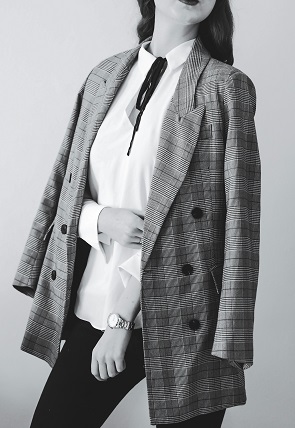
Blazers have solidified their place as a fundamental piece in contemporary fashion, transcending their origins as a formal garment typically worn by men. Initially tailored for specific uniforms, blazers emerged in the early 19th century, particularly gaining traction within British schools and rowing clubs. Over time, their utility evolved, and they have become synonymous with both formal and casual aesthetics, showcasing remarkable versatility.
Today, how to style a blazer are not just reserved for the boardroom but have found their way into everyday wardrobes, making them an essential staple for various occasions. Available in diverse styles and fabrics, blazers can range from structured and tailored designs to more relaxed, unstructured fits. Common materials include wool, cotton, linen, and blends that can cater to different seasons and personal preferences.
The plethora of styles available allows individuals to express their unique taste. Classic options like the single-breasted blazer provide a timeless appeal, while double-breasted versions add sophistication. Additionally, variations such as cropped blazers or oversized designs cater to contemporary trends, enabling wearers to adapt their looks according to the occasion.
Furthermore, blazers can be dressed up or down with ease. Pairing a blazer with a tailored shirt and dress pants exudes professionalism suited for formal events. Conversely, teaming a blazer with a graphic t-shirt and jeans creates a chic, casual look that remains polished. This adaptability underscores the enduring relevance of blazers in today’s fashion landscape, marking their importance as both pragmatic and stylish attire.
Understanding Casual vs Formal Looks
Understanding the distinction between casual and formal looks is crucial for making style choices that are appropriate for various occasions. Casual looks are typically characterized by comfort and ease, often incorporating clothing that is less structured. In many cases, casual attire includes items such as jeans, t-shirts, and light sweaters. On the other hand, formal looks are usually associated with events that demand a more polished and sophisticated appearance. This often translates into tailored suits, dress shirts, and polished shoes.
Blazers serve as versatile garments that can bridge the gap between these two styles. When styled appropriately, a blazer can elevate a casual outfit, making it suitable for semi-formal gatherings, while also serving as a foundational piece in formal attire. The context in which a blazer is worn significantly influences the overall look. For instance, wearing a blazer with a crisp white shirt and tailored trousers tends to convey a formal aesthetic, suitable for business meetings or formal dinners. Conversely, pairing a blazer with a graphic tee, distressed jeans, and stylish sneakers creates a relaxed vibe perfect for casual outings.
Recognizing the importance of the event or setting is essential when choosing how to style a blazer. Factors to consider include the location of the event, the expected dress code, and even the time of day. For instance, a daytime casual gathering may allow for a more relaxed blazer ensemble, whereas an evening formal event would necessitate a sharper, more conventional approach. Ultimately, understanding the nuances between casual and formal styles aids in making informed choices that enhance one’s personal style while ensuring appropriateness for the occasion.
Choosing the Right Blazer
Selecting the ideal blazer is crucial for achieving a polished look, whether it be for casual outings or formal events. Different body types require different cuts and fits, which will ultimately enhance one’s silhouette. For instance, individuals with a pear-shaped body might prefer blazers that are structured at the shoulders to create balance, while those with an hourglass figure can opt for styles that cinch at the waist to accentuate their curves.
In addition to body type, personal style should also play a significant role in the selection process. Classic lapel blazers in neutral colors are versatile and easily paired with various outfits, making them a foundational piece in any wardrobe. Alternatively, color and patterns can allow for more expression. Brighter hues or printed blazers can transform a simple t-shirt and jeans into a statement ensemble. However, while choosing patterns, it’s essential to consider the occasion; a subtle pinstripe may be more suitable for formal environments, whereas bold florals can thrive in casual settings.
When analyzing fit, remember that a blazer should conform to the natural lines of your body without restricting movement. A well-fitted blazer will have the shoulders aligning with your own, sleeves that end right at your wrist, and a length that covers your backside without being excessively long. Additionally, a tailored fit can elevate even modest outfits, providing an air of sophistication. Accessories should not be overlooked, as they can enhance the overall appearance—pairing a blazer with a statement necklace or a silk scarf can complement both casual and formal styles effectively.
Styling Blazers for Casual Looks
Blazers have long been associated with formal attire; however, their versatility makes them an excellent choice for casual looks as well. By pairing a blazer with more relaxed clothing, individuals can create a polished yet approachable outfit perfect for various informal settings. One popular approach is to wear a blazer made of soft fabrics, such as cotton or linen, which can add a touch of comfort while maintaining style.
One effective way to style a casual blazer is by layering it over a simple t-shirt. A classic white t-shirt or graphic tee can deliver a chic aesthetic when worn beneath a tailored blazer. This combination works exceptionally well with denim—whether it be skinny, straight-leg, or distressed jeans. This pairing provides a well-balanced look that remains stylish without being overly dressed up.
Footwear also plays a crucial role in achieving a casual look with a blazer. Sneakers are an excellent choice for footwear, delivering both comfort and a contemporary flair. White sneakers, in particular, can create a cohesive appearance, seamlessly bridging the gap between casual and smart-casual. Alternatively, loafers or casual ankle boots may also serve as stylish options, offering a slightly elevated vibe while still remaining relaxed.
Accessorizing wisely is essential to completing a casual blazer ensemble. A crossbody bag or a simple backpack can enhance convenience while maintaining a stylish edge. Additionally, casual accessories such as a baseball cap or trendy sunglasses can add personality to the outfit. Ultimately, the key to successfully styling a blazer for casual looks resides in achieving a harmonious balance between comfort and sophistication, thus allowing one to express their personal style effectively.
Styling Blazers for Formal Looks
When it comes to achieving an elegant appearance for formal events, blazers serve as versatile staples that can elevate your outfit. The key to styling blazers for formal settings lies in selecting the right pairing options and accessories that complement both the blazer and the occasion.
Begin with a well-fitted dress shirt, as this creates a sophisticated base for your ensemble. Opt for classic colors such as white, light blue, or even a subtle pattern to enhance your formal look. The shirt should always be neatly pressed, as wrinkles can detract from the polished appearance you aim to achieve.
Next, tailored trousers are indispensable when styling blazers for formal settings. Choose trousers that match the blazer in terms of color or fabric to create a cohesive look. For instance, a navy blazer pairs beautifully with grey tailored trousers. The fit should be impeccable; overly loose or tight trousers can disrupt the classic silhouette.
Footwear is equally crucial in establishing a formal look. Dress shoes, particularly in leather, should be your choice of footwear. Black leather oxfords or brogues are traditional options, while brown tones can work well depending on the overall color scheme of your outfit. Ensure that your shoes are polished and well-maintained, as they can make a significant impact on your overall presentation.
Finally, accessorizing with items such as ties or pocket squares can further enhance your formal appearance. A silk tie that complements the blazer and shirt adds a touch of sophistication, while a pocket square can introduce a subtle layer of personality and flair. Remember, both accessories should harmonize with your overall color palette to maintain a coordinated look.
Accessorizing Your Blazer
Accessorizing is a crucial aspect of styling a blazer, capable of transitioning the garment from a basic piece to a standout outfit. The right accessories not only enhance the overall appearance but also reflect personal style, making the blazer suitable for both casual and formal occasions. A well-chosen accessory can help elevate the blazer’s aesthetic appeal, contributing significantly to the outfit’s overall coherence.
Belt choices play a vital role in styling a blazer, especially when attempting a more casual look. A simple, tailored belt can define the waist and add structure, making the outfit more polished. Conversely, a bold statement belt offers a fashion-forward approach, creating an opportunity for self-expression. When choosing a belt, consider materials and colors that contrast yet complement the blazer, adding visual interest without overwhelming the ensemble.
Jewelry is another powerful tool for accessorizing a blazer. For a formal setting, opting for understated pieces such as stud earrings or a delicate necklace can maintain an elegant ambiance. In contrast, casual looks may benefit from bolder jewelry, such as chunky bracelets or oversized earrings, which can infuse a playful touch into the overall outfit. When layering jewelry, varying the lengths can create a dynamic look that draws the eye and enhances the layers of the blazer.
Bags are essential accessories that function both practically and stylistically. A structured handbag can lend sophistication to formal attire, while a crossbody bag or a trendy backpack can add an element of laid-back charm for casual outings. When selecting a bag, the color and design should align with the entire outfit, ensuring a harmonious look.
Lastly, scarves provide versatility in accessorizing and can significantly alter the vibe of a blazer. A sleek silk scarf can enhance a formal outfit, while a cozy knit scarf can bring warmth and comfort to casual ensembles. Ultimately, incorporating thoughtful accessories allows for personalized expression and versatility when styling blazers.
Layering Techniques with Blazers
Layering with blazers is an essential skill for creating both casual and formal looks that adapt to varying seasons and weather conditions. The versatility of a blazer allows it to be seamlessly integrated into outfits, making it a staple for any wardrobe. The art of layering not only adds warmth but also elevates the style factor of any ensemble, infusing it with depth and dimension.
During cooler months, opt for heavier fabrics such as wool or tweed blazers, which naturally lend themselves to layering. Pair these with lightweight turtlenecks or button-up shirts underneath to create a sophisticated look. Additionally, a well-fitted blazer over a chunky knit sweater can strike the perfect balance between comfort and elegance. The layering technique not only enhances the visual appeal but also ensures that you remain warm without sacrificing style.
As the seasons transition into warmer weather, the approach to layering with blazers shifts. Lightweight, breathable fabrics like linen or cotton become optimal choices. For example, wearing a blazer over a simple t-shirt or a tank top works effectively to create a chic and laid-back vibe. For formal outings, consider layering a blazer over a dress or a tailored jumpsuit. This not only provides structure but also adds a polished touch to your look.
Ultimately, layering with blazers can transform a casual outfit into a sophisticated one, depending on how the components are styled. By mixing textures, opting for contrasting colors, and playing with different lengths, such as cropped blazers with longer layers underneath, you can achieve an appealing visual interest. The objective is to experiment with various combinations to find a look that resonates with your personal style while embracing the versatility that a blazer offers.
Common Blazer Styling Mistakes
When it comes to styling a blazer, many individuals unknowingly fall into several common pitfalls that can detract from the overall appeal of their outfit. Being aware of these mistakes can help achieve a more polished and cohesive look whether one is aiming for something casual or formal.
One prevalent mistake is improper attention to proportions. A blazer that is too oversized can overshadow the figure, while a too-small blazer may appear restrictive. It is crucial to select a blazer that fits well in the shoulders and drapes neatly without excessive fabric. To maintain a balanced silhouette, consider pairing a tailored blazer with fitted items as opposed to baggy trousers or skirts.
Another common error lies in color clashes. Pairing a blazer with colors that do not complement each other can lead to an unharmonious look. For instance, wearing a vibrant blazer with highly patterned shirts can overwhelm the visual composition of the outfit. To avoid this, opt for neutral shades for either the blazer or the underlayer, allowing one piece to stand out without competing with the other.
Additionally, failing to create a cohesive ensemble that blends casual and formal elements can send mixed signals in any setting. When wearing a blazer as part of a casual look, team it with well-fitted jeans and a simple t-shirt. In contrast, for formal occasions, ensure that the blazer is paired with tailored trousers or a smart skirt. Accessories also play a critical role; select footwear and bags that align with the overall tone of the outfit.
By being mindful of these common styling mistakes regarding proportions, color coordination, and overall cohesiveness, individuals can confidently wear blazers in a manner that enhances both casual and formal looks.
Conclusion and Final Tips
In this blog post, we have explored the versatility of blazers and how they can be styled for both casual and formal looks. From selecting the right fabric to choosing appropriate colors, each aspect plays a crucial role in defining the overall appearance. As we have discussed, blazers can effortlessly transition from day to night, making them a staple in every wardrobe.
For casual occasions, pairing a blazer with fitted jeans and a basic T-shirt or a casual blouse can create a polished yet relaxed vibe. On the other hand, for formal events, opting for tailored trousers or a chic skirt paired with a silk blouse or a stylish button-up can elevate your look significantly. Accessories, such as statement jewelry or a tailored handbag, add a touch of personalization to your blazer outfit, refining your style further.
Another key takeaway is the importance of fit. A well-fitted blazer enhances your silhouette, conveys professionalism, and contributes to a polished appearance. It is advisable to invest in tailoring if necessary, ensuring that your blazer complements your body shape appropriately.
We encourage you to experiment with various combinations and styles to discover what suits you best. Don’t shy away from mixing textures like denim with wool or incorporating unexpected color combinations that reflect your personality. Blazers also allow for significant versatility in layering, providing extra warmth in cooler weather without sacrificing style.
In conclusion, blazers are not only a timeless piece of clothing but also an essential element that can adapt to different settings and occasions. With the right approach, you can make a statement that is uniquely yours, enhancing both casual and formal outfits effortlessly.