

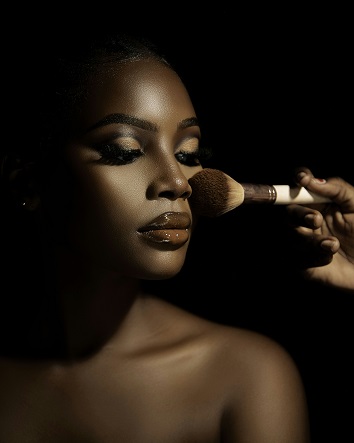
When it comes to achieving a flawless makeup routine, understanding your skin type is essential. There are four primary skin types: oily, dry, combination, and sensitive. Each type possesses unique characteristics that necessitate specific products and techniques for optimal results.
Oily skin is characterized by an excess production of sebum, leading to a shiny appearance and often enlarged pores. Individuals with oily skin may experience acne more frequently due to clogged pores. To identify this skin type, one may notice that their face appears shiny just hours after cleansing.
Dry skin, on the other hand, is marked by a lack of moisture, which can result in flakiness and a feeling of tightness. People with dry skin may observe rough patches or a dull complexion. Testing the skin for dryness can be done by applying a gentle cleanser and waiting a few hours: a tight sensation indicates dryness.
Combination skin incorporates traits from both oily and dry skin, usually with an oily T-zone (forehead, nose, and chin) and dryness on the cheeks. Recognizing this skin type involves examining how different areas of the face react to products and environmental factors.
Lastly, sensitive skin is often prone to redness, irritation, and reactions to products and external conditions. This skin type can sometimes be identified by discomfort following the application of certain cosmetics or environmental triggers.
Understanding your skin type is critical, as it directly influences the selection of makeup products. Utilizing formulations designed for specific skin types ensures not only enhanced natural beauty but also a seamless base for your makeup. This informed approach allows for a more effective and personalized makeup routine, resulting in a flawless finish.
Essential Makeup Products for Beginners
When embarking on the journey of makeup, a well-curated selection of essential products is invaluable. Each item serves as a building block in creating a polished look, enabling beginners to explore their personal style with ease.
Foundation is fundamental; it evens out skin tone and provides a base for the rest of your makeup. Beginners should opt for a formula that suits their skin type, whether it’s liquid, cream, or powder. It’s essential to choose a shade closely matching your skin tone to achieve a seamless finish.
Concealer is another crucial addition, perfect for camouflaging blemishes and dark circles. Selecting a shade slightly lighter than your foundation can brighten the under-eye area and provide a youthful appearance. For those newer to makeup, a creamy concealer is generally easier to blend.
Setting the foundation and concealer with powder helps to mattify the skin and prolong makeup wear. A translucent powder is a versatile option that suits various skin tones and can be applied sparingly.
Blush brings life to the cheeks, enhancing the natural flush of the skin. Beginners should consider a cream formula for a subtle glow or a powder for a more pronounced effect. Soft pinks and peaches are universally flattering shades to start with.
Eye shadow allows for creative expression. A neutral palette filled with browns, taupes, and soft shimmers is ideal for daily use and can be built up for a bolder look at night. Similarly, eyeliner defines the eyes, with beginners encouraged to start with pencil for its ease of application.
Mascara is a must-have, as it adds volume and length to lashes, opening up the eyes. Lastly, lipstick or a tinted lip balm can finalize your look while allowing for easy touch-ups throughout the day. Opt for shades that complement your undertone for a harmonious appearance.
Step-by-Step Flawless Makeup Application Technique
A flawless makeup routine begins well before the application of products. The first essential step is to prepare the skin properly. Start by cleansing your face with a gentle cleanser to remove impurities and excess oils. This step lays the foundation for a smooth application. Follow this up with a suitable moisturizer; this hydrates the skin and creates a barrier to help makeup adhere better. Allow the moisturizer to absorb for a few minutes. The final preparation step involves using a primer tailored to your skin type. A primer smooths the skin’s surface and helps to control shine, thus prolonging the wear of your makeup.
Once your skin is prepped, it’s time to apply foundation. Select a foundation that matches your skin tone and type. Using a makeup sponge or brush, apply the foundation starting from the center of your face and blend outwards for a more natural look. Don’t forget to blend along the jawline and neck for an even finish. To cover blemishes or dark circles, use a concealer that is one or two shades lighter than your foundation. Apply it using your fingertip or a small brush for precise coverage.
After your base is set, move on to the eyes. Start with an eyeshadow primer to enhance the longevity of your eyeshadow. Apply your chosen eyeshadow colors using brushes designed for blending, and always blend well to avoid harsh lines. Liner and mascara can enhance your eyes further; apply liner on the upper lash line and finish with a coat or two of mascara to add volume.
Once the eye makeup is complete, focus on adding color to your cheeks with blush and define your cheekbones with a highlighter. For the lips, choose a lipstick or lip gloss in a shade that complements your overall look. Finally, set your makeup with a setting spray to ensure it lasts throughout the day. By following these steps and taking your time to blend the products well, you can achieve a flawless makeup look that enhances your features and lasts.
Makeup Removal and Skin Care After Application
Proper makeup removal is a crucial aspect of any beauty routine. Failing to thoroughly cleanse the skin after wearing makeup can lead to a myriad of skin issues, including clogged pores, acne, and premature aging. This emphasizes the need for a meticulous approach to makeup removal, ensuring every trace of product is eliminated to promote optimal skin health.
To start the makeup removal process, consider using an oil-based or micellar water cleanser. These products are specifically formulated to break down makeup effortlessly, particularly waterproof formulas that can be more stubborn to remove. Gently apply the chosen remover to a cotton pad and wipe across the skin, focusing on areas that typically require more attention, such as around the eyes and lips.
After the initial cleansing, follow up with a foaming or gel-based cleanser to eliminate any remaining impurities and prepare the skin for aftercare. This two-step cleansing method not only ensures that your skin is free from makeup but also refreshes and rejuvenates its surface.
Post-cleansing, hydrating the skin is essential. Water-based moisturizers or creams with hydrating ingredients like hyaluronic acid can effectively restore moisture and keep the skin looking supple. Furthermore, incorporating serums that contain antioxidants can combat free radicals and promote overall skin health.
For those with specific concerns, such as acne or dryness, using targeted aftercare products can be beneficial. Look for cleansers and moisturizers that are non-comedogenic and suitable for your skin type to maintain balance and prevent adverse reactions.
In conclusion, the importance of thorough makeup removal and proper skin care after application cannot be overstated. By adopting effective techniques and utilizing appropriate products, you can safeguard your skin against damage and achieve a healthy, glowing complexion.