
Introduction to Paris Fashion Week and its significance in the fashion industry
Paris Fashion Week is the grand stage where creativity meets couture, a dazzling spectacle that influences trends across the globe. Every season, this iconic event showcases not just garments but also bold statements about culture and identity. Designers push boundaries and explore themes that captivate audiences, resulting in collections that are often more than mere clothing—they’re art forms.
Among these artistic expressions lies the fascinating trend of literal fashion. This style takes inspiration from everyday objects or concepts, transforming them into wearable masterpieces. With each passing year at Paris Fashion Week, we witness an evolution of this concept as designers play with irony and humor while engaging with profound social commentary.
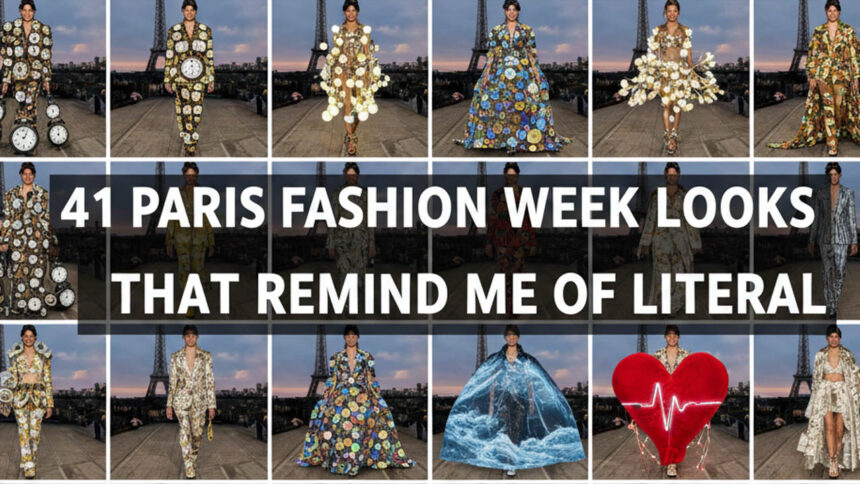
In this blog post, we’ll dive into 41 looks from Paris Fashion Week that embody literal interpretations in stunning ways. We’ll explore how these pieces challenge our perceptions of fashion and reflect current consumer trends while celebrating the freedom of expression found on the runway. Buckle up for a journey through styles that blend imagination with reality!
The concept of
The concept of literal fashion is captivating and daring. It challenges the boundaries between art and wearability. Designers often draw inspiration from everyday objects, transforming them into high-fashion statements.
This trend celebrates creativity by pushing traditional design to new realms. Think garments that resemble food items or outfits that mimic furniture shapes. Each piece tells a story, inviting viewers to interpret its meaning.
Literal elements encourage conversations about culture, identity, and modern life. They invite wearers to express individuality in bold ways while making a statement about society’s norms.
In this world of fashion, imagination reigns supreme. Literal looks are not merely clothing; they are wearable art forms that demand attention and provoke thought. Embracing such concepts allows us to explore deeper connections with what we choose to adorn ourselves with each day.
Top 10 Literal Looks from Paris Fashion Week
Paris Fashion Week never fails to dazzle, but this season brought an intriguing twist: literal fashion. Designers took inspiration from everyday items and concepts, transforming the runway into a playful commentary on our surroundings.
First up is the standout collection featuring dresses that mimic classic art pieces. Think flowing gowns adorned with brushstroke patterns resembling famous paintings.
Next, we have oversized jackets emblazoned with newspaper clippings—a bold statement about media consumption in today’s society.
Another striking look was seen in accessories shaped like kitchen utensils, merging functionality with high-fashion flair.
One designer even showcased a collection inspired by architectural elements, complete with structured silhouettes echoing famous buildings of Paris. The unexpected mashups are captivating and thought-provoking.
These literal interpretations challenge conventional style norms and invite us to reconsider how we perceive fashion within our daily lives.
How designers incorporate literal elements into their collections
Designers often draw inspiration from everyday objects and experiences. They transform mundane items into stunning fashion statements. This approach invites curiosity and conversation.
Utilizing bold graphics and unexpected textures is common. A dress resembling a fruit or an outfit mimicking architectural lines adds a playful twist to the runway. These pieces challenge conventional aesthetics, making art wearable.
Color palettes play a crucial role too. Designers might use hues that evoke specific environments or themes, like earthy tones for nature-inspired collections.
Sometimes, literal elements extend beyond visuals to storytelling through garments themselves. Accessories can represent symbols—a handbag shaped like a classic book tells its own tale while enhancing the ensemble’s narrative.
This creative fusion pushes boundaries and keeps audiences engaged by blurring the line between high fashion and genuine expression in daily life.
The impact of Literal fashion on the industry and consumer trends
Literal fashion has redefined the boundaries of creativity in the industry. Designers are now embracing playful interpretations, transforming everyday objects into high-fashion statements. This trend captivates audiences and sparks conversations around art and wearability.
Consumers are increasingly drawn to these quirky designs. They appreciate the humor and wit embedded in garments that challenge conventional aesthetics. Literal pieces often become talking points, making them highly shareable on social media platforms.
As brands incorporate this style, they tap into a broader cultural dialogue. The fusion of irony with luxury creates a fresh narrative that resonates with younger shoppers seeking authenticity and individuality in their wardrobes.
This shift influences how collections are marketed too. Fashion shows now prioritize experiences over traditional showcases, inviting spectators to engage with ludicrous concepts while redefining personal expression through clothing choices.
Evolution of Literal fashion: From runway to street style
Literal fashion has undergone a remarkable transformation over the years. What once thrived on high-fashion runways now spills effortlessly into everyday life. Designers began to experiment with concepts, turning mundane objects and themes into wearable art.
Street style enthusiasts quickly embraced this trend, adopting literal looks that reflect personal narratives. It’s not uncommon to see someone donning an outfit inspired by food or famous landmarks while strolling through city streets.
Social media plays a significant role in accelerating this evolution. Platforms like Instagram showcase these quirky interpretations, inspiring fans worldwide to adopt similar styles.
As brands recognize the allure of literal elements, they create collections that resonate with wider audiences. The blending of runway innovation and street-savvy creativity keeps pushing boundaries in fashion today—making each season more exciting than the last.
Criticism and controversy surrounding Literal fashion
Literal fashion isn’t without its detractors. Many critics argue that it can come off as overly simplistic or gimmicky. Some believe the concept risks overshadowing the artistry and craftsmanship traditionally valued in high fashion.
Debates often arise about whether literal interpretations dilute creative expression. For instance, when a designer showcases an outfit resembling everyday objects, some viewers feel it’s more of a joke than a sartorial statement.
Moreover, social media has amplified these discussions. Platforms like Instagram and TikTok can turn outfits into viral sensations overnight, leading to polarized opinions among fans and skeptics alike.
This controversy fuels conversations around what constitutes true innovation in the fashion world. It raises questions about authenticity versus spectacle—an ongoing dialogue within industry circles that challenges designers to push boundaries responsibly.
Conclusion: Why Literal fashion
Literal fashion has carved its niche in the bustling world of style, particularly noticeable during events like Paris Fashion Week. Designers are increasingly daring to break boundaries and play with perception. This trend not only sparks conversation but also elicits strong emotions from audiences across the globe.
The allure of literal interpretations allows for endless creativity. When a designer crafts an ensemble that mimics everyday objects or iconic symbols, it invites viewers to rethink their relationship with clothing and surroundings. These pieces can provoke playful discussions on meaning, identity, and personal expression.
Moreover, as consumers become more engaged in what they wear, they seek garments that speak beyond aesthetics alone. Literal fashion resonates because it tells stories—stories about culture, society, or even environmental issues. It encourages wearers to embrace individuality while standing out in both high-fashion settings and casual outings alike.
As this trend evolves further into street style incarnations and daily wardrobes worldwide, it’s evident that literal elements are here to stay in the fashion dialogue. The marriage between artful design and tangible concepts offers a refreshing perspective on how we view our attire—not just as fabric draped on our bodies but as bold statements reflecting who we are today.
With each new season at Paris Fashion Week showcasing these intriguing creations, one can only anticipate where literal fashion will venture next; perhaps leading us down paths we have yet to explore fully within this dynamic industry landscape.