

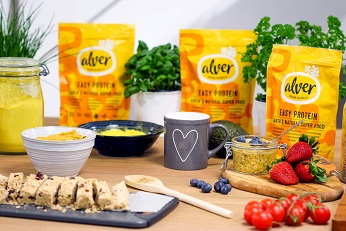
Protein-packed snacks have become increasingly popular in recent years, as more individuals recognize their significance in maintaining a balanced diet. These snacks, rich in protein, play a crucial role in supporting various bodily functions and contribute to overall wellness. Protein, a macronutrient comprised of amino acids, is essential for several physiological processes, including muscle repair, immune function, and the promotion of satiety.
One of the primary benefits of incorporating high protein snacks into snacks is its role in muscle repair and recovery. After engaging in physical activities such as workouts or sports, the body requires protein to rebuild and strengthen muscle tissues. By consuming protein-rich snacks during the recovery phase, individuals can enhance their performance and accelerate the healing process. This is especially important for athletes and fitness enthusiasts who seek to optimize their training regimens.
Moreover, protein contributes significantly to immune support. A strong immune system relies on various nutrients, and protein is fundamental in producing antibodies and other components essential for fighting infections. Therefore, incorporating snacks that contain substantial amounts of protein can bolster immune health and help the body respond more effectively to illnesses.
Another critical advantage of protein-packed snacks is their ability to promote satiety, which aids in weight management. Protein tends to be more filling than carbohydrates and fats, helping to curb hunger and reduce the frequency of snacking throughout the day. This can be particularly beneficial for those aiming to maintain a healthy weight or lose excess pounds, as it fosters better control over one’s dietary intake.
In summary, protein-packed snacks offer an array of advantages that contribute to a healthier lifestyle. By understanding the benefits of incorporating protein into your diet, you can make informed choices for snacking that align with your health goals.
Why Protein is Essential for a Healthy Lifestyle
Protein plays a critical role in maintaining overall health and well-being. It serves as one of the fundamental building blocks of our body, involved in the formation of tissues, enzymes, and hormones crucial for various bodily functions. The recommended dietary allowance (RDA) for protein varies depending on age, gender, and activity level; however, a common guideline suggests that adults should aim for about 46 grams for women and 56 grams for men each day. This ensures that the body has adequate protein to meet its physiological needs.
There is a notable distinction between complete and incomplete proteins. Complete proteins contain all nine essential amino acids necessary for human health and are typically found in animal products such as meat, fish, dairy, and eggs. On the other hand, incomplete proteins, which lack one or more essential amino acids, are generally derived from plant sources like legumes, nuts, and grains. Combining incomplete proteins can result in a complete amino acid profile, which is particularly important for vegetarians and vegans to consider in their diets.
Moreover, protein intake has significant implications for weight management and energy levels. Consuming adequate protein can help control hunger by promoting satiety, which may lead to reduced overall caloric intake. This, in turn, is beneficial for those looking to lose or maintain weight. Additionally, protein supports muscle growth and repair, making it crucial for individuals engaging in regular physical activity. Studies indicate that a higher protein intake may enhance metabolism, further aiding in effective weight management and energy optimization.
Types of Healthy Protein Sources
Protein is an essential macronutrient that plays a crucial role in the body, aiding in muscle repair, immune function, and overall health. It is important to have a diverse source of protein in one’s diet. Protein sources can be categorized into three main types: animal-based, plant-based, and dairy-based.
Animal-based protein sources are known for providing complete proteins, which contain all essential amino acids that the body cannot produce on its own. Examples include poultry, beef, pork, fish, and eggs. These sources are not only rich in protein but also provide additional nutrients such as iron, zinc, and vitamin B12. For instance, chicken breast is a lean source of protein that is low in fat, while fish like salmon are packed with omega-3 fatty acids alongside protein.
On the other hand, plant-based protein sources are an excellent option for those who prefer vegetarian or vegan diets. These sources include legumes (such as lentils and chickpeas), nuts, seeds, and whole grains. Although plant proteins are often considered incomplete proteins, combining different types can provide all essential amino acids. For example, quinoa is a complete protein and provides all the necessary amino acids, making it a popular choice among vegetarians.
Dairy-based sources of protein, such as milk, yogurt, and cheese, are also significant contributors. These foods not only provide protein but are also rich in calcium and other important nutrients. Greek yogurt, in particular, has gained popularity for its high protein content and versatility in snacks and meals.
Understanding these diverse protein sources can help individuals build a balanced diet that meets their nutritional needs, enhancing both health and wellbeing.
Top 10 Protein-Packed Snacks for On-The-Go
In the contemporary fast-paced lifestyle, balancing nutrition with convenience is a priority for many individuals. Here, we present a curated list of ten protein-packed snacks that cater to busy lifestyles without compromising on health.
1. Greek Yogurt
Greek yogurt offers an impressive protein content of around 10 grams per serving (150 grams). This dairy product is also rich in probiotics, supporting gut health. Opt for plain, low-fat varieties to avoid added sugars.
2. Hard-Boiled Eggs
One large hard-boiled egg contains approximately 6 grams of protein. These portable snacks are not just rich in protein but also provide essential vitamins and healthy fats, making them an excellent choice for energy throughout the day.
3. Edamame
A half-cup serving of edamame boasts about 8 grams of protein. These young soybeans are not only a great source of plant-based protein but are also rich in fiber, promoting satiety.
4. Cottage Cheese
With approximately 14 grams of protein per half-cup, cottage cheese is a versatile snack. It can be consumed alone or paired with fruits for additional flavor and nutrients.
5. Mixed Nuts
A quarter-cup of mixed nuts delivers around 6 grams of protein, along with healthy fats and fiber. They are easy to carry, making them a convenient snack option.
6. Protein Bars
Many protein bars on the market contain 10-20 grams of protein per serving. When selecting, choose bars with minimal added sugars and whole ingredients for the best nutritional value.
7. Jerky
Beef, turkey, or chicken jerky can provide 9-15 grams of protein per ounce. This snack is shelf-stable and can satisfy savory cravings while delivering protein efficiently.
8. Hummus and Veggies
A three-tablespoon serving of hummus can offer about 3 grams of protein. Pair it with carrot or cucumber sticks for a nutritious snack high in fiber and vitamins.
9. Tuna Packets
Convenient tuna packets provide around 20 grams of protein per serving. This protein-rich option is often available in flavored varieties, enhancing taste without compromising health.
10. Chia Seed Pudding
Chia seeds are a powerhouse, with around 5 grams of protein per ounce. Prepare chia pudding by soaking seeds in your choice of milk overnight to create a satisfying, protein-packed snack.
These protein-rich snacks not only support a high-protein diet but also provide the necessary nutrients to sustain energy levels and overall health during busy days. Each option serves as a practical solution for individuals prioritizing convenience without sacrificing nutritional value.
How to Make Your Own Protein Snacks at Home
Creating homemade protein snacks is a rewarding endeavor that allows you to tailor ingredients according to your preferences and dietary requirements. By making your own snacks, you not only gain control over the nutritional content but also ensure that they are free from artificial additives and unnecessary sugars. Below are some simple recipes for protein-packed snacks, including protein bars, energy balls, and smoothies.
Protein Bars: To make your own protein bars, start with a mixture of rolled oats, protein powder, nut butter, and a natural sweetener like honey or maple syrup. Combine one cup of oats, half a cup of protein powder, half a cup of nut butter, and a quarter cup of honey in a bowl. Stir until fully mixed, then press the mixture firmly into a lined baking dish. Allow the bars to set in the refrigerator for at least an hour before cutting them into desired portions. This snack is not only high in protein but also contains healthy fats.
Energy Balls: Another easy and nutritious option is energy balls. In a bowl, mix one cup of rolled oats, half a cup of nut or seed butter, a third of a cup of honey, and add-ins such as chocolate chips or dried fruits. Roll the mixture into small balls about one inch in diameter and refrigerate them for about 30 minutes. These small bites are perfect for a quick snack on-the-go and can provide a significant protein boost.
Smoothies: For a refreshing protein-packed drink, blend together one banana, a scoop of protein powder, a cup of spinach, and a cup of your choice of milk or yogurt. This smoothie is not only easy to make but can be customized by adding fruits or nuts for additional flavor and nutrients. Smoothies are an excellent way to combine healthy ingredients and create a fulfilling snack.
Store-Bought Protein Snack Options
With the increasing awareness of health and nutrition, protein snacks have become widely available in stores, catering to consumers who seek convenient and nutritious choices. These snacks often come in various forms, including bars, chips, and powders, making it easier for individuals to incorporate protein into their diets.
Protein bars are among the most popular options. They provide a convenient snack that can be consumed on-the-go. Notable brands such as Quest, RXBAR, and Clif offer bars with varying protein content, flavors, and nutritional profiles. For instance, Quest bars are particularly renowned for their high protein content and low sugar levels, making them a favorite among fitness enthusiasts. RXBAR, on the other hand, emphasizes its use of whole food ingredients and minimal additives, which can appeal to consumers looking for transparency in their snacks.
Another interesting category is protein chips, which have gained traction as a healthier alternative to traditional snack chips. Brands like Quest and P28 provide protein-enhanced chips that not only satisfy cravings but also offer beneficial protein intake. These chips generally retain a satisfying crunch while delivering substantial protein per serving, making them a smart choice for snacking.
For those looking to enhance their protein intake through drinks, protein powders are also widely available. Whey protein, casein, and plant-based options, such as pea and hemp protein, are common. Popular brands like Optimum Nutrition and Garden of Life provide versatile powders that can be added to smoothies or shakes. Consumers should pay attention to nutritional labels as again, protein amounts, flavoring agents, and sweeteners can vary greatly between products.
When selecting store-bought protein snacks, it is crucial to consider not just the protein content, but also the overall nutritional profile. Taste is also an essential factor, as some snacks may provide high protein but compromise on flavor. Checking reviews and conducting personal taste tests can be helpful for consumers to find their preferred protein-packed snacks.
Smart Snacking Tips to Enhance Protein Intake
Incorporating more protein into your daily snacking routine can significantly contribute to balanced nutrition and overall health. One effective strategy involves pairing protein-rich foods with fiber, as this combination not only enhances satiety but also helps regulate blood sugar levels. For instance, consider supplementing a handful of nuts with some fruit or dipping carrot sticks in hummus. These pairings effectively merge protein sources with fiber, providing a more satisfying snack experience.
Planning snacks in advance is another crucial tip for increasing protein intake. By preparing protein-packed snacks ahead of time, individuals can avoid the temptation of less healthy options when hunger strikes. Furthermore, utilizing small containers for portion control helps maintain moderation while ensuring access to high-protein options. Ideas such as hard-boiled eggs, Greek yogurt, or a small serving of cottage cheese can be pre-portioned and readily available to facilitate healthy snacking on-the-go.
Mindful eating practices are also pivotal for enhancing enjoyment and satisfaction from snacks. This can be achieved by slowing down during consumption, focusing on the textures and flavors of the food, and paying attention to hunger cues. When you allow yourself to fully savour the experience, you are more likely to make healthier choices and appreciate the nutritional benefits they provide, including protein content. Moreover, keeping a variety of protein sources on hand enables easier exploration of flavors—ranging from lean meats to plant-based alternatives—making snack times both nutritious and enjoyable.
Protein Snacks for Specific Diets
As dietary preferences and restrictions become increasingly common, it is essential to offer a variety of protein-packed snack options that cater to diverse needs. Whether following a vegetarian, vegan, gluten-free, or ketogenic diet, individuals can enjoy a range of satisfying snacks that also meet their specific nutritional requirements.
For vegetarian diets, snacks can include a delightful assortment of high-protein foods. Options such as Greek yogurt combined with fruits and nuts provide a creamy and nutritious option. Additionally, cottage cheese topped with fresh herbs or sliced vegetables offers both flavor and protein. Another popular choice is protein-rich hummus served with whole-grain crackers or veggie sticks, making it a great snack that fulfills both hunger and nutrient needs.
Transitioning to vegan snacks, it is still easy to find high-protein alternatives. Roasted chickpeas or edamame beans are excellent, crunchy snacks that provide significant protein while being entirely plant-based. Nut butter, particularly almond or sunflower seed butter, spread on whole-grain toast or rice cakes can be both filling and rich in healthy fats. Energy balls made from oats, nut butter, and protein powder serve as quick grab-and-go options that are not only tasty but also packed with nutrition.
For those following a gluten-free diet, options like quinoa salads or protein bars made from gluten-free ingredients are effective snack solutions. Nuts, seeds, and cheese will also appeal to many who seek a protein boost without gluten. Similarly, hard-boiled eggs, which are naturally gluten-free, provide a quick, protein-rich snack that is easy to prepare and consume.
For individuals adhering to a ketogenic diet, protein snacks high in healthy fats are vital. Beef jerky, mixed nuts, or cheese crisps are all great choices that maintain low carbohydrate content while being rich in protein. Avocado combined with tuna or chicken salad is another delicious option that adheres to keto principles, providing a satisfying and nutritious snack.
By carefully selecting snacks that align with specific dietary needs, individuals can maintain their health and well-being while enjoying the benefits of protein-rich foods.
Conclusion and Motivation to Prioritize Protein Snacks
In today’s fast-paced world, the importance of selecting nutritious snacks cannot be overstated. Protein-packed snacks offer a myriad of benefits that can significantly enhance one’s overall well-being. Consuming adequate protein not only helps in muscle repair and growth but also plays a vital role in maintaining energy levels throughout the day. Unlike sugar-laden or highly processed snack options, protein-rich choices can keep you feeling fuller for longer, thereby promoting satiation and reducing the likelihood of overindulgence in unhealthy foods.
Throughout this blog post, we’ve explored various enticing options that provide a substantial protein boost. From hearty nuts and nut butter to dairy-based snacks and plant-derived alternatives, there is an incredibly diverse range of choices to suit different palates and dietary needs. Incorporating these snacks into your daily routine is a simple yet effective way to support your health goals.
As you consider revamping your snacking habits, it is essential to be mindful of portion sizes and ingredient quality. Look for snacks that are minimally processed and contain natural ingredients. This will not only amplify the health benefits but also ensure that you enjoy satisfying flavors. Additionally, consider experimenting with homemade snack recipes that emphasize whole-food ingredients and provide protein benefits tailored to your preferences.
In summary, making the shift towards prioritizing protein-packed snacks can lead to improved health outcomes without compromising on taste. Embrace the wide variety of options available to you, and take a step toward a healthier lifestyle by integrating these nutrient-dense snacks into your daily dietary choices. Your body will thank you for this mindful approach to snacking.