
Identifying and defining your personal style is a fundamental aspect of dressing stylishly on a budget. Personal style encompasses not just clothing, but also how you express your identity through fashion. To begin, it is important to assess what styles, colors, and fits resonate with you. Start by analyzing your wardrobe: which pieces do you find yourself gravitating towards? What colors make you feel confident? Understanding these preferences will allow you to curate a wardrobe that reflects your true self.
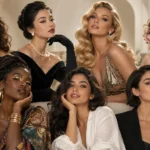
Fashion icons can serve as valuable sources of inspiration. Reviewing the wardrobes of style influencers, celebrities, or even friends can help you identify elements that you admire. Consider creating a mood board or saving images of outfits that catch your eye on social media platforms like Pinterest or Instagram. By collecting these visuals, you can begin to see patterns in the styles you are drawn to, making it easier to identify your personal aesthetic.
Embrace experimentation when it comes to fashion. While it is beneficial to recognize your preferences, do not shy away from trying new styles. Visit thrift stores or budget-friendly retailers to test out different fits and silhouettes without breaking the bank. Being flexible allows you to discover what truly works for you and what doesn’t. Keep in mind that personal style can evolve over time; remain open to changes as your tastes and preferences develop.
Ultimately, curating a style that aligns with your personality while remaining affordable is achievable with thoughtful consideration. Focus on investing in versatile pieces that can be mixed and matched to create various outfits. This approach aids not only in enhancing your style but also in maximizing your budget. As you gain confidence and clarity about your preferences, you will find dressing stylishly on a budget becomes increasingly accessible.
Assessing Your Wardrobe
To embark on a journey of dressing stylishly on a budget, the first step is to thoroughly assess your current wardrobe. This process involves taking stock of your clothing items to identify which pieces contribute meaningfully to your style and which do not. Begin by removing all items from your closet and laying them out in front of you. This visual approach will provide clarity on your possessions.
Start categorizing your clothing into three distinct piles: keep, donate, and discard. The keep pile should consist of versatile staple items—essential pieces that offer flexibility and can easily be mixed and matched. Examples include classic denim jeans, a well-fitted blazer, neutral t-shirts, and little black dresses. These items serve as the foundation for a stylish wardrobe and are invaluable for creating various outfits.
Next, consider the condition and fit of each piece. Items that are stained, excessively worn, or no longer fit properly should be placed in the discard pile. On the other hand, clothes that you might not wear again but are still in good condition can be set aside for donation. This also presents an opportunity to give back to the community by donating clothing to local charities or thrift stores.
As you assess, take note of any gaps in your wardrobe. Are there essential pieces that you frequently reach for but lack? Recognizing these needs will guide your future shopping endeavors, ensuring that any new purchases fit within a carefully curated wardrobe.
By completing this assessment, you will not only declutter your space but also set the stage for a refined and fashionable personal style without overspending. A well-organized wardrobe fosters a greater appreciation of your clothing, enabling you to showcase your style effectively.
Setting a Budget for Clothing
Creating a clothing budget is a vital step in achieving a stylish wardrobe without overspending. A well-considered budget allows individuals to allocate their finances responsibly, ensuring they can dress stylishly while staying within their financial means. To establish a realistic clothing budget, one must first assess their overall financial situation, including income, expenses, and savings goals.
Begin by determining a specific percentage of your monthly income that you can dedicate to clothing. This percentage may vary depending on individual circumstances but should reflect your priorities. For example, if clothing is a significant priority in your life, allocating 5-10% of your income to this category may be appropriate. In contrast, if it is less of a focus, a lower percentage might suffice.
It is also essential to plan for seasonal sales and promotions. Many retailers offer substantial discounts during certain times of the year, such as Black Friday or end-of-season sales. By anticipating these events, you can save money and make your clothing budget stretch further. Mark your calendar for these occasions and make a shopping list of items you need. This preparation will help steer you towards necessary purchases rather than impulse buys.
Impulse buying can jeopardize your budget, leading to spending on items that do not align with your wardrobe needs. To combat this, it is helpful to implement a waiting period before making a purchase. Allow yourself 24 hours to consider the necessity of the item and whether it fits within your budget. This strategy can prevent regret and ensure that your clothing spending remains aligned with your financial plan.
Thrifting and Second-Hand Shopping
Thrifting and second-hand shopping have gained considerable popularity in recent years, not only as a means to save money but also as a sustainable fashion choice. By choosing pre-loved clothing, consumers can enjoy unique styles while contributing to environmental conservation. This section outlines the benefits of thrifting and provides practical tips for finding stylish, high-quality pieces that cater to individual tastes.
One of the primary advantages of thrifting is the potential for significant savings. Many thrift stores offer quality items at a fraction of their original retail price. Shoppers can find everything from vintage clothing to modern-day bargains that fit their budget. Moreover, the thrill of hunting for fashion treasures is an exhilarating experience in its own right.
To make the most of your thrifting endeavors, it is essential to know what to look for. Start by setting your priorities; consider if you need essentials or statement pieces. Familiarize yourself with different fabrics and styles that flatter your body type. High-quality materials like wool, cotton, or silk can often be found in second-hand stores and contribute to a more refined wardrobe.
Inspecting items thoroughly before purchasing is crucial. Check for signs of wear, such as fraying, stains, or missing buttons. Ensure that zippers and seams are intact and assess the overall fit. It is also beneficial to try items on whenever possible to ensure comfort and style match your preferences.
Finding the best local thrift shops can enhance your shopping experience. Research online for thrift stores within your area, read customer reviews, and reach out to friends or community members for recommendations. Participating in thrift store events or community sales can also yield excellent finds while promoting a sense of connection within the local fashion community.
Capsule Wardrobe Essentials
A capsule wardrobe is a curated collection of clothing and accessories that are versatile, timeless, and essential for creating a variety of outfits. The concept is grounded in the idea of minimizing choices, promoting simplicity, and encouraging a more sustainable approach to fashion. By focusing on a limited number of garments that can be easily mixed and matched, individuals can achieve a stylish look without the need for excessive spending. This method not only saves money but also reduces clutter and fosters a clearer personal style.
Building a successful capsule wardrobe requires careful selection of key items. Here are essential pieces to consider incorporating:
- Basic Tops: Invest in high-quality t-shirts, blouses, and tank tops in neutral colors like black, white, navy, and gray. These can serve as the building blocks for layers or stand alone.
- Versatile Bottoms: A pair of well-fitting jeans and tailored trousers provide options for both casual and formal occasions. Consider adding a skirt that complements various tops.
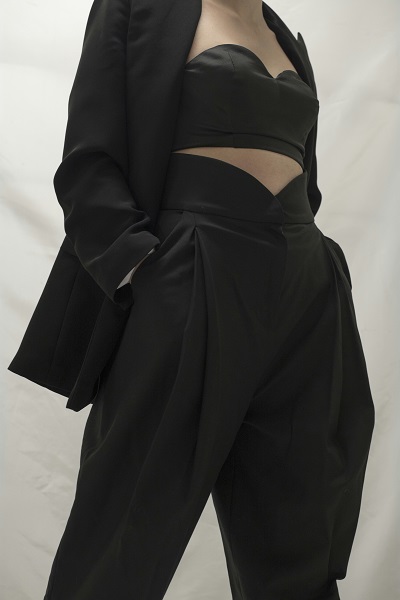
- Layers: A classic blazer and a cozy cardigan are excellent for transitioning between seasons. These layers not only add style but also allow for comfortable dressing.
- Dresses: Choose a little black dress or a casual day dress that can be dressed up or down. Such dresses are versatile and can be adapted for different settings.
- Footwear: A pair of comfortable flats and classic heels will cover both casual outings and more formal needs. Make sure they align with your personal style to enhance outfit versatility.
- Accessories: Simple accessories such as a statement necklace, a versatile handbag, and a quality belt can transform an outfit, adding unique flair without overwhelming your look.
By strategically selecting these wardrobe essentials, individuals can cultivate a capsule wardrobe that showcases personal style while remaining cost-effective. Adopting this approach not only promotes financial savings but also enhances creativity in outfit creation.
Finding Deals and Discounts
In an era where fashion often comes with a significant price tag, locating deals and discounts is essential for those who wish to look stylish without breaking the bank. One of the most effective strategies involves utilizing discount websites that specialize in offering reduced prices on trendy apparel. Websites such as RetailMeNot and Honey often have up-to-date lists of promo codes that can lead to considerable savings. Shoppers can take full advantage of these digital resources to secure items they love at a fraction of the cost.
Additionally, following brands on social media platforms can provide vital information regarding exclusive promotions and sales. Many fashion labels regularly share discount codes or flash sales on their Facebook, Twitter, or Instagram accounts. By staying connected, fashion enthusiasts can ensure they are among the first to hear about exciting offers and new arrivals that fit their budget.
Another avenue to explore is the utilization of store loyalty programs. Many retailers have launched loyalty initiatives that reward frequent shoppers with discounts, points, or even birthday gifts. Registering for these programs can often lead to significant savings on future purchases. Customers should also keep an eye out for seasonal sales events such as Black Friday, Cyber Monday, or end-of-season clearances, which frequently accompany substantial reductions on stylish apparel.
When approaching these sales, timing is crucial. Planning purchases around well-publicized sales events ensures that consumers can maximize their savings while acquiring fashionable pieces. By implementing these strategies, finding stylish clothing deals becomes a manageable task, allowing everyone the opportunity to dress well on a budget.
Accessorizing on a Budget
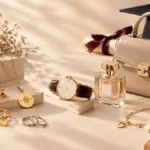
Accessorizing plays a crucial role in enhancing any outfit, allowing individuals to express their personal style without overspending. By carefully selecting the right accessories, one can transform even the simplest attire into something stylish and fashionable. This approach not only elevates the overall look but also showcases creativity in how items are coordinated.
One effective way to accessorize on a budget is to explore local thrift stores, consignment shops, and flea markets. These venues often have a diverse range of unique accessories at a fraction of the retail price. Additionally, online marketplaces, such as Etsy or Depop, can be excellent resources for finding handmade or vintage pieces that stand out without requiring a significant financial investment.
Mixing and matching accessories can also enhance your outfits while maintaining an economical approach. For instance, layering necklaces of various lengths or pairing different textures of scarves can add dimension to a standard ensemble. Understanding how to combine complementary colors and patterns will not only refine one’s appearance but will also make it easier to create multiple looks from a limited selection.
Another budget-friendly strategy is to invest in versatile accessories that can be used across multiple outfits. A classic handbag in a neutral shade, for instance, can complement various looks, from casual to formal. Similarly, statement earrings or a stylish belt can breathe new life into old pieces, making them feel fresh and modern.
Ultimately, accessorizing effectively on a budget means being resourceful and willing to experiment. By taking the time to explore different places for accessories and applying creativity in combinations, anyone can achieve a polished look without breaking the bank.
DIY Fashion Tips
Embracing DIY fashion techniques can significantly enhance your wardrobe without straining your finances. This approach not only allows you to save money but also empowers you to express your personal style through creative customization. One of the most effective methods is upcycling, which involves transforming old or unused garments into fashionable items. For instance, a worn-out pair of jeans can be altered into stylish cut-offs or even a chic denim skirt with simple sewing skills.
Another great technique is customizing clothing through the addition of embellishments. Items such as gems, patches, or embroidery can instantly elevate a basic shirt or jacket. By strategically placing these accents, you can create unique pieces that reflect your artistic vision. Additionally, using fabric paint or dye can give new life to faded clothing. Experimenting with patterns, colors, and textures opens a world of possibilities for creating memorable pieces from the ordinary.
Personalizing apparel is also an exciting aspect of DIY fashion. T-shirts or sweatshirts can be transformed by adding quotes, images, or even your own artwork. This not only distinguishes your clothing but also allows for a connection to your interests and personality. Moreover, organizing a clothing swap with friends can serve as an effective way to refresh your wardrobe at no cost. Exchanging items with others is a sustainable practice that fosters creativity and camaraderie.
Overall, engaging in DIY fashion practices inspires resourcefulness and innovation. By utilizing upcycling, customization, and personalization techniques, anyone can curate a stylish wardrobe that is both unique and budget-friendly. These methods not only reduce waste but also promote the enjoyment of fashion as a form of artistic expression.
Maintaining a Stylish Wardrobe
Maintaining a stylish wardrobe on a budget requires careful attention to how clothing is cared for and preserved over time. The longevity of garments can significantly influence your fashion expenditure and overall aesthetic. Proper washing techniques are paramount; always check the care label for specific instructions. Using cold water and gentle cycles for most items reduces wear and tear. Additionally, air drying clothes instead of machine drying can prevent shrinkage and fabric damage, thereby extending their lifespan.
Storing clothing appropriately is another crucial aspect of wardrobe maintenance. For items that are less frequently worn, consider using breathable garment bags and ensure they are stored in a cool, dry place to prevent mildew and odor retention. Hanging delicate items such as blouses and dresses keeps them wrinkle-free, while folding heavier pieces like sweaters can help maintain their shape. Organizing clothing by season or occasion also makes it easier to curate stylish outfits without the need for excessive new purchases.
Incorporating regular repairs can further enhance the longevity of your wardrobe. Simple fixes such as sewing on a button, patching up a small tear, or even altering a garment can give new life to items that might otherwise be discarded. This not only saves money but also promotes sustainable fashion practices. To keep ensembles feeling fresh and relevant, consider rotating outfits and mixing pieces creatively. Accessories, such as scarves, belts, and jewelry, can transform basic outfits into statement pieces, allowing for a refreshed look without buying new clothing. Regularly reevaluation of your style and making intentional outfit selections will ensure that you maintain an appealing personal aesthetic on a budget.